
Medan
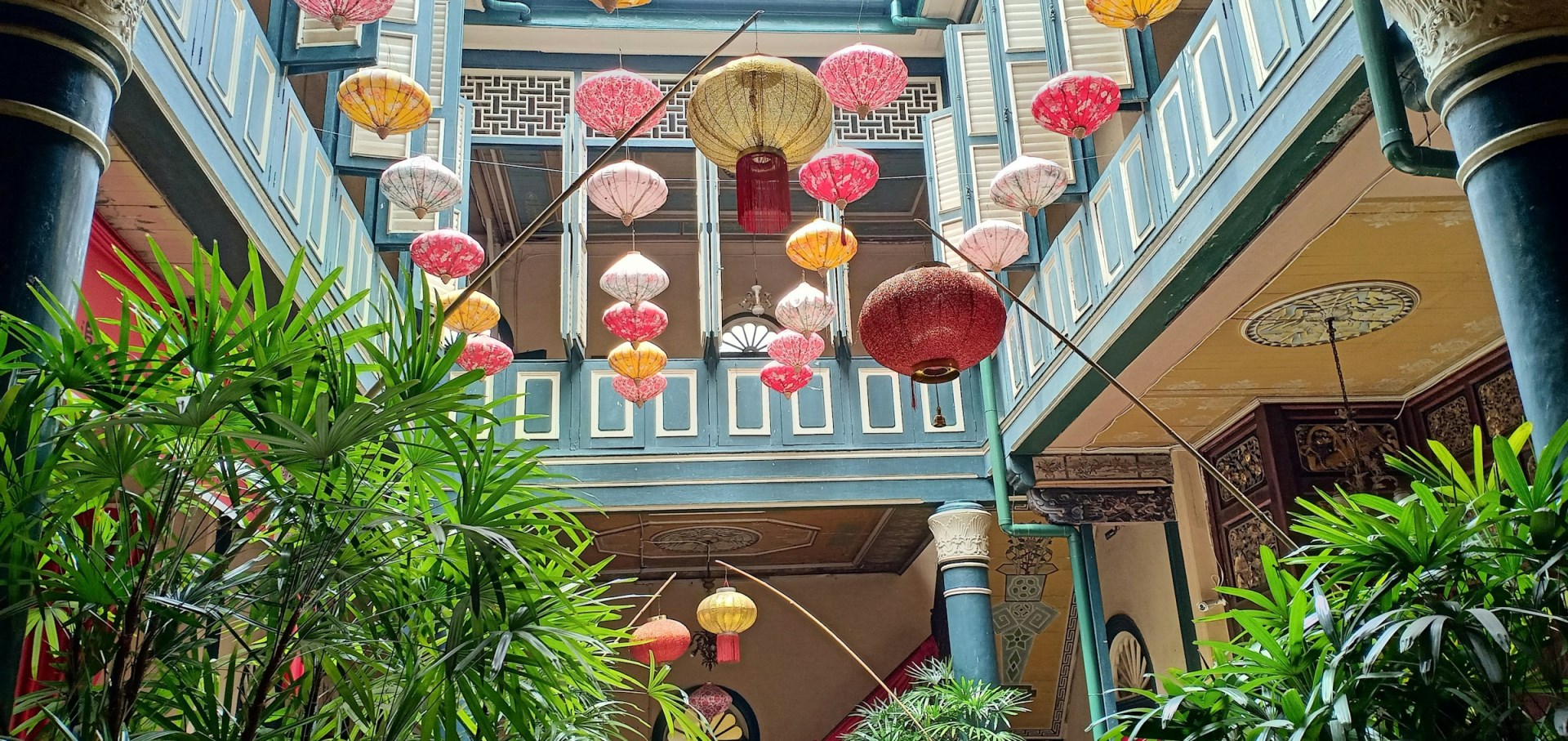
Medan is the capital of north Sumatra and the third largest city in Indonesia. It is a huge, sprawling city and a popular entry/exit point for travellers. The solid Dutch buildings of the affluent older suburbs inspire images of bloated bureaucrats and burghers from the colonial era, while jerry-built lean-tos house the bulk of its population.

Umbria
Nestled in the heart of Italy, Umbria is often called the "Green Heart of Italy" due to its lush landscapes and rolling hills. This region offers visitors a tranquil escape from the bustling cities, with medieval hilltop towns, rich history, and exceptional cuisine. Perugia, Umbria's capital, is a cultural hub known for its well-preserved Etruscan history, including the Etruscan Well and Arco Etrusco, a gateway dating back to the third century BC.
Ubud
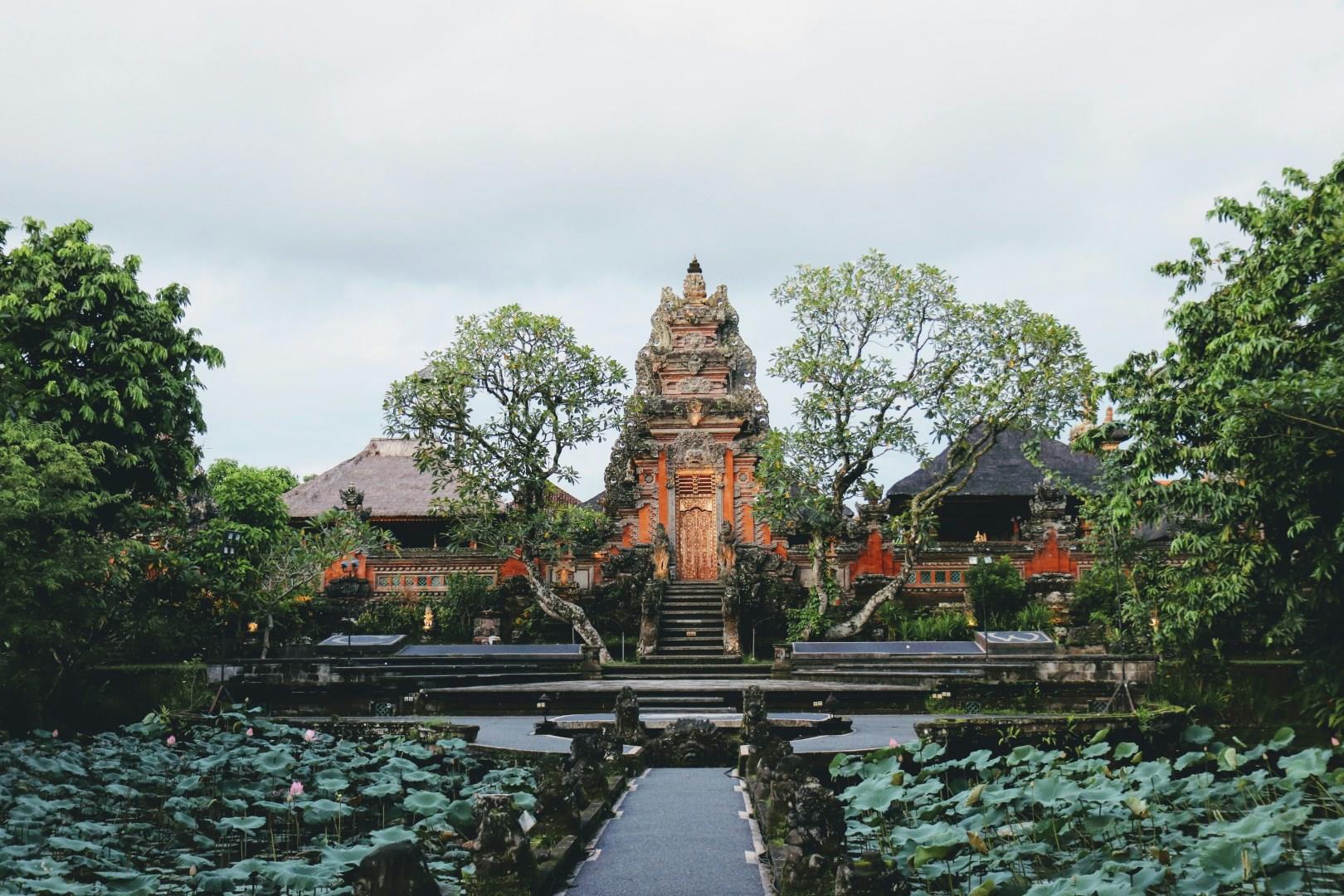
Ubud lies in the uplands of central Bali and has long been regarded as the island’s cultural and spiritual heart. Historically a center for healing and royal patronage, the town developed around temples, palaces, and traditional villages that supported dance, painting, woodcarving, and ritual life.
Bryce Canyon
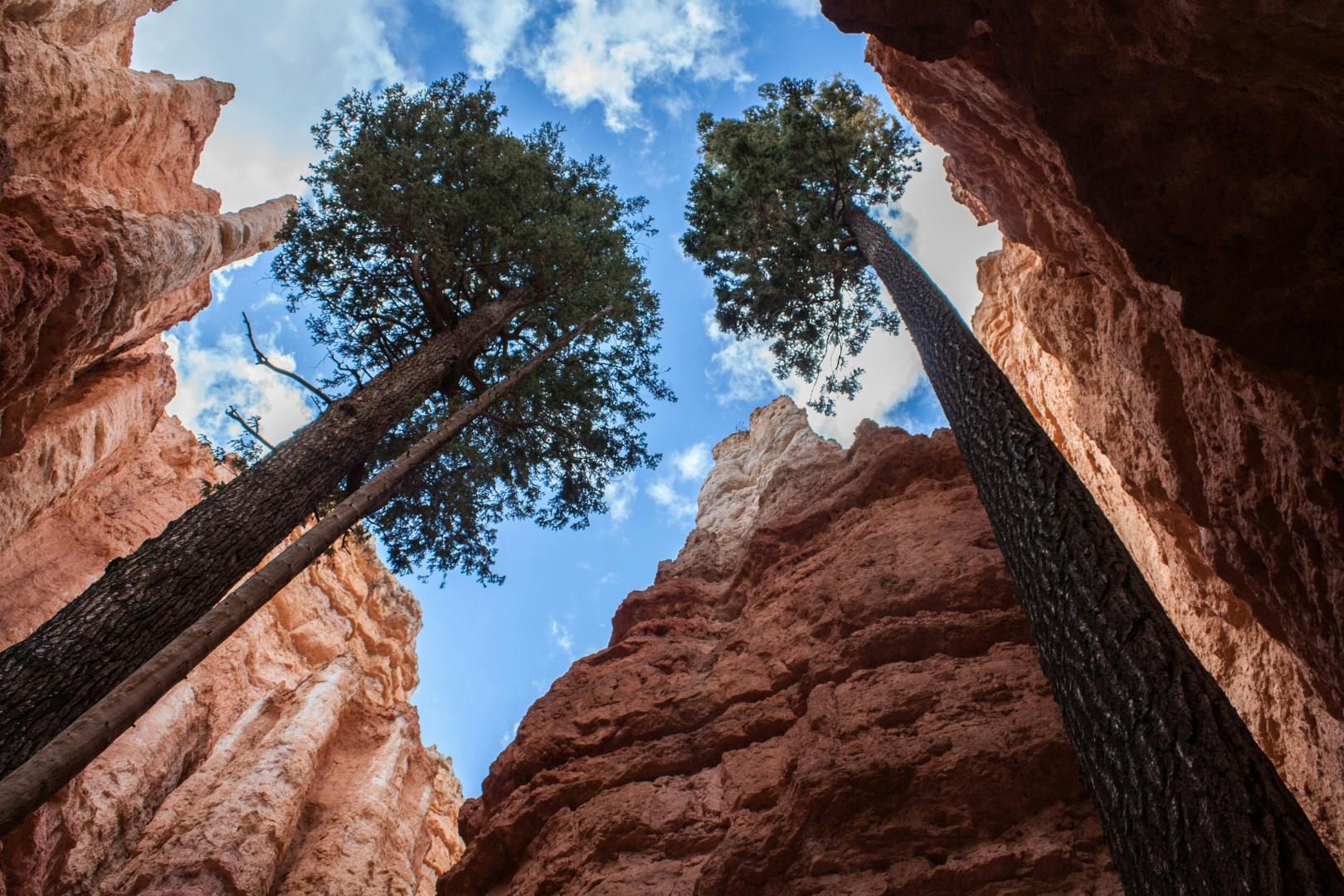
Bryce Canyon, tucked into the high plateaus of southern Utah, offers one of the most unusual landscapes in the American Southwest. It’s not actually a canyon but a series of natural amphitheaters carved into the edge of the Paunsaugunt Plateau. What makes Bryce unique is its dense collection of hoodoos which are tall, thin spires of rock formed over millions of years by frost-wedging and erosion.

Mumbai
This energetic city is home to three UNESCO World Heritage Sites: the Elephanta Caves, Chhatrapati Shivaji Maharaj Terminus, and the city's distinctive Victorian and Art Deco buildings. It is the largest city in India and contains 7 distinct districts. There is so much to see here, but the most popular tourist attractions are typically concentrated in South Mumbai such as the Elephanta Caves, the Gateway of India and Chhatrapati Shivaji Maharaj Terminus.
