
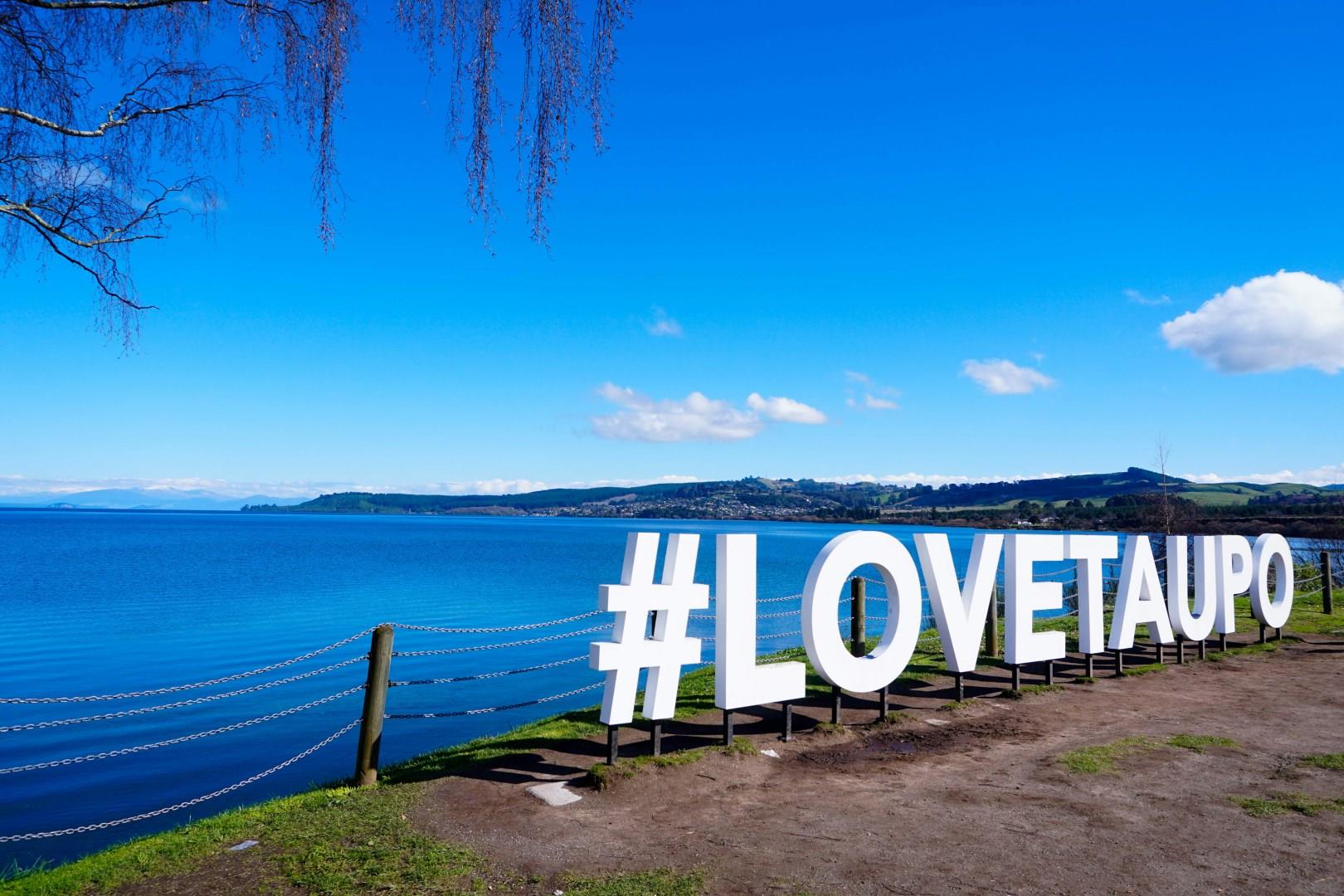
Taupō
Taupō, located in the heart of New Zealand’s North Island, is built along the shores of Lake Taupō, which is the largest freshwater lake in Australasia, formed nearly two thousand years ago by a massive volcanic eruption. That eruption was so powerful, it was recorded in ancient Chinese and Roman texts, even though it occurred halfway across the world. Today, the lake is calm, clear, and central to life in the region, offering everything from trout fishing to kayaking and lakeside cycling.

Fiji
Fiji, a tropical haven in the heart of the South Pacific, is made up of over 330 islands, each with its own distinct character. The islands boast lush rainforests, soaring mountains, and white sandy beaches, offering a wide range of activities, from kayaking through calm lagoons and paddleboarding along scenic coastlines to zip-lining through lush rainforests and hiking across mountainous terrain.
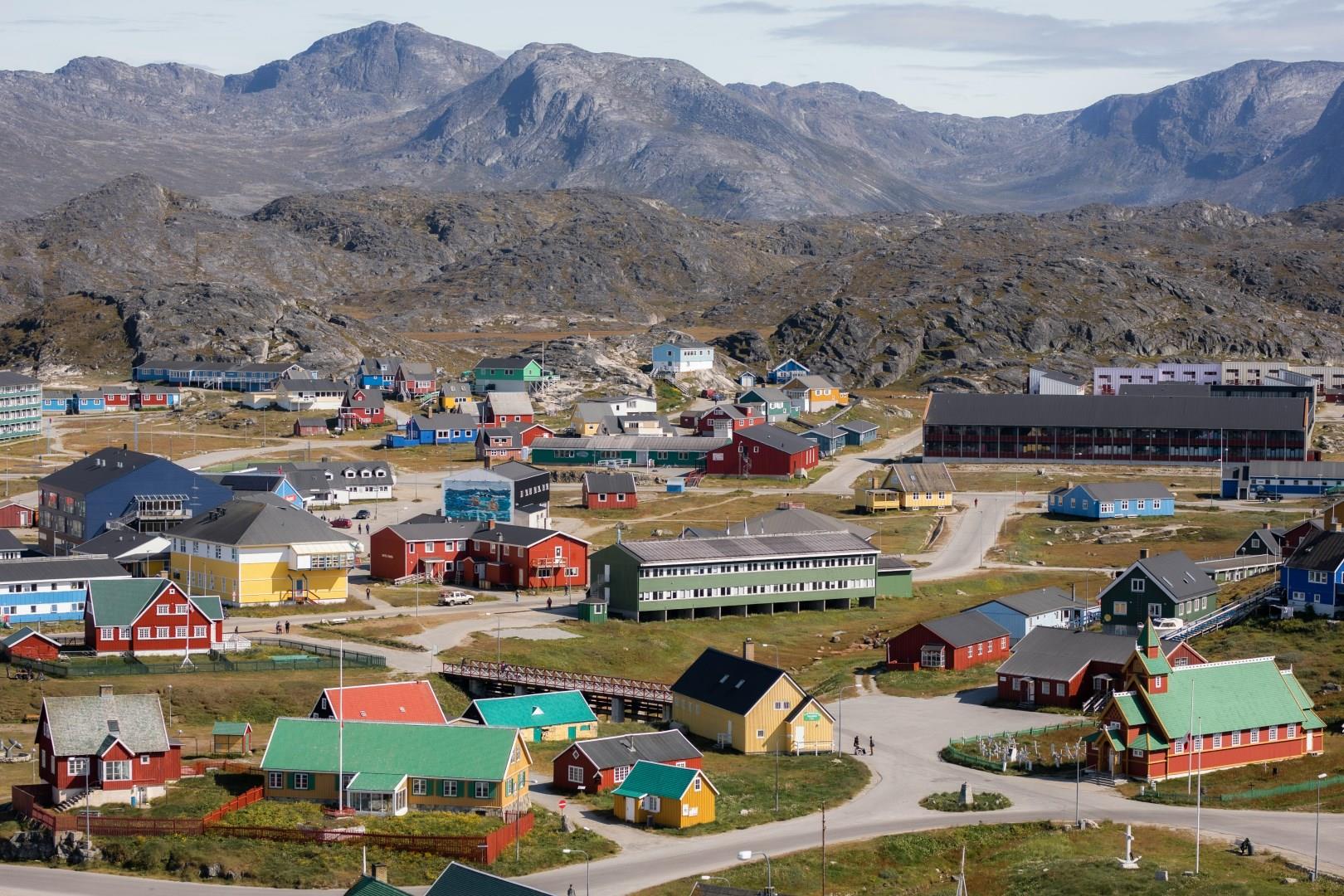
Paamiut
Paamiut lies on Greenland’s southwest coast, where the Labrador Sea meets a rocky, fjord-cut shoreline. Established in the 18th century as a Danish trading post and mission, the town developed around fishing and sealing, activities that continue to shape daily life.
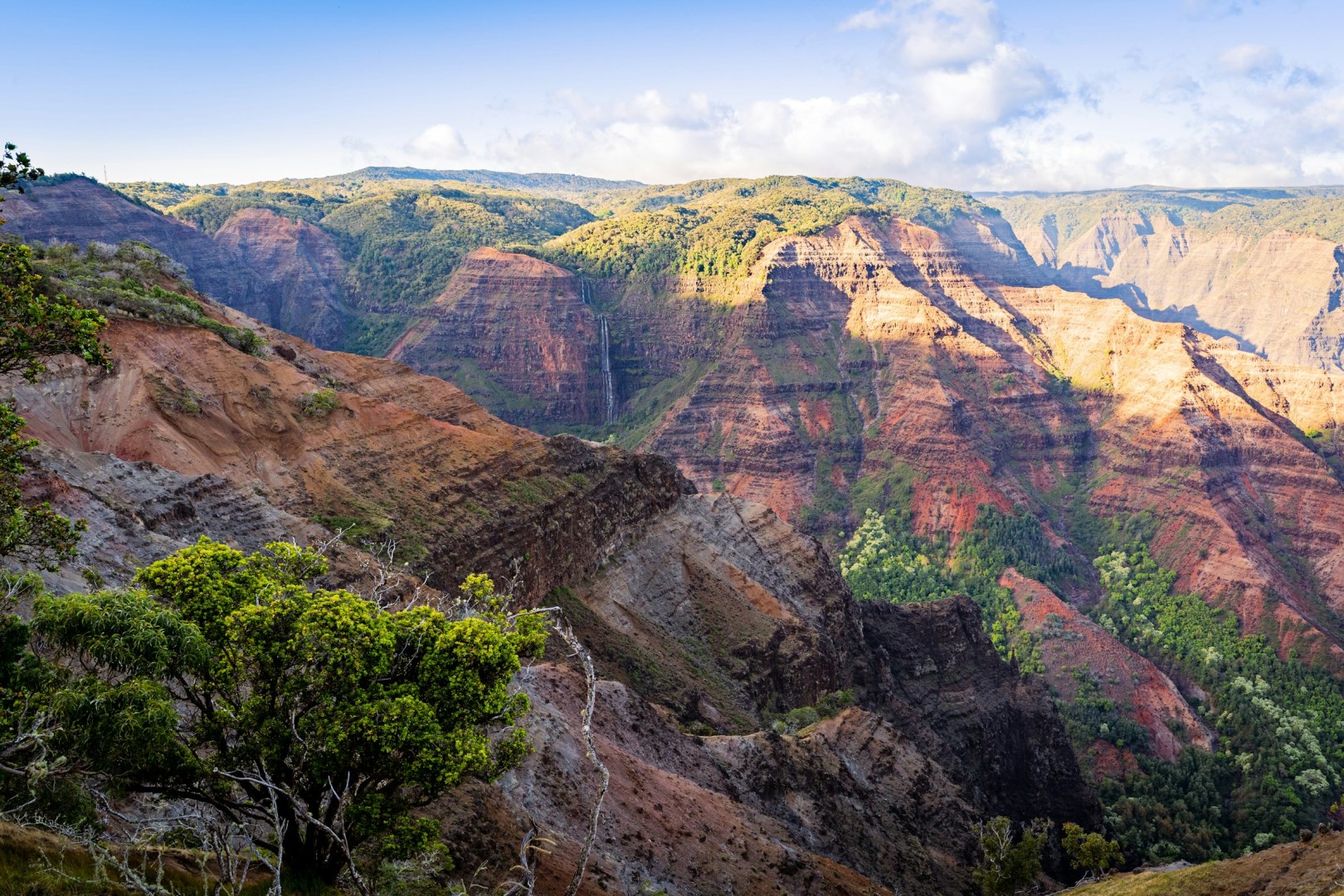
Waimea Canyon, Kauai
The Canyon valleys of the Waimea River and its tributary were once heavily populated, and the town was an early center of native government. It was here that Captain James Cook, English Navigator-Explorer, made his first landing in the Hawaiian Islands on January 20, 1778. Waimea developed as a provisioning port for whalers and sandalwood traders. A ruined Russian fort, built (1815) in a futile attempt to seize the isle, occupies a coastal bluff aboe the Waimea River. A rich sugar-plantation
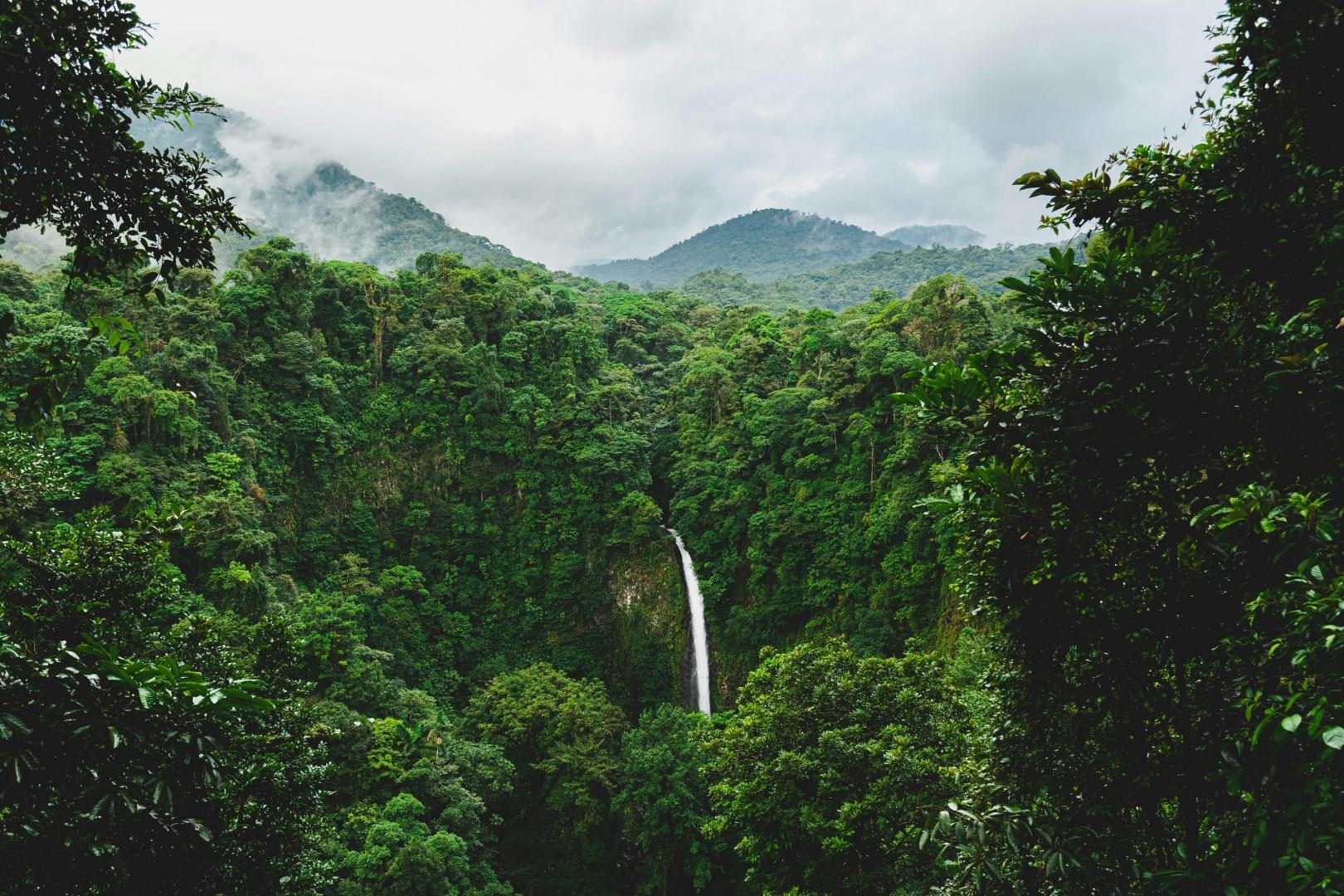
Arenal
Nestled in the lush region of northern Costa Rica, Arenal is a destination that promises adventure, relaxation, and breathtaking natural beauty. Dominated by the imposing Arenal Volcano, one of the most active volcanoes in the world until recently, this area is a paradise for nature lovers and thrill-seekers alike.
