

Tulum
Tulum, a jewel of the Riviera Maya, is a blend of ancient history, vibrant culture, and pristine natural beauty. Perched on a cliff overlooking the turquoise Caribbean Sea, the Tulum Ruins stand as one of the last cities built and inhabited by the Maya civilization. The well-preserved El Castillo, Temple of the Frescoes, and Temple of the Descending God offer insight into the architectural prowess and spiritual life of the ancient Maya.
Mirissa
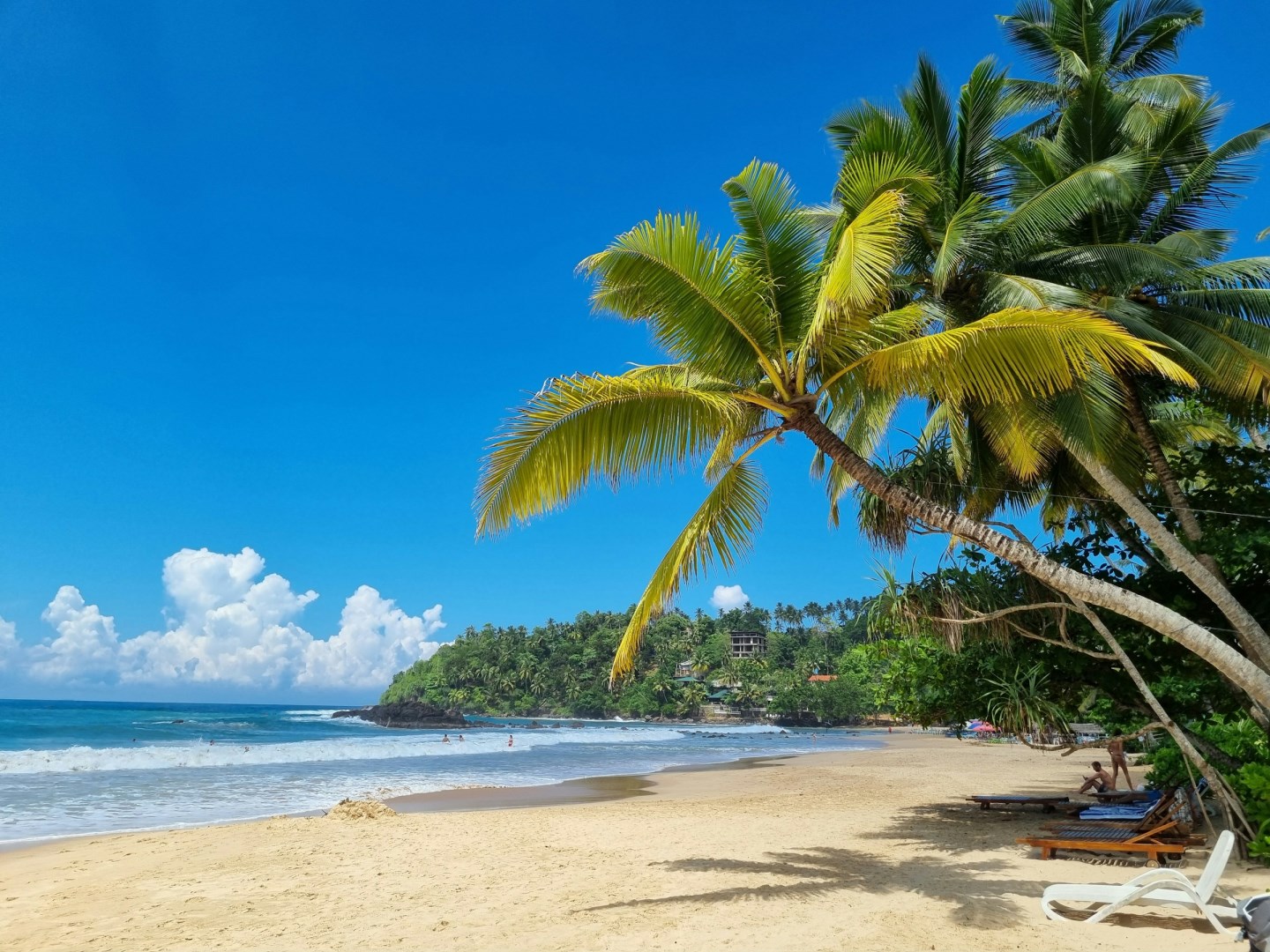
Mirissa, on the southern coast of Sri Lanka, is a seaside town that blends golden beaches, turquoise waters, and a laid-back atmosphere. Known for its crescent-shaped bay fringed with palm trees, it offers one of the island’s most inviting spots for swimming, surfing, and lounging by the sea.

Maasai Mara National Reserve
Masai Mara is a renowned wildlife region in southwestern Kenya, known for its broad grasslands, seasonal rivers, and high concentration of large mammals. The reserve forms part of the greater Mara-Serengeti ecosystem, allowing wildlife to move across a much larger landscape beyond the protected area itself. Lions, cheetahs, leopards, elephants, buffaloes, giraffes, and numerous antelope species are commonly associated with the region.
Loreto
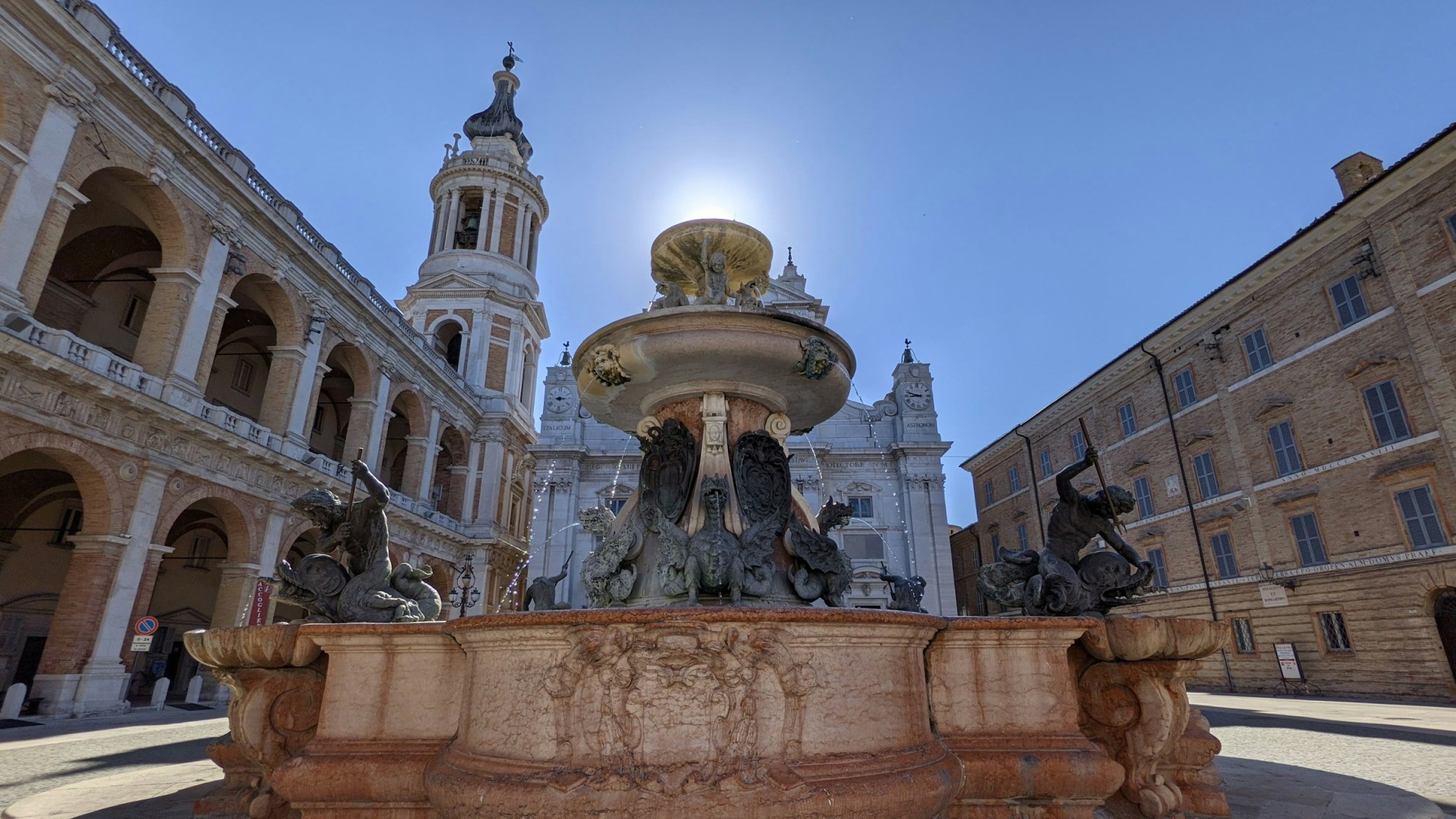
High on a hill, dominating the sea, Loreto is a small city that lives solely for the "Santa Casa", one of the most famous and revered monuments of Christianity. According to tradition, it was the Virgin Mary's birth house, which up until that time was kept intact and venerated in Palestine, then flown by angels from Nazareth to the Adriatic Coast and set on a green hill of laurels on the night of December 10, 1294; hence the name Loreto.

Caye Caulker
Caye Caulker lies off the coast of Belize, a small island that was once a quiet fishing village and today still feels wonderfully uncrowded compared to many Caribbean destinations. Its name likely comes from an English twist on “Hicaco,” the old Spanish name meaning coco plum, a nod to the island’s early days and bilingual roots.
