
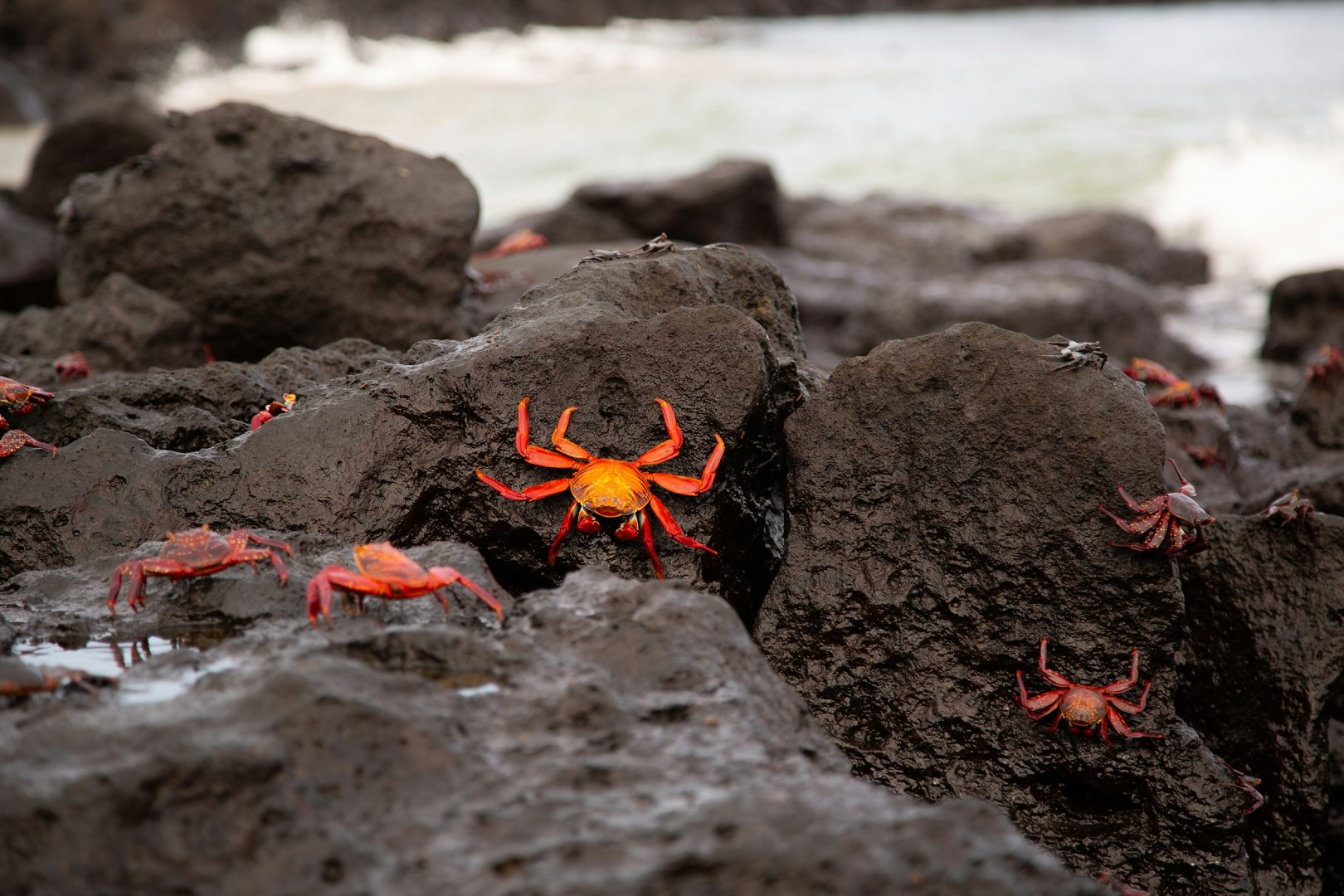
South Plaza Island
On South Plaza Island, sea lions breed all along the low lying northern coast. These sheer cliffs are home for swallow-tail gulls and the beautiful red billed tropic birds. The landscape is dominated by optunia cactus trees. A look under each tree reveals a land iguana patiently waiting for a succulent cactus pad to fall.
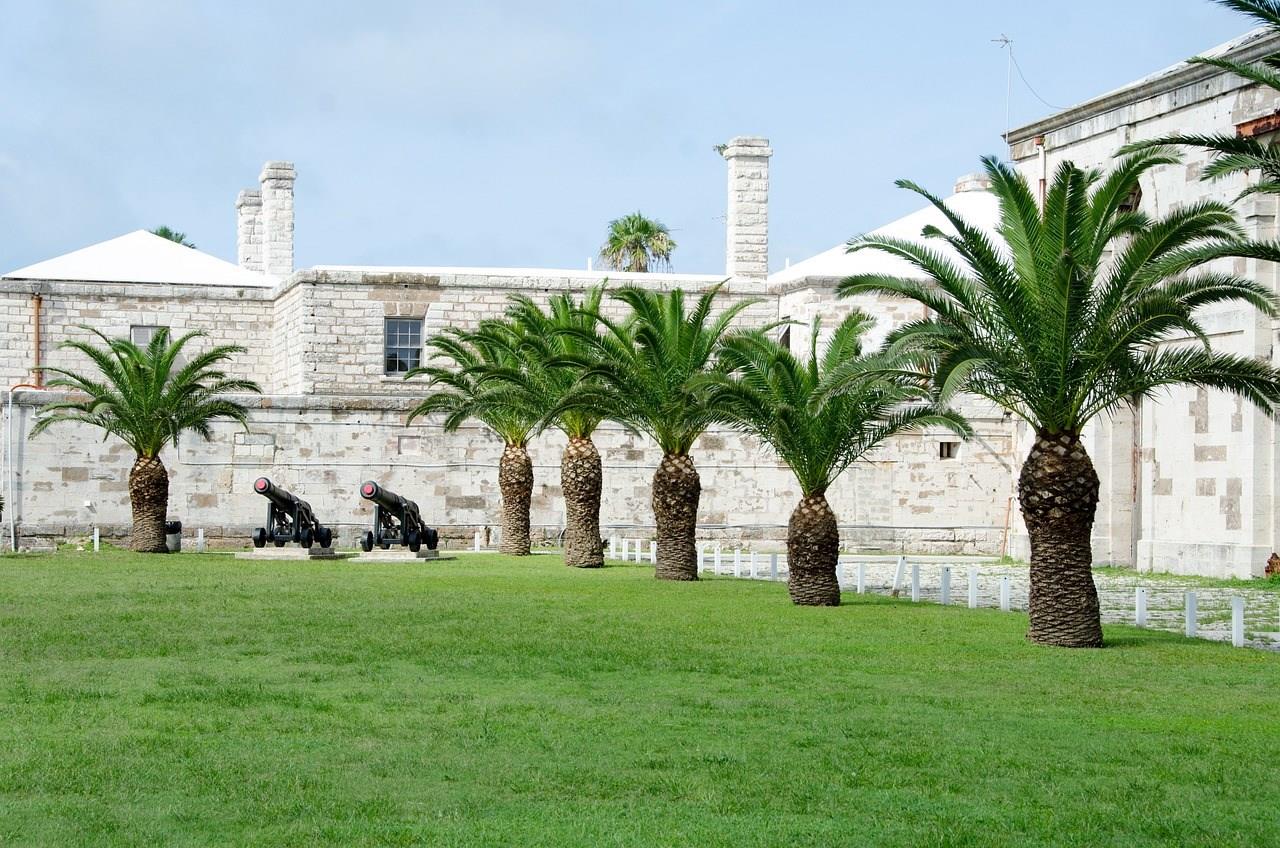
Royal Naval Dockyard
The Royal Naval Dockyard in Bermuda stands as a testament to the island's maritime history and naval heritage. Located at the western tip of Bermuda, this historic site was once a major naval base for the British Royal Navy and is now a thriving hub of culture, history, and tourism. The Dockyard's impressive buildings, including the Commissioner's House and the historic fortifications, offer a glimpse into Bermuda's naval past.

Dakar
Dakar, the lively capital of Senegal, stands at the edge of the Atlantic Ocean on the Cape Verde Peninsula. As the westernmost city on the African mainland, it has long been a crossroads of cultures, trade, and ideas.

York
York, England, is a city where over 2,000 years of history comes to life. Originally founded by the Romans in 71 AD as Eboracum, York has witnessed the rise and fall of empires, from the Vikings to the Normans. Today, the city retains its medieval charm, with its historic York Minster, one of the largest Gothic cathedrals in Northern Europe, standing proudly as its centerpiece.
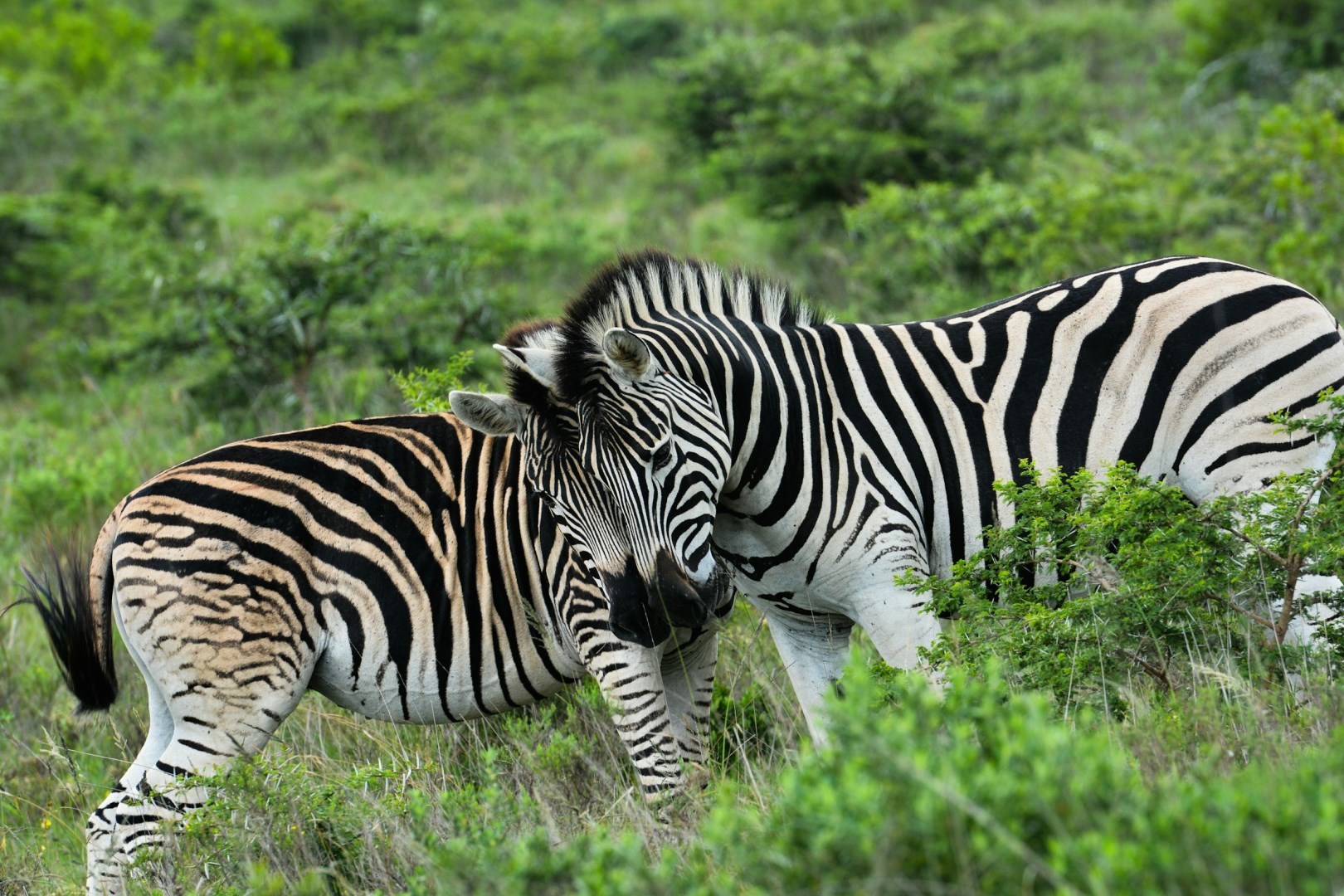
Timbavati Private Nature Reserve
Timbavati Private Nature Reserve lies in South Africa’s northeastern Lowveld, directly alongside Kruger National Park. Covering about 556 square kilometres, it forms part of the larger Greater Kruger landscape, where fences between participating reserves and Kruger have been removed to allow wildlife to move freely. The reserve contains a mixture of savanna, woodland, seasonal rivers, and rocky areas shaped by ancient granite and gneiss formations.
