
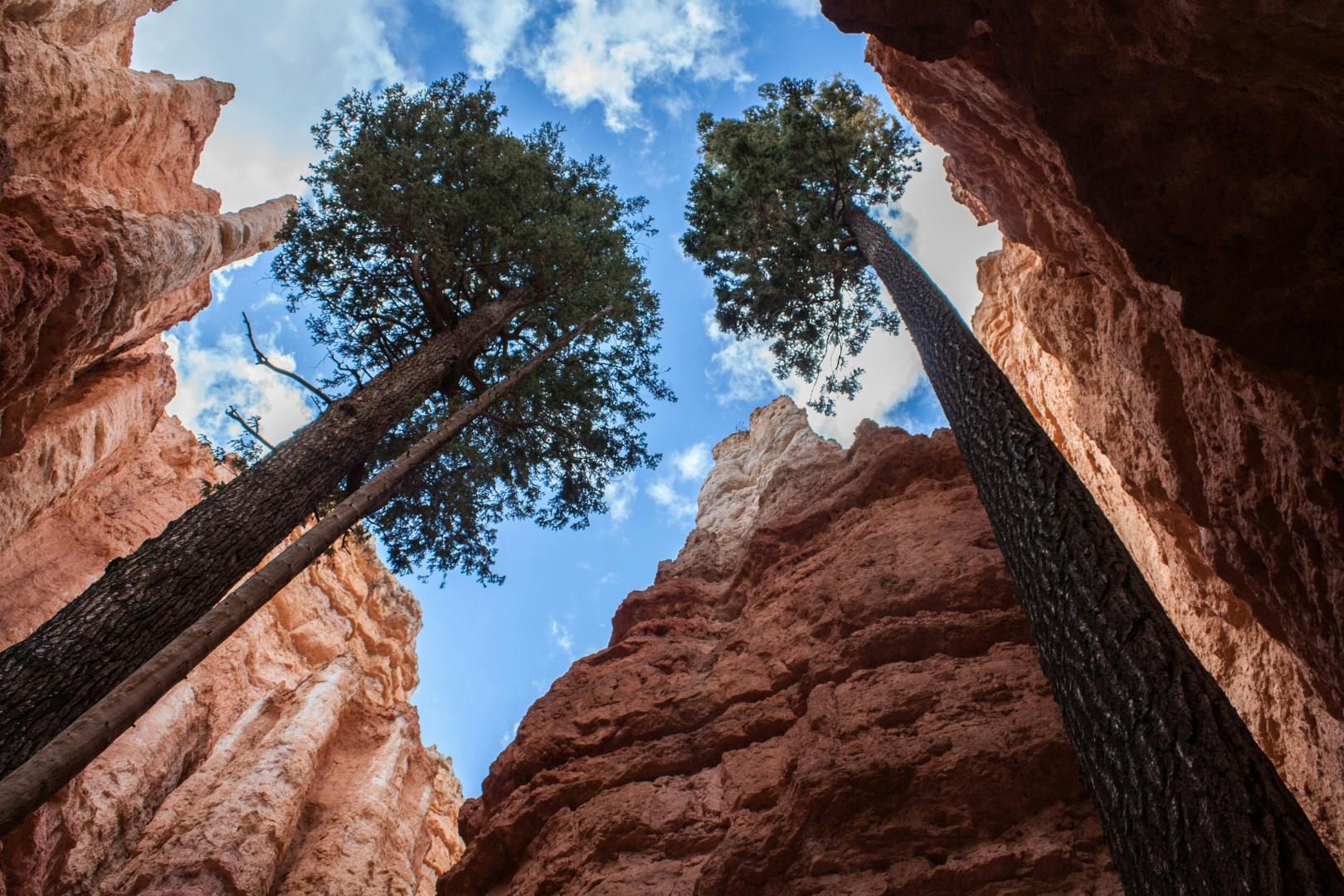
Bryce Canyon
Bryce Canyon, tucked into the high plateaus of southern Utah, offers one of the most unusual landscapes in the American Southwest. It’s not actually a canyon but a series of natural amphitheaters carved into the edge of the Paunsaugunt Plateau. What makes Bryce unique is its dense collection of hoodoos which are tall, thin spires of rock formed over millions of years by frost-wedging and erosion.
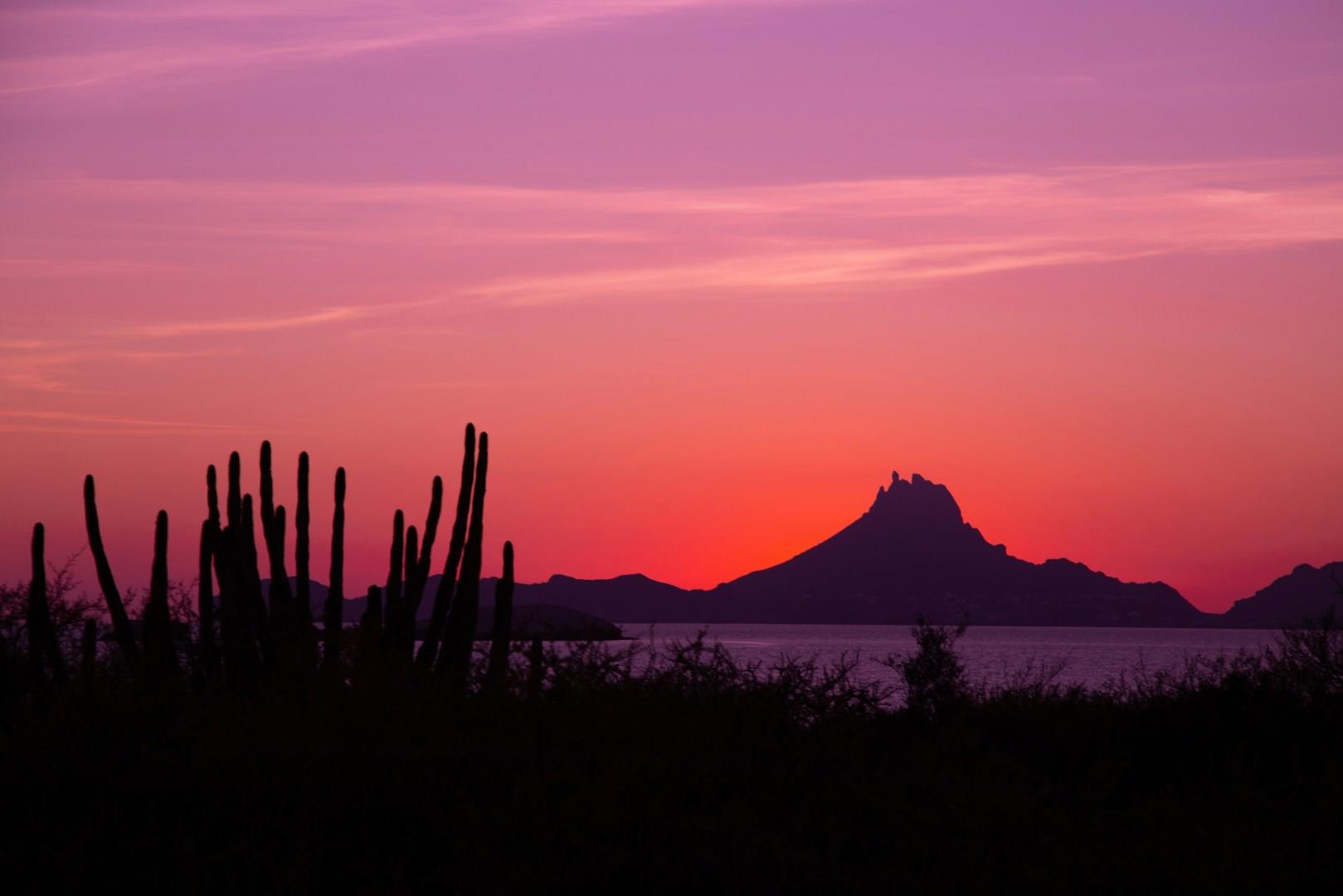
Guaymas
Guaymas lies along the Gulf of California in the Mexican state of Sonora, shaped by its role as a working port rather than a resort city.

Mtskheta
Mtskheta is a historic town in central Georgia, located at the meeting point of the Mtkvari and Aragvi rivers, about 20 kilometers northwest of Tbilisi. It served as the ancient capital of the Georgian kingdom of Kartli and remains one of the country's most important religious and cultural centers. The town sits within a landscape of river valleys, wooded hills, and mountain slopes, with historic churches rising above its compact streets.

Great Smoky Mountains National Park
Great Smoky Mountains National Park stretches across the border of Tennessee and North Carolina, protecting a broad section of the southern Appalachian Mountains. The park is known for forested ridges, mist-covered peaks, clear streams, and an exceptional variety of plant and animal life. Its landscape changes with elevation, from rich hardwood forests in the valleys to spruce-fir forests near the highest summits.
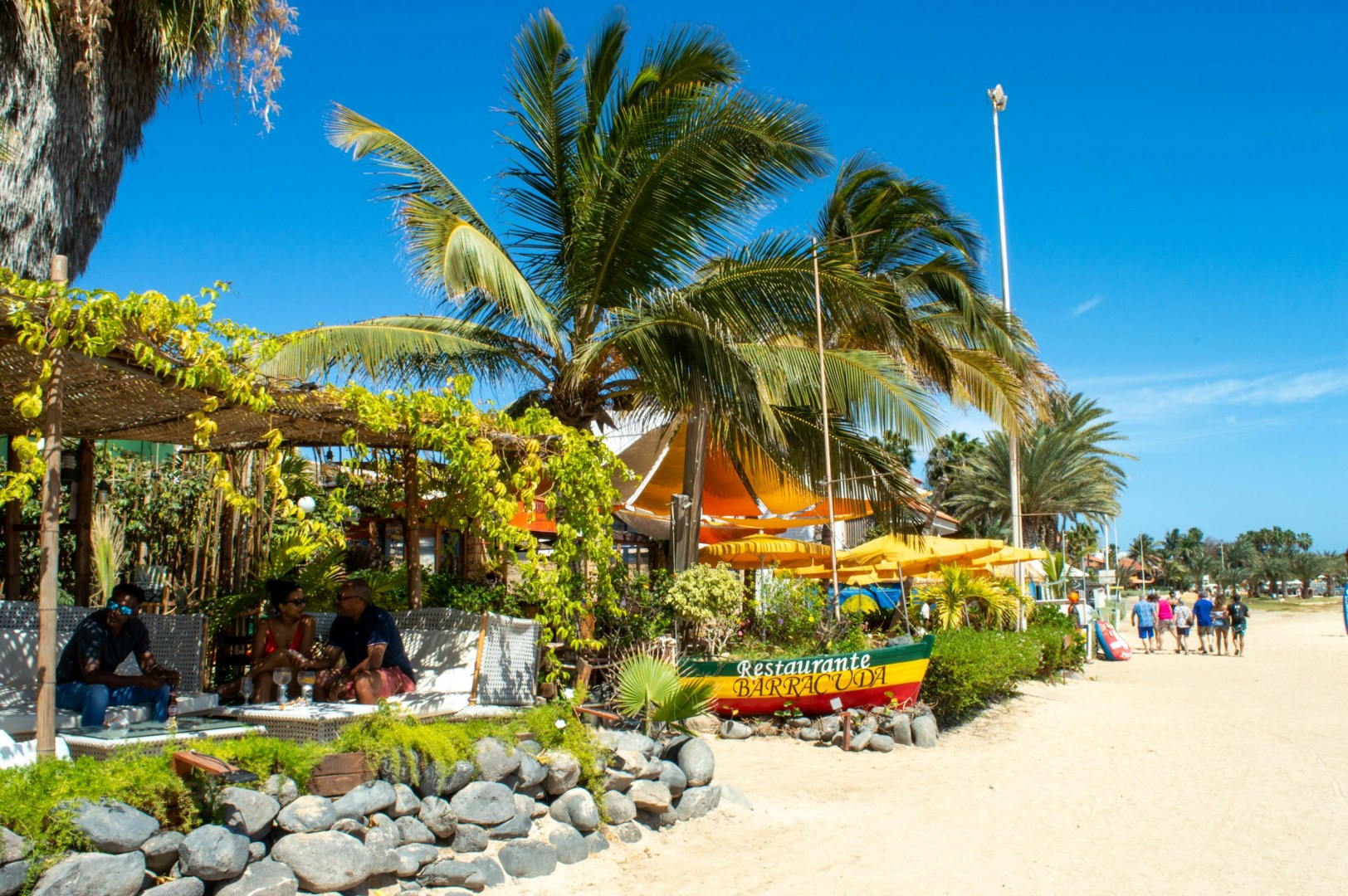
Santa Maria
Santa Maria is the main coastal town on Sal, one of Cabo Verde’s eastern islands, and is closely connected with the island’s fishing and salt-producing heritage. The town developed beside a long sandy beach on the southern coast, with low buildings, narrow streets, small shops, restaurants, and a busy waterfront forming its center.
