
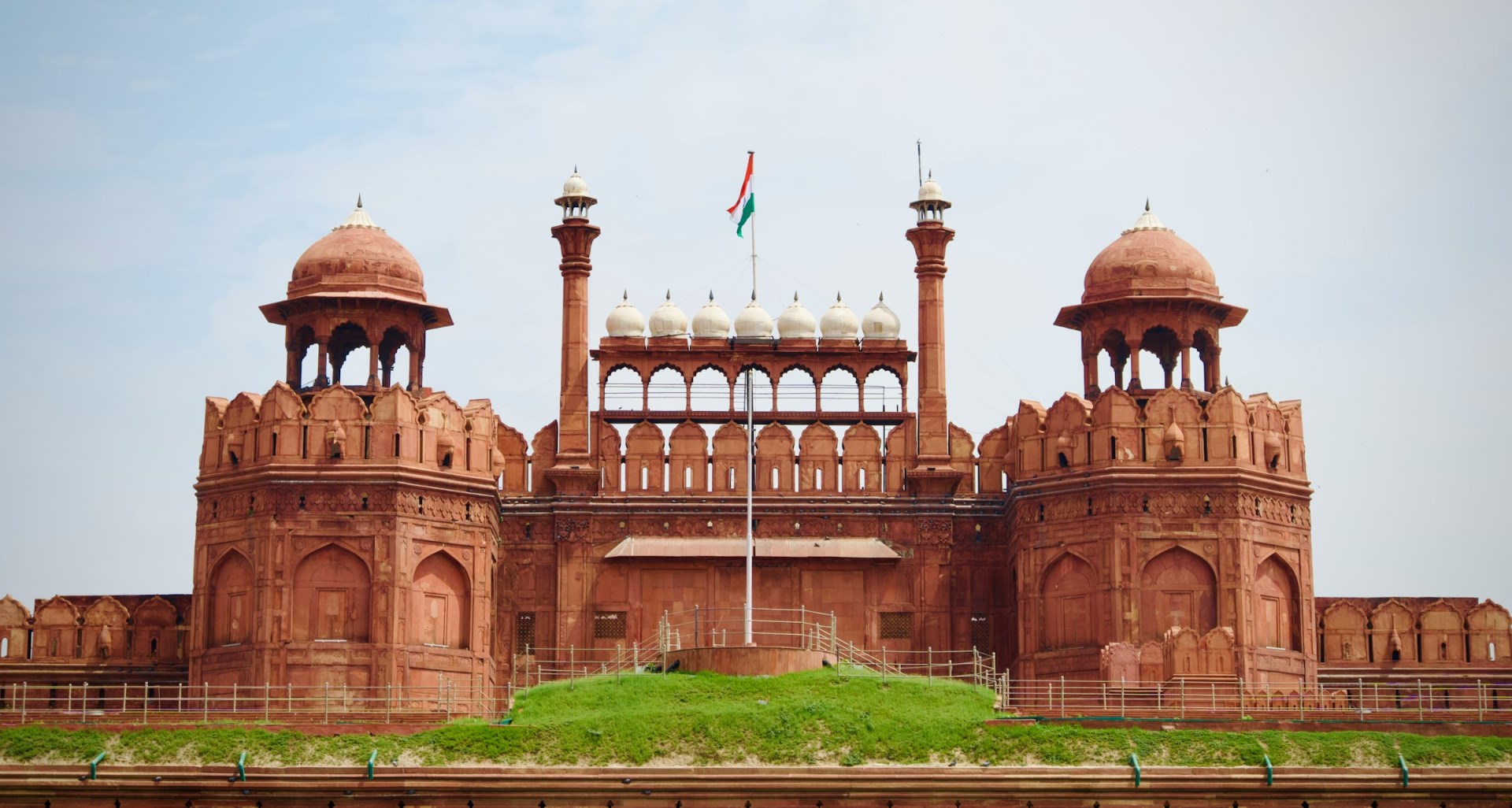
New Delhi
New Delhi is the planned central district of India’s capital, laid out with broad avenues, formal gardens, government buildings, and prominent public landmarks. Designed around ceremonial spaces and tree-lined roads, it contrasts with the dense lanes and historic neighborhoods of Old Delhi. Rashtrapati Bhavan, Parliament, India Gate, and Kartavya Path form some of the district’s defining landmarks.
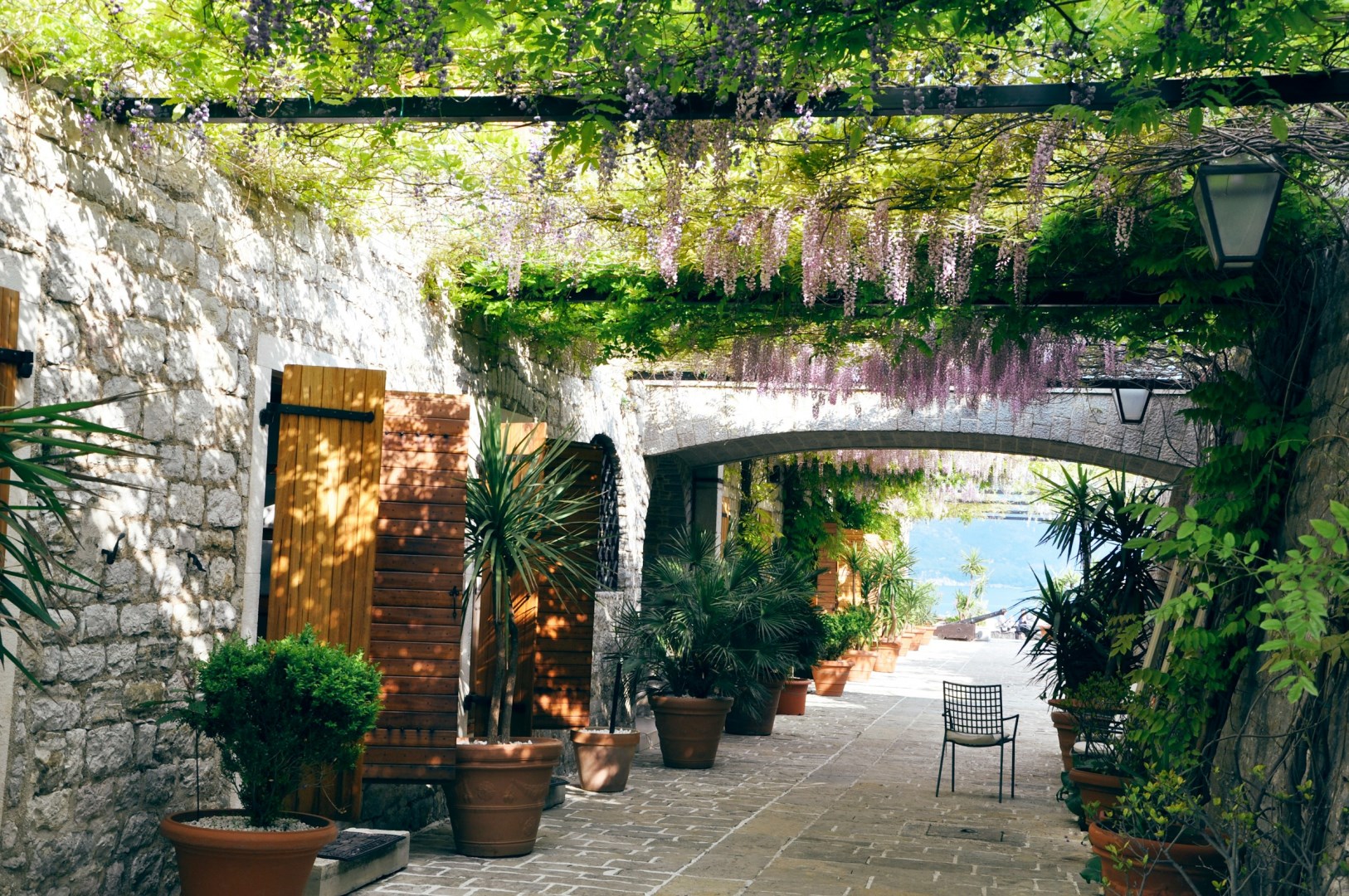
Budva
Budva is a coastal town in southwestern Montenegro, set beside the Adriatic Sea and surrounded by limestone hills. Its Old Town occupies a small fortified peninsula, with narrow stone streets, historic buildings, churches, and squares enclosed by defensive walls. Outside the walls, Budva extends along a busy waterfront with beaches, hotels, restaurants, and a marina.
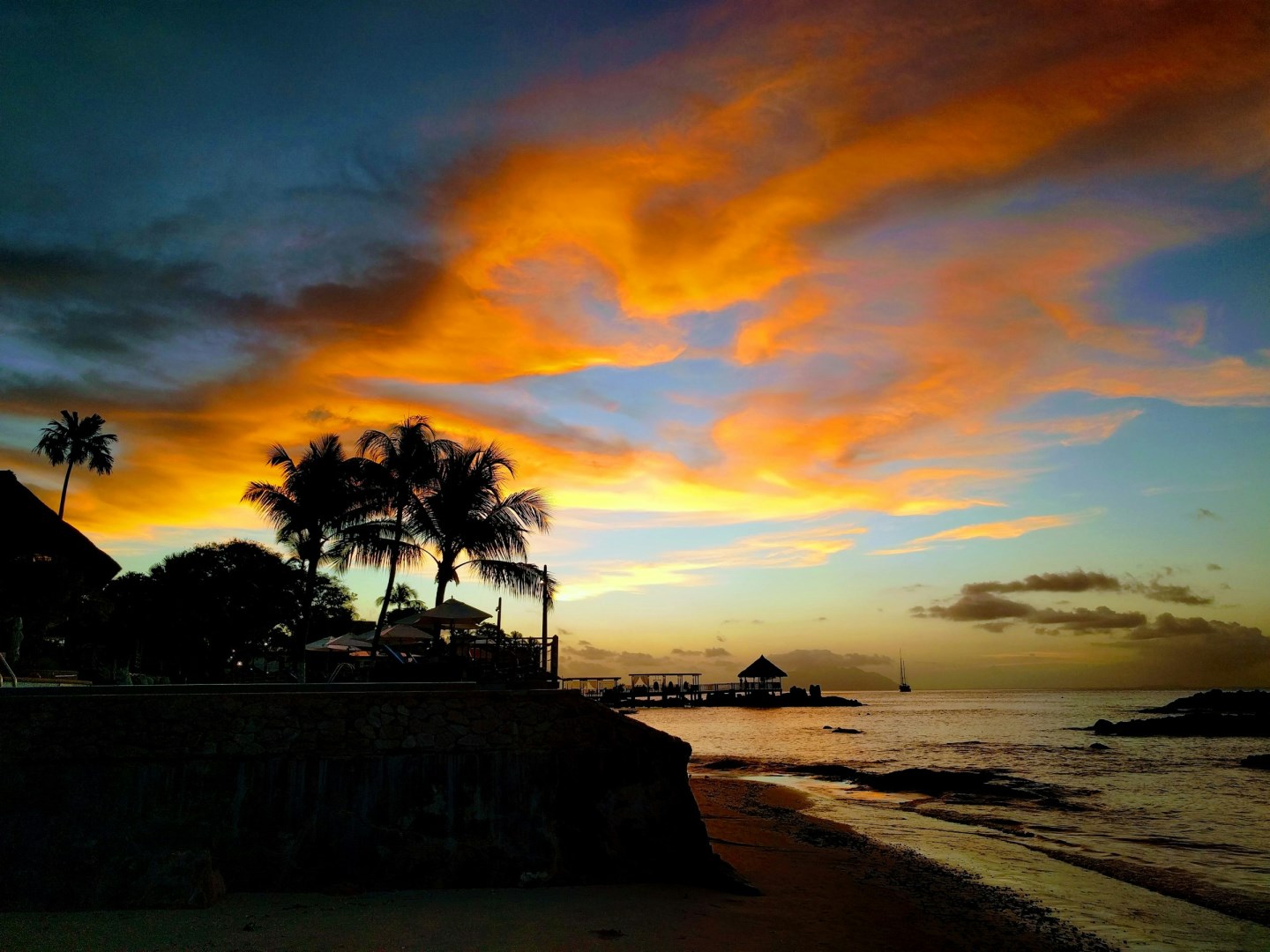
Bel Ombre
Bel Ombre is a coastal village and rural district on the southwestern side of Mauritius, set between the Indian Ocean and the forested slopes of the Black River Gorges. The area is known for its combination of sugar-growing land, native forest, rivers, and a sheltered lagoon. Much of the surrounding landscape forms part of the wider Bel Ombre estate, where agriculture has gradually been joined by conservation and tourism.
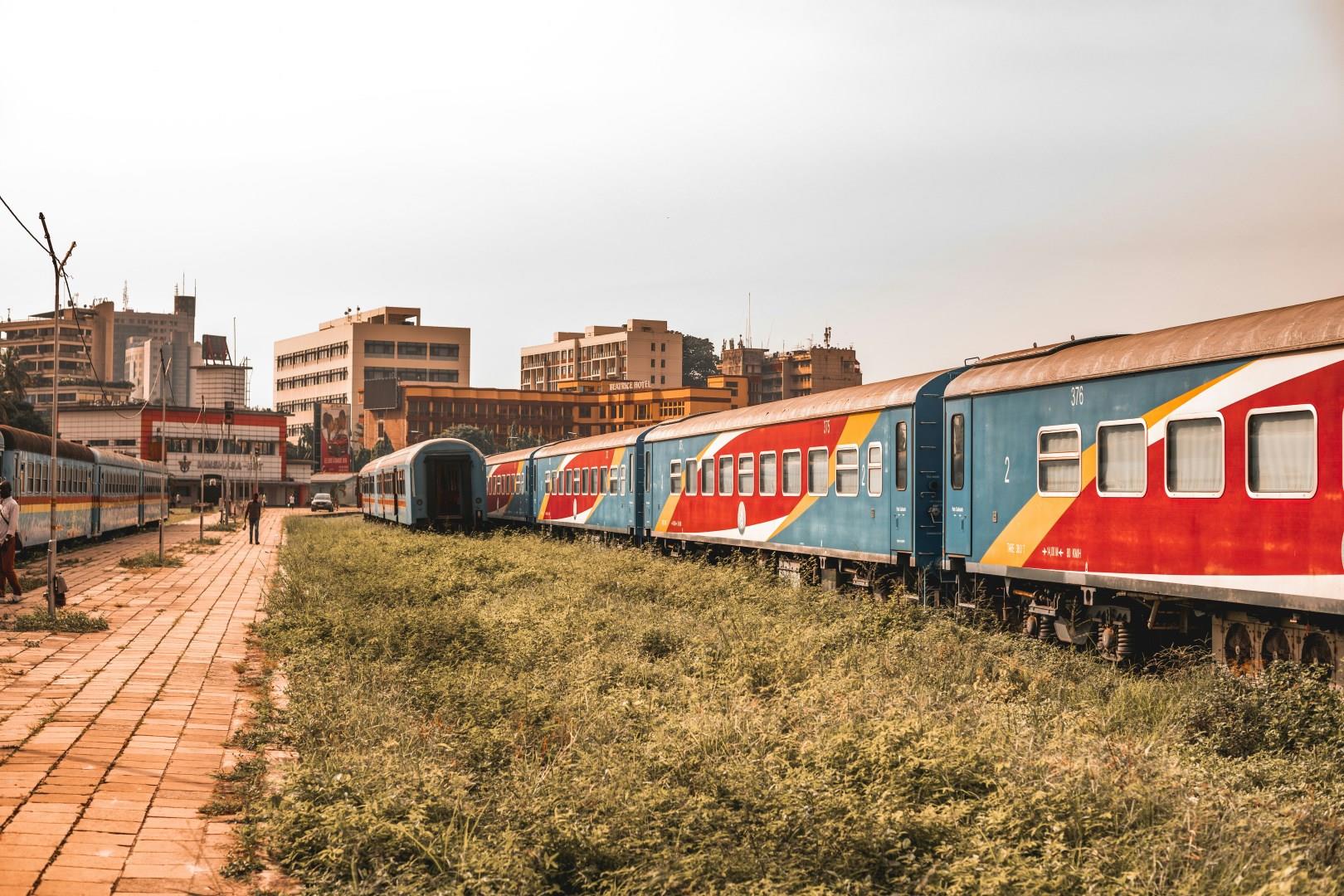
Kinshasa
Kinshasa, the capital of the Democratic Republic of the Congo, is one of Africa’s most vibrant and unpredictable cities. Sprawling along the banks of the Congo River, it’s the third-largest city on the continent and pulses with music, art, and personality at every turn. Across the river lies Brazzaville, making Kinshasa part of the only pair of national capitals facing each other across a single waterway.
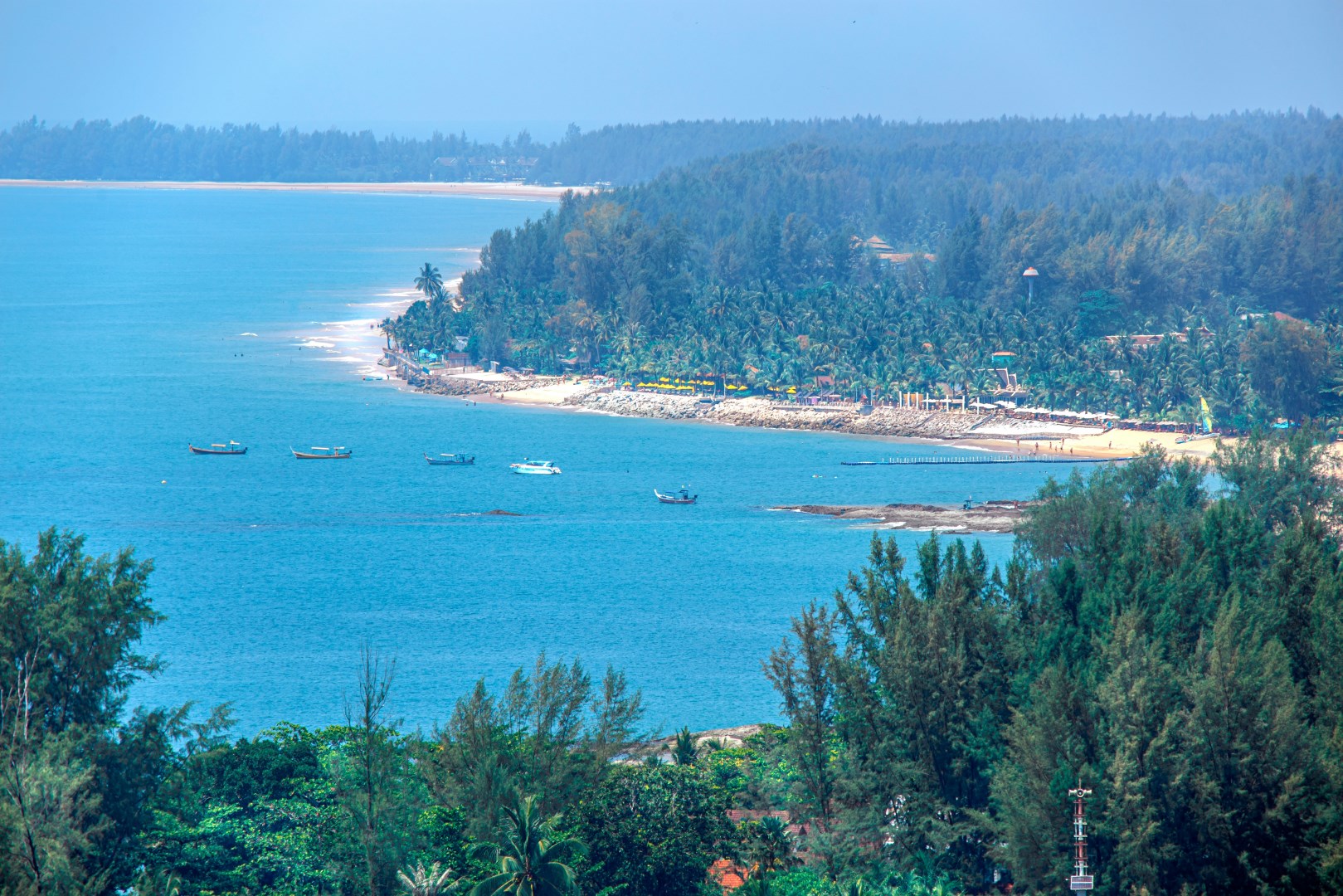
Khao Lak
Khao Lak rests quietly along Thailand’s Andaman coastline, about an hour north of Phuket, yet it feels worlds apart. This stretch of shoreline runs for miles, with wide sandy beaches that often seem almost untouched. The name itself comes from the nearby mountain that rises behind the coast, giving the area a dramatic backdrop where forest meets sea.
