
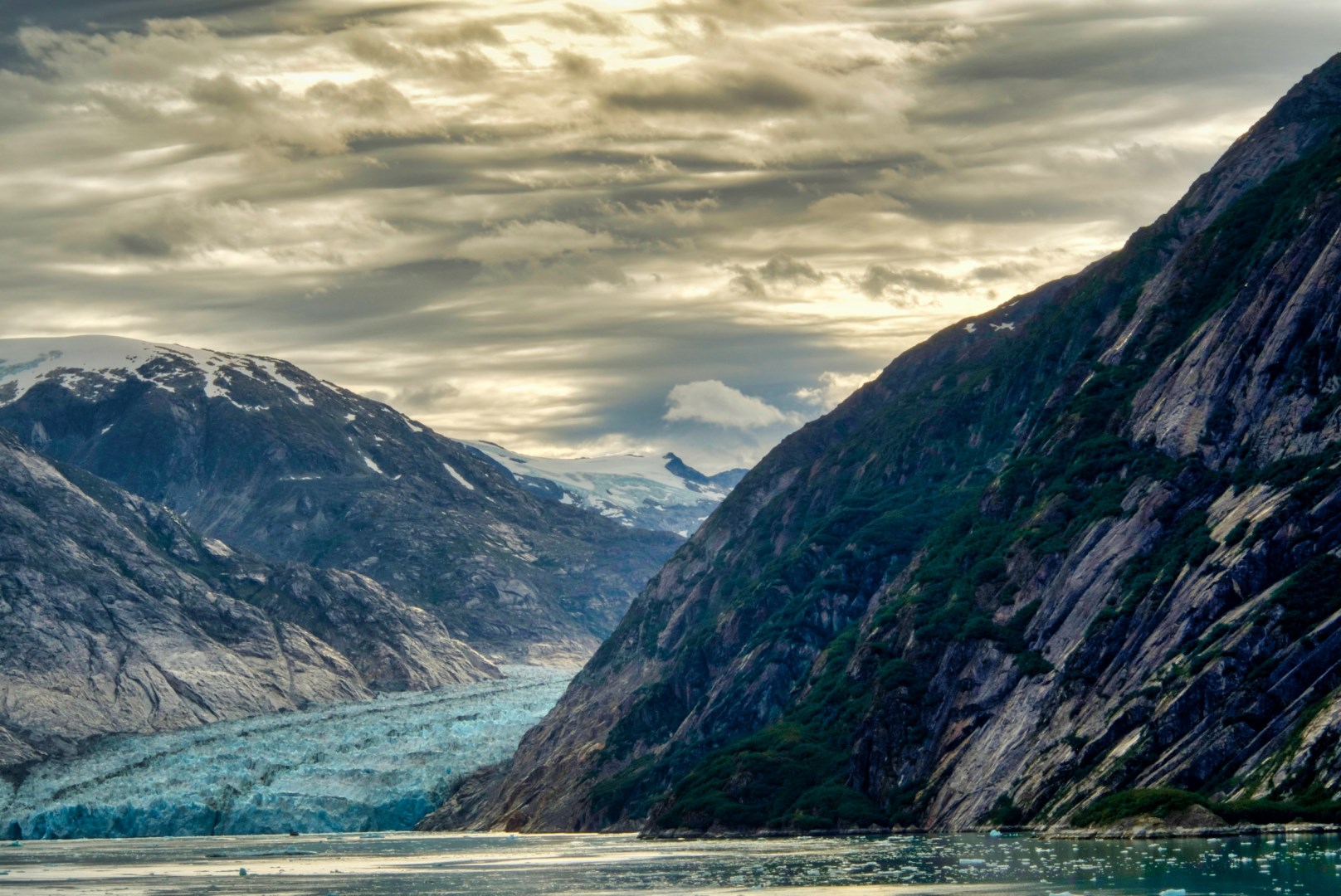
Endicott Arm
Whether witnessing the thunderous calving of Dawes Glacier, spotting orcas gliding through the water, or simply taking in the serenity of the fjord, a journey through Endicott Arm is a remarkable encounter with one of Alaska’s most stunning landscapes.
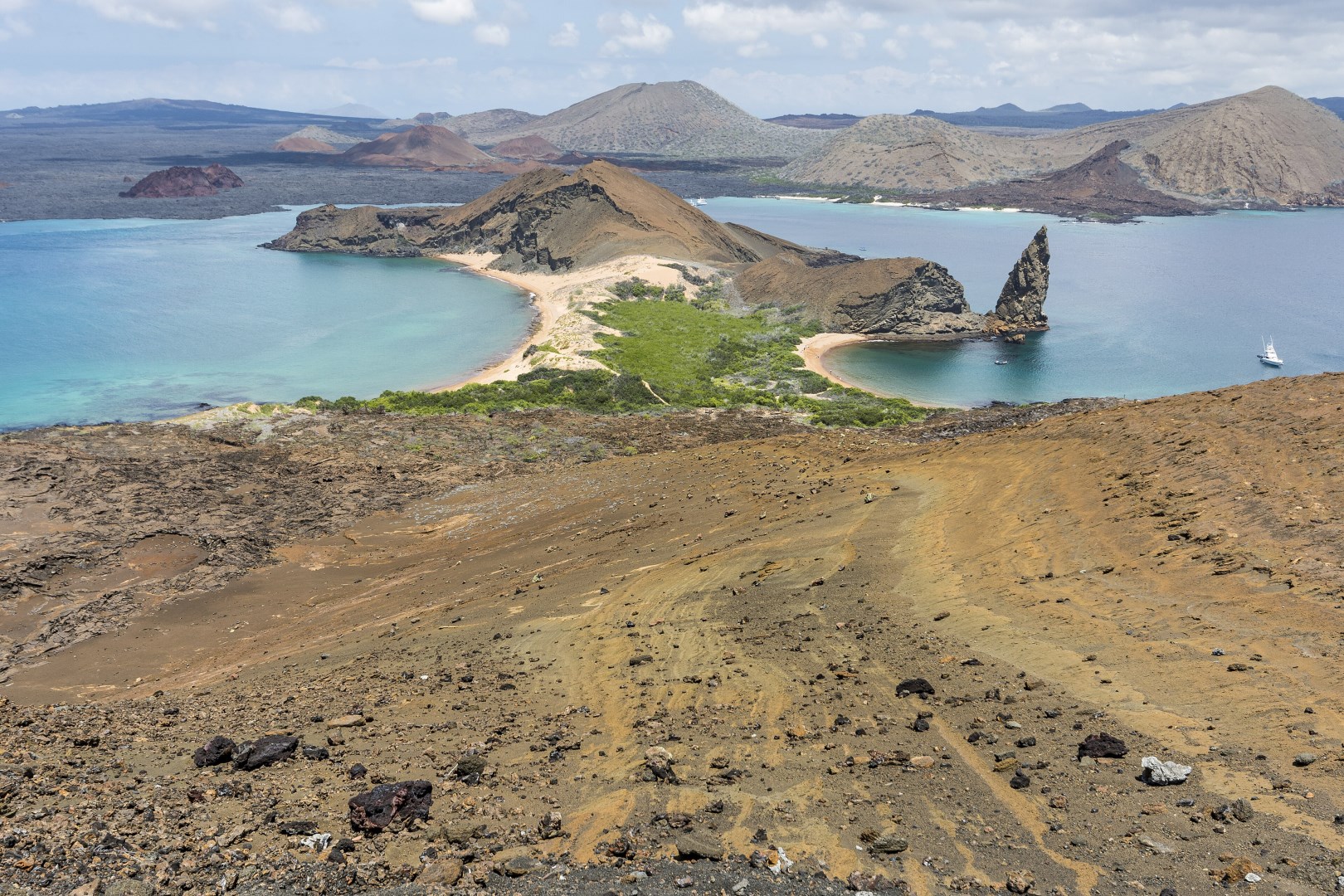
Bartolomé Island
Bartolomé Island, one of the most iconic destinations in the Galápagos archipelago, is known for its dramatic volcanic landscape and the postcard-perfect view from its summit. Just off the east coast of Santiago Island, this uninhabited islet draws visitors for its unique terrain with lava flows, spatter cones, and a rust-colored cinder cone that rises sharply above the sea.
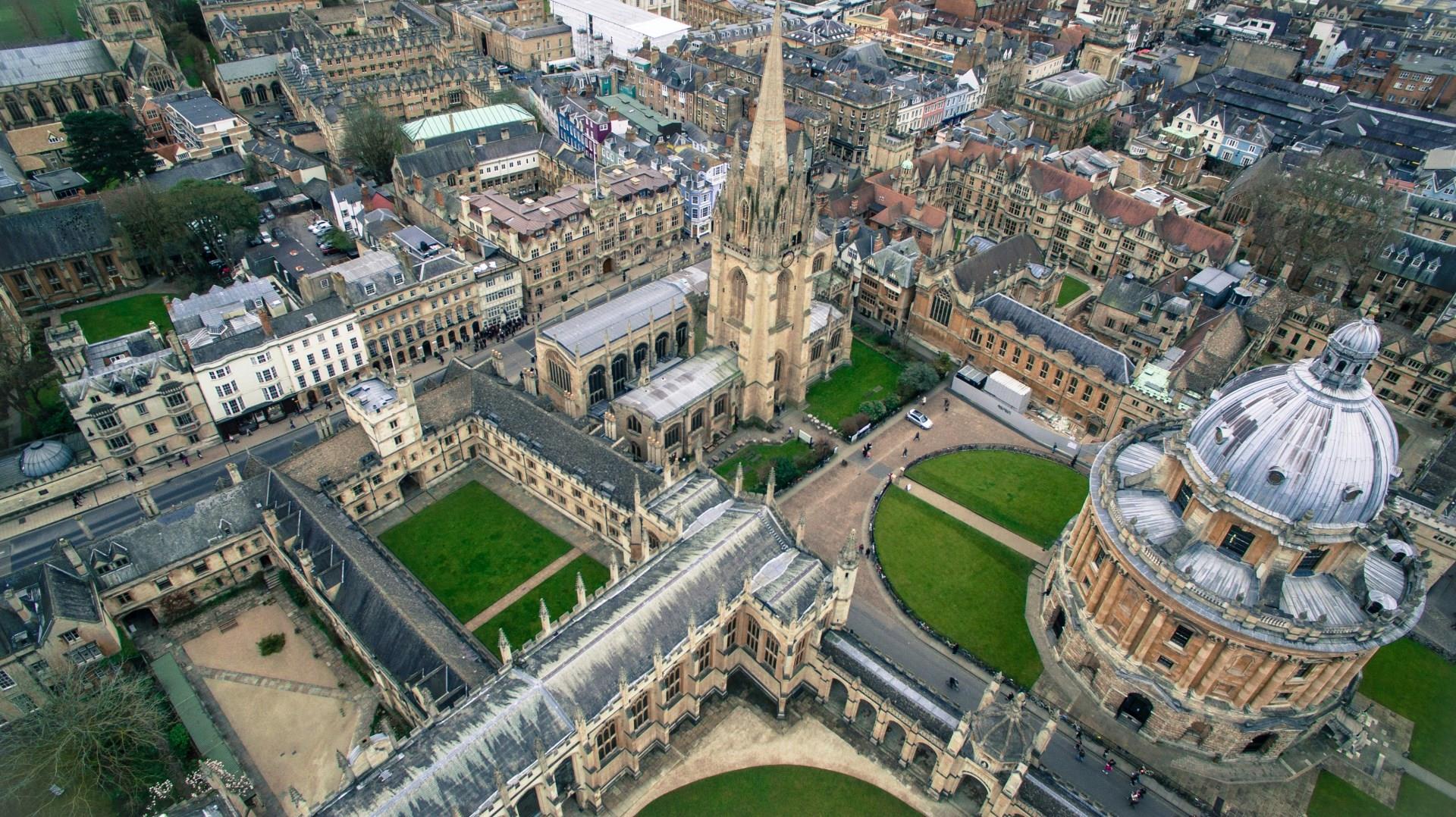
Oxford
Oxford is best known for its world-famous university, but the city offers much more than historic college halls and ivory towers. Its skyline, shaped by spires and domes, hints at centuries of intellectual life. The University of Oxford dates back to at least the 12th century and includes iconic buildings like the Bodleian Library, one of the oldest libraries in Europe, and the Radcliffe Camera, a circular reading room that looks more like a cathedral than a place for quiet study.

Doubtful Fjord
Doubtful Fjord (Doubtful Sound) is a large fjord in southwestern New Zealand, in the same region as the smaller but better known Milford Sound. It is home to an unusually large population of bottlenose dolphins, as well as a variety of birds, fur seals, penguins, and often even humpback whales.

Warsaw
Warsaw stands as one of Europe’s most resilient cities, having rebuilt itself almost entirely after World War II. The Old Town, meticulously reconstructed using paintings by Italian artist Bernardo Bellotto, feels centuries old but is, in fact, less than a hundred years in its current form. Behind the medieval facades lie stories of uprisings, resistance, and quiet defiance. Visitors walking through Castle Square can enter the Royal Castle, where Poland’s Constitution of May 3, 1791 was adopted.
