
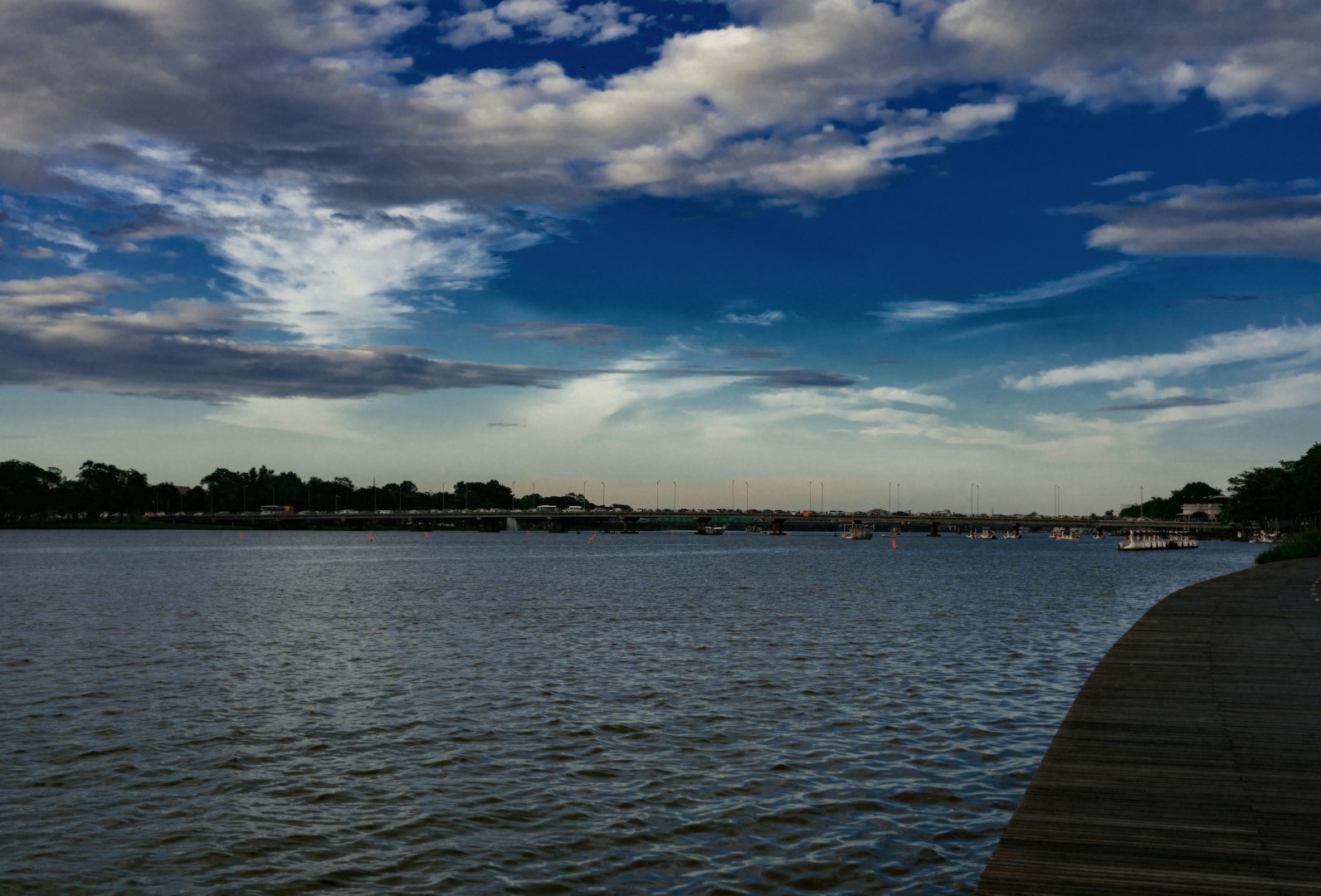
Perfume River
The Perfume River flows through Hue in central Vietnam, linking the city's historic districts with the surrounding countryside before reaching the Tam Giang–Cau Hai lagoon system. The river is a defining feature of Hue's landscape, passing beneath bridges, alongside gardens, and past important imperial and religious landmarks.
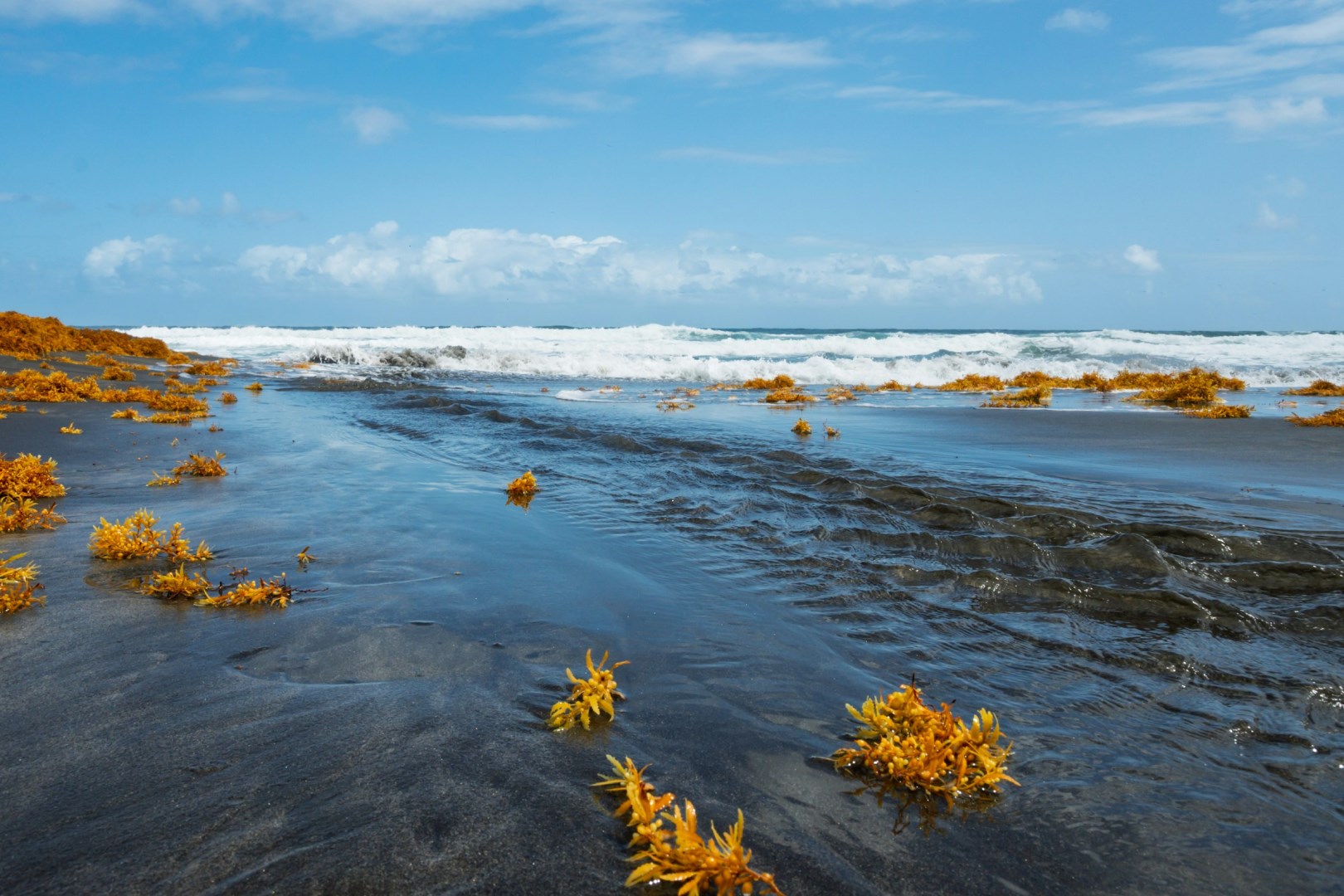
Rosalie
Rosalie is a small coastal community on the southeastern side of Dominica, where the Rosalie River reaches the Atlantic Ocean. The village lies within a landscape of steep forested hills, river valleys, and rocky coastline, with the surrounding area forming part of Dominica’s lush eastern interior. Rosalie is particularly associated with the Rosalie Bay area, where the river, rainforest, and ocean meet.

Andorra
Nestled high in the Pyrenees between France and Spain, Andorra is a hidden gem that beckons nature lovers, adventure seekers, and history enthusiasts alike. This tiny principality, known for its dramatic mountainous landscapes, offers world-class skiing at resorts like Grandvalira and Vallnord, making it a winter sports haven. In the warmer months, hiking trails open up, providing access to pristine valleys, glacial lakes, and panoramic vistas that seem to stretch forever.
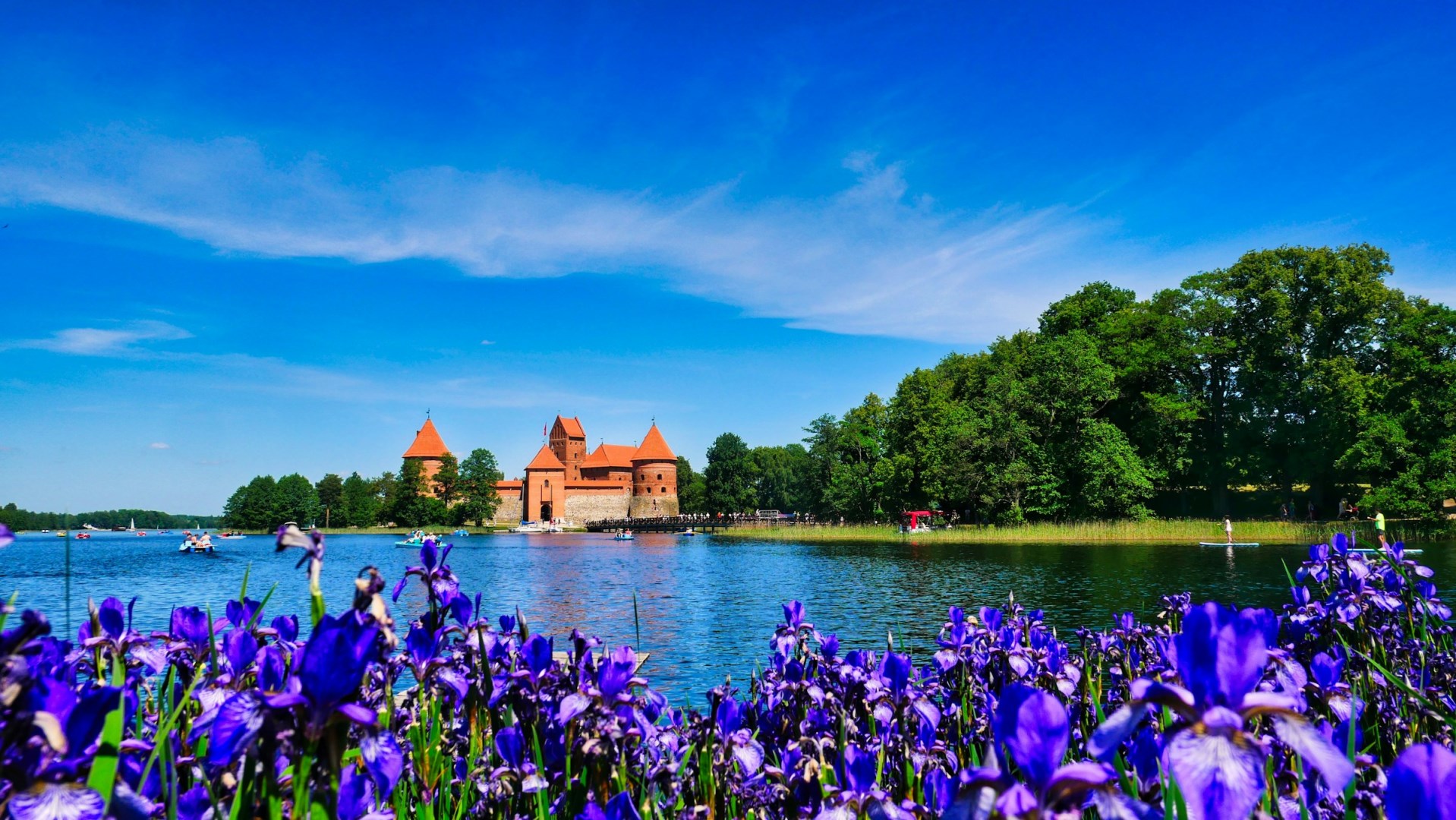
Trakai
Trakai is a small historic town west of Vilnius, surrounded by lakes and wooded landscapes in southeastern Lithuania. Its most recognizable landmark is Trakai Island Castle, a red-brick fortress built on an island in Lake Galvė and connected to the shore by a wooden bridge. The town itself is set between several lakes, including Lake Galvė, Lake Totoriškės, and Lake Luka, giving its streets and waterfront a distinctly waterside setting.
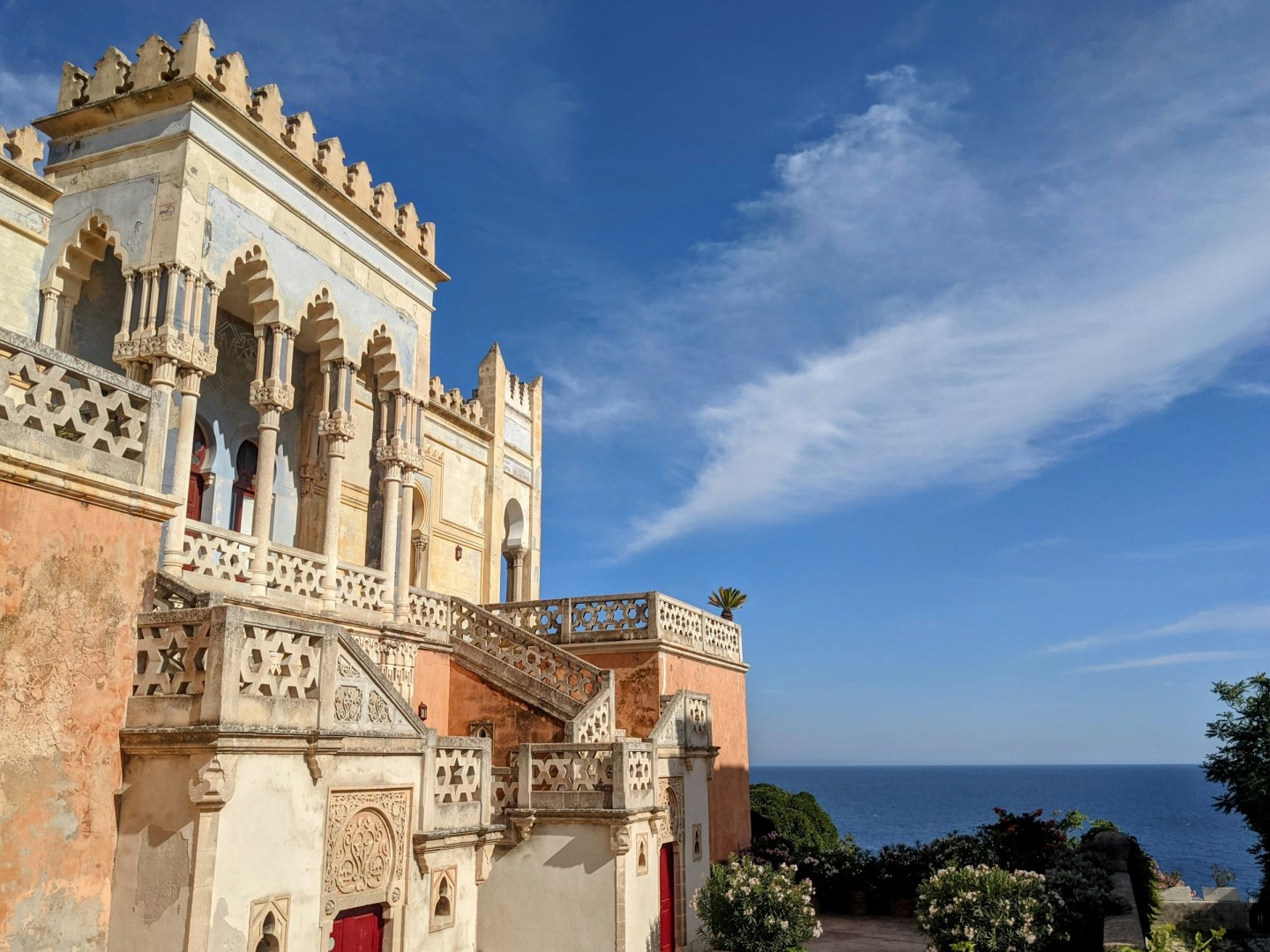
Lecce
Lecce is a city in southern Puglia, at the center of the Salento peninsula, known for its historic buildings made from the region’s soft, honey-colored limestone. The old center contains elaborate churches, palaces, courtyards, and narrow streets, many decorated with carved columns, figures, floral motifs, and other details associated with Lecce Baroque. Piazza del Duomo and Piazza Sant’Oronzo form two of the city’s principal public spaces, while the Roman amphitheater remains visible at the hea
