
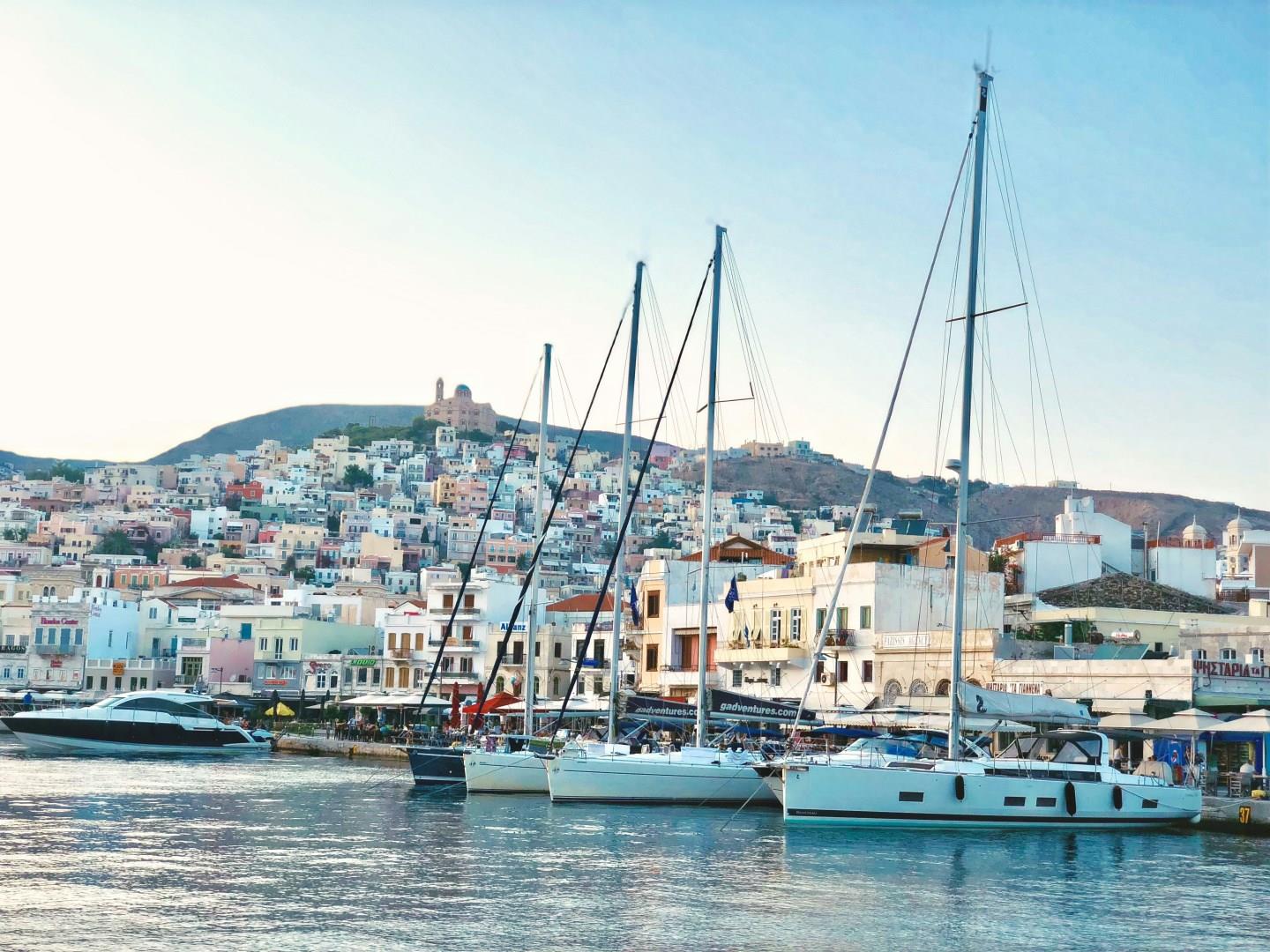
Syros
Syros, the capital of the Cyclades, stands apart from its island neighbors with its blend of neoclassical architecture, Orthodox and Catholic traditions, and year-round local life. Ermoupoli, the main town, was once a thriving 19th-century port and still displays its legacy through grand mansions, marble-paved squares, and the imposing Apollo Theater which was designed by an Italian architect and often referred to as a miniature La Scala.
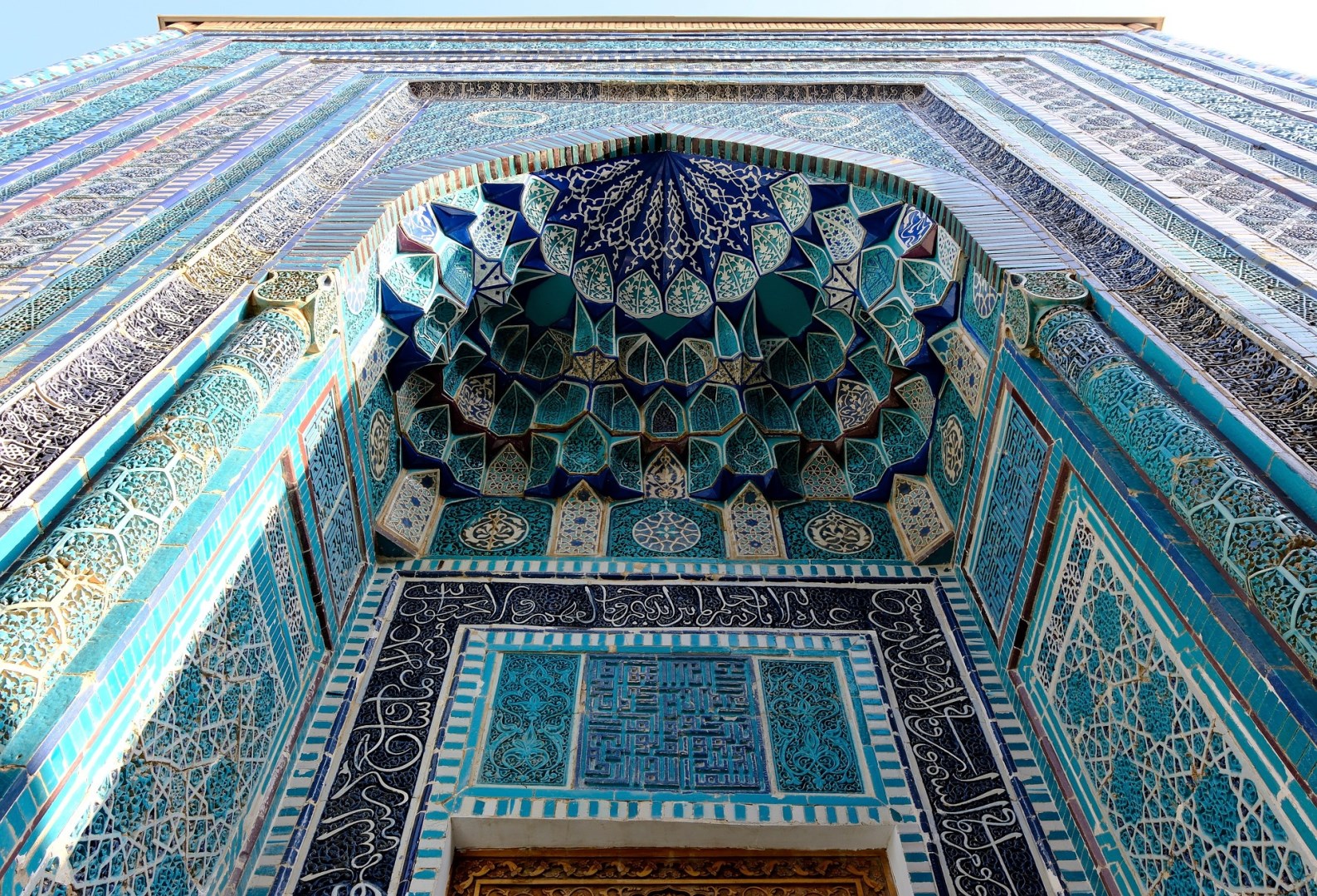
Tashkent
Tashkent, the capital of Uzbekistan, lies at the crossroads of Central Asia and has long been a hub of culture, trade, and political life. Its history stretches back over two millennia, shaped by Persian, Mongol, and Russian influences.

Ol Doinyo Lenga
Ol Doinyo Lengai, often called the "Mountain of God," is an active volcano located in northern Tanzania and is a must-visit for adventurous travelers. Towering over the Great Rift Valley, this majestic peak is unique due to its lava composition. Unlike most volcanoes that produce molten lava, Ol Doinyo Lengai emits natrocarbonatite lava, which is unusually cool and flows like water. This rare phenomenon makes it one of the most intriguing volcanic landscapes on Earth.
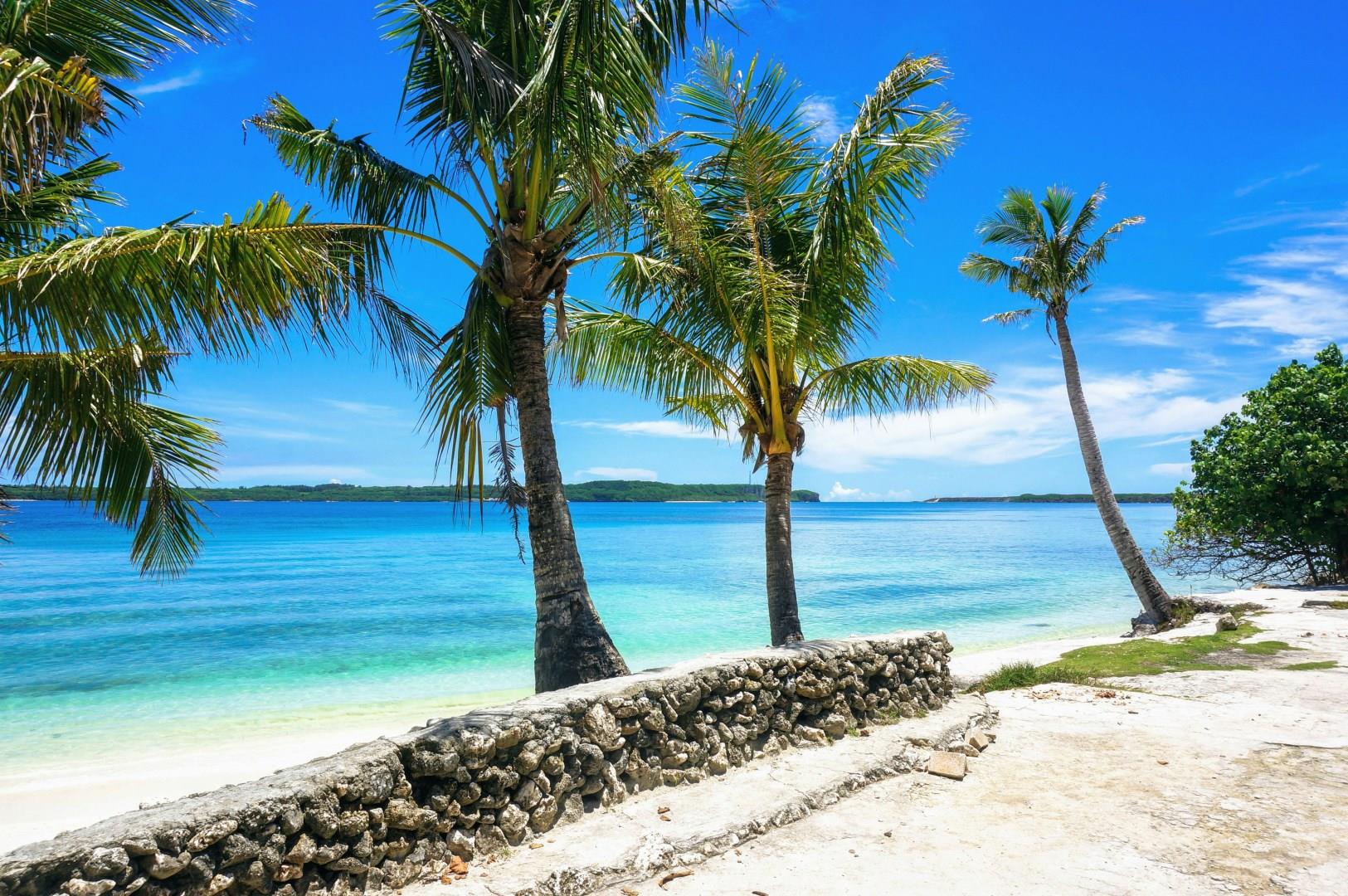
Guam
Guam, a vibrant island territory in the Western Pacific, offers travelers more than just sandy beaches and turquoise water. As the largest island in Micronesia, Guam has a dynamic past that’s shaped its present. Evidence of ancient Chamorro settlements can be found at sites like Latte Stone Park, where limestone pillars dating back over a thousand years stand tall.
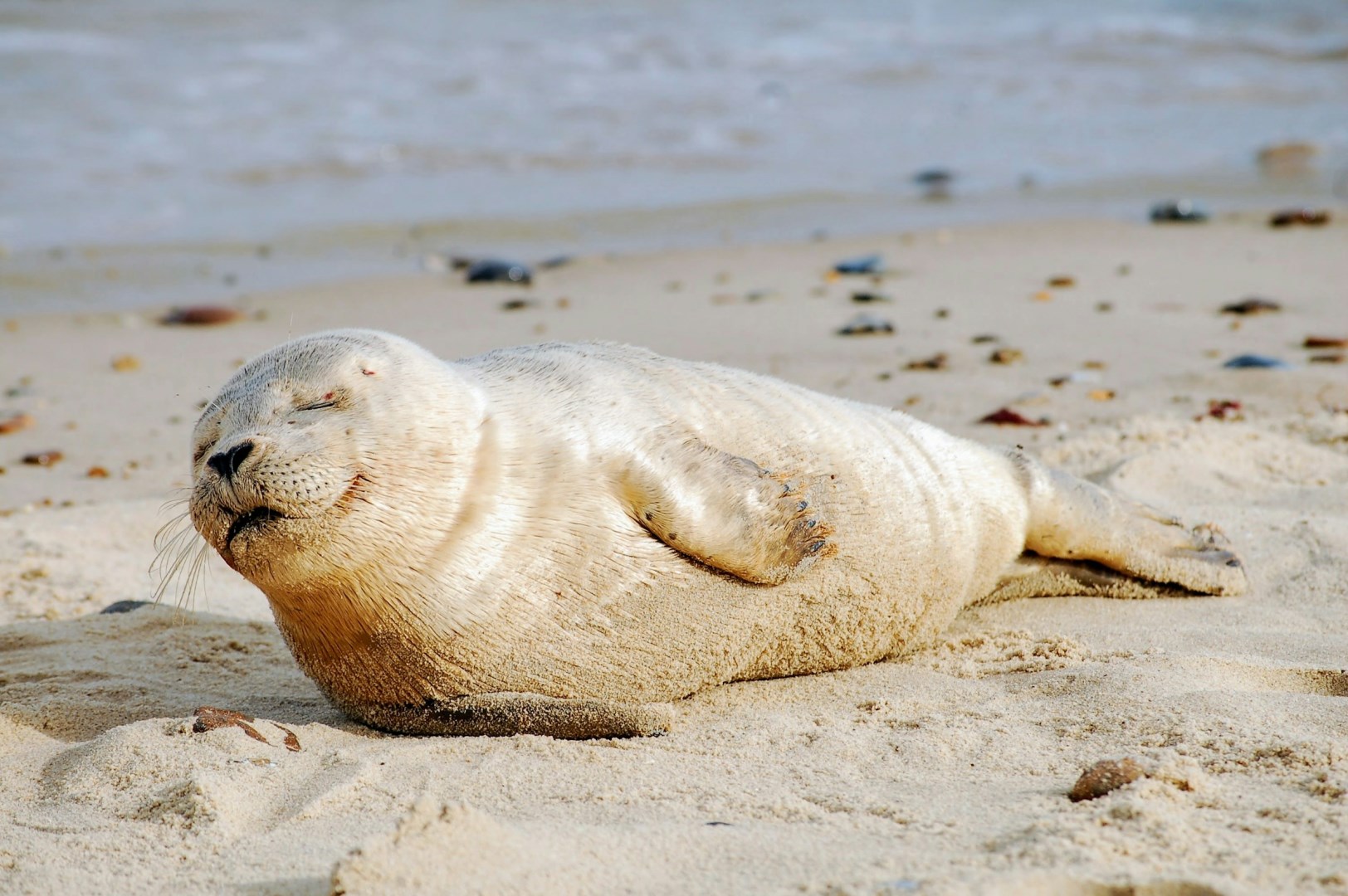
Great Yarmouth
Great Yarmouth is a coastal town in Norfolk, eastern England, positioned where the North Sea meets the River Yare and the Broads. Its long sandy coastline and broad seafront have shaped the town's identity as a major seaside resort, while the harbour and waterfront retain strong links to fishing and maritime trade.
