

Oaxaca
Oaxaca, nestled in the heart of southern Mexico, is a city where ancient traditions and vibrant culture thrive. Renowned for its rich history and indigenous heritage, Oaxaca offers a unique blend of pre-Columbian, colonial, and modern influences. The city's historic center, a UNESCO World Heritage site, is a testament to its past, featuring stunning colonial architecture such as the Santo Domingo de Guzmán Church, a masterpiece of Baroque art.
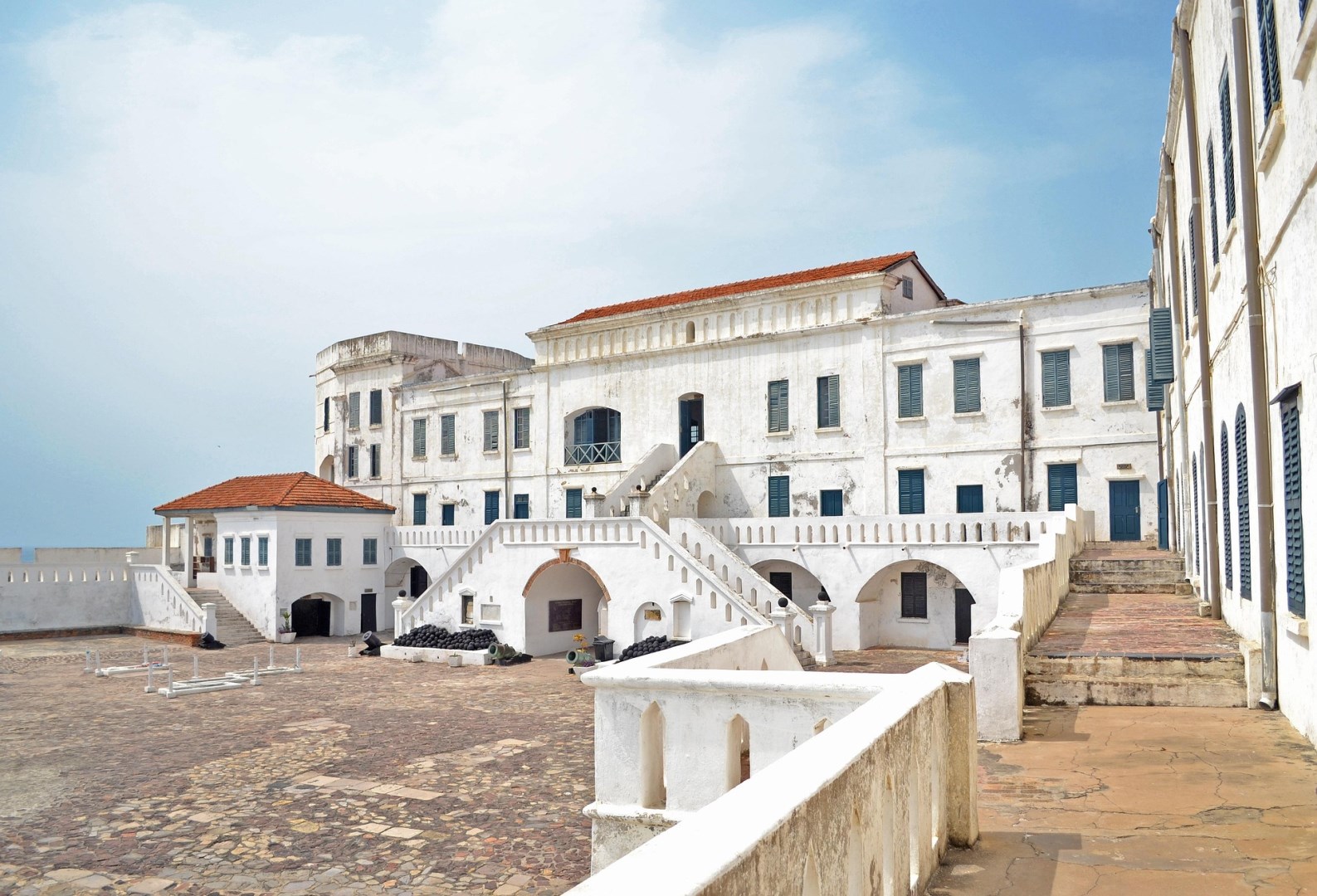
Cape Coast
Cape Coast is a historic coastal city in Ghana’s Central Region, positioned along the Gulf of Guinea west of Accra. Once an important centre of European trade on the Gold Coast, the city is now known for its historic architecture, fishing communities, beaches, and connection to Ghana’s coastal culture. Cape Coast Castle dominates the waterfront and remains the city’s best-known landmark. The city is also home to the University of Cape Coast and serves as a base for exploring nearby attractions,
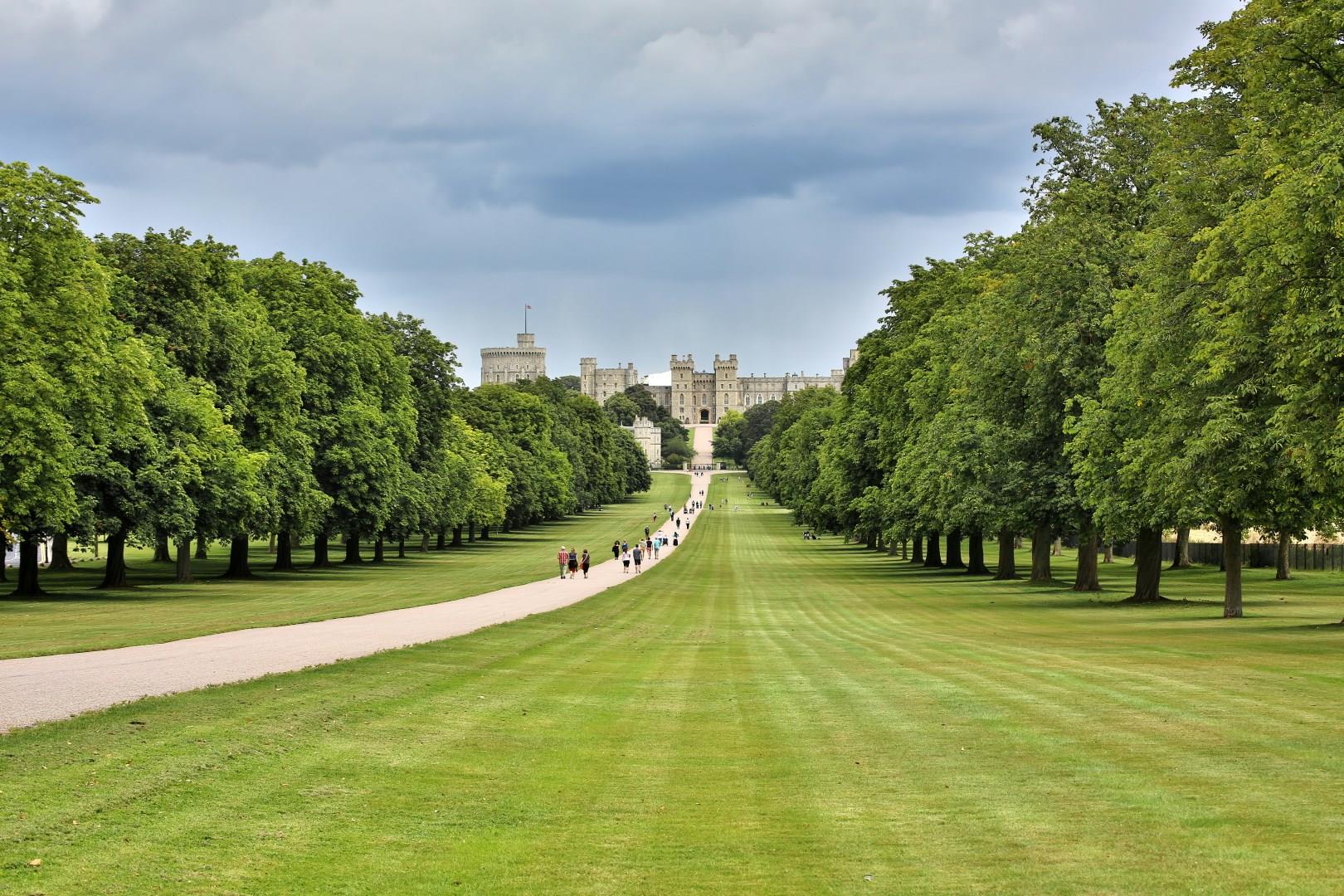
Windsor
Windsor sits along a bend in the River Thames, its identity shaped by nearly a thousand years of royal presence. Windsor Castle, the world’s oldest continuously inhabited royal residence, dominates the town and anchors its historical significance, but the surrounding streets and parks reveal a place that has long supported court life, trade, and everyday routines alongside ceremony.
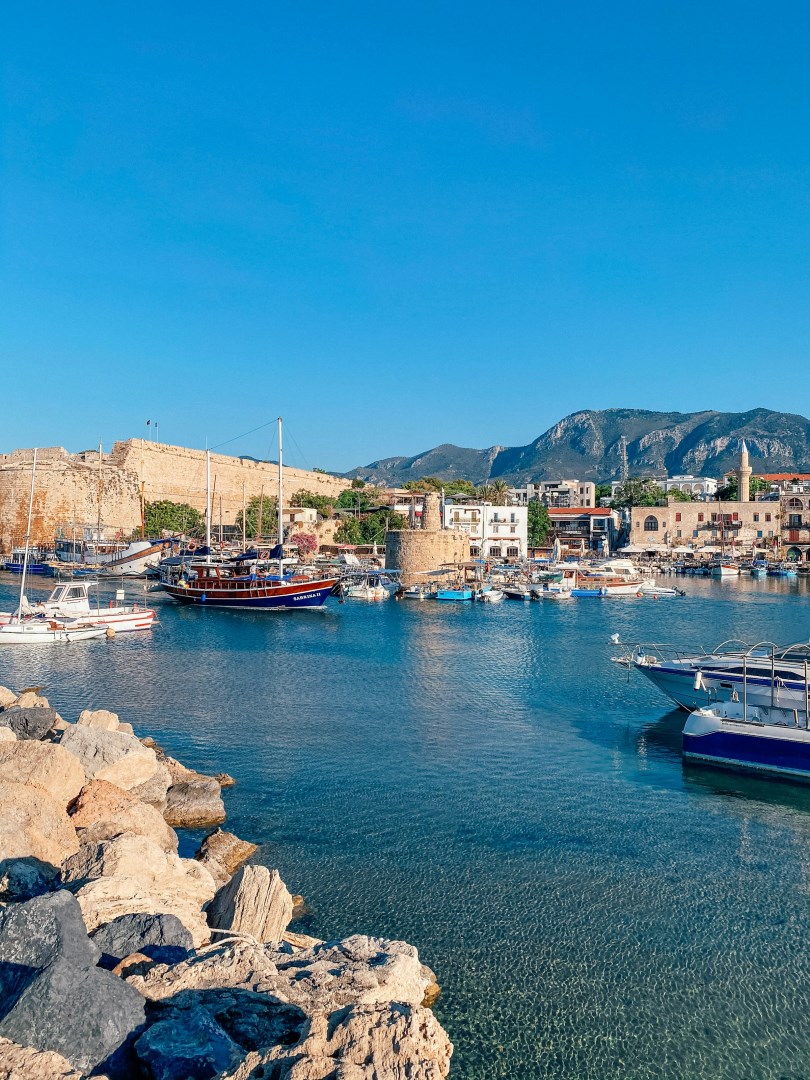
Kyrenia
Kyrenia is a coastal city on the northern shore of Cyprus, set between the Mediterranean Sea and the foothills of the Kyrenia mountain range. Its historic harbor, waterfront promenade, and distinctive medieval castle form the center of the city, while the surrounding coastline includes beaches, rocky coves, and small fishing areas.

Reykjavik
On coastal Iceland, the globe's northernmost capital, Reykjavík, invites visitors to discover its unique charms. Iceland is rife with natural wonders: geysers, geothermic spas, waterfalls and the spectacular Northern Lights. Reykjavik, dating back to 870 AD, offers world-class museums, restaurants, shopping and nightlife.
