
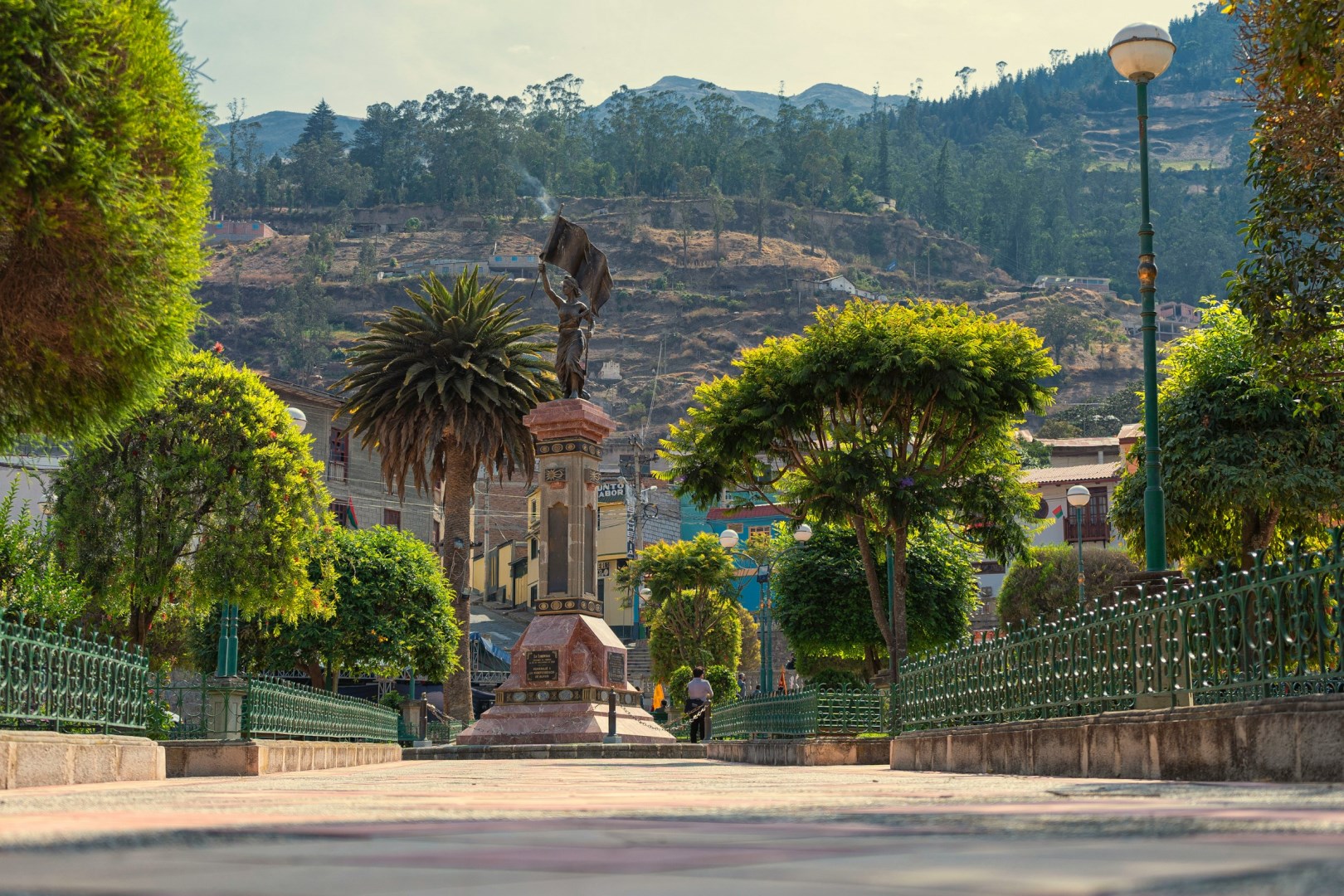
Riobamba
Located roughly in the center of the country, Riobamba is one of Ecuador's largest cities and the starting point of the scenic train ride to Nariz del Diablo (Devil's Nose). The city has a strong indigenous presence, which lends itself well to the open-air artisan market, and plenty of opportunities for mountainous activities such as hiking and mountain biking.
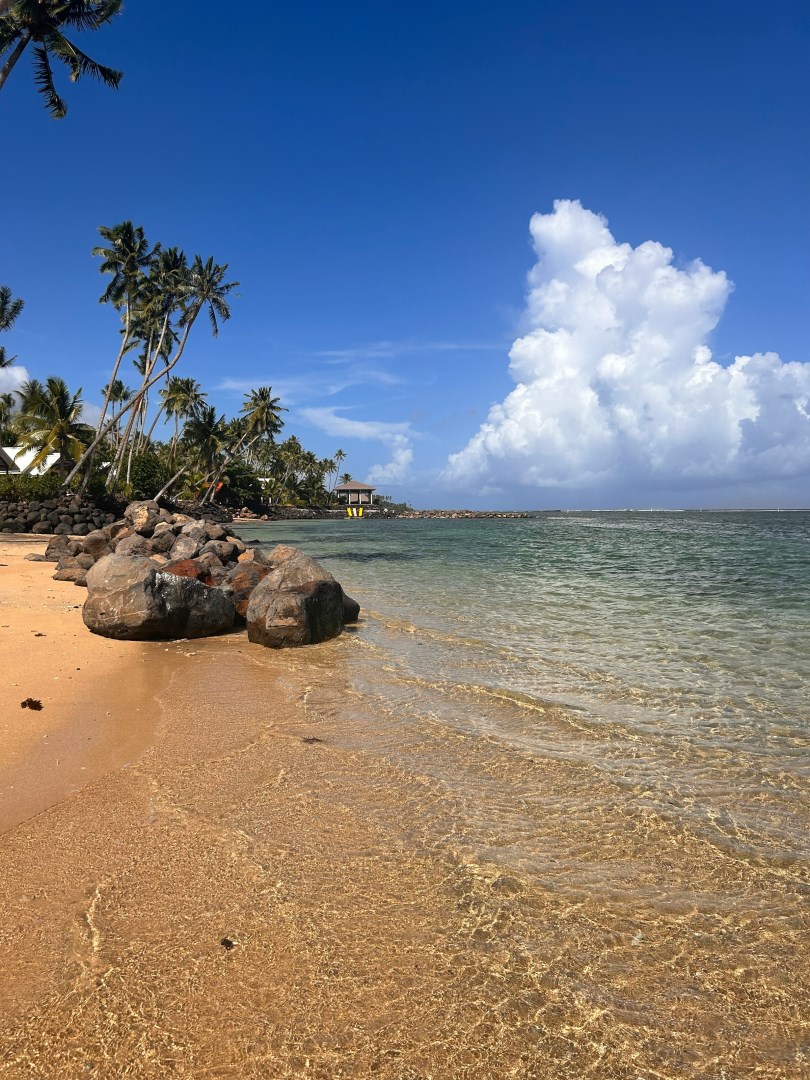
Upolu
Upolu is the more populated of Samoa’s two main islands and is home to Apia, the country’s capital and principal urban center. The island stretches from volcanic mountains in the interior to a deeply indented coastline of bays, beaches, and coral reefs. Lush vegetation covers much of the landscape, with villages, plantations, and gardens occupying the lower slopes and coastal areas.
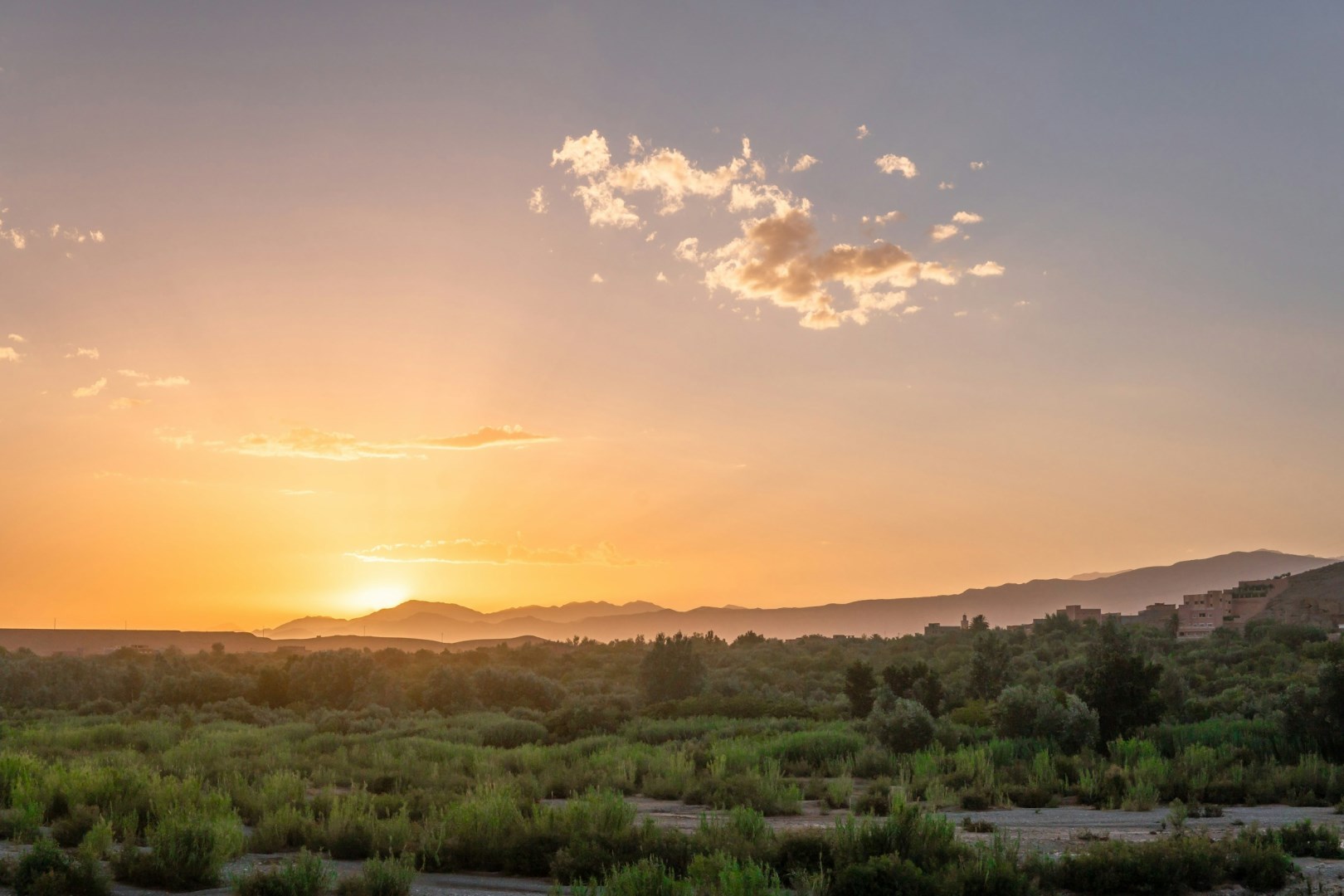
Kalaat M'Gouna
Kalaat M'Gouna is a town in Morocco set in the Valley of Roses between the High Atlas and Jbel Saghro mountain ranges. It lies near the Dadès Valley, where irrigated fields and settlements form green corridors through an otherwise dry, rocky landscape.
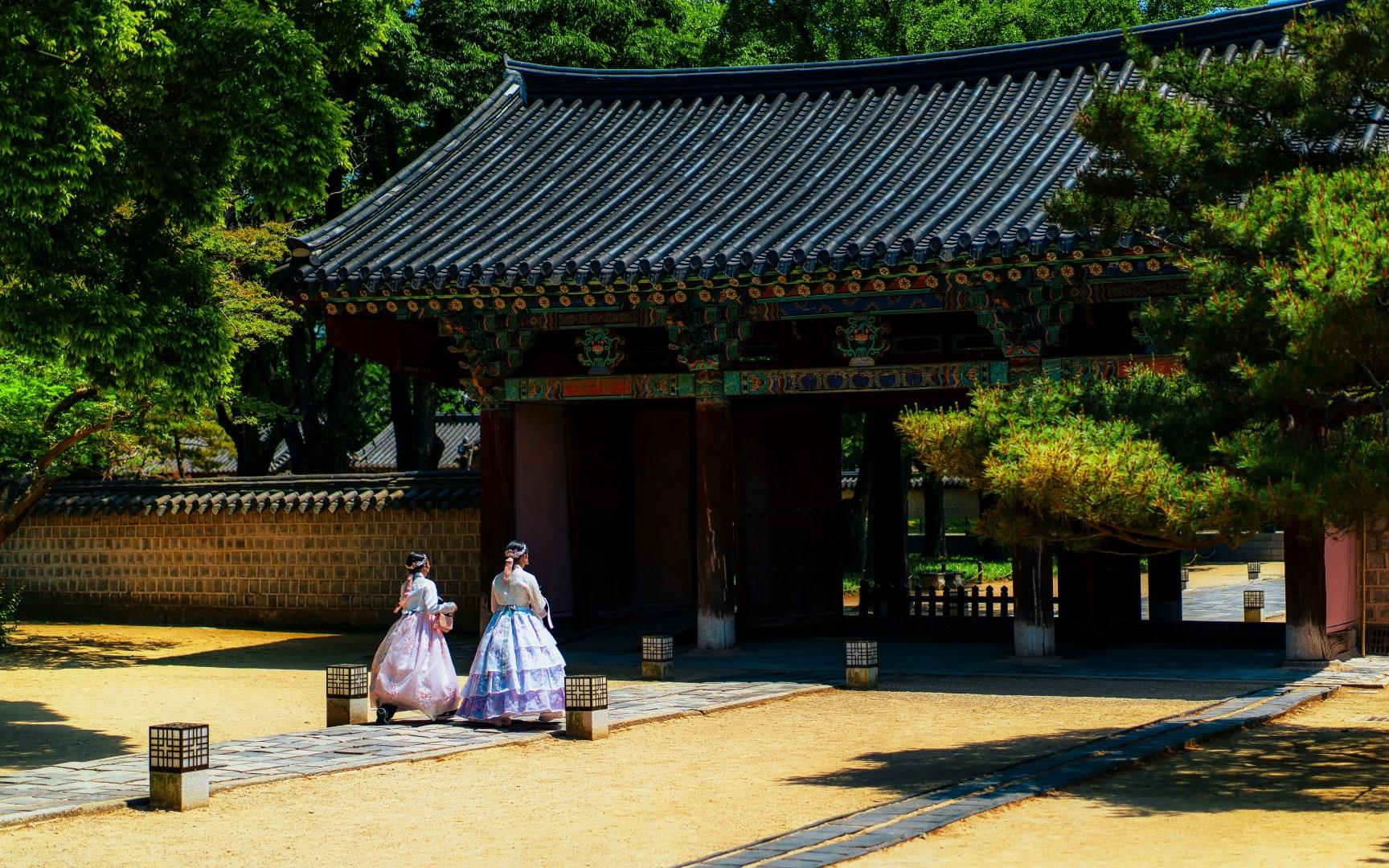
Jeonju-si
Jeonju-si, in South Korea’s North Jeolla Province, is widely associated with preservation rather than spectacle. The city’s identity is closely tied to its role as a former provincial capital during the Joseon Dynasty and as the birthplace of the royal Yi family.
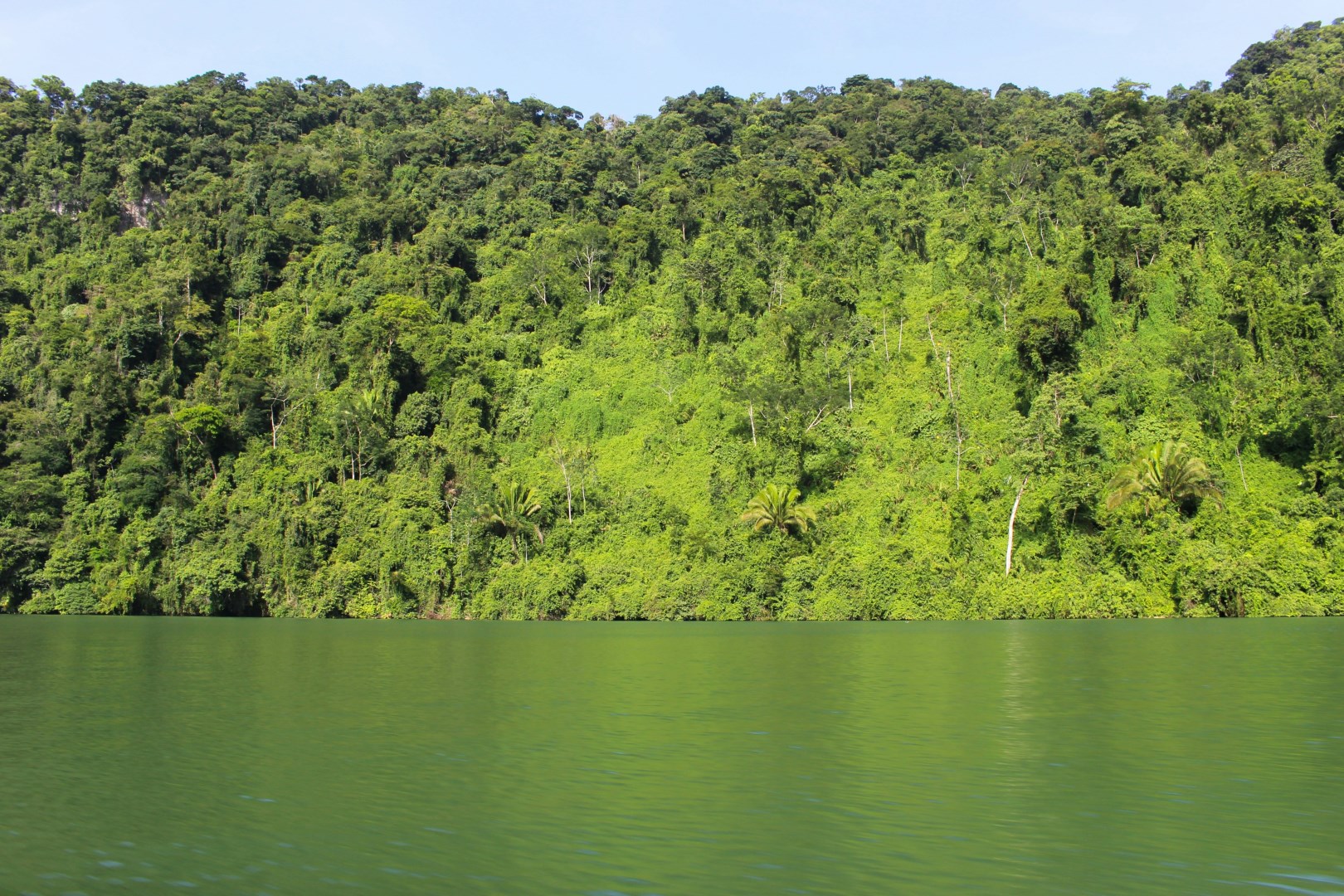
Rio Dulce
Rio Dulce is a river region in eastern Guatemala that connects Lake Izabal to the Caribbean Sea. The area is centered around the town of Fronteras and the long waterway that cuts through tropical forest, limestone cliffs, and wetland habitats.
