
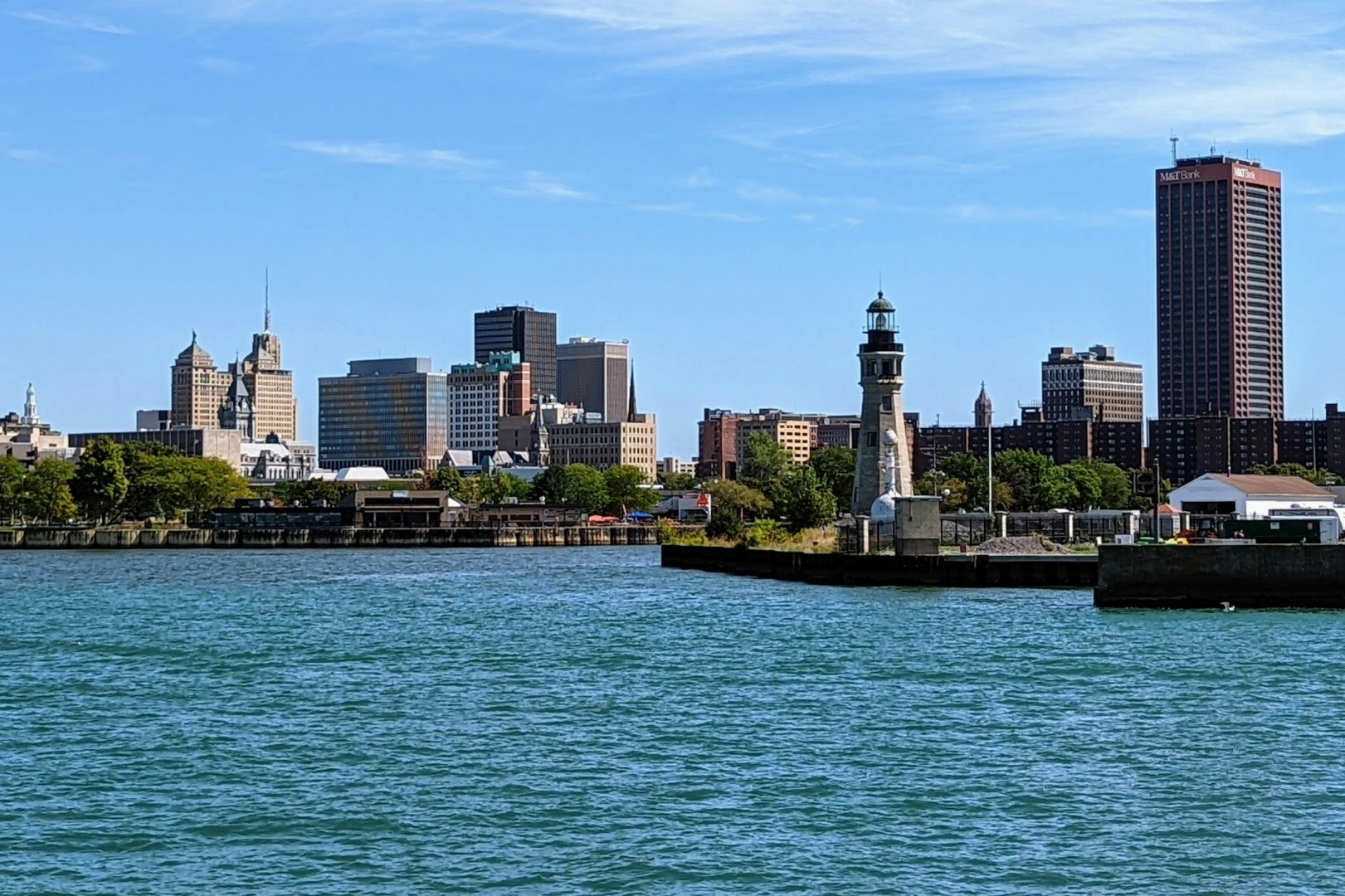
Buffalo
Buffalo, the second-largest city in New York State, sits at the eastern end of Lake Erie where the Niagara River begins its journey toward Niagara Falls. Once a powerhouse of American industry and trade, Buffalo thrived in the 19th and early 20th centuries as a major shipping and manufacturing hub, thanks to its strategic location along the Erie Canal and Great Lakes.

Ghent
If it wasn't for Paris, Ghent would be medieval Europe's largest city. Steeped in history both rebellious and industrious, it sits at the junction of the Leie and Scheldt rivers and was once the site of armed battles by its townsfolk, who raged against heavy taxes and restricted civil liberties.

Bruges
Bruges, often referred to as the "Venice of the North," is a city where medieval charm meets modern allure. Nestled in the heart of Belgium's Flanders region, Bruges is renowned for its well-preserved medieval architecture, winding canals, and cobblestone streets that invite visitors to step back in time.
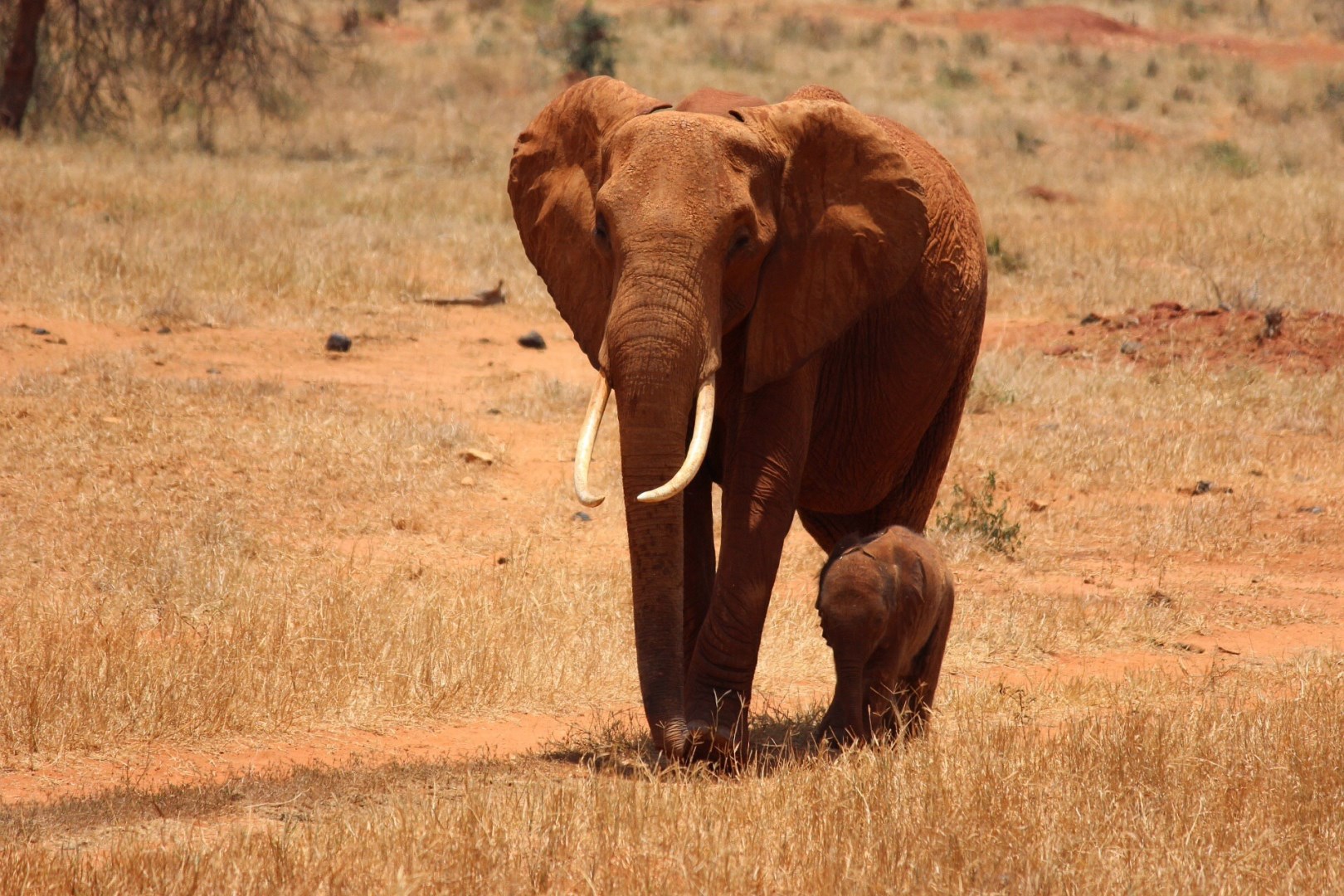
Tsavo National Park
Welcome to...Tsavo National Park, Kenya: Tsavo is crucial to elephant conservation and is home to approximately 12,570 elephants, about one-third of all the elephants in Kenya.
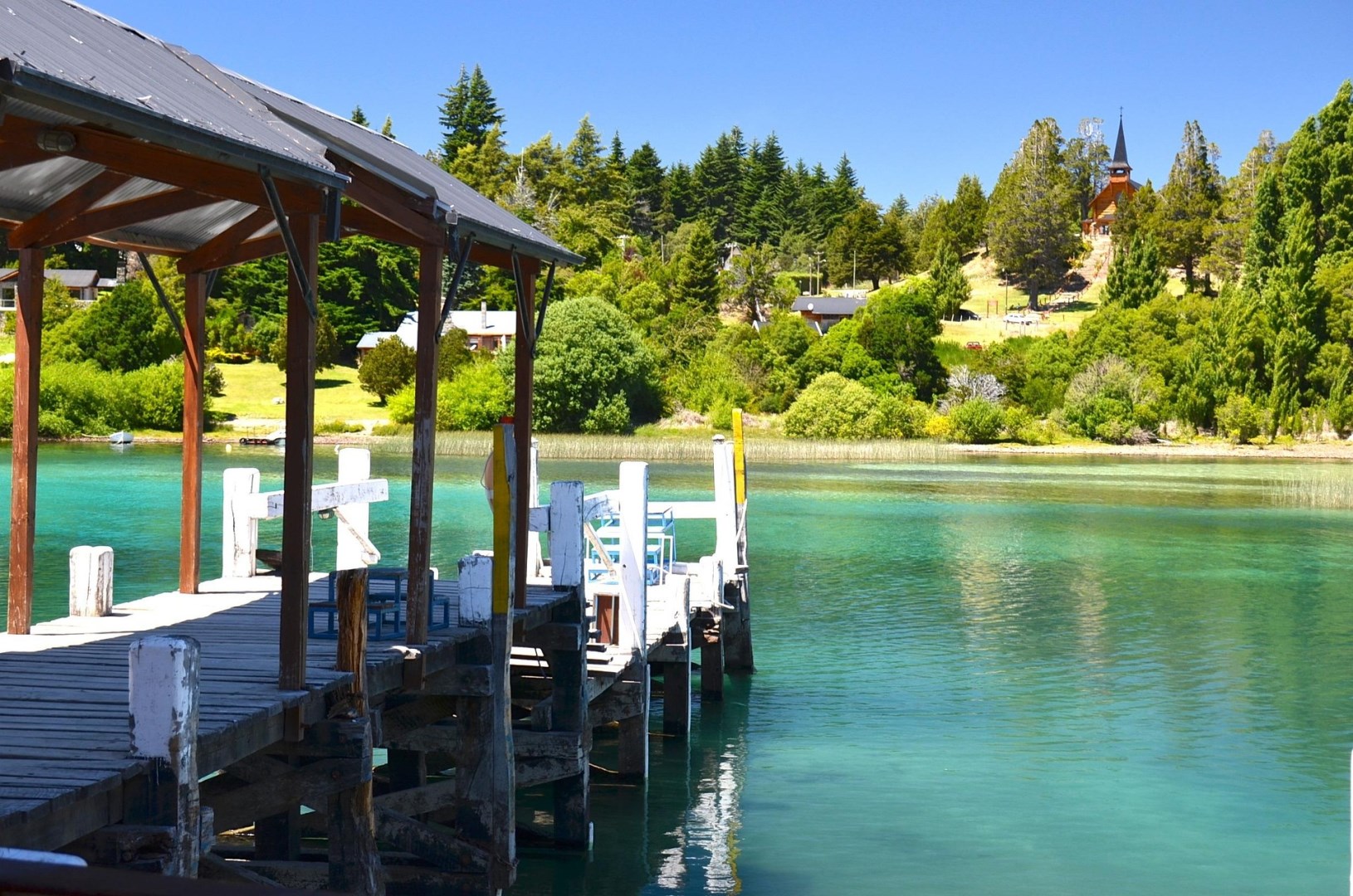
Bariloche
Bariloche, tucked into the foothills of the Andes in Argentina’s Patagonia region, is a town that feels both alpine and uniquely Argentine. With its wooden chalets, Swiss-style architecture, and chocolate shops on every corner, many visitors are surprised to find a lakeside town that resembles parts of Europe. But Bariloche’s identity is all its own, shaped by deep indigenous roots, waves of immigration, and the striking presence of Lake Nahuel Huapi.
