
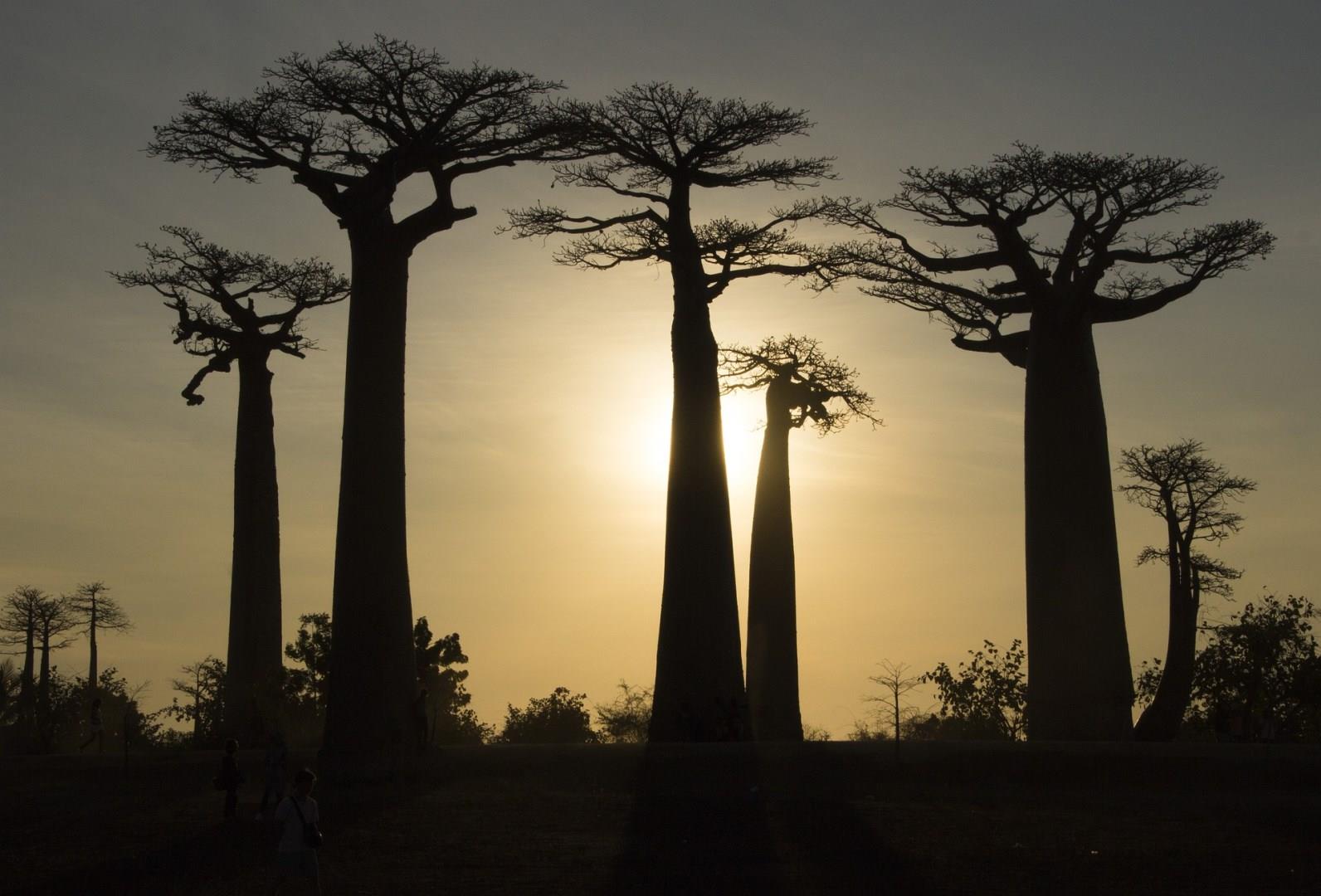
Madagascar
Madagascar, the world’s fourth-largest island, lies off the southeastern coast of Africa and is renowned for its extraordinary biodiversity and unique landscapes. Its rainforests, spiny deserts, and highland plateaus provide habitats for species found nowhere else on Earth.
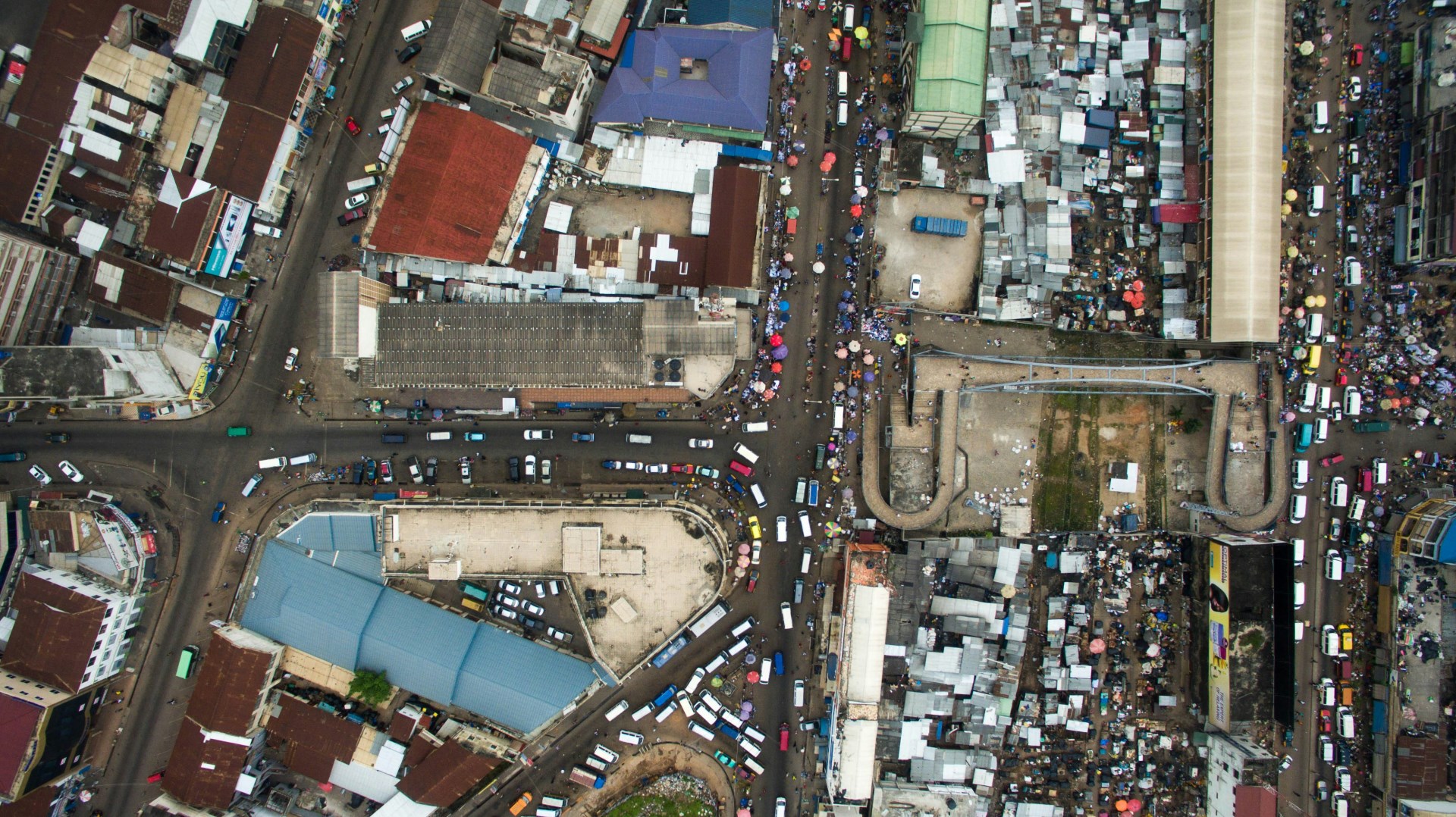
Ashanti Region
The Ashanti Region is located in southern Ghana and is one of the country’s most influential cultural and economic areas. Centered on the city of Kumasi, the region is known as the traditional homeland of the Ashanti people, whose history and institutions continue to shape local identity.
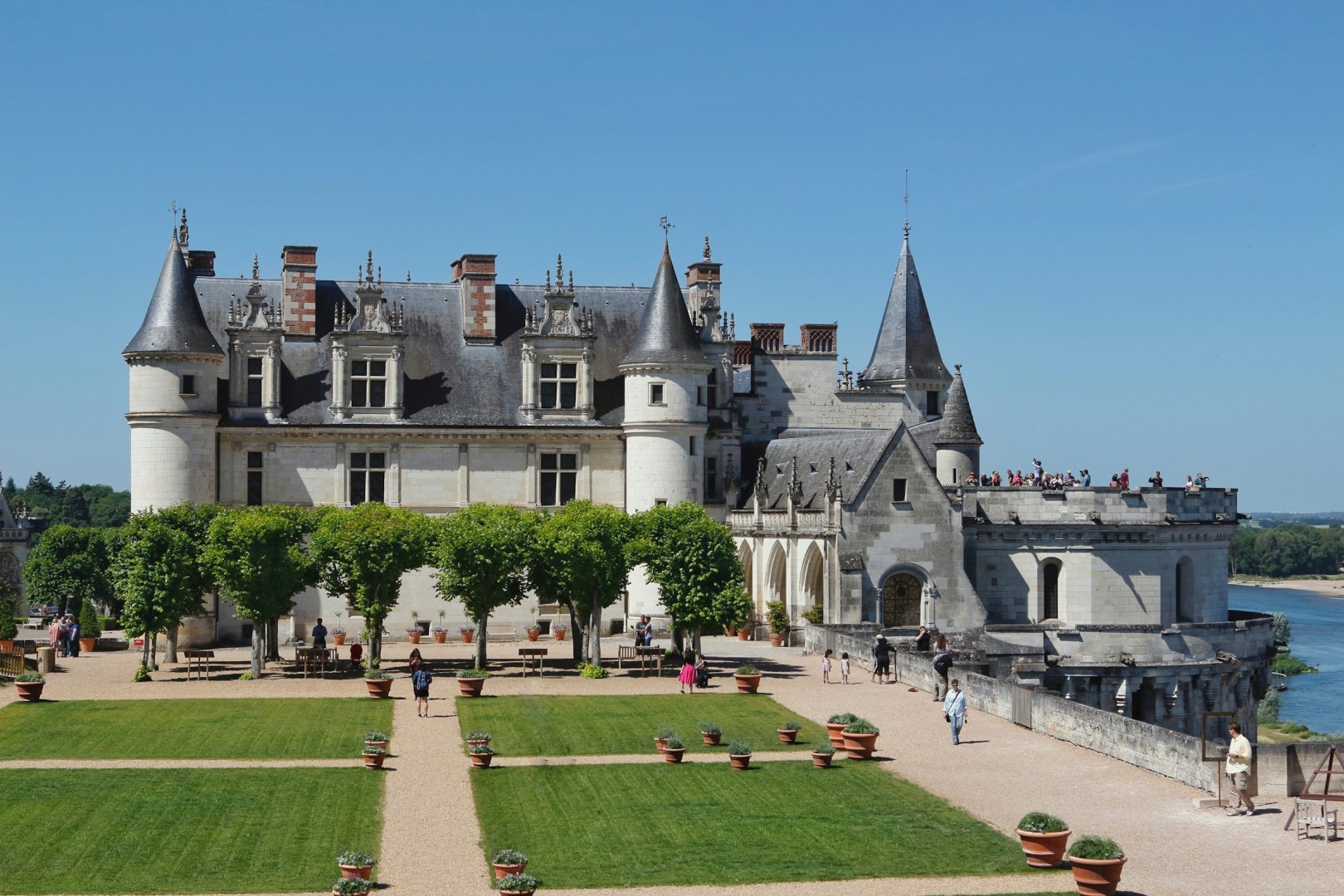
Amboise
Amboise has 12,000 inhabitants and is in the heart of Touraine, in the land of chateaux. It is a town both traditional and modern, lively and quiet. In Amboise, there is a royal castle set above the Loire Valley and is a strong point extensively embellished during the 15th and 16th centuries.
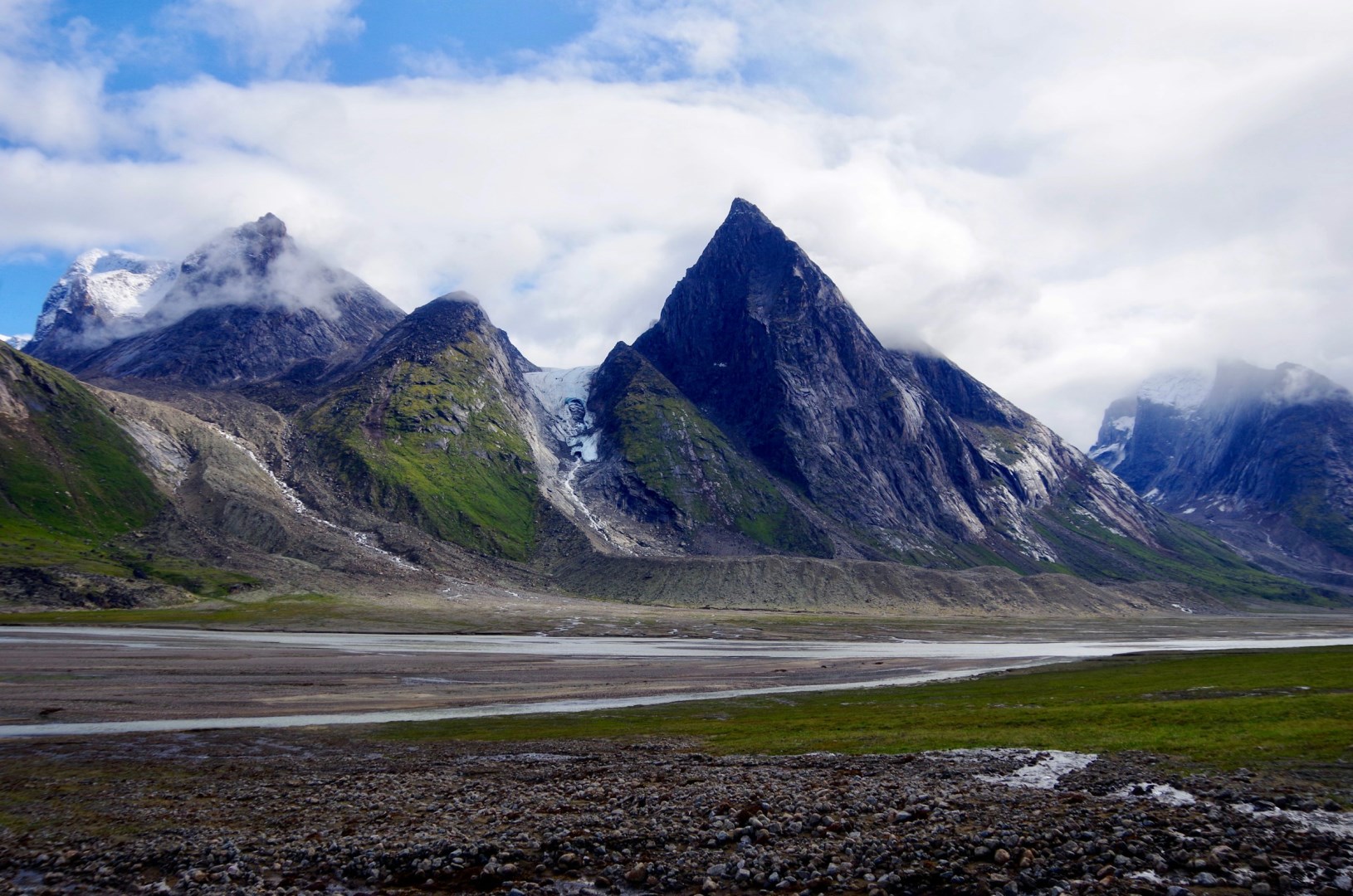
Auyuituq National Park
Auyuittuq National Park is a vast protected landscape on southeastern Baffin Island in Nunavut, extending between the communities of Pangnirtung and Qikiqtarjuaq. Its name means “land that never melts” in Inuktitut, reflecting the park's extensive ice and snow. Towering granite peaks, deep fjords, glaciers, rivers, and tundra dominate the landscape, while the Penny Ice Cap covers a large section of the interior.

Malaysia
Located in Southeast Asia, Malaysia consists of two distinct regions—Peninsular Malaysia and Malaysian Borneo—each offering unique opportunities. With its stunning landscapes and world-class food scene, Malaysia offers an unforgettable travel experience.
