
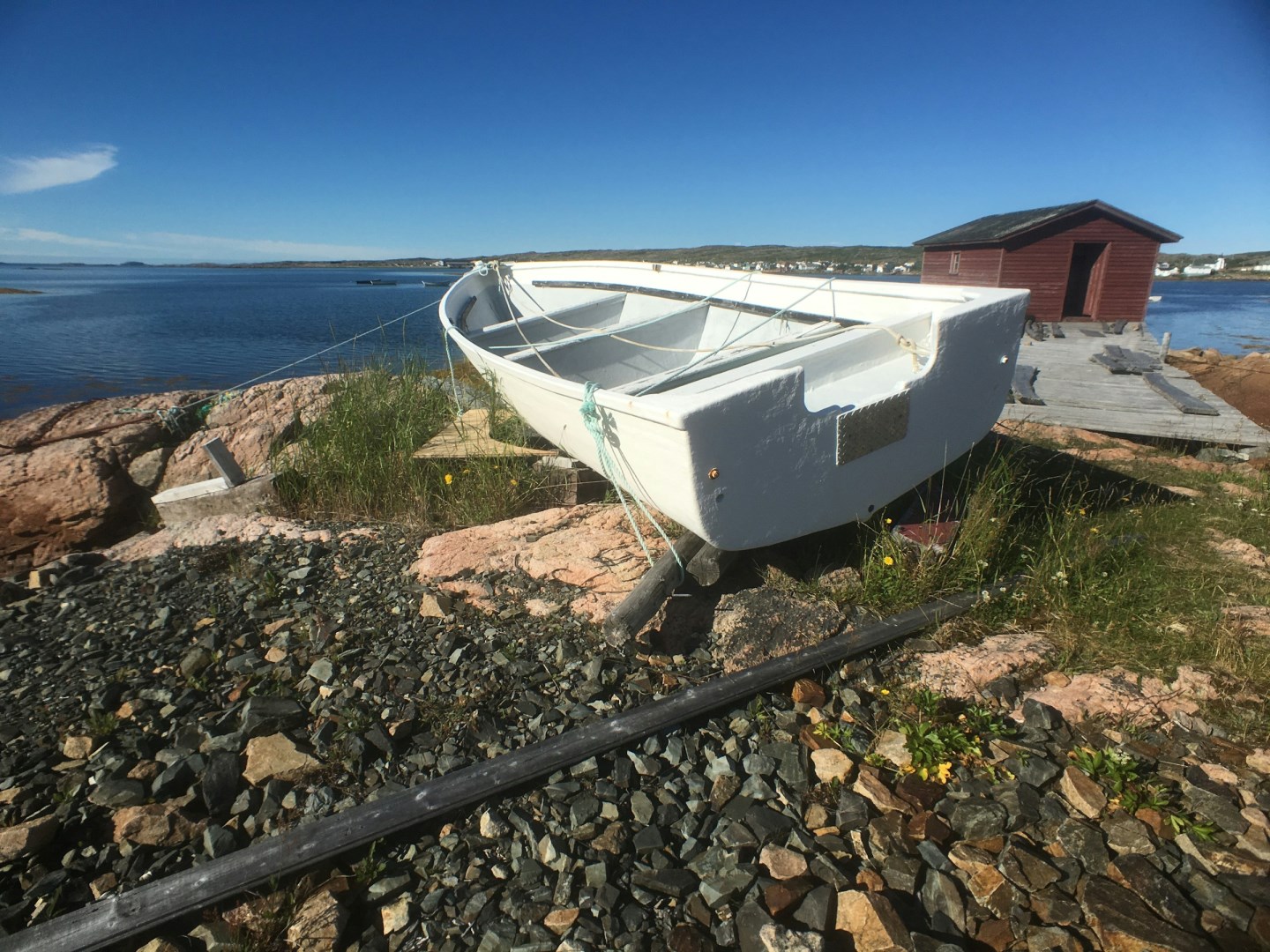
Fogo Island
Fogo Island is a large offshore island in Newfoundland and Labrador, set in the North Atlantic and reached by ferry from Farewell on Newfoundland’s northeast coast. Its landscape is defined by rocky headlands, small coves, rolling hills, exposed coastal trails, and scattered fishing communities. Eleven communities occupy the island, including Fogo, Joe Batt’s Arm, and Tilting, each with its own character and relationship to the sea.
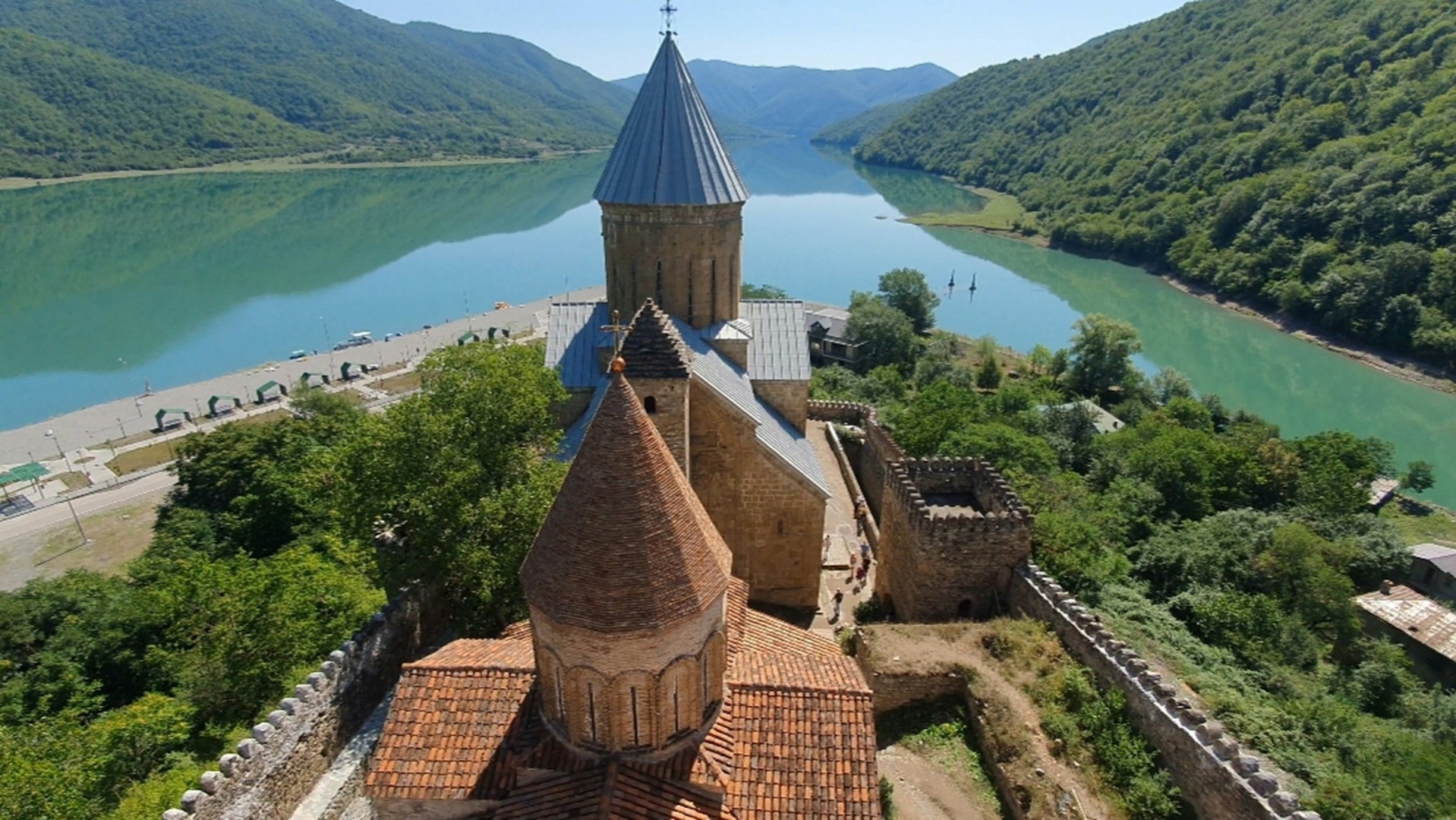
Ananuri
Ananuri is a historic fortified complex in northern Georgia, set beside the Zhinvali Reservoir on the Aragvi River. Its stone walls, towers, churches, and defensive structures rise above the reservoir and the surrounding wooded mountains, creating one of the most recognizable historic landscapes along the Georgian Military Highway.
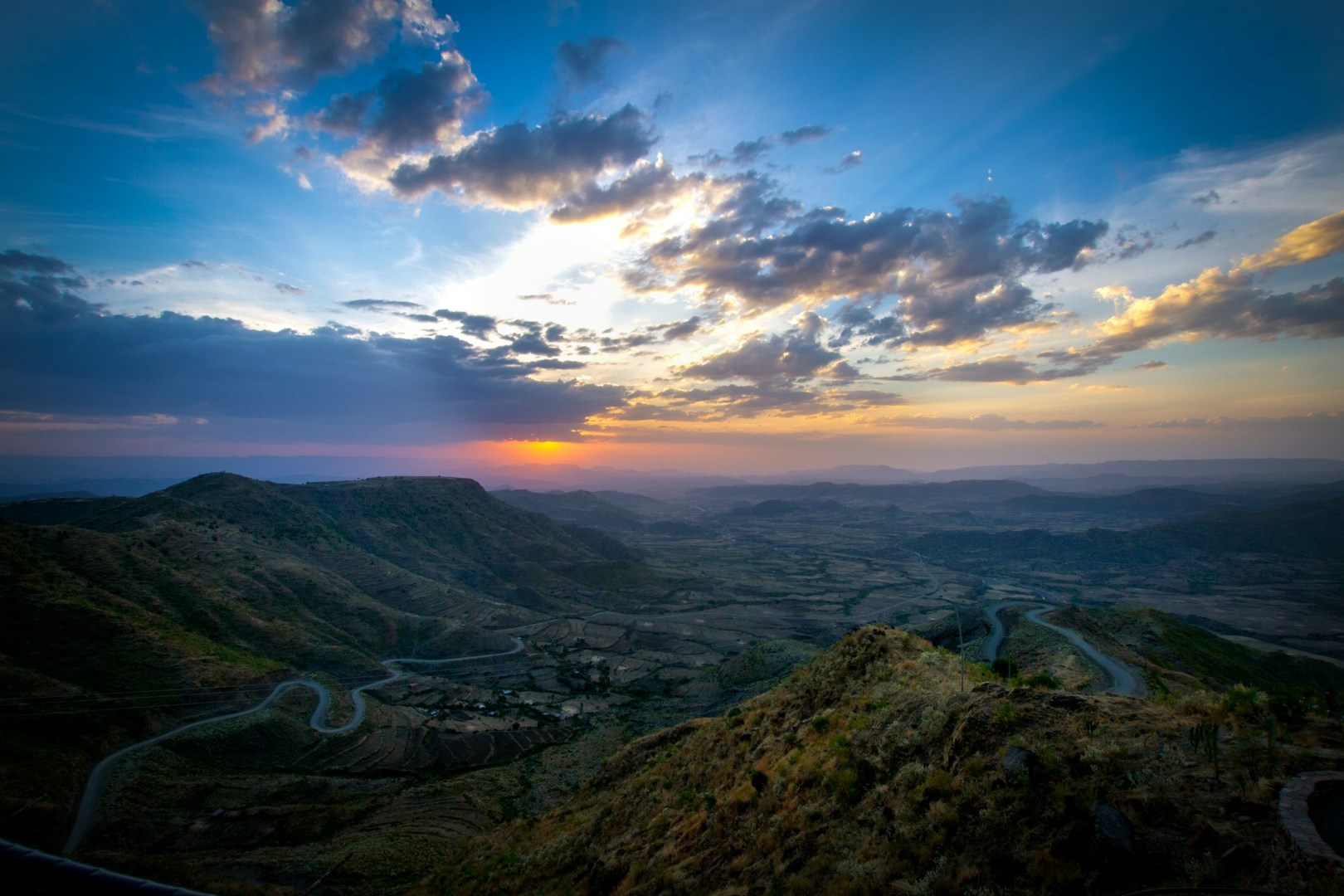
Lalibela
Lalibela is the name of the township which King Lalibela, later canonized, ruled in the 12th century. At his command, eleven monolithic churches were hewn out of living rock. The churches are unique because they are not carved into rock but were freed from it entirely
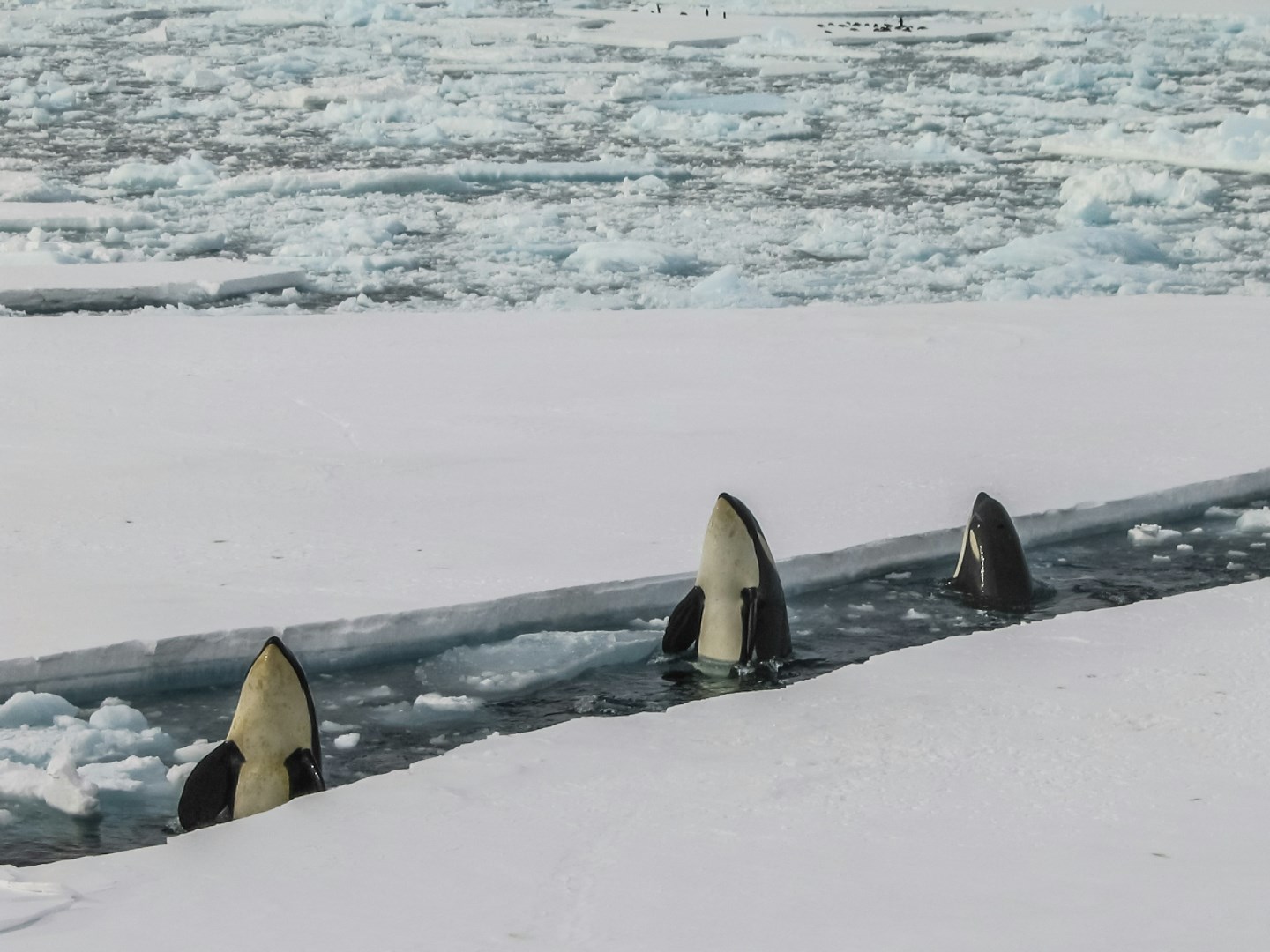
McMurdo Station
McMurdo is distinctive not only for its scientific role but also for the unusual scale of daily life in Antarctica. The station has a power plant, medical facilities, dining services, workshops, communications systems, and specialized vehicles used to support research in extreme conditions. Nearby Scott Base, operated by New Zealand, provides another important Antarctic research presence on Ross Island. McMurdo also supports flights and overland journeys to remote parts of the continent.
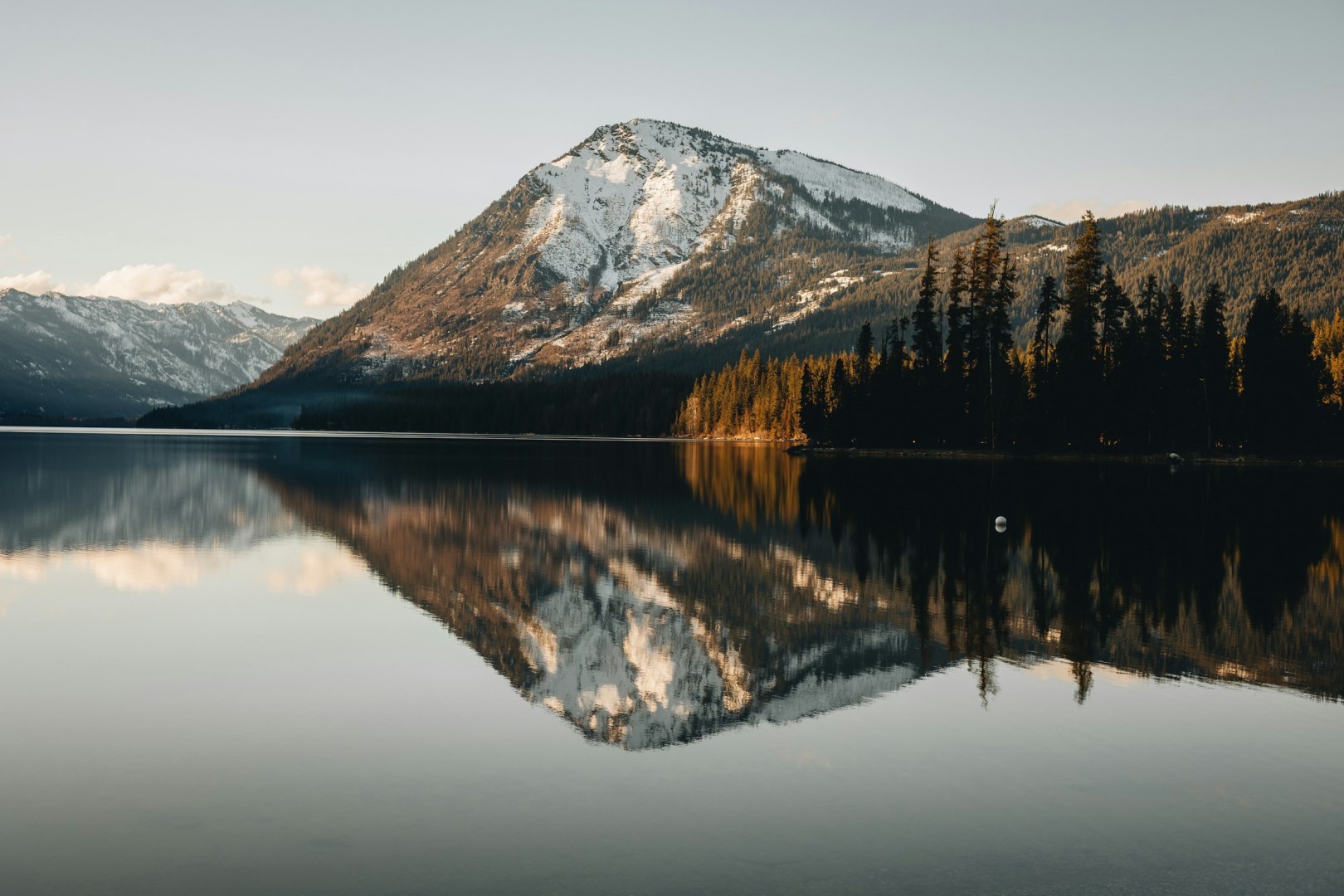
Wenatchee
Our mountains are high with lush forest and pristine alpine lakes hidden from the too casual viewer. Wildlife abound along the rippling streams that feed the wild waters of the Wenatchee River, finally merging with the mighty Columbia. King salmon fighting to return to their birthplace can be viewed from the Rocky Reach Dam. Nature is at its unspoiled best
