
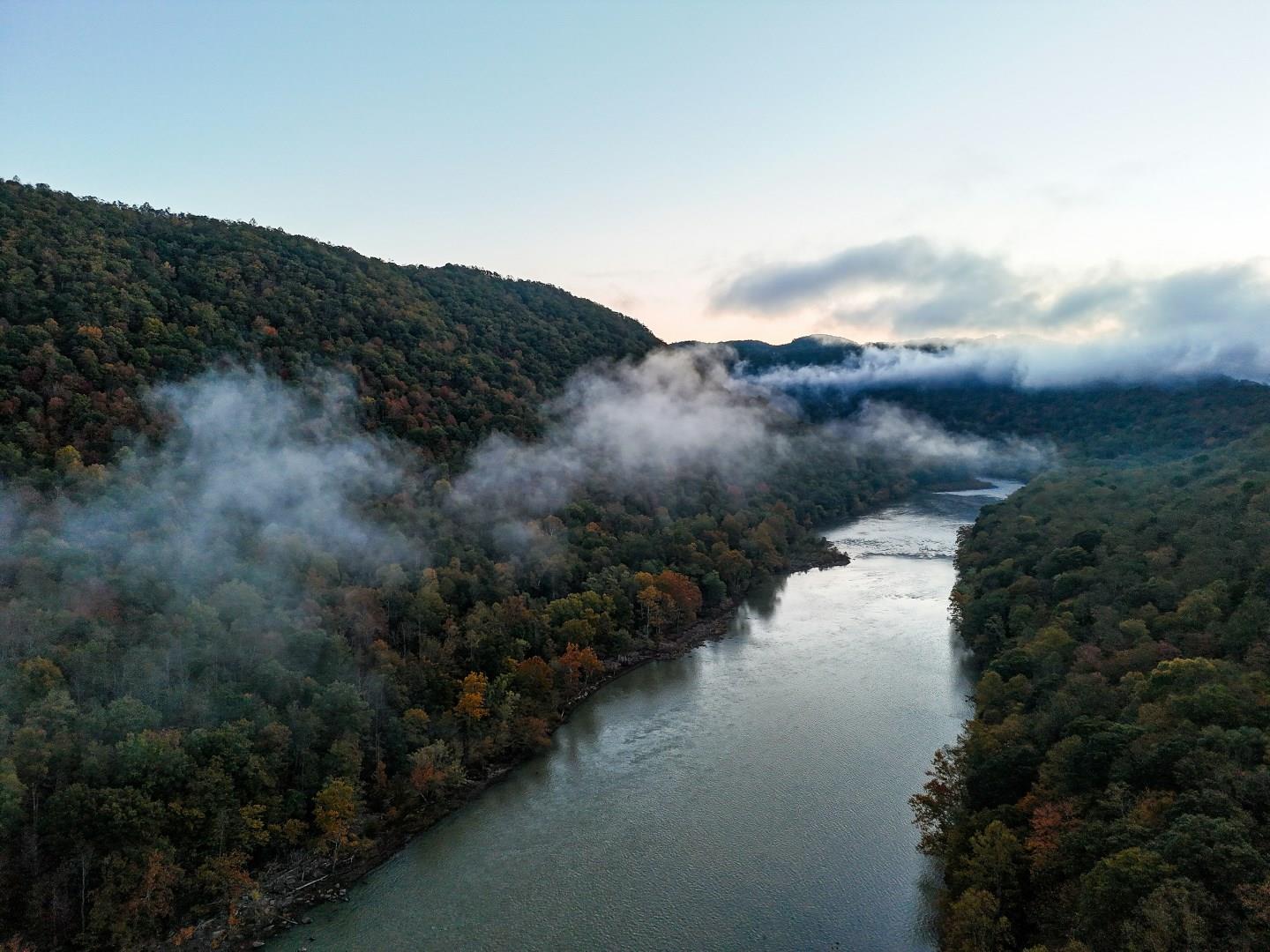
New River Gorge National Park & Preserve
New River Gorge National Park & Preserve in West Virginia has captured the attention of travelers with its rugged landscape and storied past. Established as a national park in 2020, this area was long known for its coal mining heritage and railroad history. Today, visitors can explore remnants of old mining towns and take in views from historic train trestles, all while experiencing some of the most dramatic river and canyon scenery in the eastern United States.
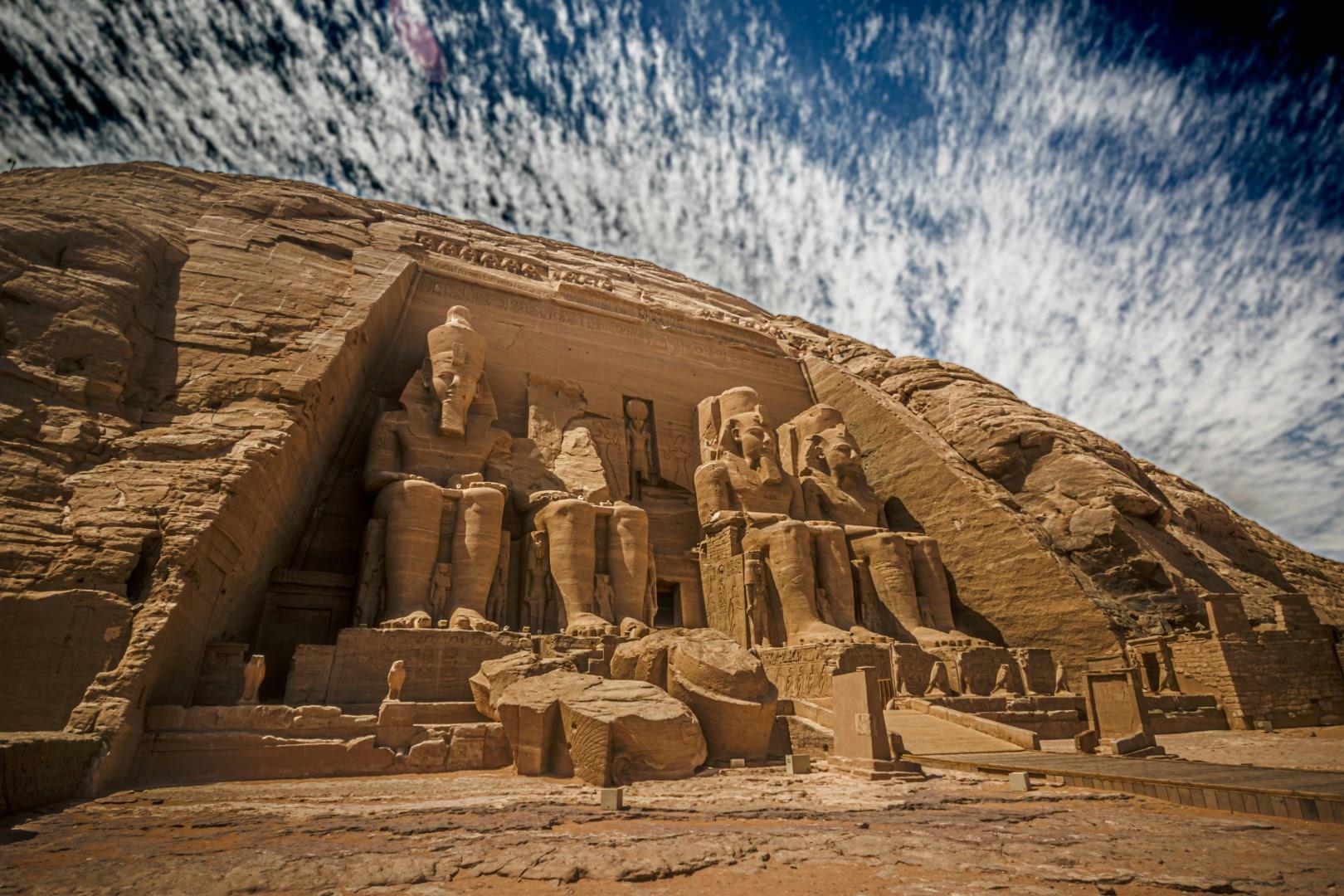
Abu Simbel
Abu Simbel, in southern Egypt near the border with Sudan, is one of the most awe-inspiring archaeological sites of the ancient world. Built during the reign of Pharaoh Ramses II in the 13th century BCE, the twin temples were carved directly into the sandstone cliffs overlooking the Nile. The Great Temple, with its four colossal statues of Ramses II seated at the entrance, was designed not only to honor the pharaoh but also to project his power to neighboring Nubia.
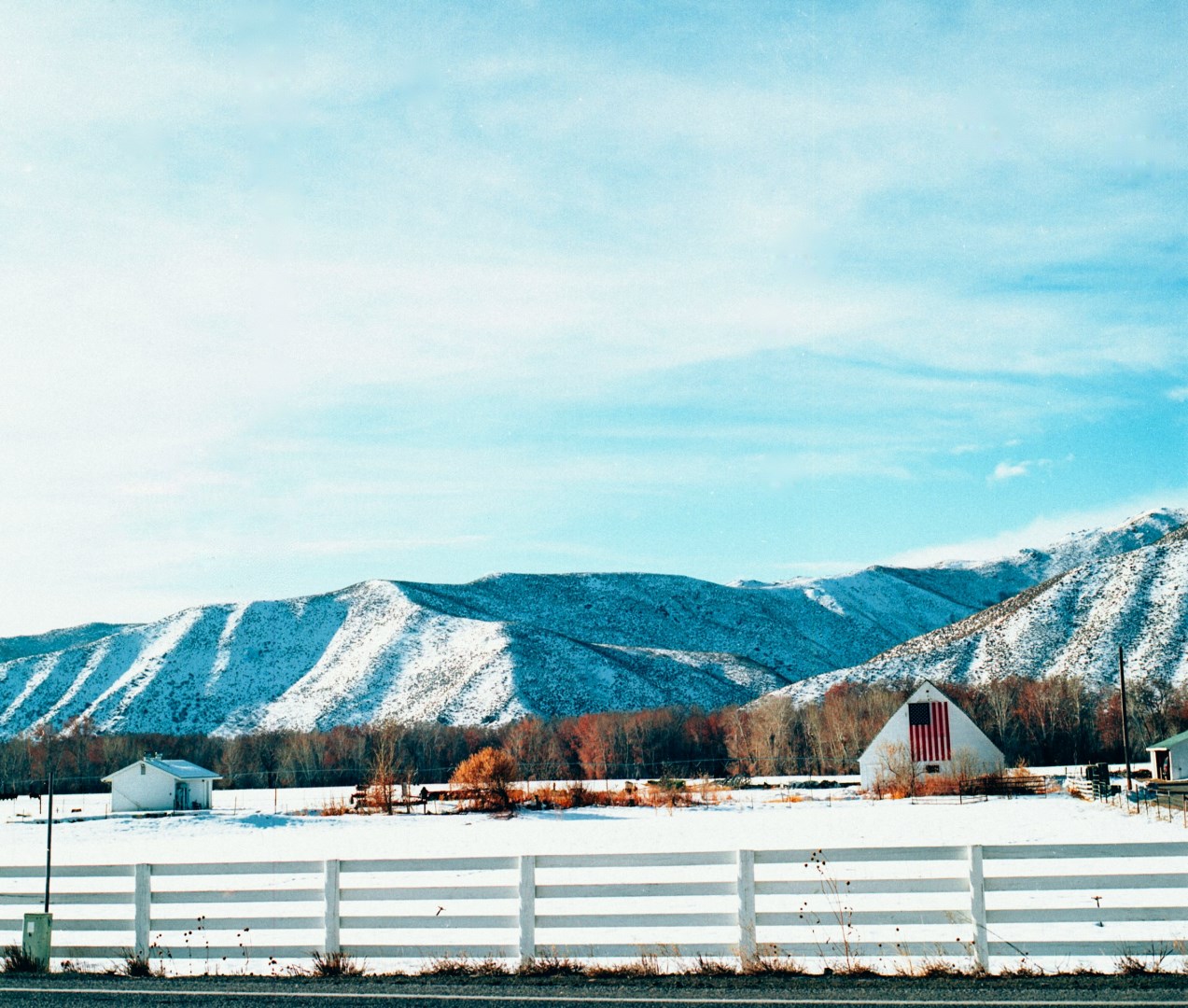
Sun Valley
Sun Valley is a quaint ski village. A technological marketplace. Small town charm with big city convenience. The Sun Valley area provides a fun skiing experience for the entire family. All skill levels are catered to on each of the local mountains. Sun Valley Resort's Bald Mountain is just minutes from town and Soldier Mountain is a short drive down the beautiful Wood River Valley offering Snow Cat skiing and tours.
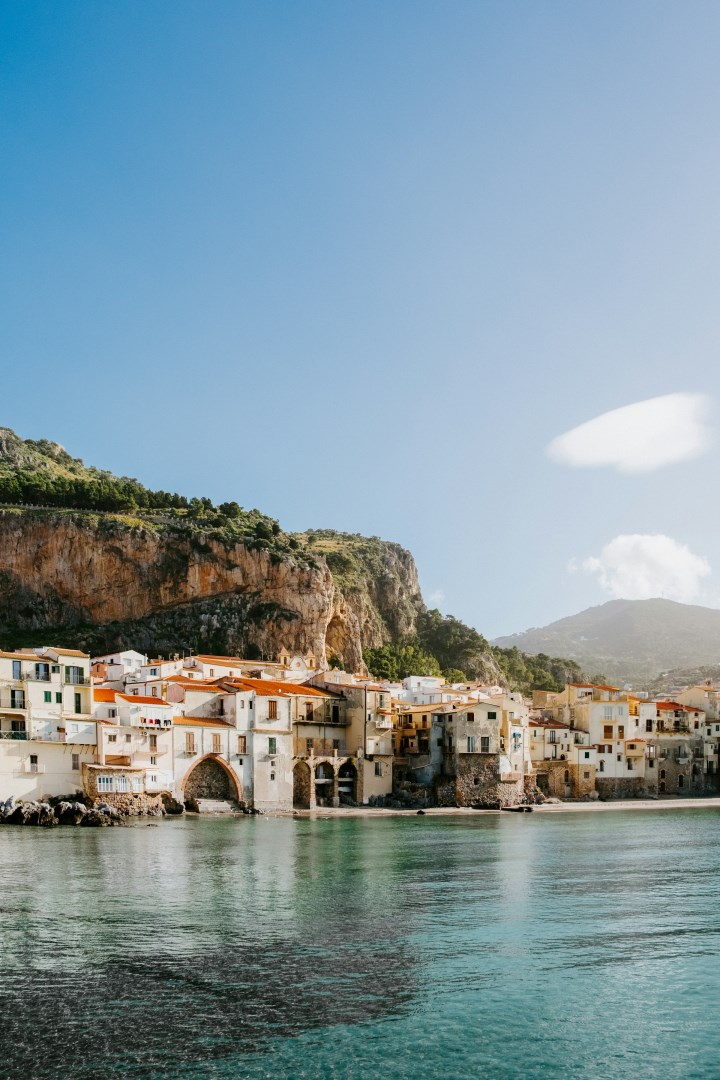
Cefalù
Cefalù is a coastal town on Sicily’s northern shore, set between the Tyrrhenian Sea and the steep slopes of La Rocca, the large limestone outcrop that rises directly behind the historic center. Its old town is arranged around narrow stone streets leading toward Piazza Duomo, while a sandy beach stretches beside the settlement below the town walls. The combination of a compact historic core, prominent mountain, and seafront gives Cefalù a distinctive physical setting.
Suchitoto
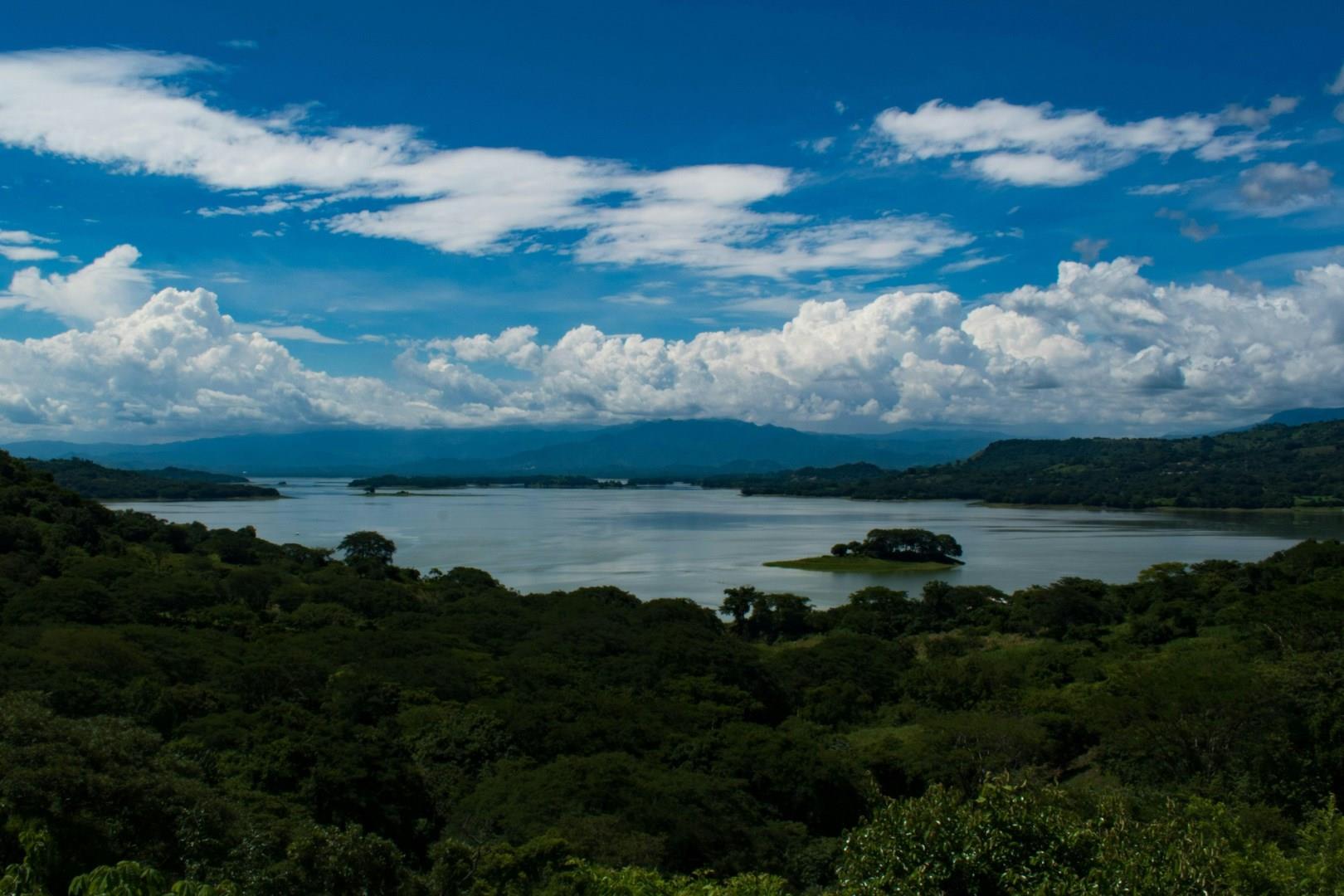
Suchitoto, located in the Cuscatlán department of El Salvador, is a hilltop town known for its cobblestone streets and scenic views of Lake Suchitlán. Once an important center for indigo production, the town still celebrates its dye-making history through artisan workshops where visitors can learn to create textiles using natural indigo. The name “Suchitoto” comes from the Nahuatl language and means “place of flowers and birds,” a nod to the area’s diverse birdlife and surrounding vegetation.
