
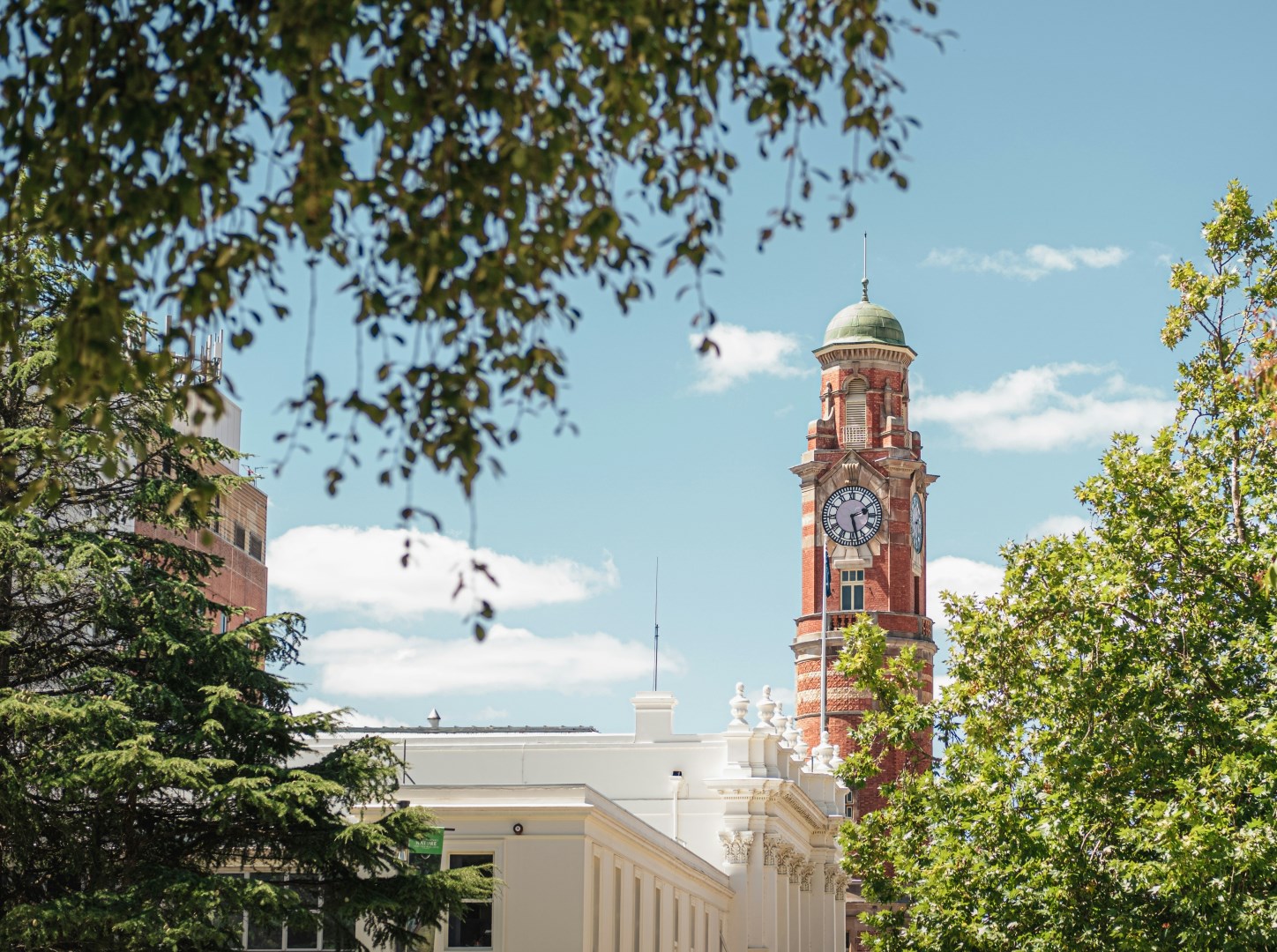
Launceston Tasmania
Launceston is a city in northern Tasmania, Australia, positioned where the Tamar, North Esk, and South Esk rivers meet. It serves as one of the island’s main urban centers and is known for its well-preserved streetscapes, public parks, and proximity to agricultural regions.
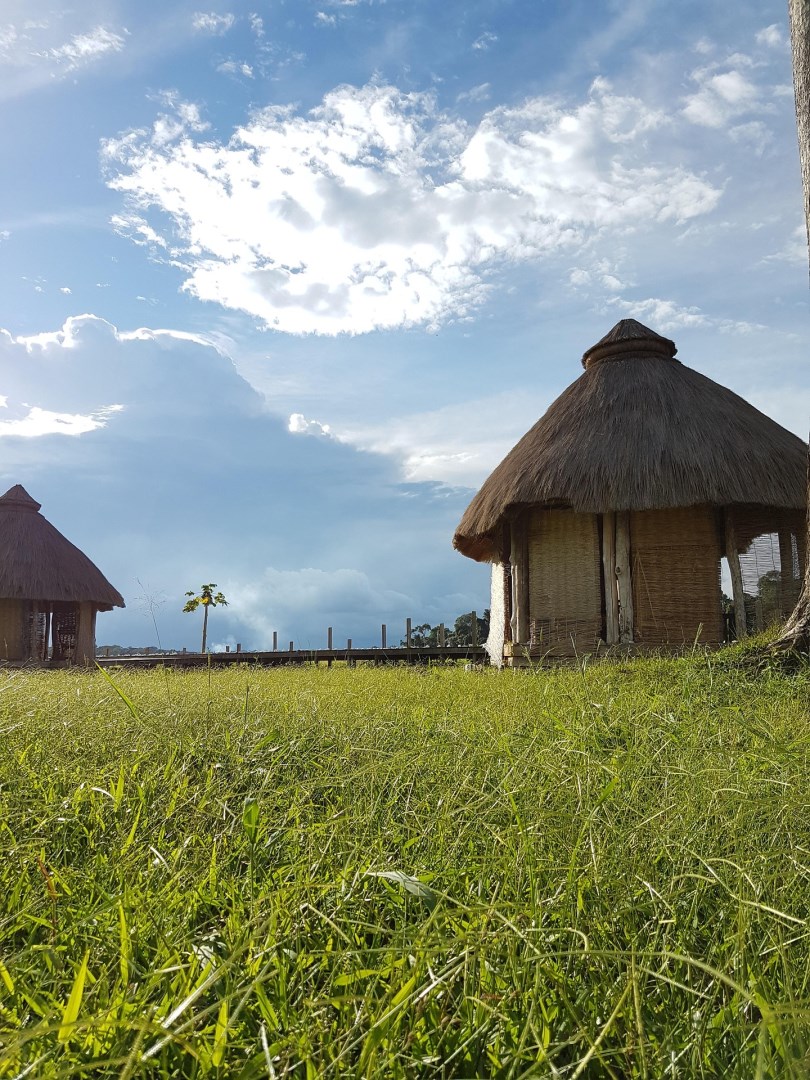
Cameroon
Cameroon is often called “Africa in miniature” for good reason. Within its borders, travelers can explore coastal beaches, dense rainforests, vast savannas, active volcanoes, and snow-capped peaks, all without crossing a border. The country’s most iconic landmark, Mount Cameroon, is the highest mountain in West Africa and an active volcano that draws hikers from around the world.
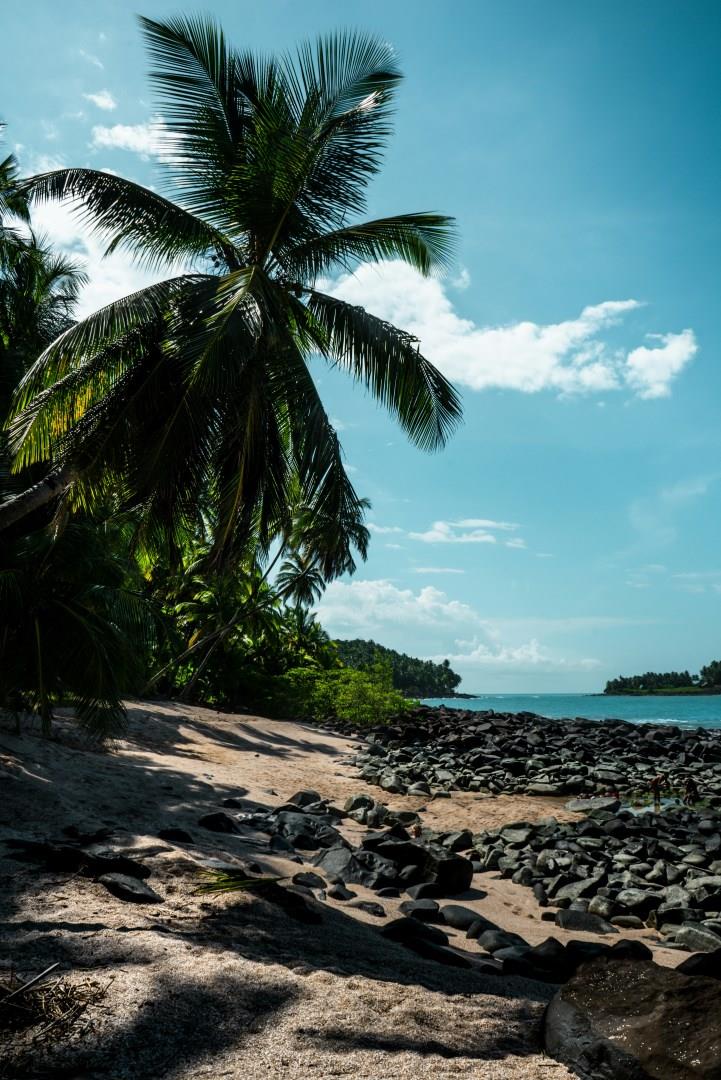
Cayenne
Cayenne, the lively capital of French Guiana, sits where the Cayenne River meets the Atlantic Ocean, blending South American rhythms with French-Caribbean influence. While it's officially part of France, Cayenne feels worlds away from Paris, with colorful markets, colonial architecture, and a language mix that includes French, Creole, Portuguese, and Indigenous dialects.
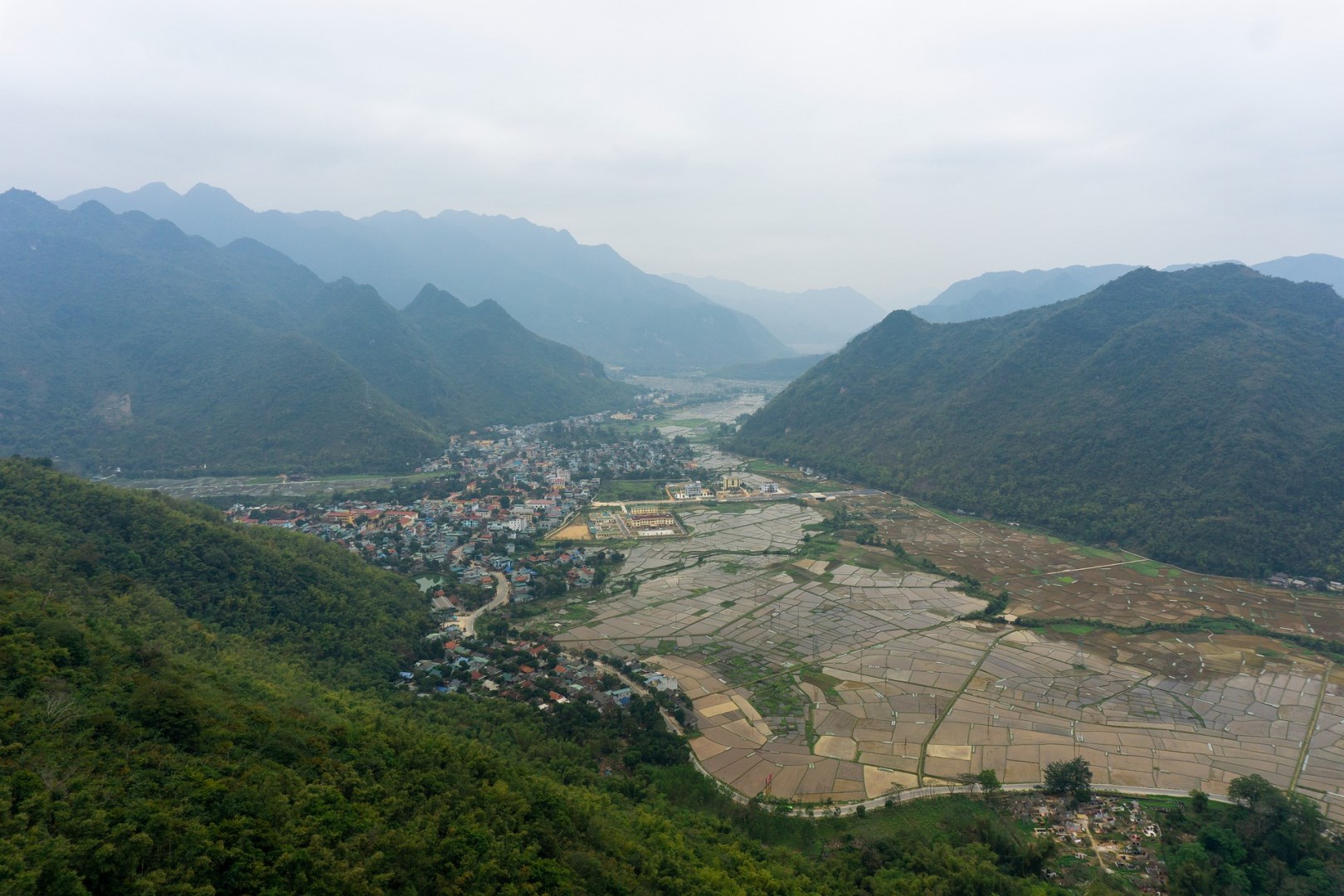
Mai Chau
Mai Chau is a rural valley in Hoa Binh Province in northern Vietnam, located several hours west of Hanoi and surrounded by limestone mountains and rice fields. The area is known for its quiet villages, elevated wooden stilt houses, and the daily life of the White Thai ethnic community.
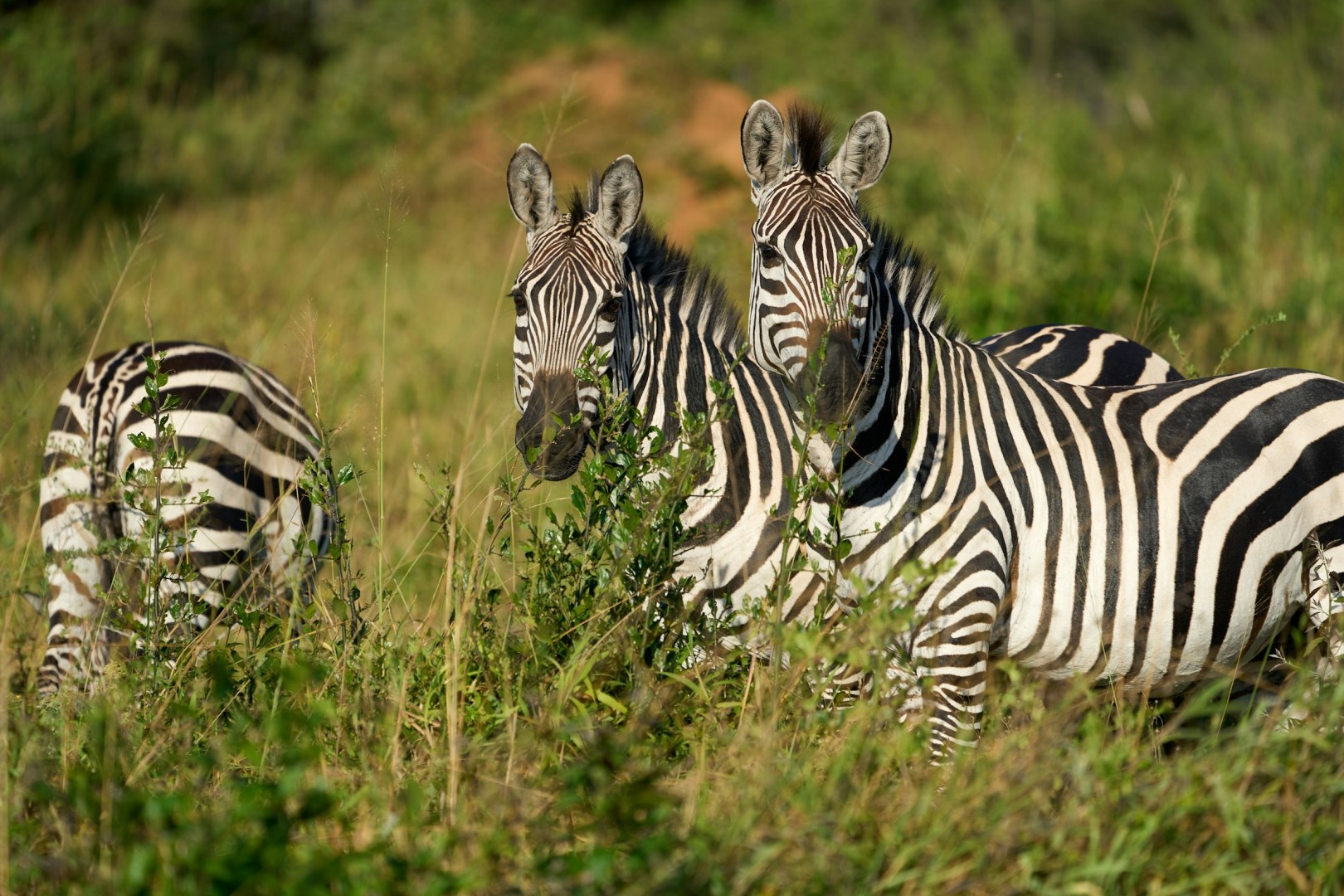
Lake Mburo National Park
Lake Mburo National Park is a protected area in southwestern Uganda, situated between Kampala and the western highlands. It is centered on a chain of lakes and a landscape of rolling hills, open grassland, woodland, wetlands, and rocky outcrops. Lake Mburo is the largest of the park’s lakes and forms an important part of its ecosystem.
