
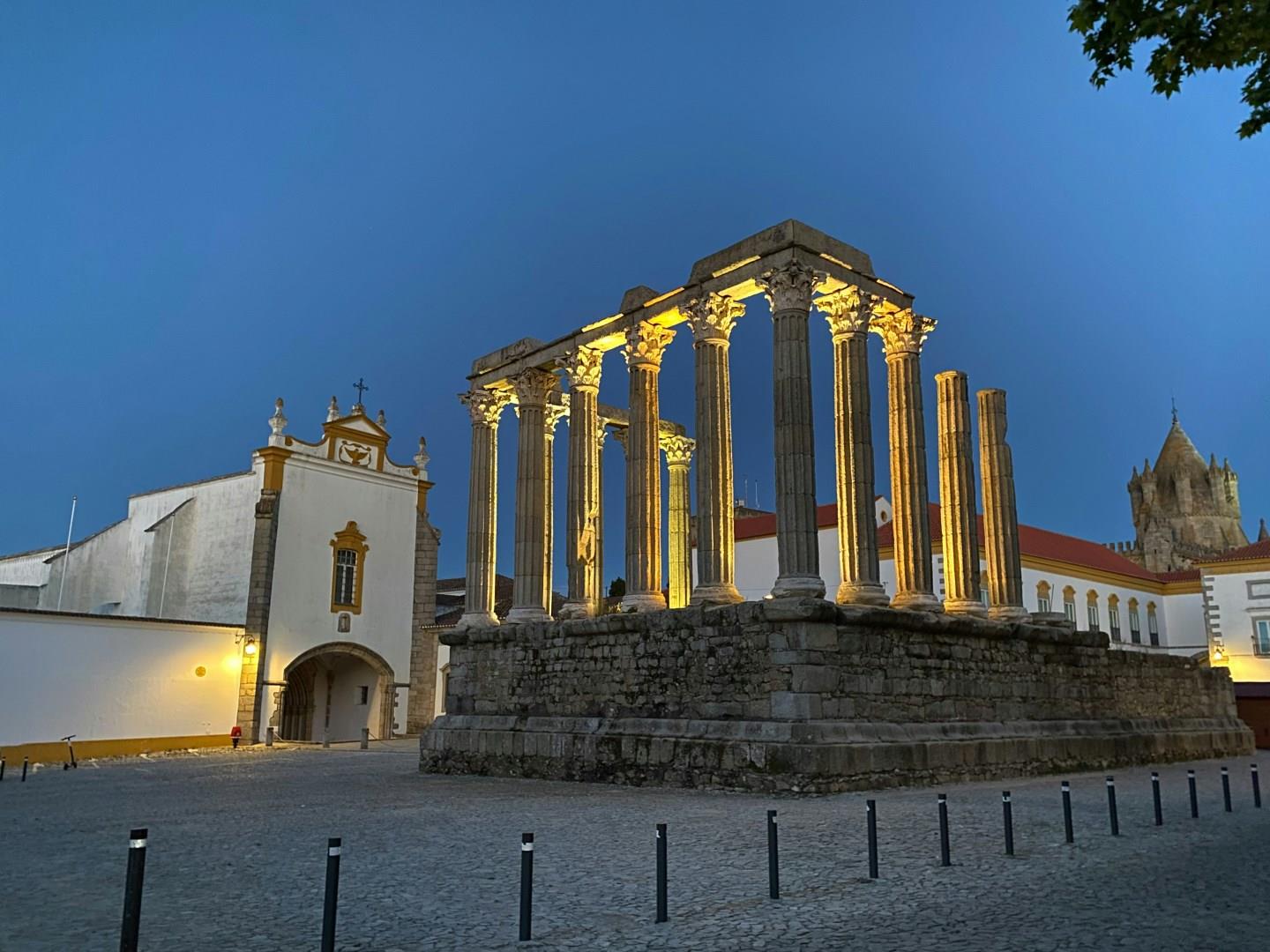
Evora
Évora, in Portugal’s Alentejo region, feels like stepping into a story that spans more than two thousand years. Its Historic Centre was named a UNESCO World Heritage Site for good reason with its ancient walls, homes with wrought-iron balconies, and narrow streets quietly preserve traces of Roman, Moorish, and medieval life. Beyond architecture and monuments, Évora reveals lesser-known treasures that reward exploration.
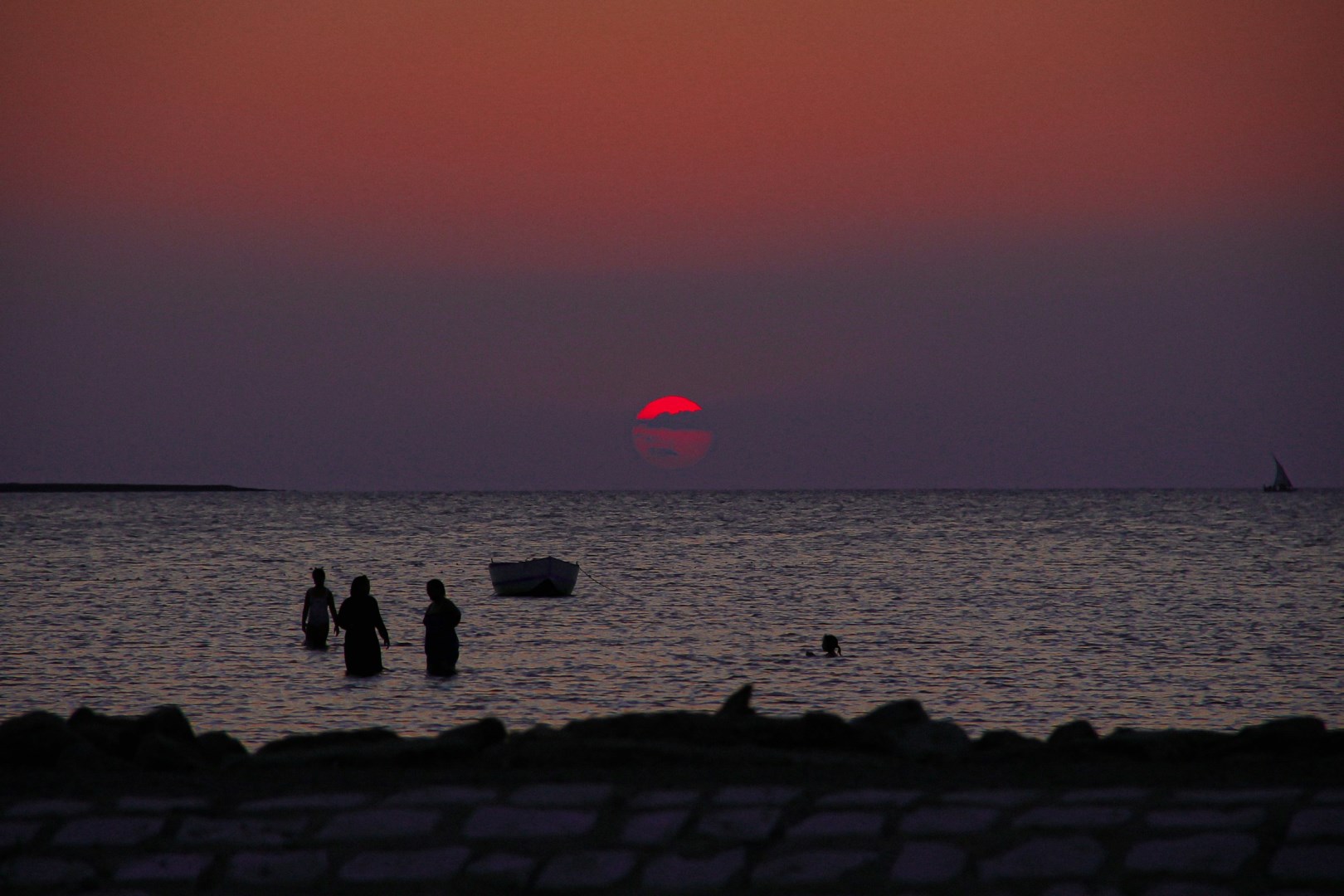
Sfax
Sfax is a major port city on Tunisia’s eastern Mediterranean coast and the principal urban centre of the country’s south-central region. Its character is closely connected with commerce, agriculture, fishing and maritime trade rather than resort development.
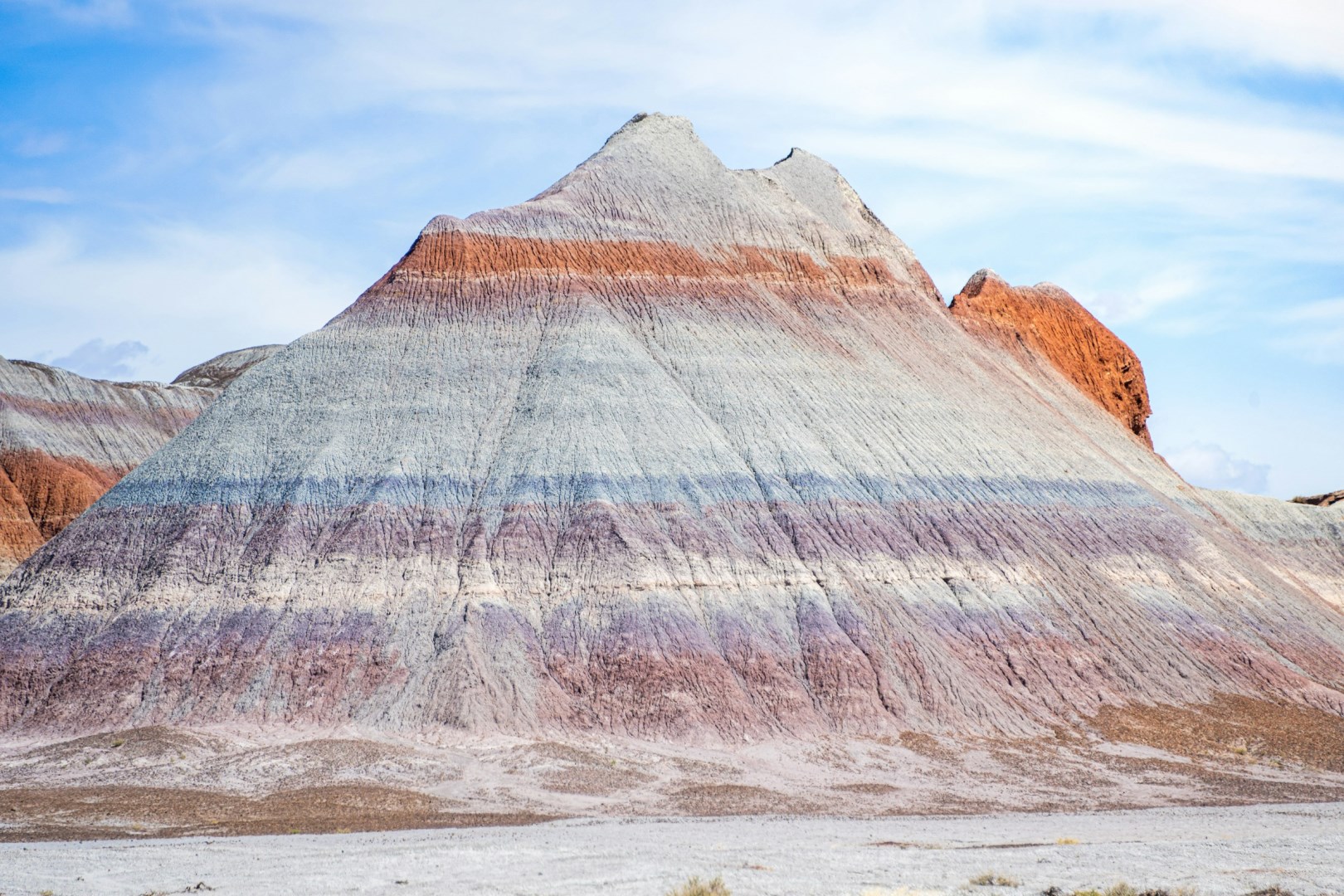
Petrified Forest National Park
Petrified Forest National Park stretches across the colorful high desert of northeastern Arizona, where grasslands, mesas, badlands, and ancient fossil deposits form an unusual landscape. The park is best known for its extensive petrified wood, much of it preserved from trees that lived in a river environment more than 200 million years ago.

Ocean Cay
Formally called Ocean Cay MSC Marine Reserve, Ocean Cay is a private island only accessible to MSC Cruises guests. Activities include beachside lounging, snorkeling, paddle boarding, lighthouse climbing, dining, shopping and more.
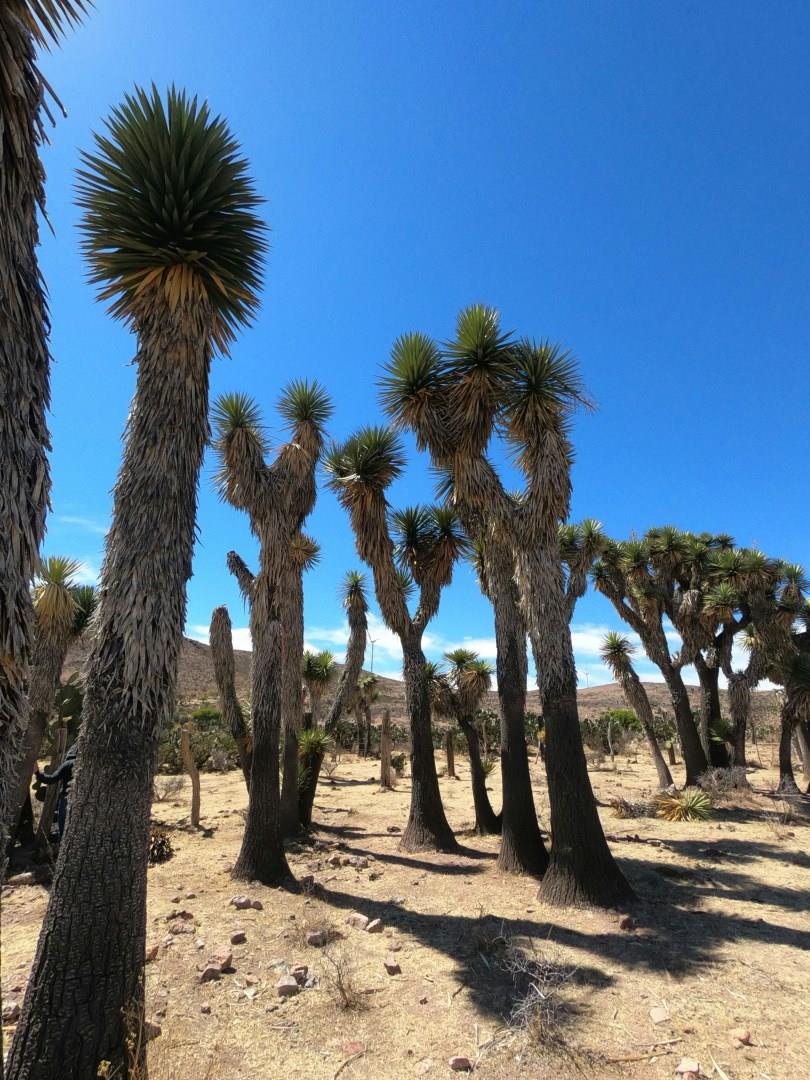
Zacatecas
Zacatecas, built into the slopes of a narrow ravine in north-central Mexico, is a city with a deep mining past and a striking skyline. The historic center, a UNESCO World Heritage Site, is known for its pink cantera stone buildings, narrow alleys, and impressive baroque facades. The Cathedral Basilica of Zacatecas, completed in 1752, stands as one of the most detailed examples of Mexican baroque architecture, with hundreds of carved figures covering its sandstone exterior.
