
Macon
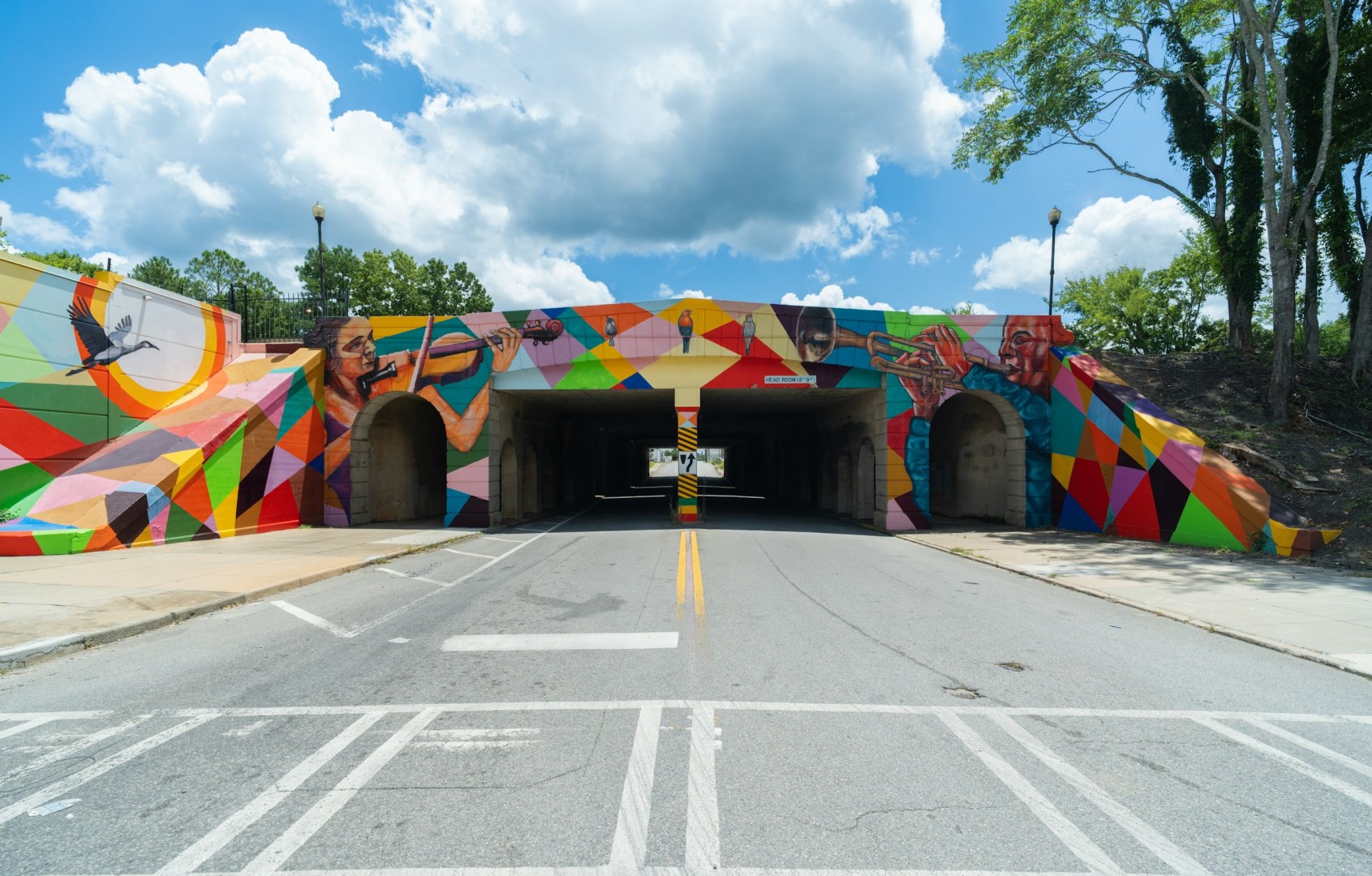
Macon, Georgia, known as the “Heart of Georgia,” offers a blend of historic charm and Southern hospitality. Begin your exploration at the Ocmulgee Mounds National Historical Park, where ancient Native American earthworks provide a glimpse into the rich cultural heritage of the region. The park’s expansive grounds and museum showcase artifacts from the Mississippian period, offering a fascinating look at the early inhabitants of the area.
Virginia Beach
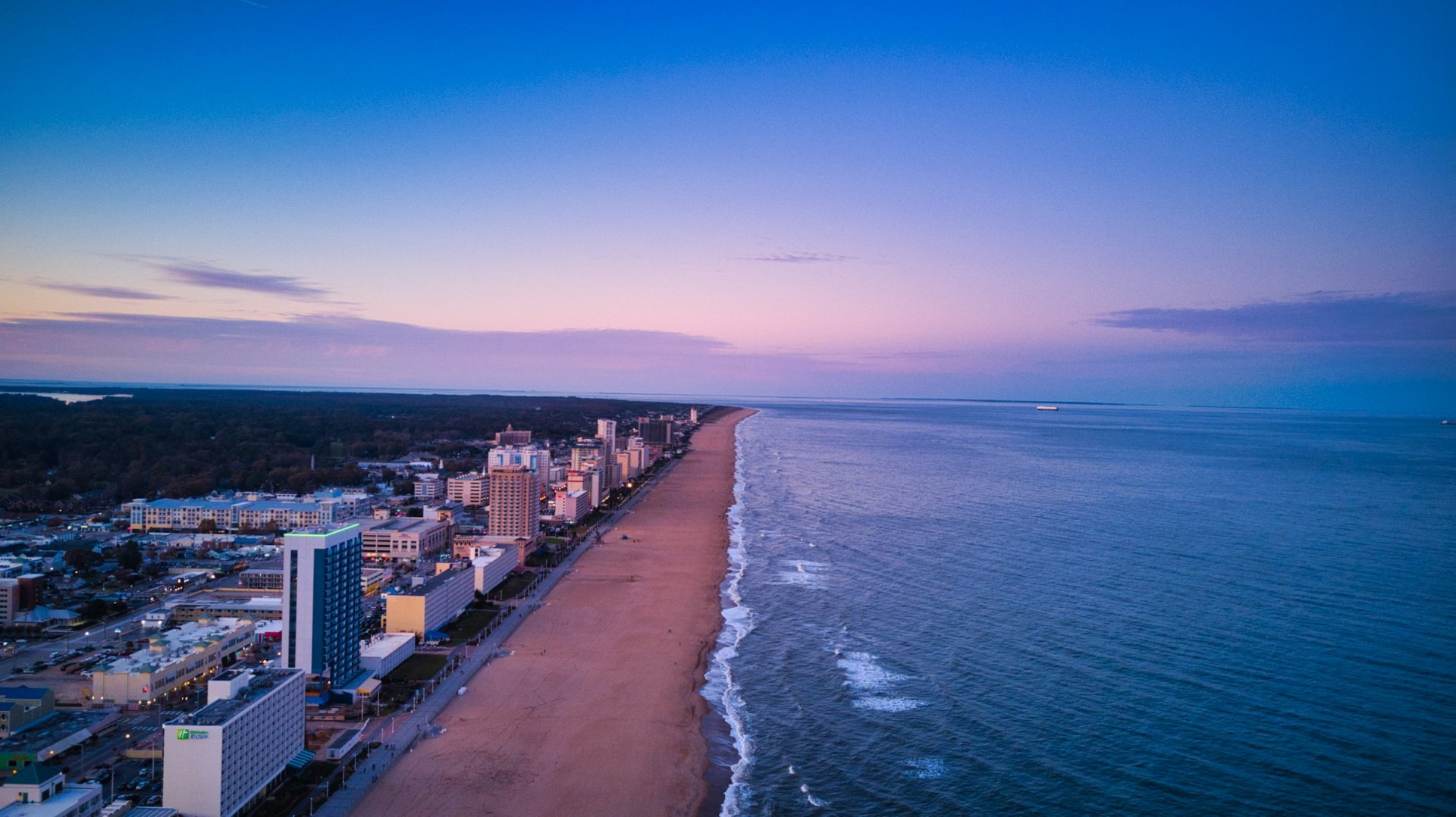
Virginia Beach is a coastal city in southeastern Virginia where the Atlantic Ocean meets the Chesapeake Bay and a network of rivers, marshes, and inland waterways. Its long oceanfront includes sandy beaches, dunes, and a busy boardwalk, while the southern part of the city contains broad wetlands, forests, and agricultural land. The city is geographically large and includes several distinct communities beyond the resort district.

Warsaw
Warsaw stands as one of Europe’s most resilient cities, having rebuilt itself almost entirely after World War II. The Old Town, meticulously reconstructed using paintings by Italian artist Bernardo Bellotto, feels centuries old but is, in fact, less than a hundred years in its current form. Behind the medieval facades lie stories of uprisings, resistance, and quiet defiance. Visitors walking through Castle Square can enter the Royal Castle, where Poland’s Constitution of May 3, 1791 was adopted.
Danco Island
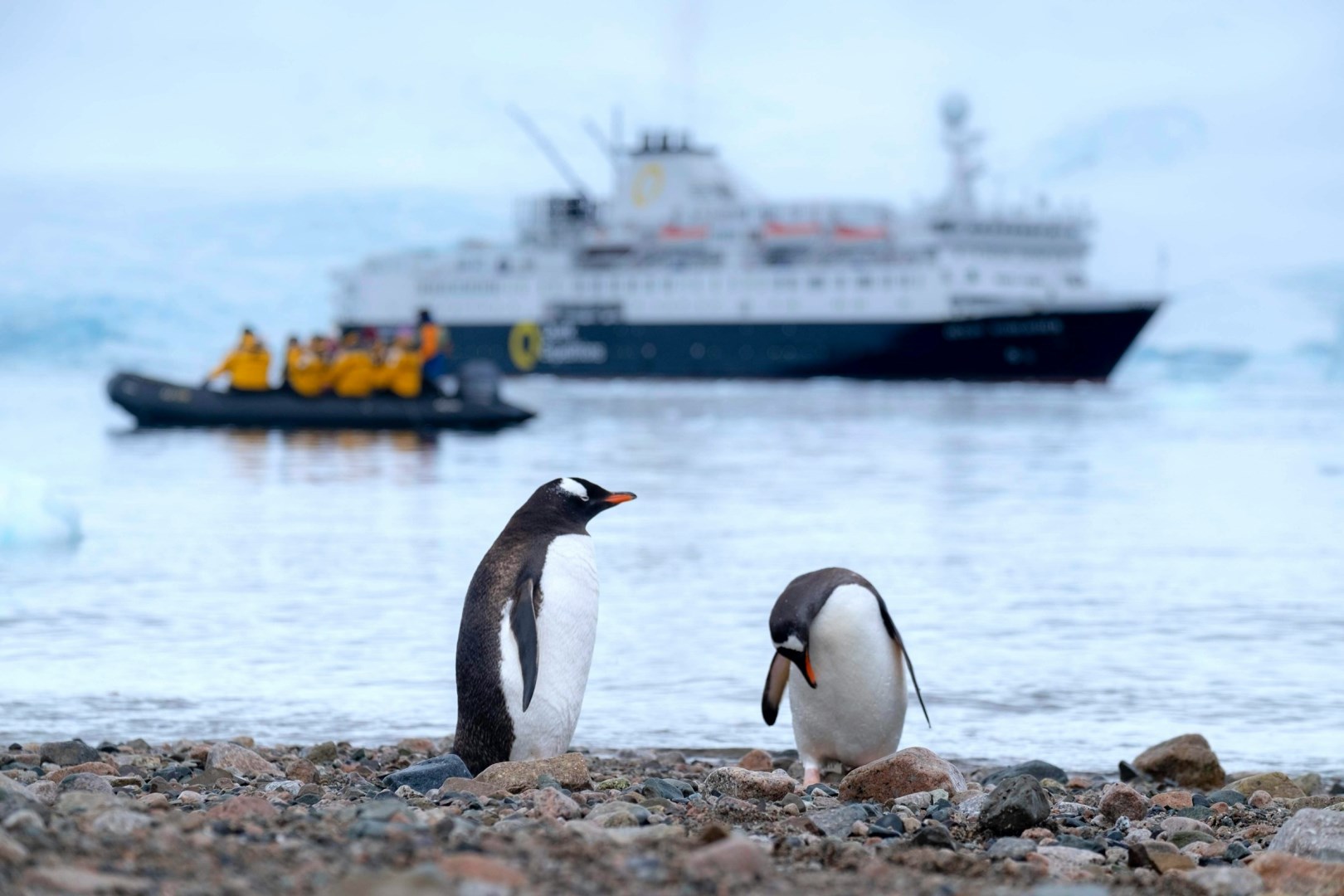
Danco Island also offers a close look at how Antarctic wildlife uses a small ice-covered island. Gentoo penguins establish colonies on rocky and snow-free areas, while the surrounding channel provides access to feeding grounds. The island’s exposed slopes and summit can be windy, and snow conditions may vary considerably between visits. Its compact landscape means that even a short excursion can reveal glaciers, mountains, sea ice, seabirds, and penguin colonies within a relatively small area.
Bahia Wulaia
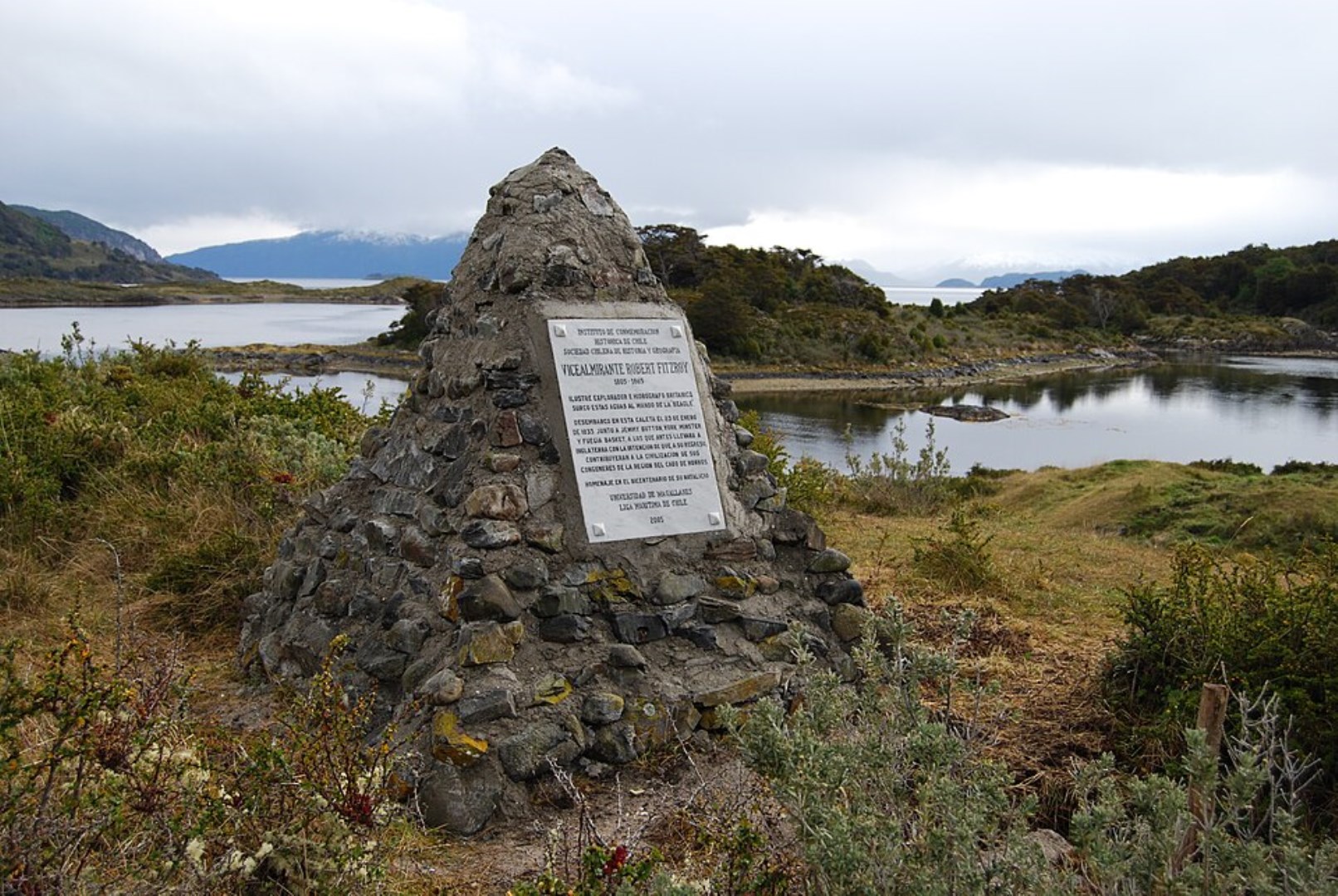
A historic bay on Navarino Island known for its Yaghan heritage, forested trails and scenic views across Tierra del Fuego.
