
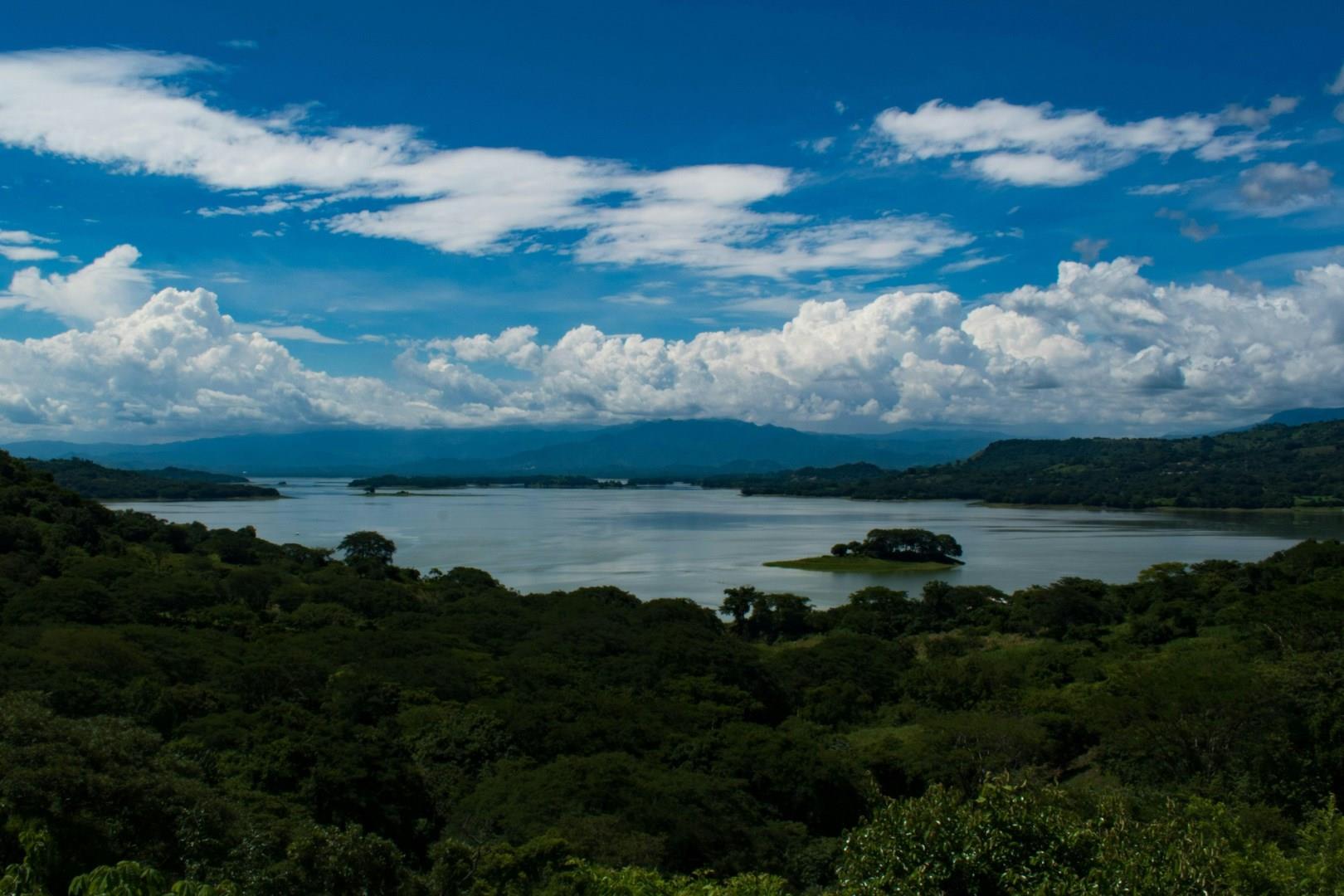
Suchitoto
Suchitoto, located in the Cuscatlán department of El Salvador, is a hilltop town known for its cobblestone streets and scenic views of Lake Suchitlán. Once an important center for indigo production, the town still celebrates its dye-making history through artisan workshops where visitors can learn to create textiles using natural indigo. The name “Suchitoto” comes from the Nahuatl language and means “place of flowers and birds,” a nod to the area’s diverse birdlife and surrounding vegetation.
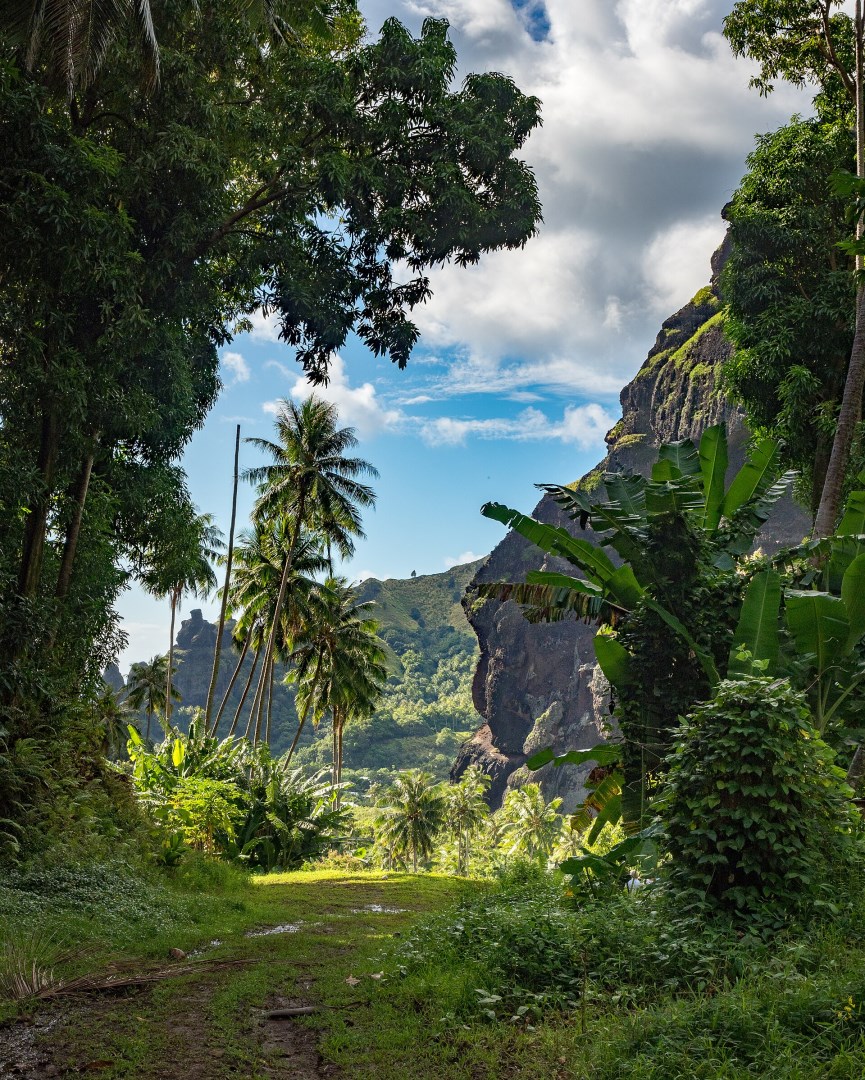
Fatu Hiva
Fatu Hiva, the southernmost of the Marquesas Islands, is a destination that feels like stepping back in time to a world untouched by modernity. This remote island is known for its breathtaking landscapes, where lush, verdant mountains rise dramatically from the deep blue sea.

Kushiro
Kushiro is a port city on the eastern coast of Hokkaido, Japan’s northernmost main island. The city faces the Pacific Ocean and is known for its fishing industry, wetlands, and cool maritime climate. Fog drifting in from the sea is common during warmer months and has become one of Kushiro’s defining natural features.
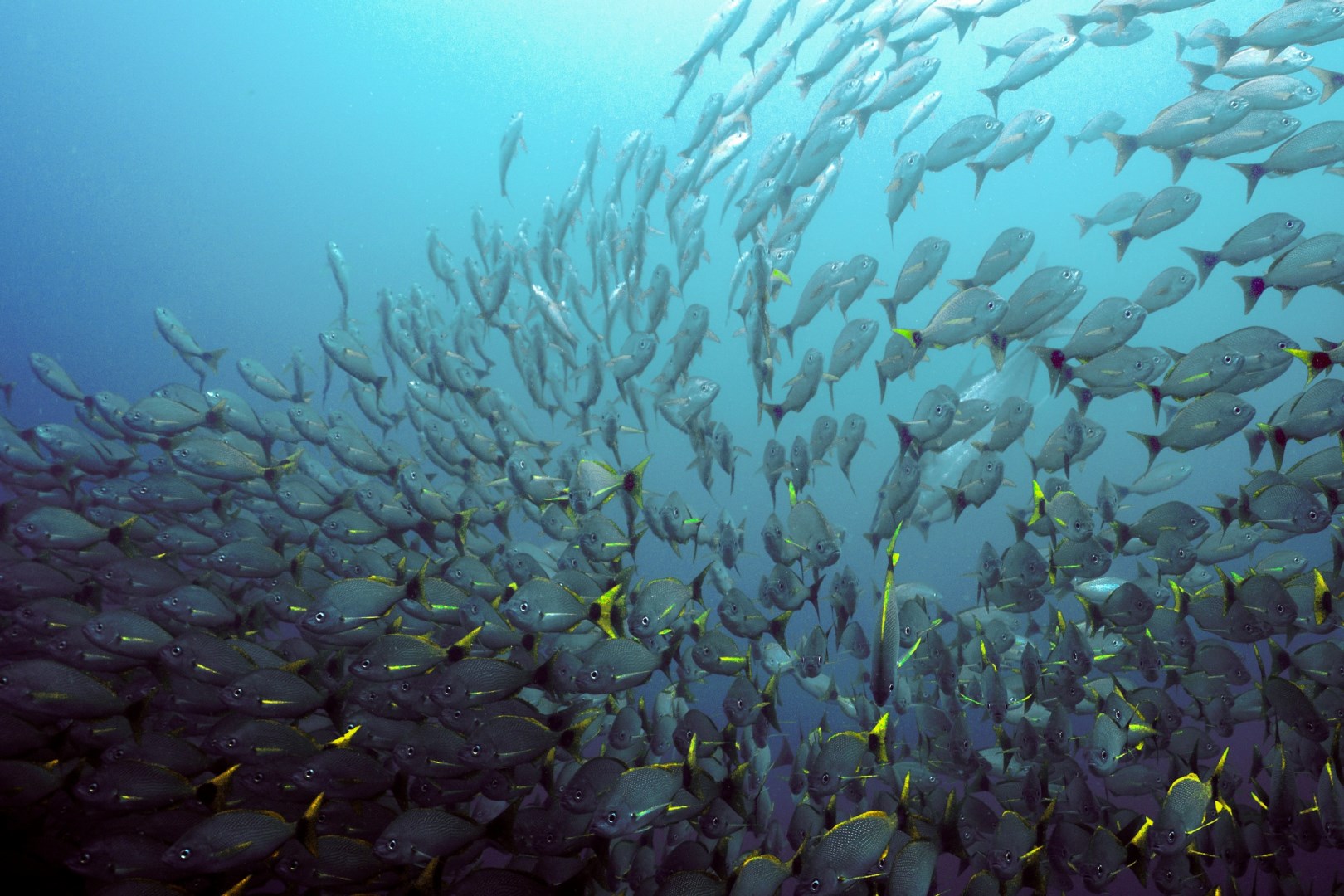
Caño Island
The snorkeling is extraordinary in the reefs of Cano Island. Cano has its roots in pre-Columbian trading and is also a former burial ground for coastal Indians.

Tozeur
Tozeur is an oasis city in southwestern Tunisia, located on the northern edge of the Sahara near the vast salt lake of Chott el-Jerid. Its extensive date-palm groves create a green belt around a city otherwise surrounded by dry plains and desert landscapes. Tozeur is especially recognized for its distinctive brick architecture, with geometric patterns formed from small, locally made bricks decorating walls and gateways.
