
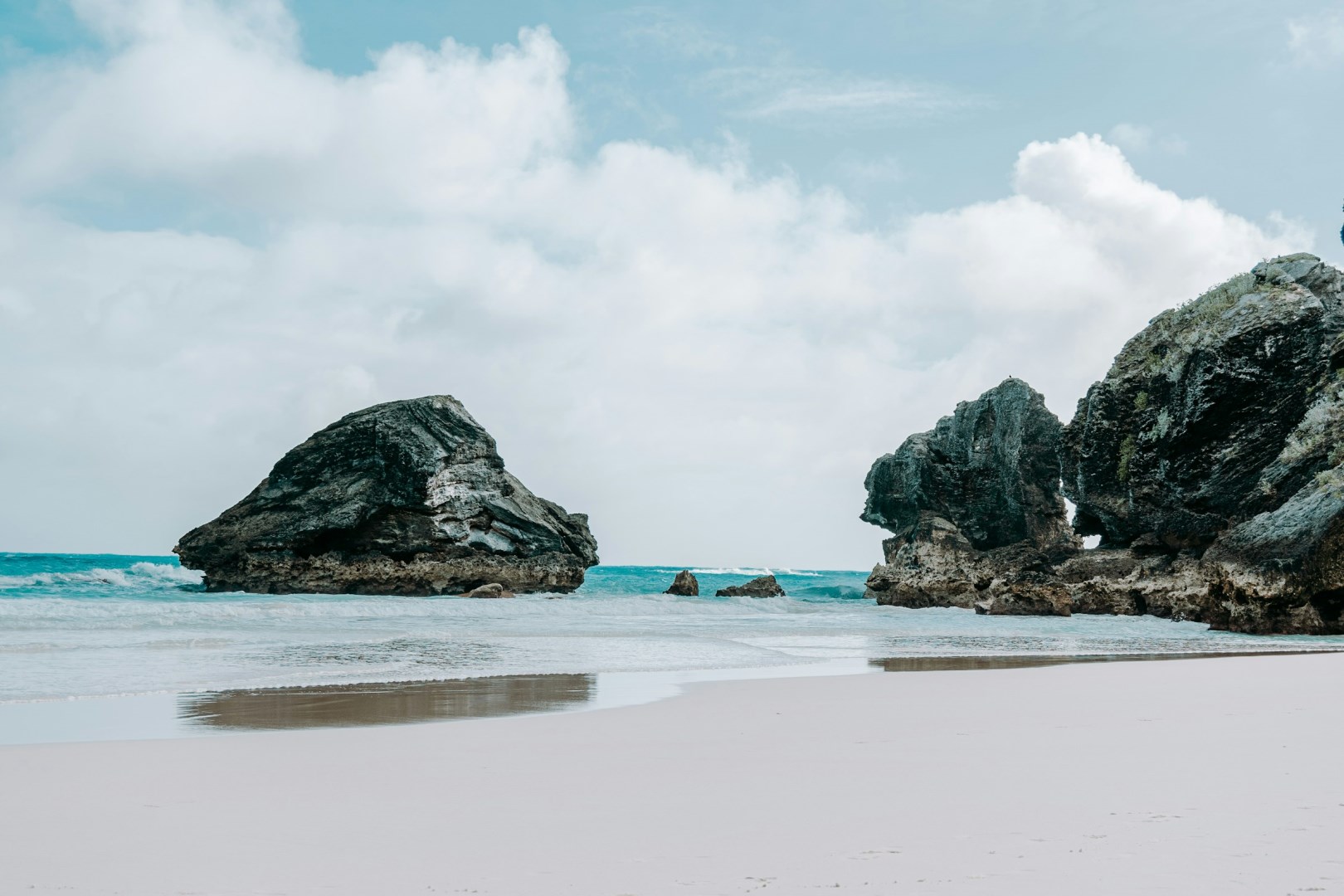
Horseshoe Bay
Horseshoe Bay is a broad crescent-shaped beach on Bermuda’s South Shore in Southampton Parish, named for the curve formed by its shoreline. Its pale pink sand contrasts with the blue Atlantic water, while limestone cliffs and rocky outcrops frame both ends of the beach. The shoreline is part of Bermuda’s protected coastal environment, with dunes and native vegetation growing behind the sand.
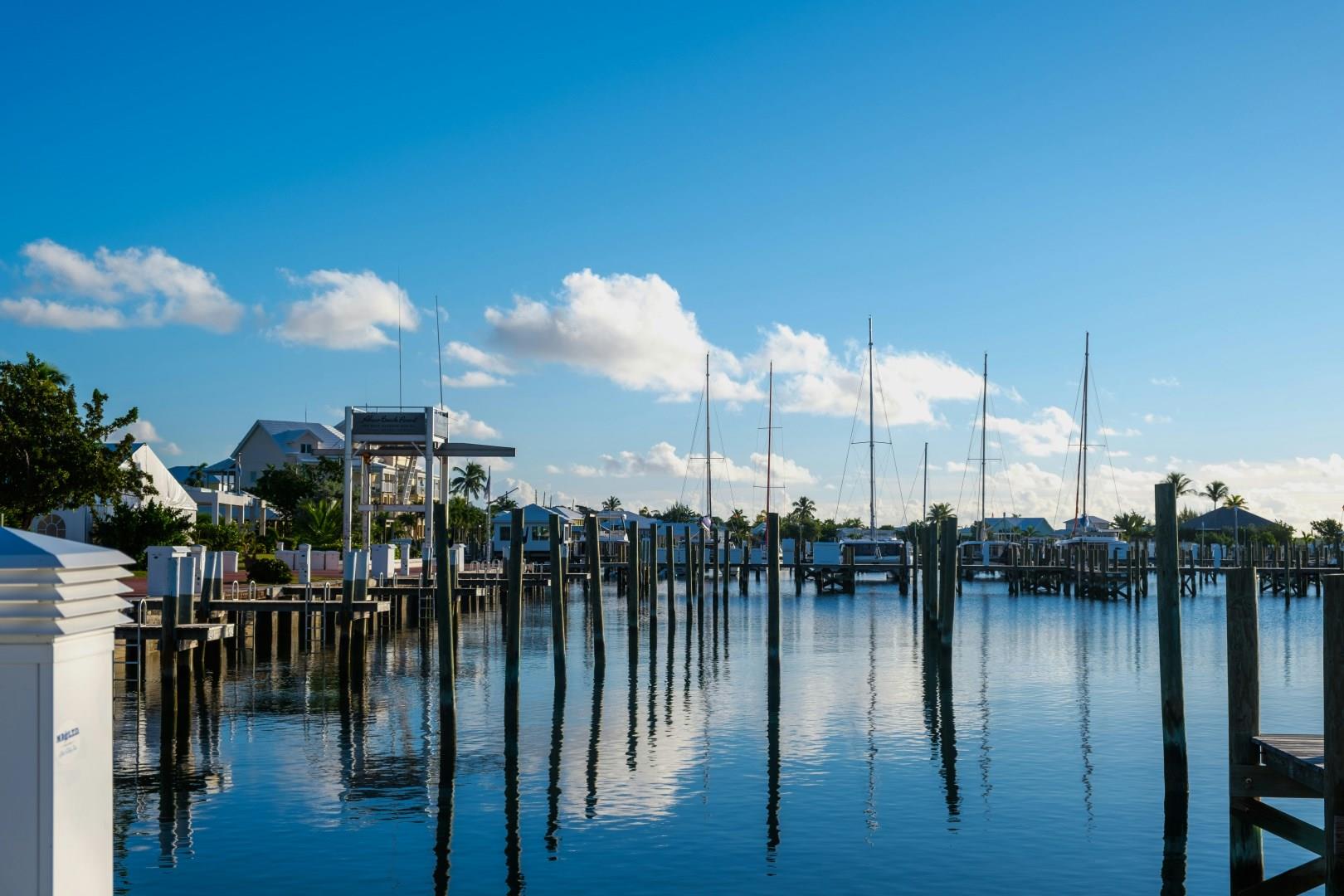
Abaco
The Abaco Islands, part of The Bahamas, stretch across more than 120 cays and islands, offering a laid-back yet adventurous escape. Known for their calm waters and sheltered harbors, the Abacos are often called the sailing capital of The Bahamas, drawing boaters and yachters from around the world.
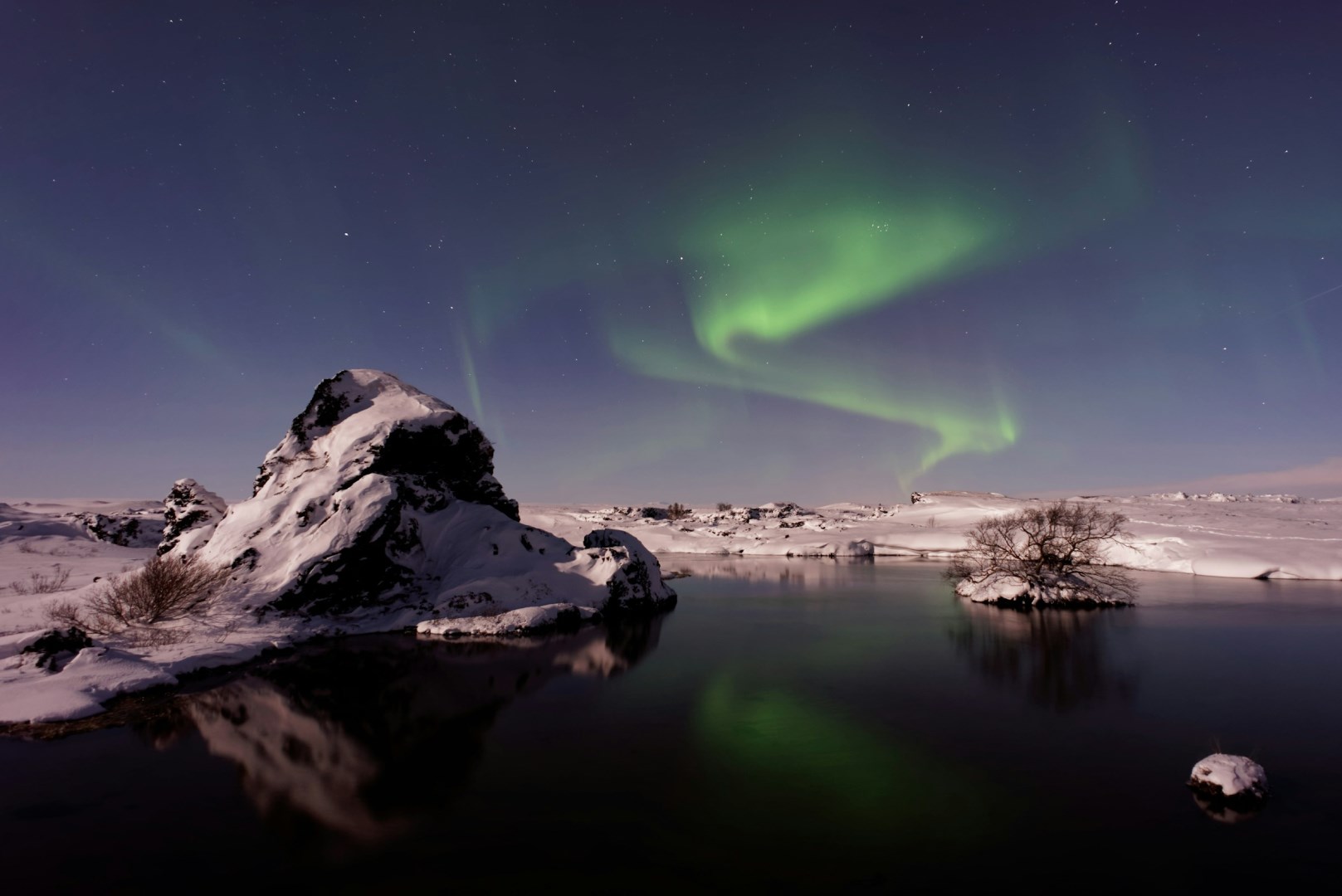
Mývatn
Mývatn is a lake and surrounding region in North Iceland, known for its shallow waters, numerous small islands, volcanic formations, and rich birdlife. The lake covers about 37 square kilometers and is part of an internationally important wetland together with the Laxá River. The surrounding landscape was shaped by volcanic activity, creating a mixture of lava fields, craters, geothermal areas, and wetlands within a relatively compact area.
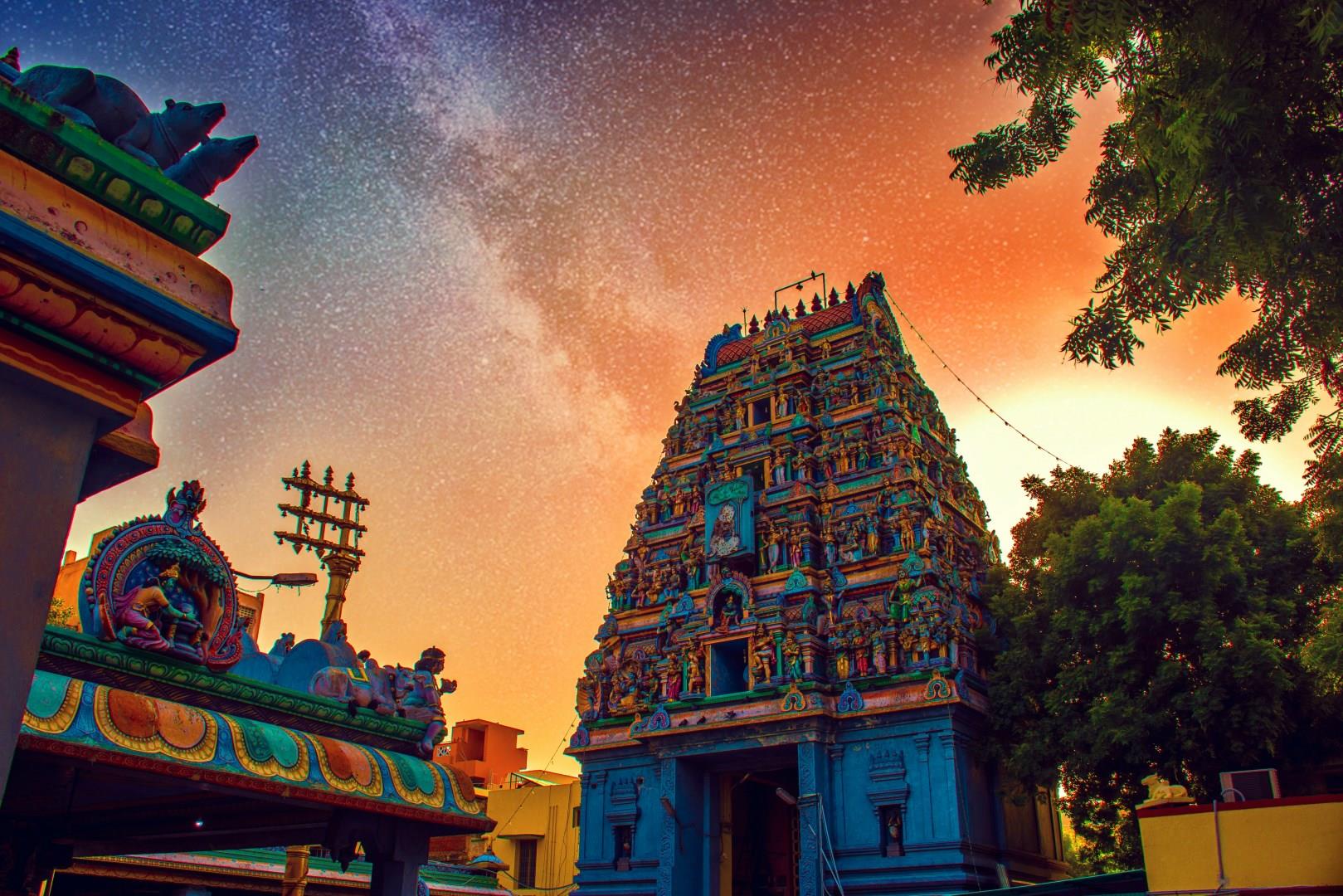
Chennai
Chennai, the capital of Tamil Nadu, is one of India’s oldest continuously inhabited cities, where ancient temples stand alongside colonial-era architecture and modern skyscrapers. Originally known as Madras, the city grew around Fort St. George, built by the British East India Company in 1644. One of Chennai’s most well-known features is Marina Beach, which stretches for over 13 kilometers and is among the longest urban beaches in the world.
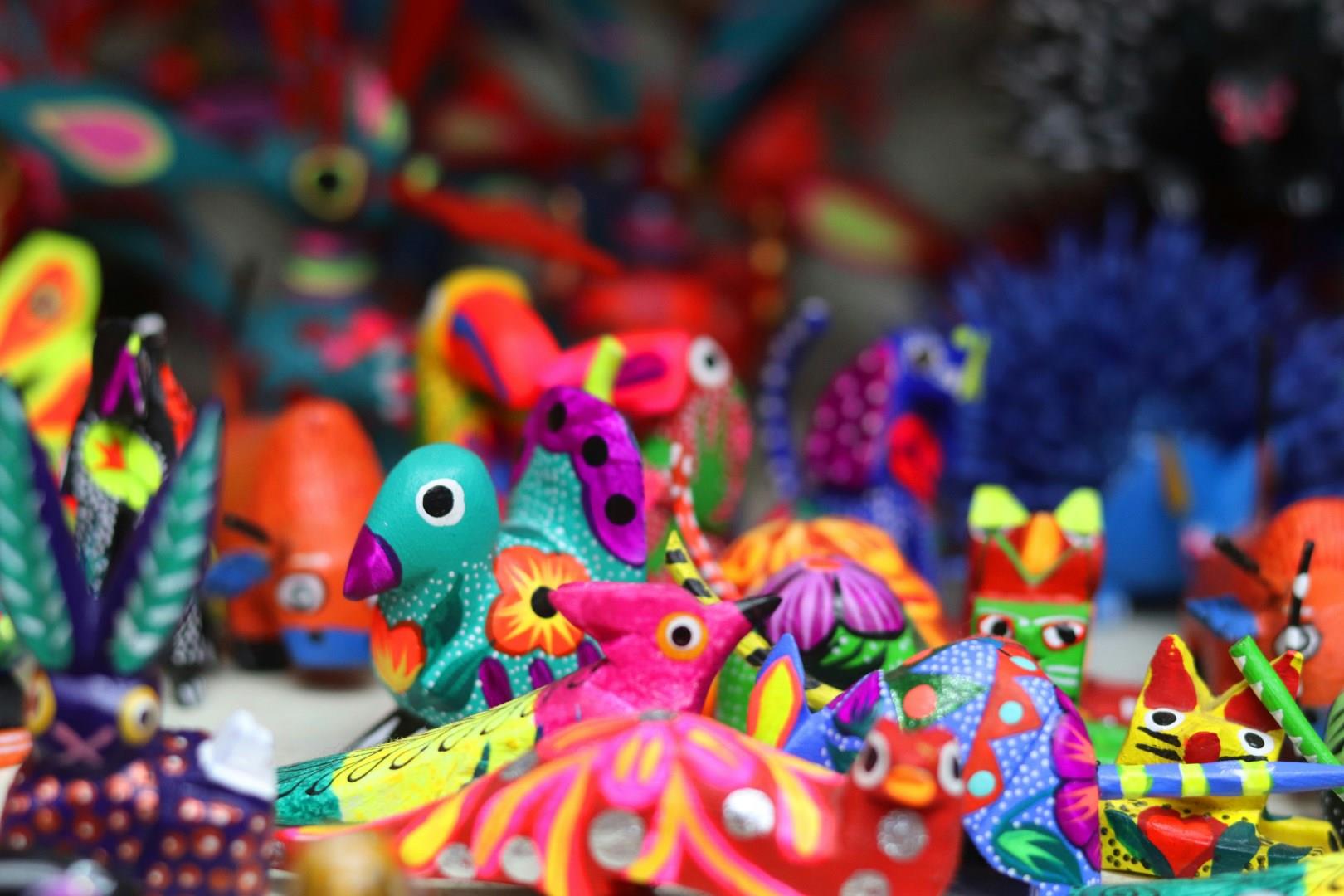
Oaxaca
Oaxaca, nestled in the heart of southern Mexico, is a city where ancient traditions and vibrant culture thrive. Renowned for its rich history and indigenous heritage, Oaxaca offers a unique blend of pre-Columbian, colonial, and modern influences. The city's historic center, a UNESCO World Heritage site, is a testament to its past, featuring stunning colonial architecture such as the Santo Domingo de Guzmán Church, a masterpiece of Baroque art.
