
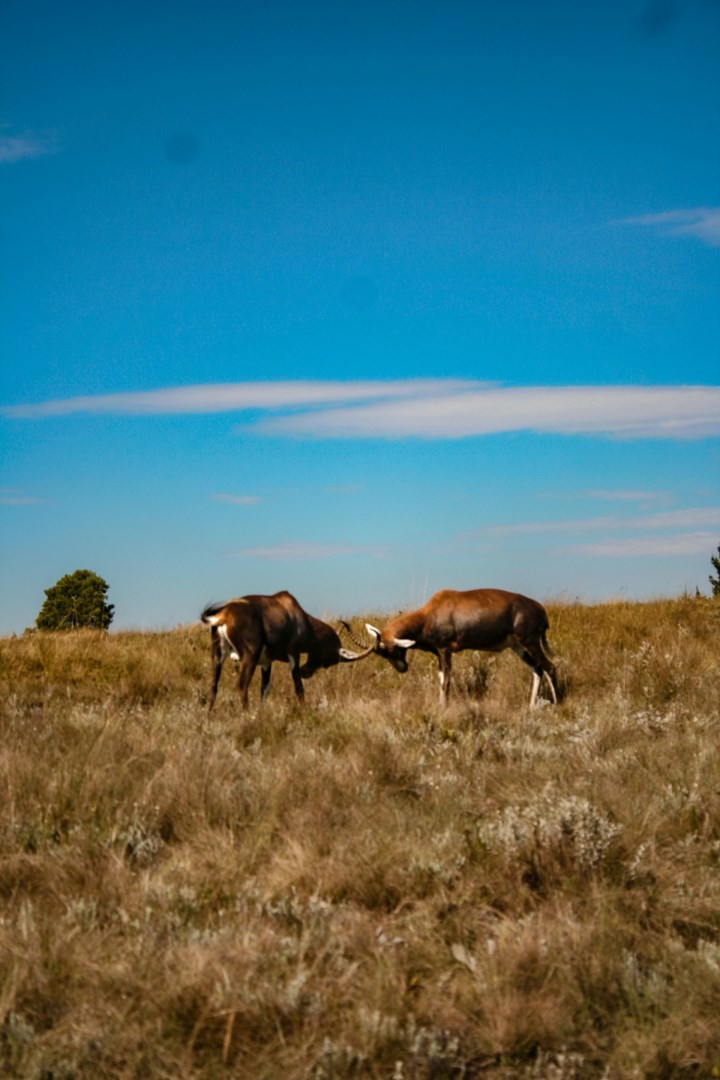
Malolotja National Park
Malolotja Nature Reserve, often referred to as Malolotja National Park, lies in the northwestern highlands of Eswatini, close to the South African border. Covering more than 18,000 hectares, it protects one of the country’s largest areas of mountain wilderness, with rolling grasslands, deep valleys, wetlands, woodland, and mistbelt forest.
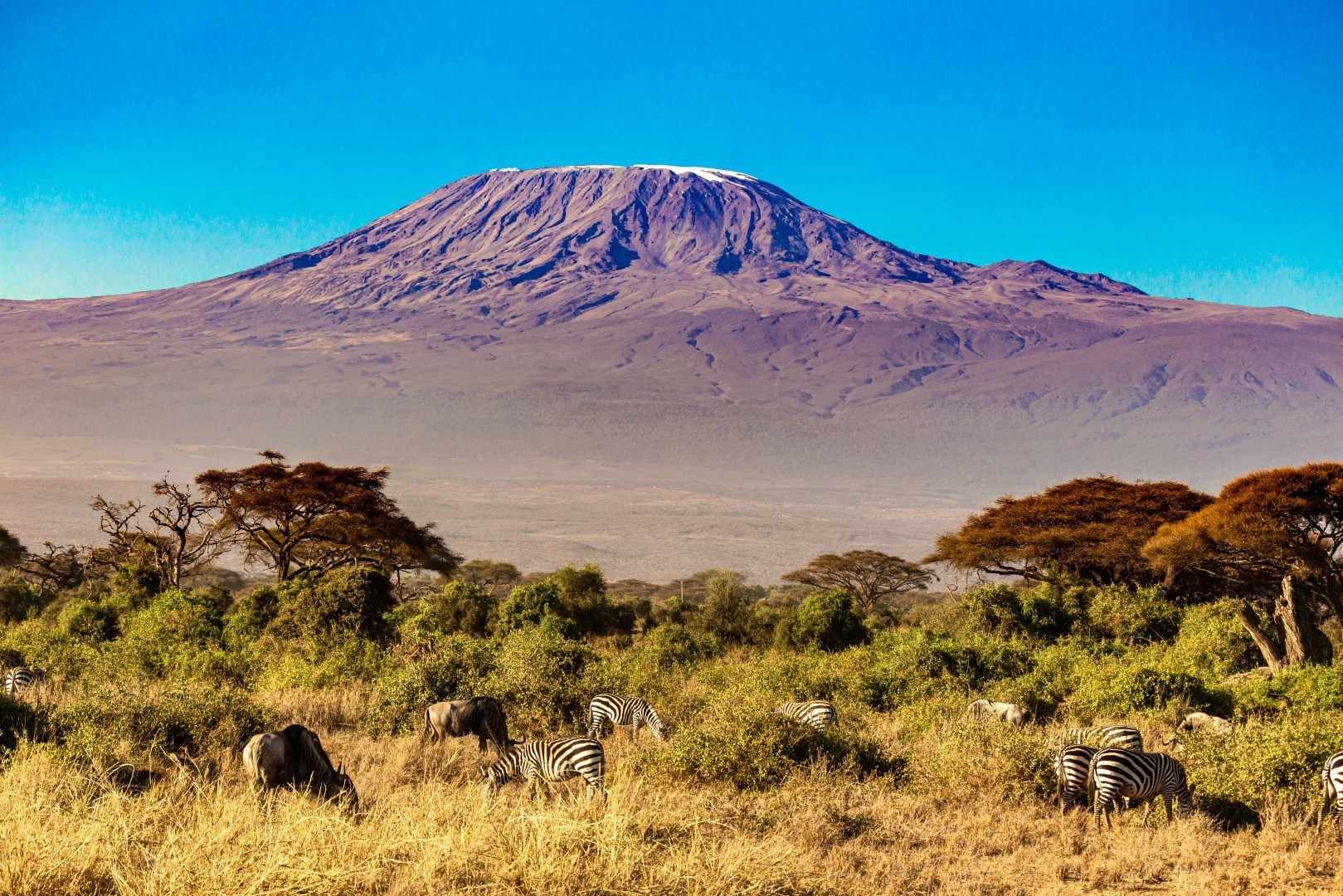
Amboseli
Amboseli is a wildlife region in southern Kenya, centered on Amboseli National Park in Kajiado County near the border with Tanzania. Its landscape is defined by open plains, seasonal lake beds, acacia woodland, and freshwater swamps, with Mount Kilimanjaro rising prominently across the border to the south.

Tangier
Located on the north coast of Morocco near the Strait of Gibraltar, Tangier is a cultural capital replete with historic sites, colorful architecture, and splendid beaches. An essential stop is the Ancien Medina, a walled collection of winding streets and alleys filled with cafes and shops leading to the Kasbah, a former palace and mosque that also houses a museum.
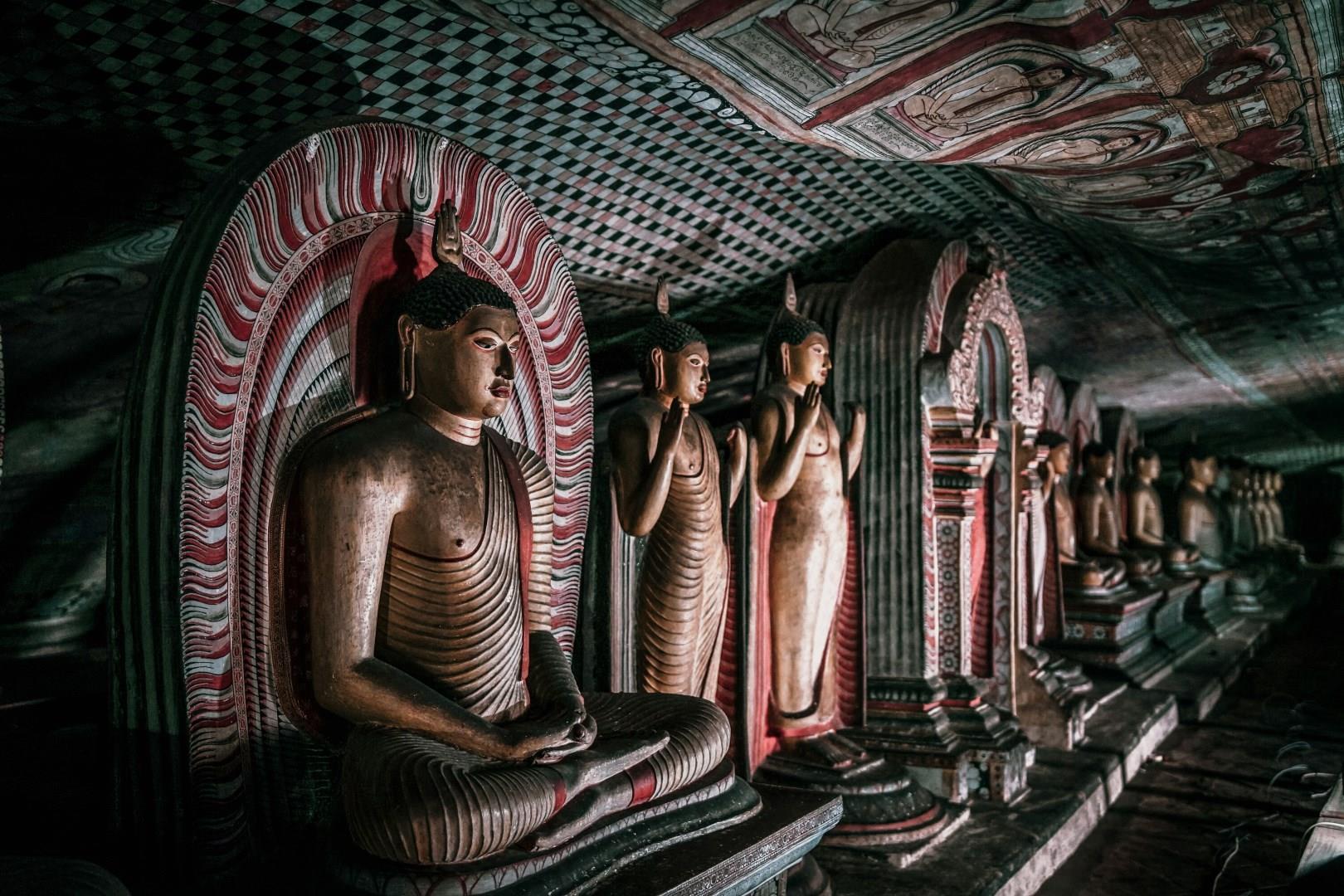
Dambulla
Dambulla, situated in the Central Province of Sri Lanka, is best known for its rock temple complex that has been in use for over two thousand years. The Dambulla Cave Temple, also called the Golden Temple of Dambulla, is made up of five caves carved into a granite outcrop, filled with over 150 Buddha statues and intricate wall paintings. These caves were first used by King Valagamba in the 1st century BCE as a refuge during exile, and later transformed into a sacred site.
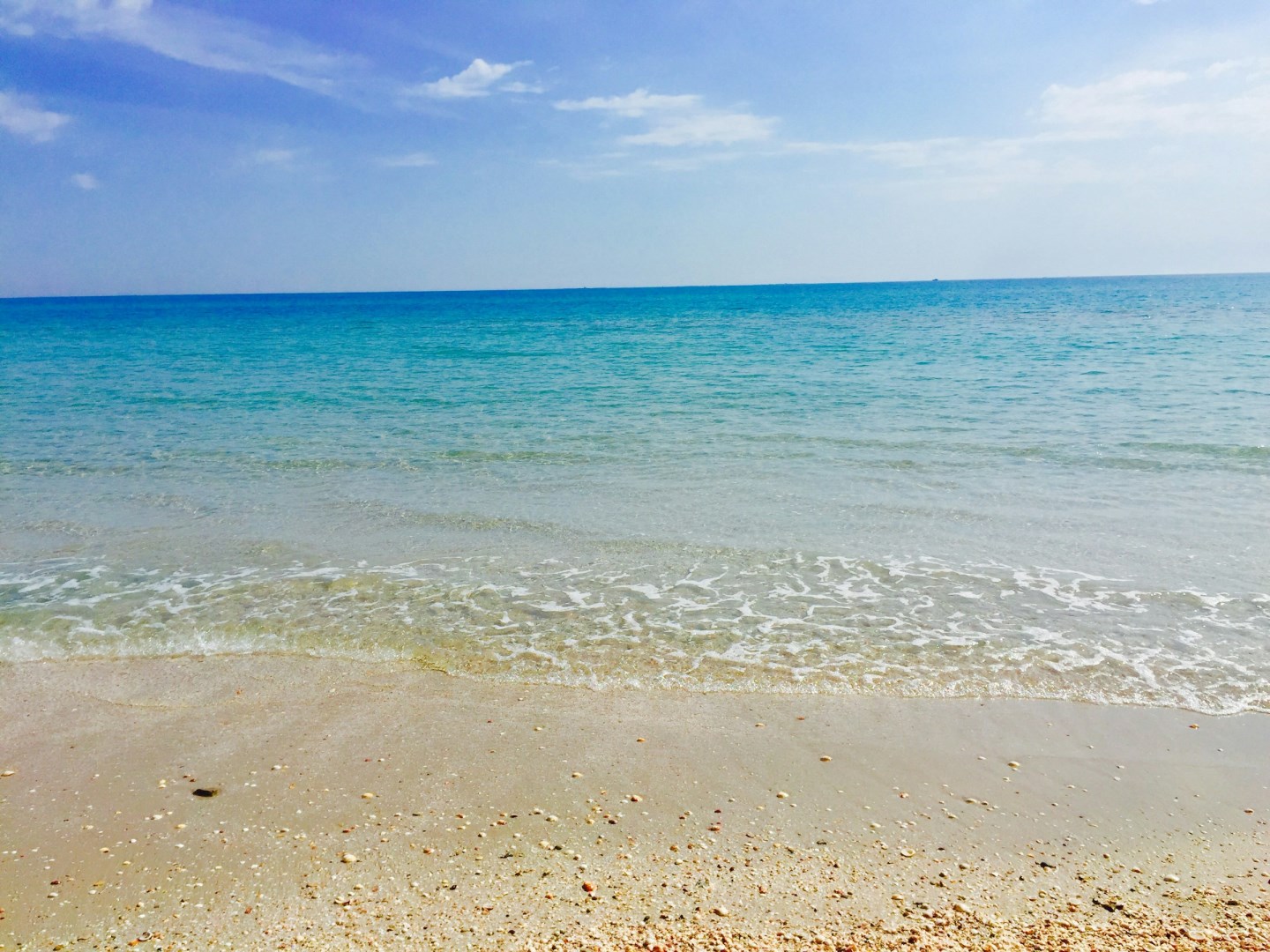
Mahdia
Mahdia is a coastal city in central-eastern Tunisia, set on a narrow peninsula extending into the Mediterranean. Its position between the sea and the mainland has shaped the city’s identity as a fishing port and coastal settlement. The historic medina occupies the peninsula, with whitewashed buildings, narrow streets, and a waterfront lined with fishing boats. Mahdia is also known for its long sandy beaches and clear coastal waters.
