
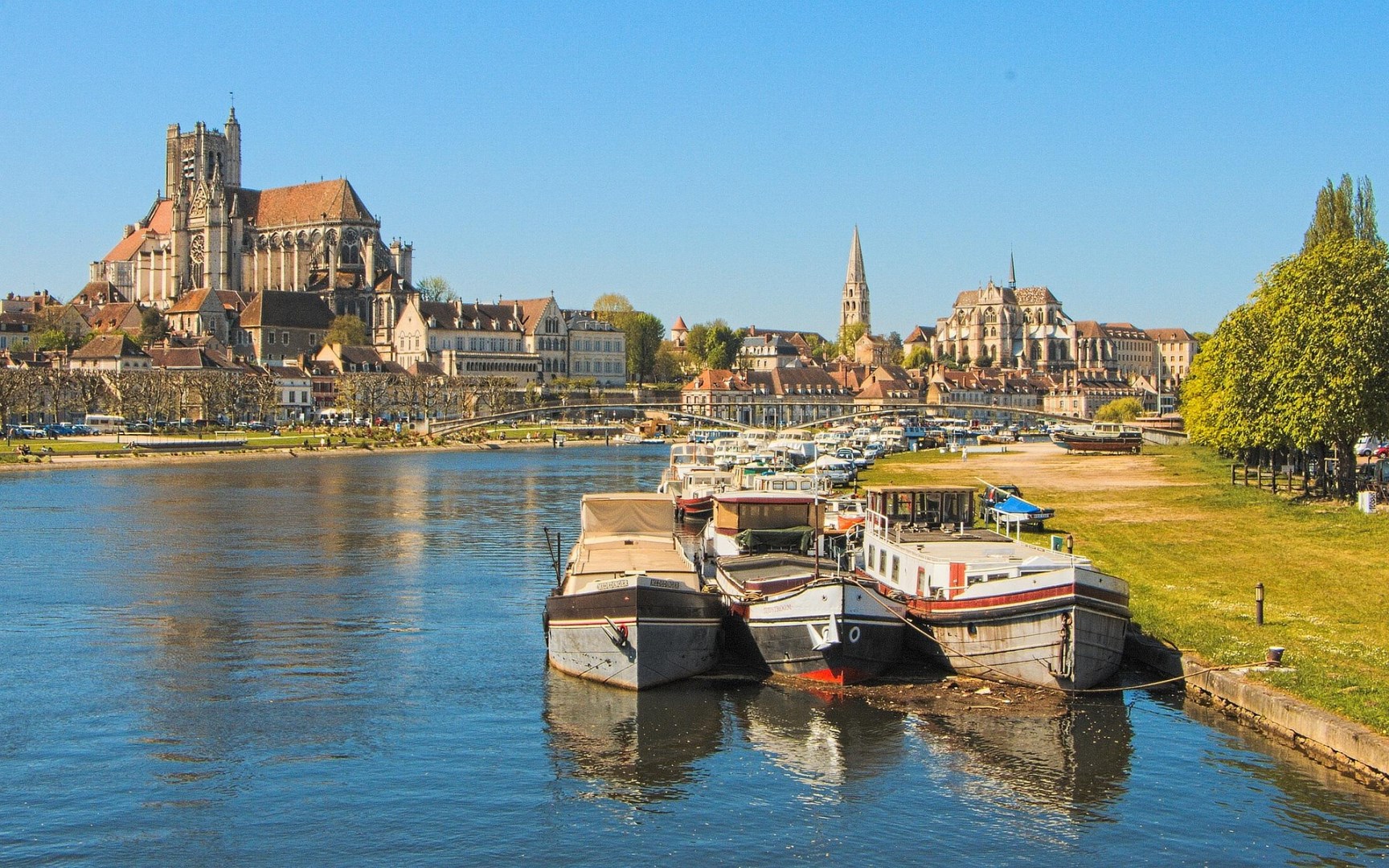
Auxerre
Auxerre is a picturesque city located southeast of Paris and is the capital of the Yonne department.

Roatán
Roatan is the largest of the eight islands known collectively as Las Islas de la Bahia. Brilliant clear blue waters and palm fringed beaches are cooled by gentle trade winds. An extensive reef system offers the most spectacular diving and snorkeling in the Western hemisphere, while inland nature reserves give an up-close look at native wildlife, including monkeys, sloths, and parrots.
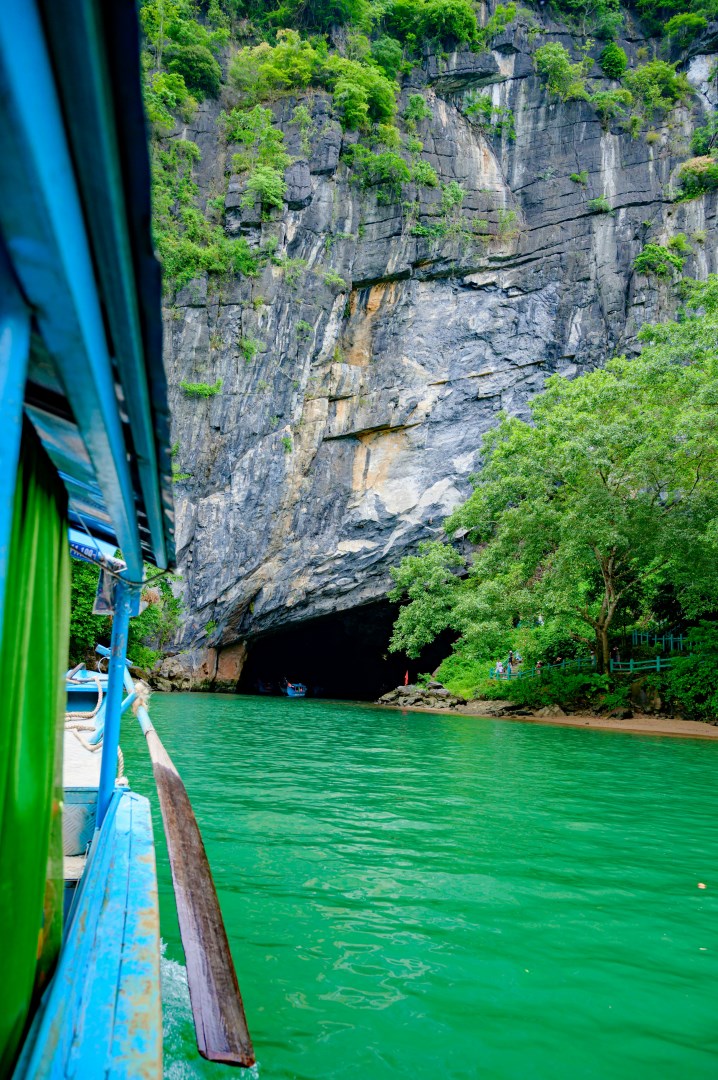
Phong Nha - Ke Bang National Park
Kẻ Bàng National Park lies in central Vietnam, near the border with Laos, and is known for its vast network of limestone mountains and underground rivers. The park forms part of one of the oldest karst landscapes in Asia, shaped over millions of years into a maze of caves, cliffs, and dense forest. Among its most famous features is Sơn Đoòng Cave, recognized as the largest cave on Earth, with sections so vast that clouds can form inside and a jungle grows beneath its collapsed roof.
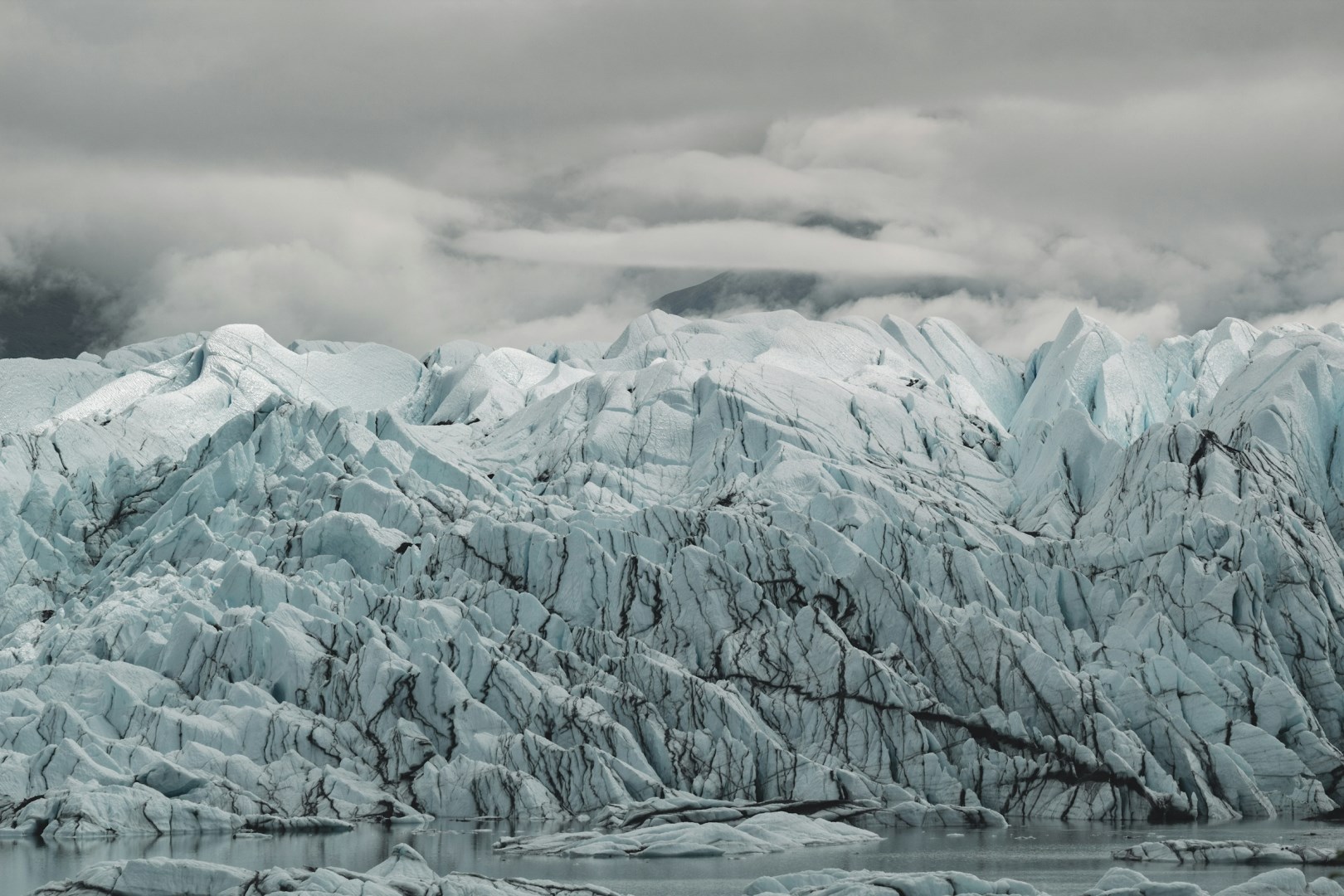
Matanuska Glacier
Matanuska Glacier is one of Alaska’s largest road-accessible glaciers, flowing through the Matanuska Valley northeast of Anchorage. The glacier stretches for roughly 27 miles and descends from the Chugach Mountains toward the valley floor, where its broad ice surface is bordered by steep mountain slopes and rocky terrain. The Glenn Highway follows the Matanuska River valley and provides access to viewpoints and guided glacier tours.
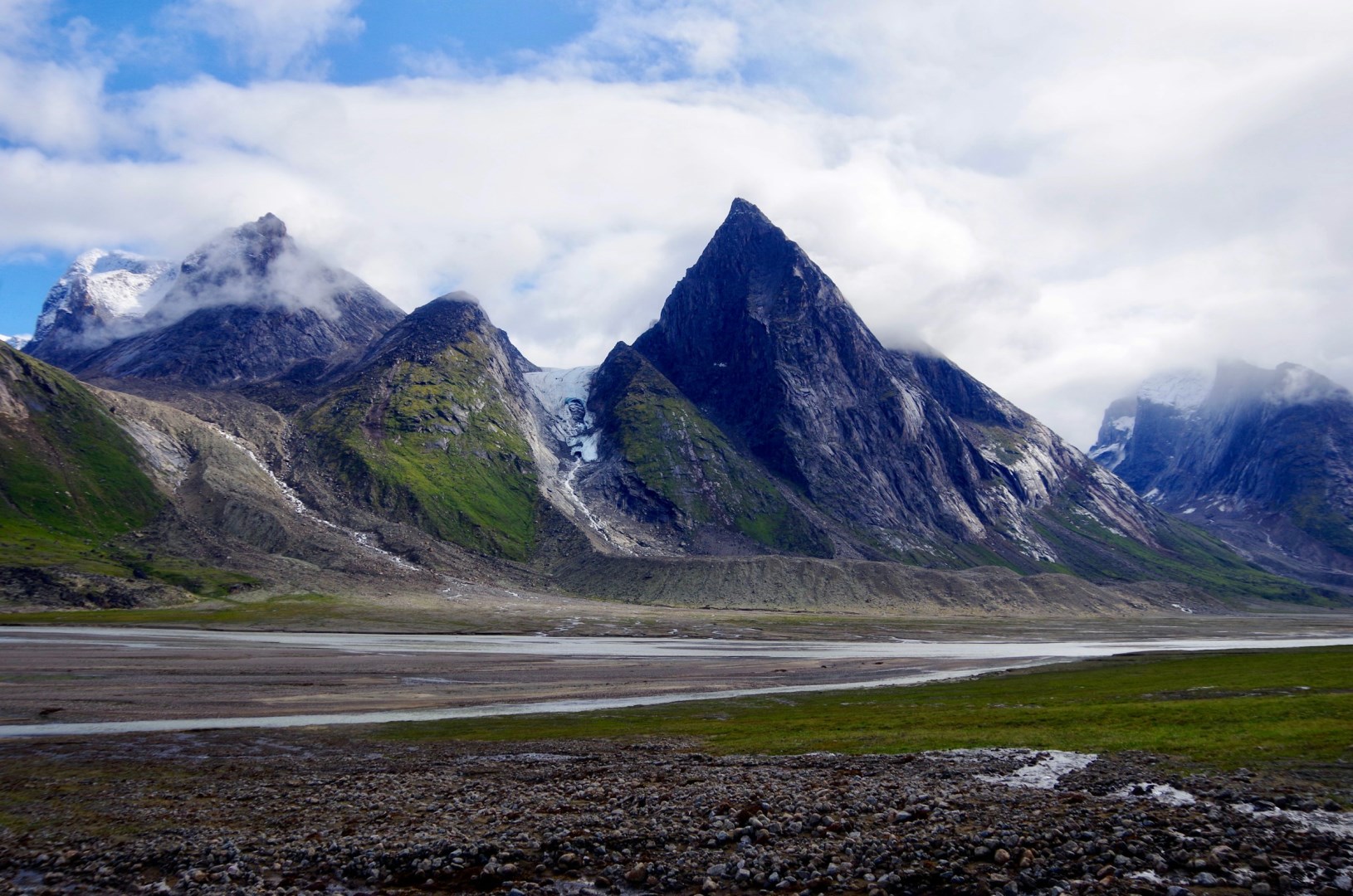
Auyuituq National Park
Auyuittuq National Park is a vast protected landscape on southeastern Baffin Island in Nunavut, extending between the communities of Pangnirtung and Qikiqtarjuaq. Its name means “land that never melts” in Inuktitut, reflecting the park's extensive ice and snow. Towering granite peaks, deep fjords, glaciers, rivers, and tundra dominate the landscape, while the Penny Ice Cap covers a large section of the interior.
