
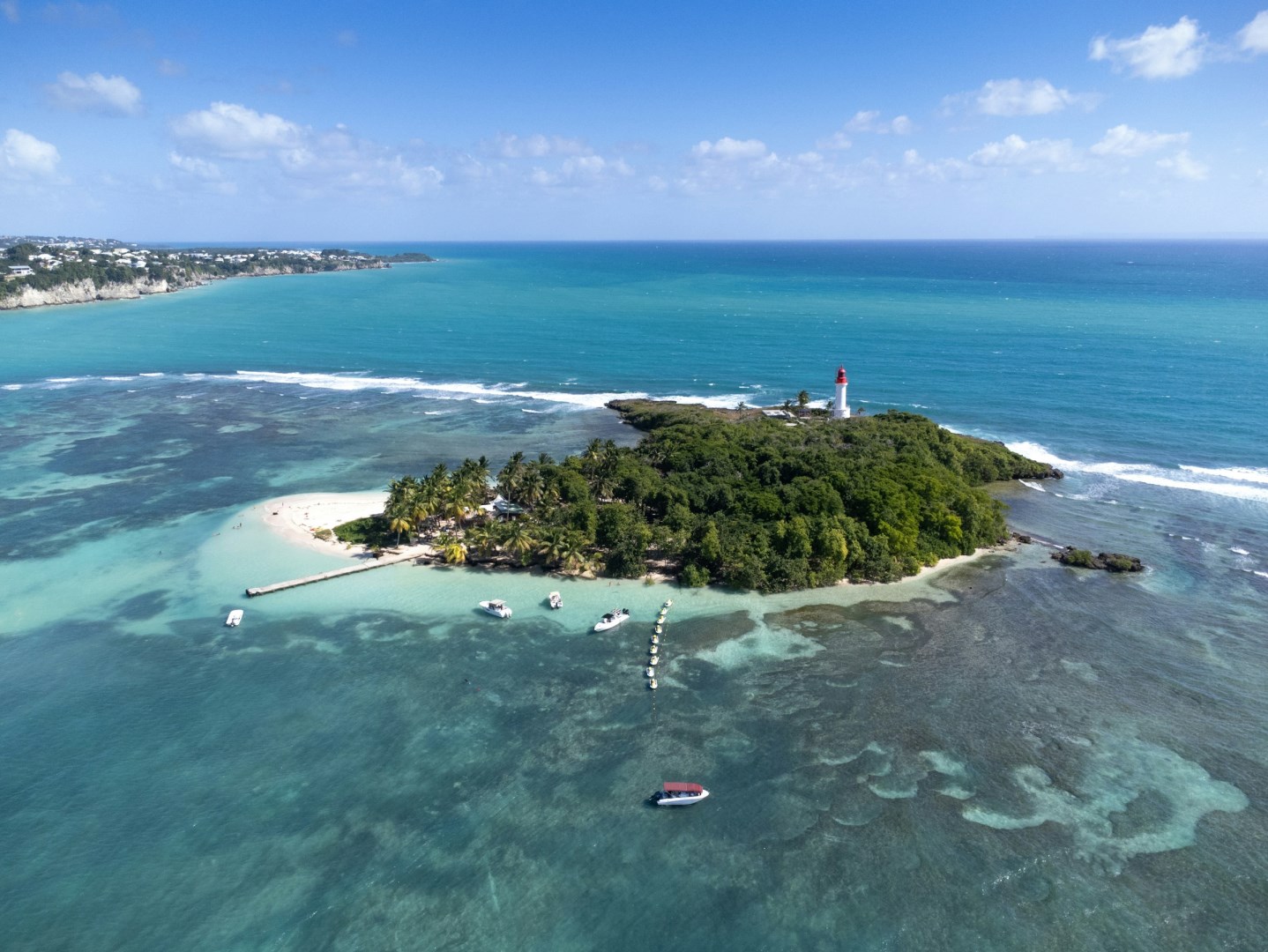
Le Gosier
Gosier, the largest tourist area, has the works - casino, resort hotels, scalloped sandy coves and an original village center which has managed to retain its local character.
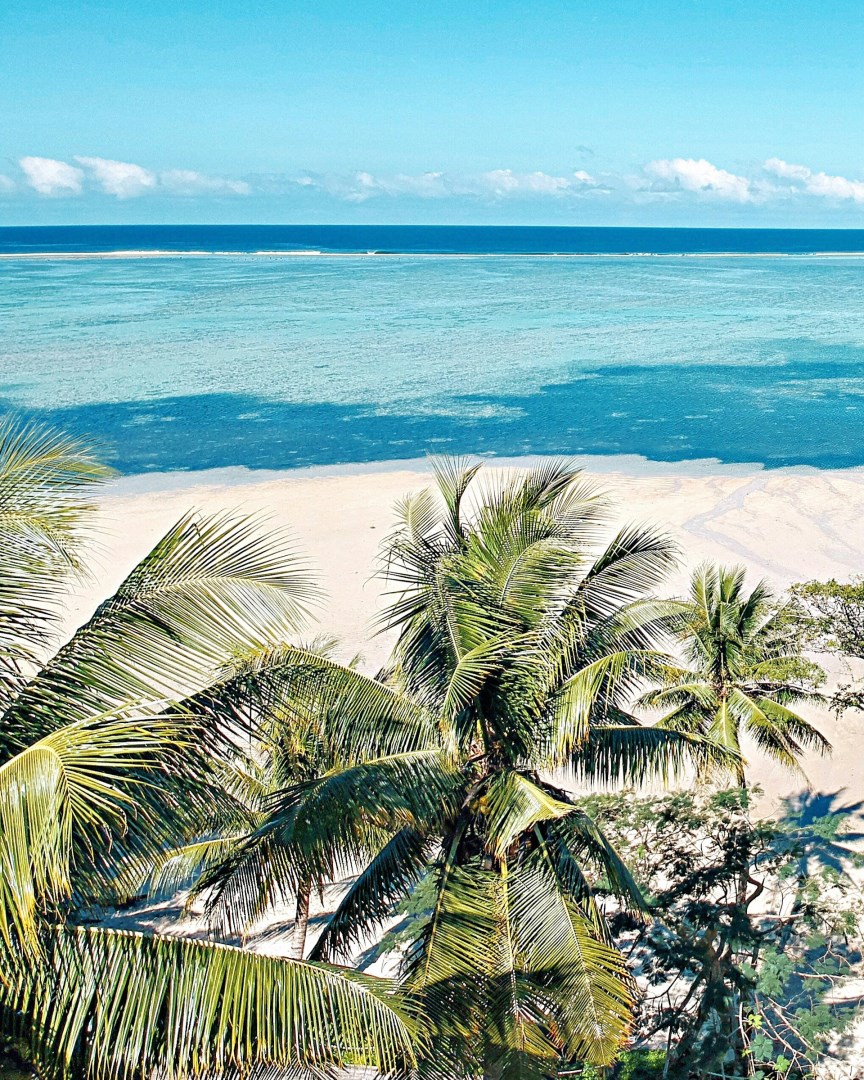
Viti Levu
Viti Levu is Fiji’s largest island and the country’s main centre of population, government and commerce. More than 70 percent of Fiji’s residents live on the island, which includes the capital, Suva, in the southeast and Nadi, the principal international gateway, in the west.
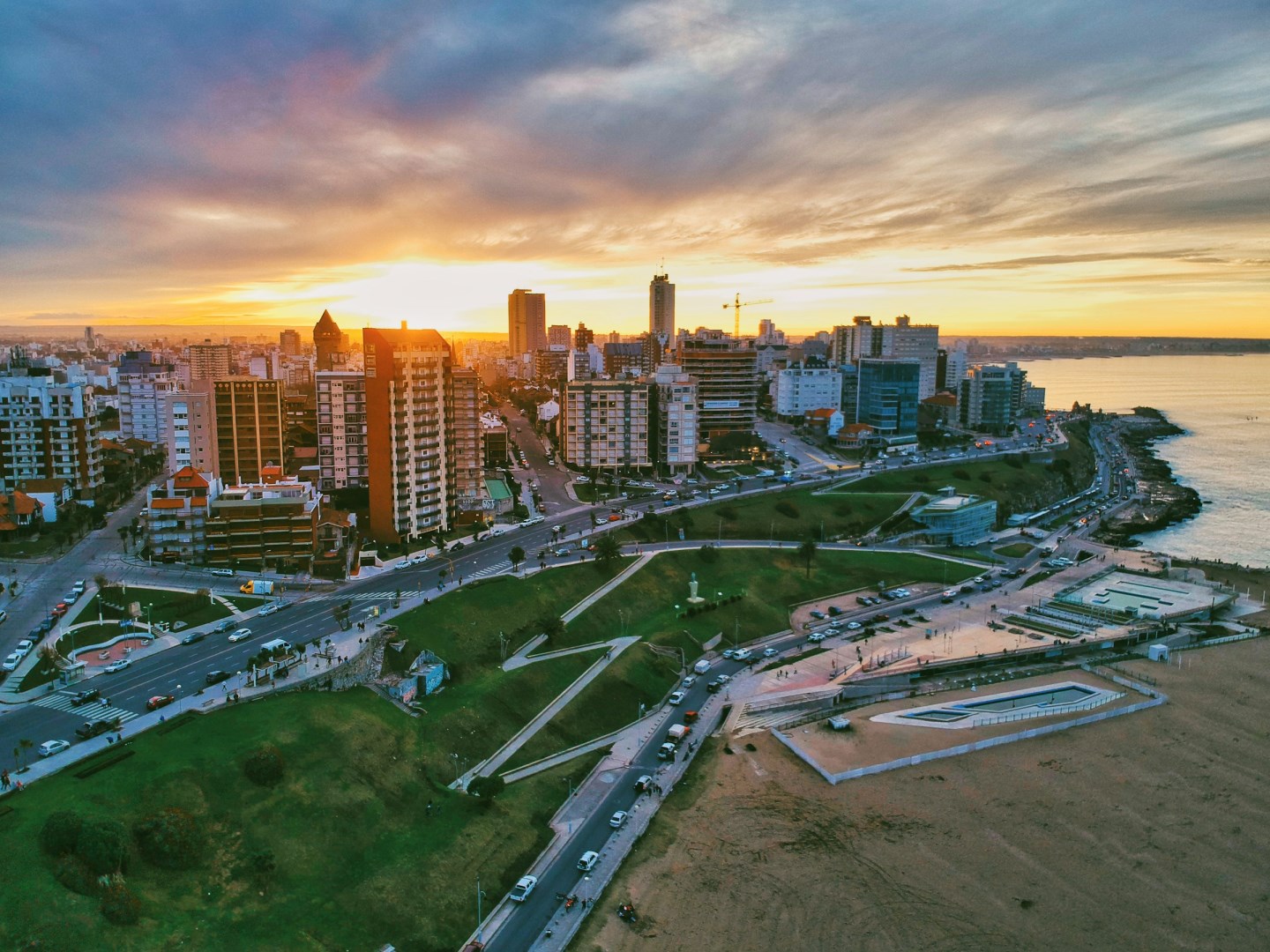
Mar Del Plata
If summer means the beach to the inhabitants of Greater Buenos Aires, Mar del Plata is most often the beach they are thinking of. Situated on the northern Atlantic coast, 400km from the capital, beaches in this area sprawl for eight km, with sophisticated mansions (reflecting the area's upper-class origins) mingling with the new middle-class resorts. Sea lions keep an eye on the fishing activities around the wharves, and a replica of the grotto of Lourdes is a kitsch paradise.
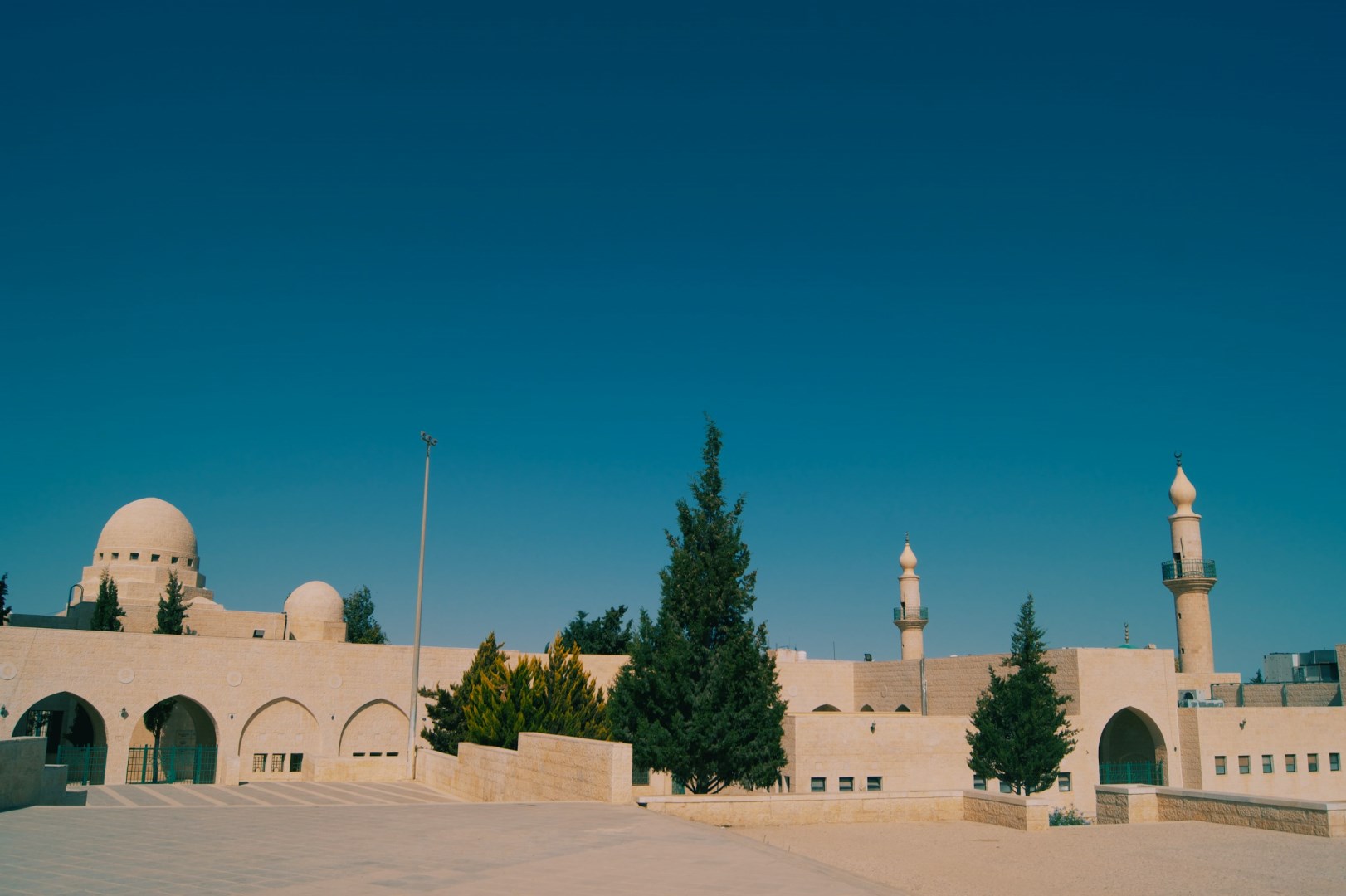
Kerak
Kerak is a fortress town 75 miles (120km) from Amman, and contains one of the two major Crusader castles in the Kingdom. The castle, built to protect the approach to Jerusalem, stands on a craggy plateau 4,300ft above sea level. It was built in the early part of the 12th century and held for 50 years by the Crusaders until they were defeated by Salah al Din (Saladin) in 1189.
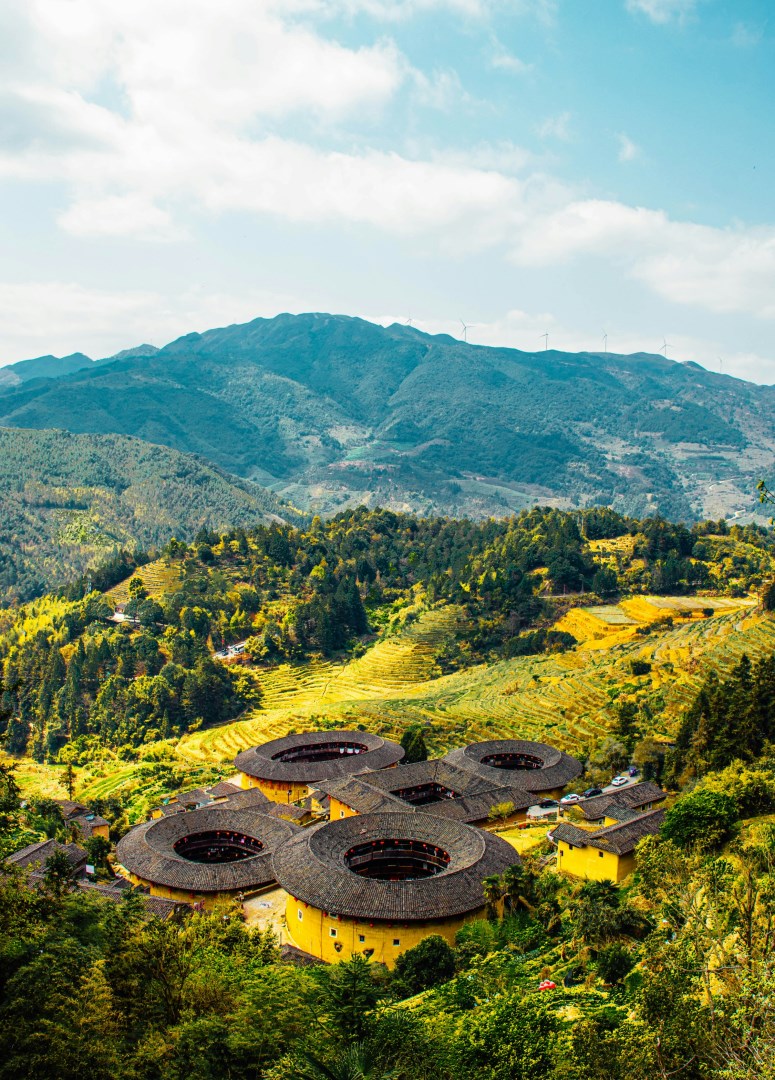
Xiamen
The next boom city in China. It's already been pegged. Xiamen, China, is the closest point on the mainland to Taiwan, and there is a great deal of investment flowing into the city. You'll enjoy the city mainly for its colonial mansions, twisting streets, turn-of-the-century Latin quarters, and balmy breezes sweeping across its palm-fringed beaches.
