
Peso da Régua
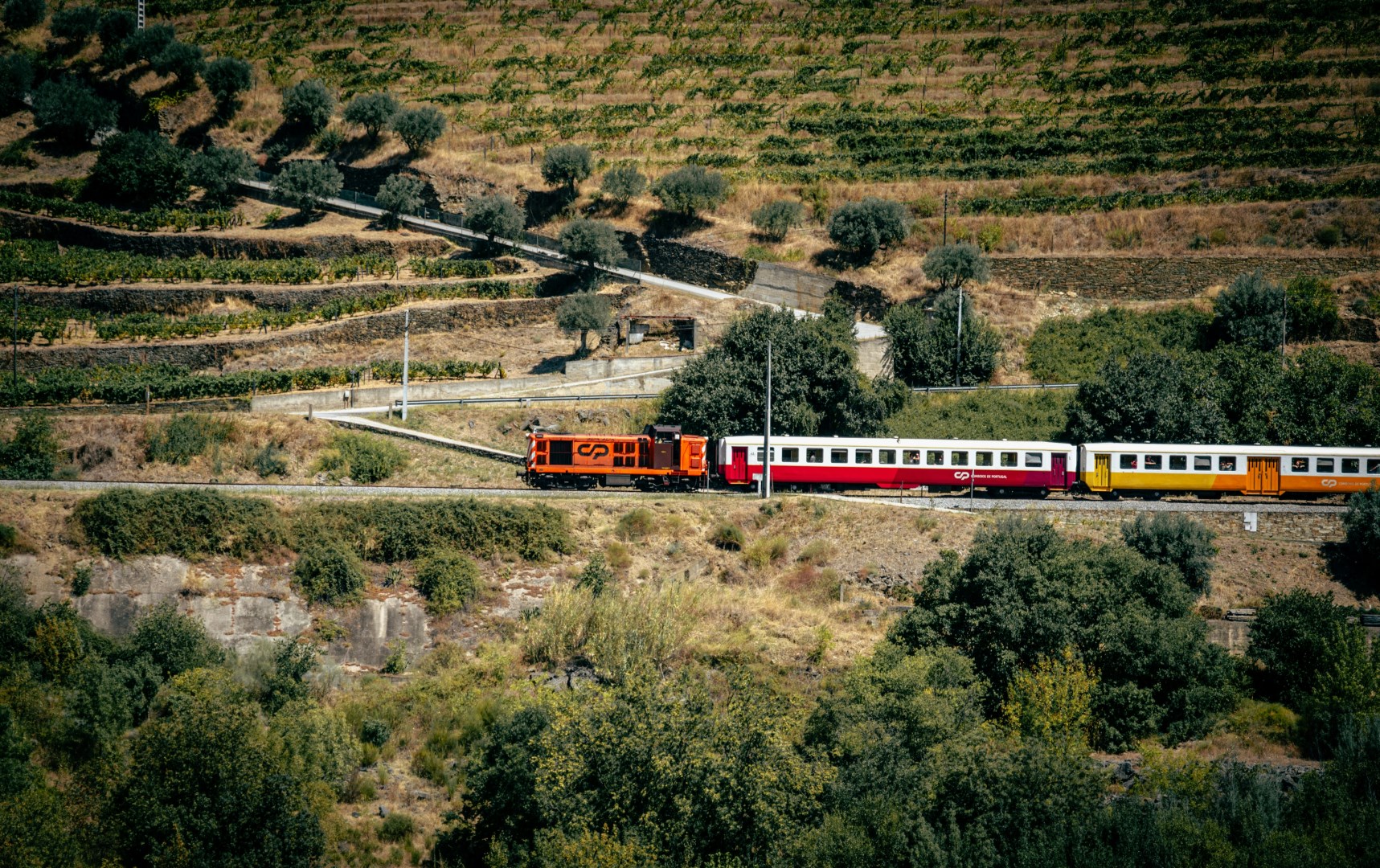
Peso da Régua, often called the gateway to Portugal's Douro Valley, sits along the banks of the Douro River and is surrounded by steep, terraced vineyards. The town has long been central to the production of the world-famous Port wine, and visitors can explore the rolling hills covered with neatly arranged grapevines that climb dramatically from the river’s edge. The town itself offers a quiet riverside charm, with narrow streets, historic buildings, and scenic viewpoints.
Karlsruhe
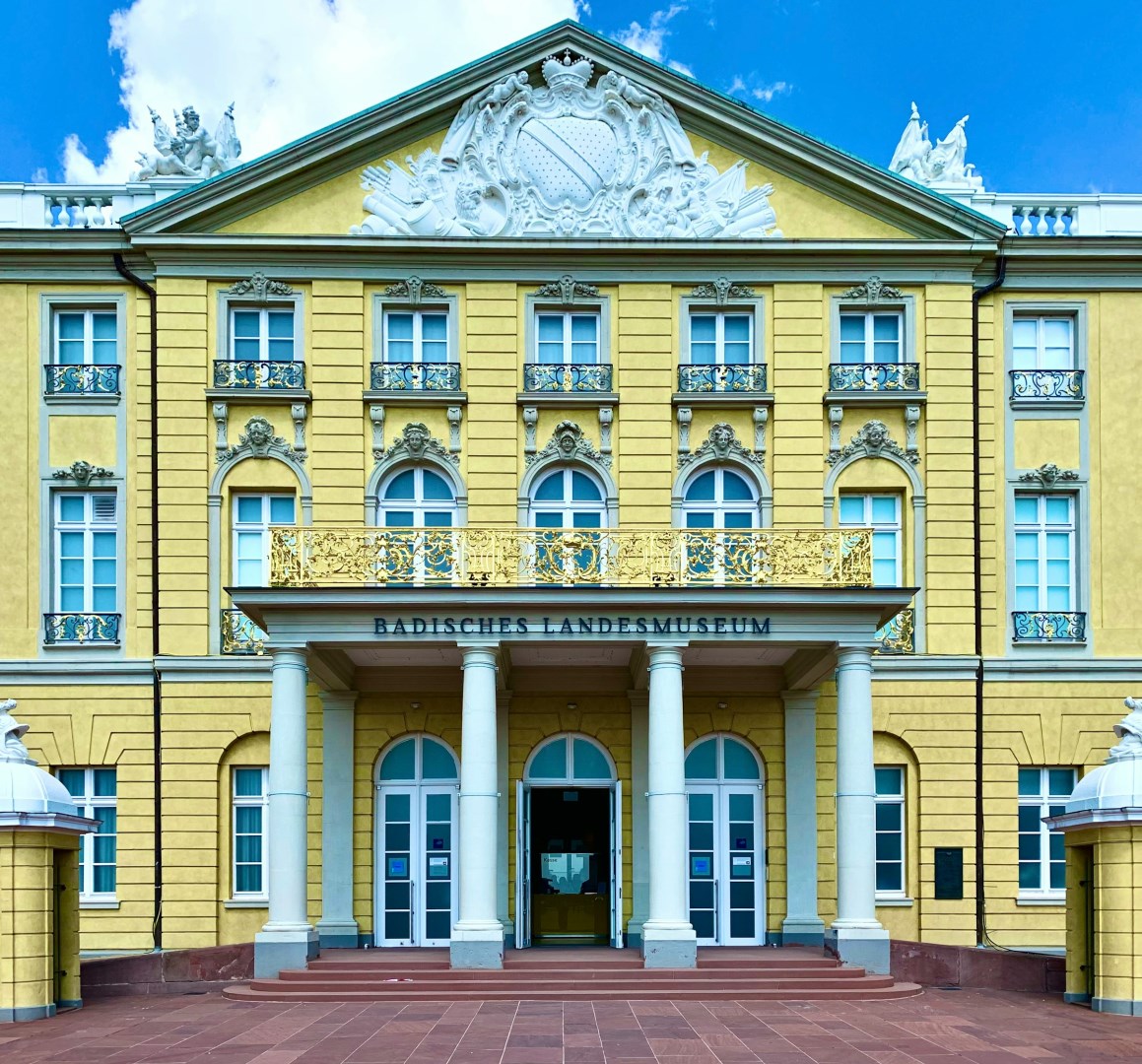
Karlsruhe, located in southwestern Germany near the French border, is a city known for its unique radial layout, rich cultural life, and role as a hub for law and technology. Founded in 1715, the city was planned around the iconic Karlsruhe Palace, with streets radiating outward like the spokes of a wheel.
Baracoa
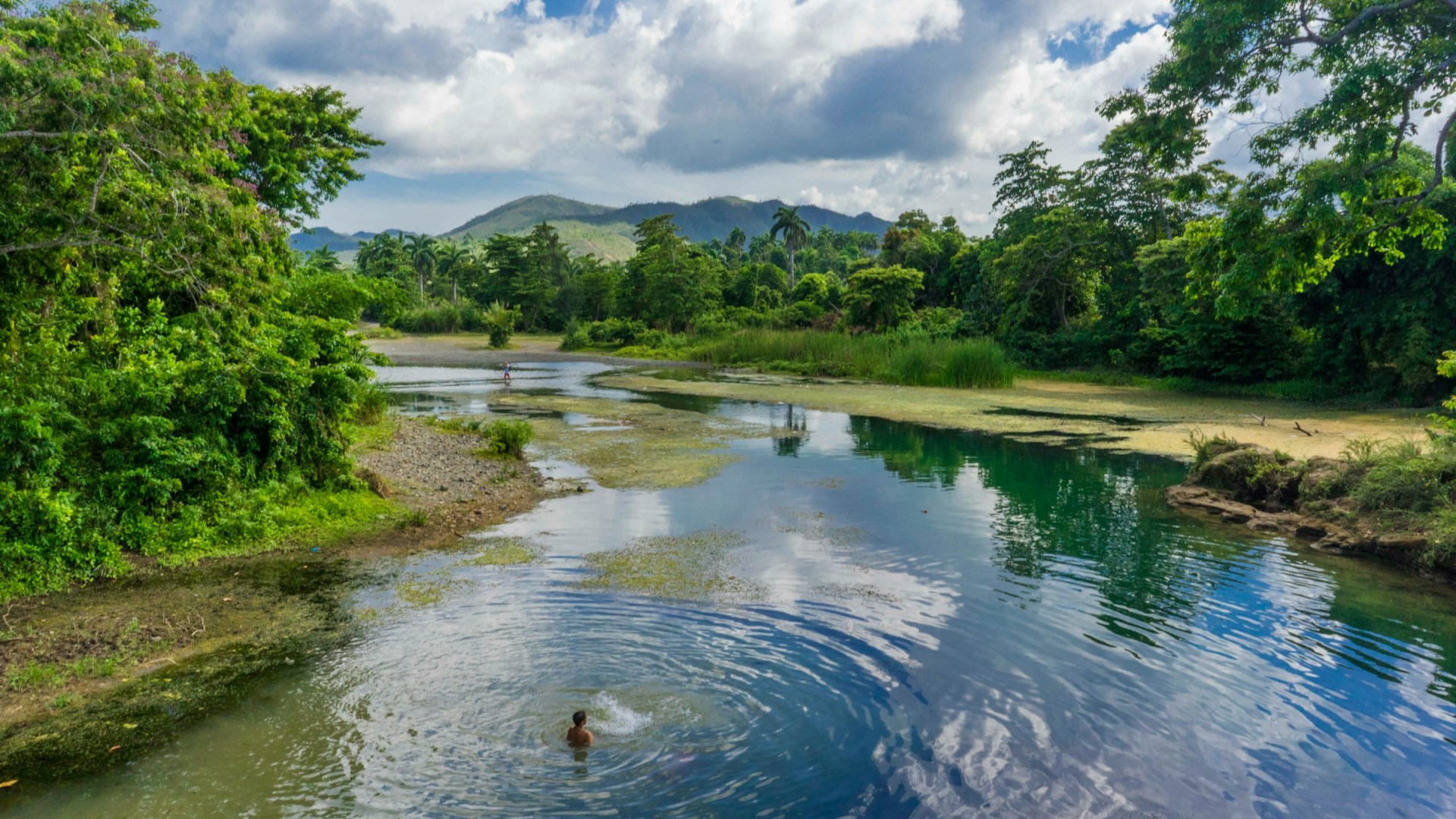
Baracoa is a historic coastal city in eastern Cuba, set between the Caribbean Sea and the forested mountains of the Cuchillas del Toa region. Often described as Cuba’s first Spanish-founded villa, it occupies a sheltered bay beneath the distinctive flat-topped El Yunque mountain, which has become a symbol of the city.
Selfoss
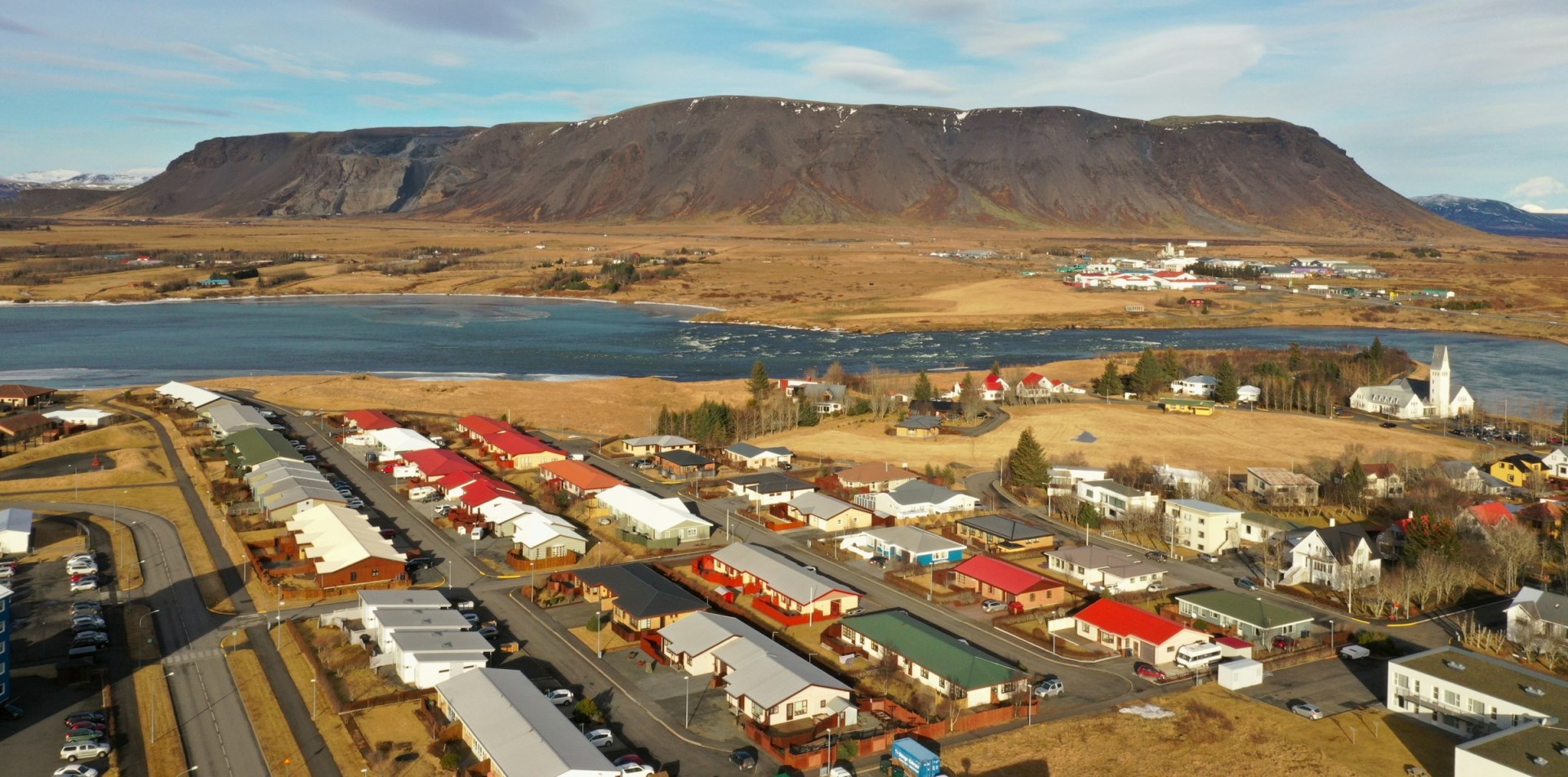
Selfoss is the largest town in South Iceland and an important service center for the surrounding agricultural communities. It stands on the Ölfusá River, whose broad waters are fed by the glacial rivers of Iceland’s southern highlands. The town is relatively modern in appearance, but its position beside the river has long made it an important crossing point and meeting place.
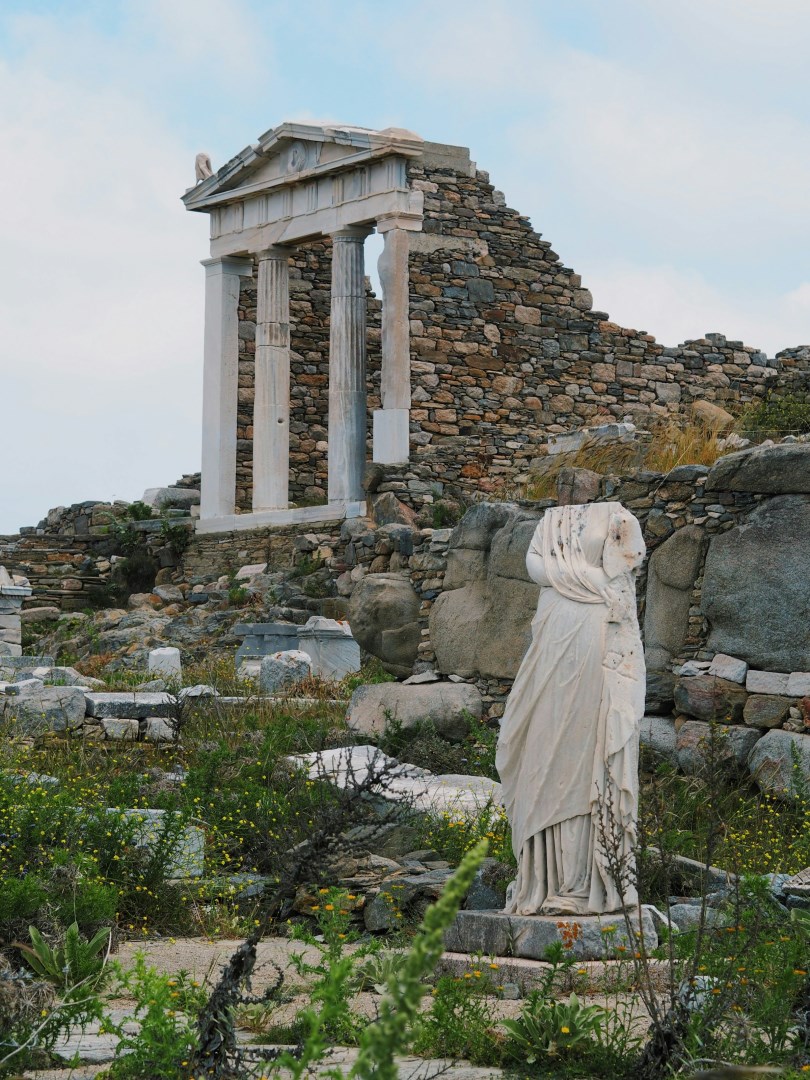
Delos
This uninhabited island is one of the finest archaeological sites in Greece. Considered a sacred island since the 7th century BC, the famous Terrace of the Lions stands guard over the "sacred lake" and the remains of the temple of Apollo.
