
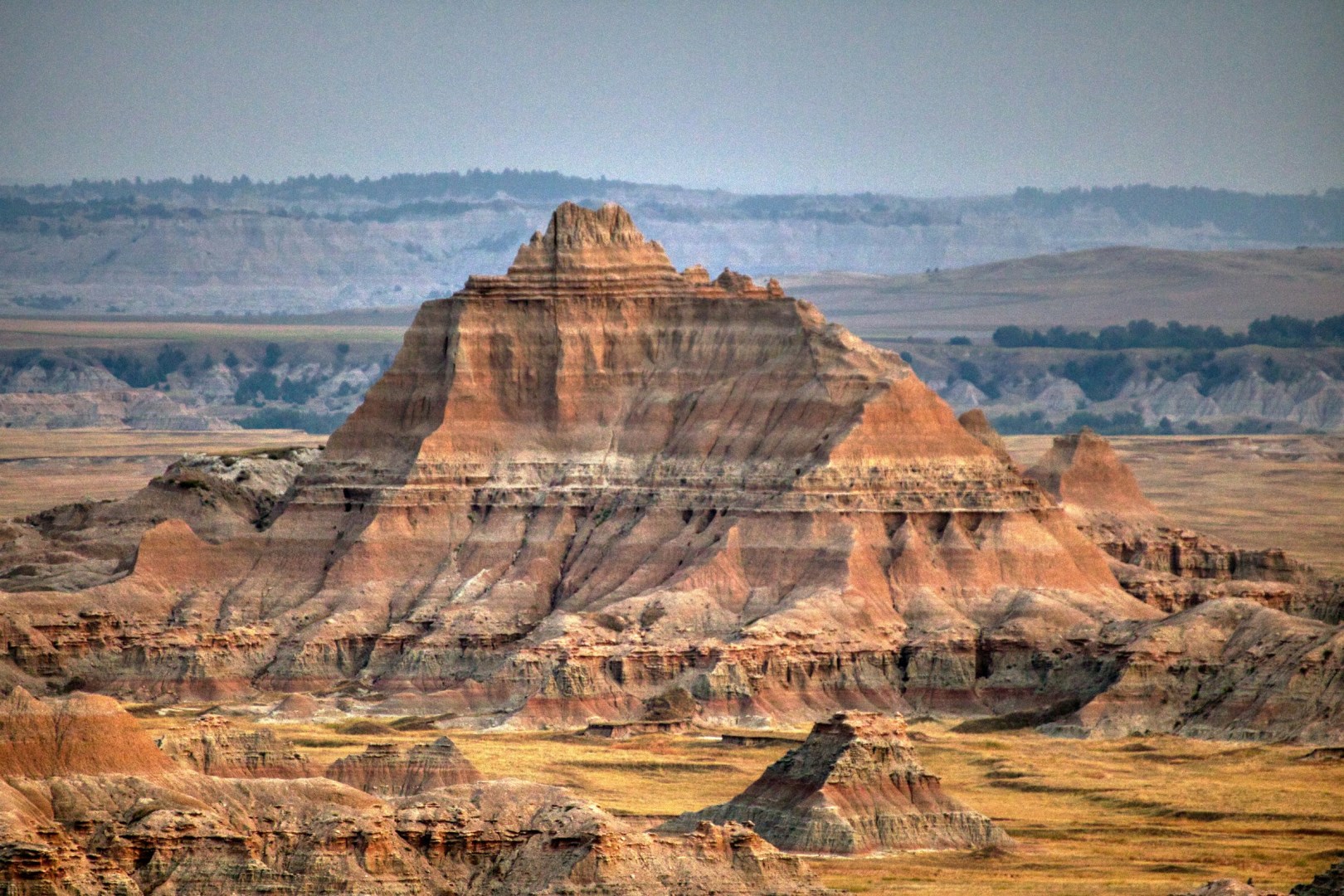
Badlands National Park
Badlands National Park stretches across southwestern South Dakota, where layered rock formations and sharply eroded spires reveal nearly 75 million years of geological history. The park’s banded cliffs and pinnacles were shaped by wind and water, exposing ancient seabeds and fossil-rich layers that have made the area one of North America’s most important paleontological sites.
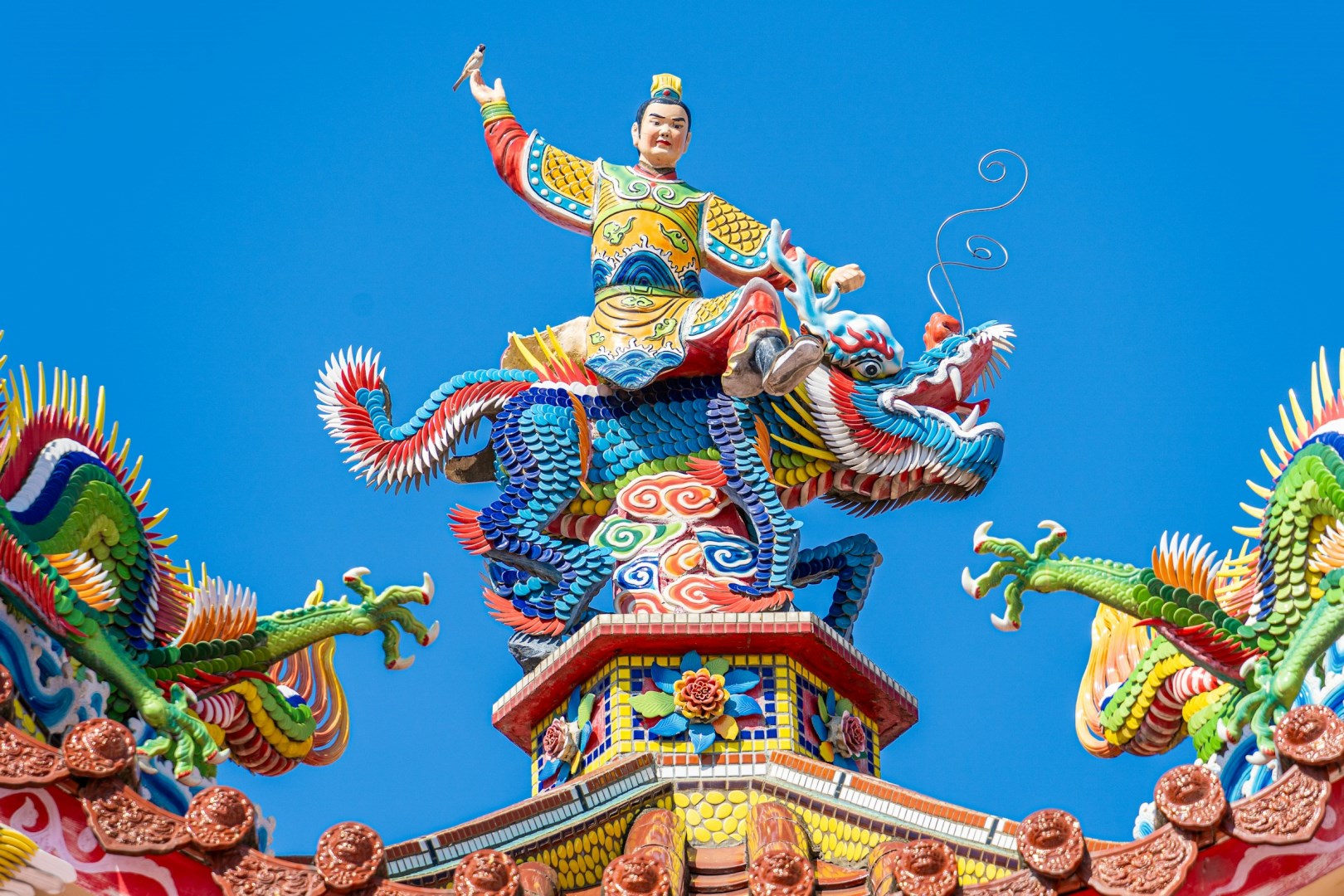
Taichung
Founded in 1721 by mainland Chinese, it is the third largest city in Taiwan. Occupied by Japanese from 1895-1945, it totally leveled and rebuilt. With many museums, gardens and universities, it is considered the cultural center of Taiwan.
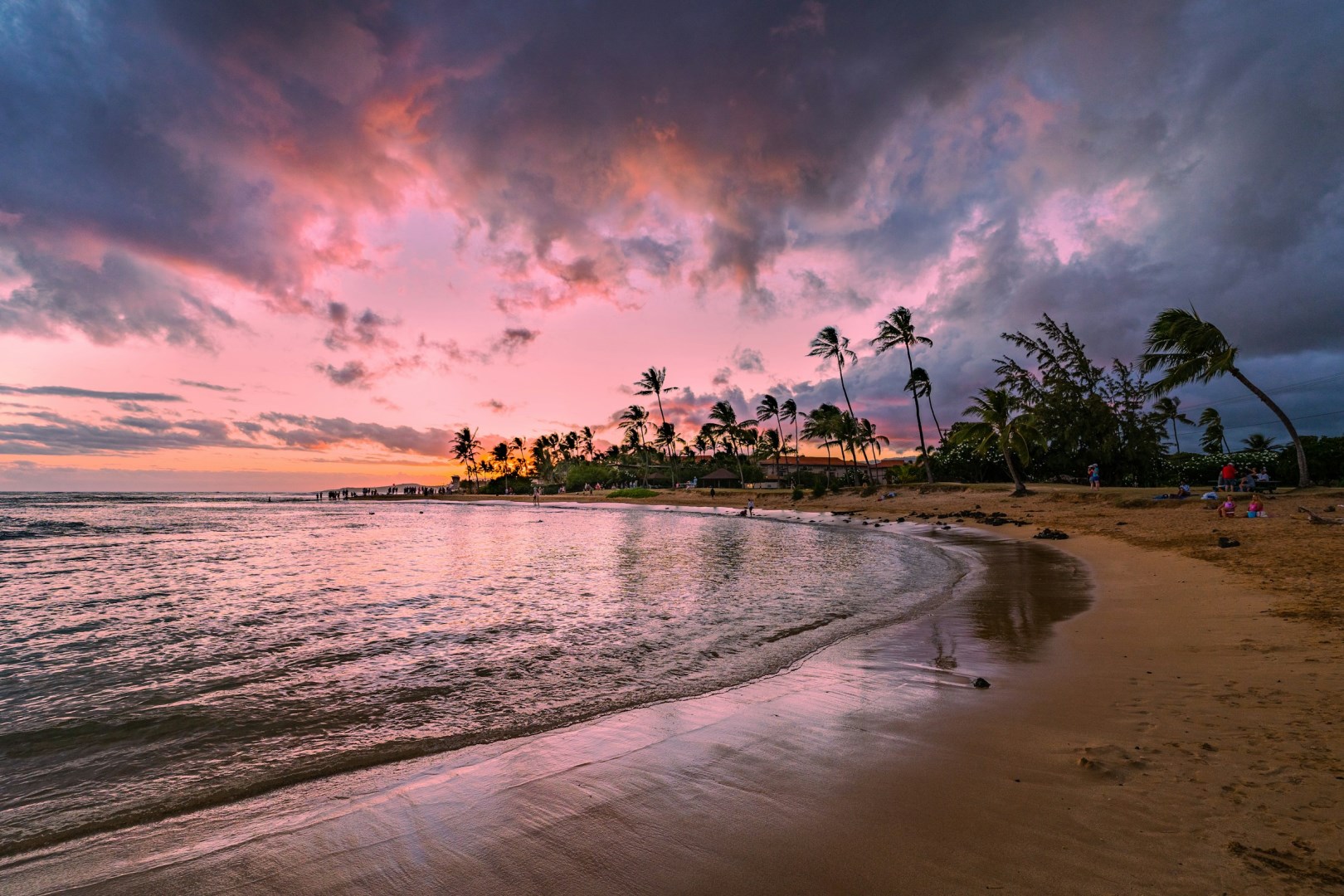
Poʻipū
Poʻipū is a coastal community on the southern shore of Kauaʻi, known for sunny weather, sandy beaches, and access to the island’s sheltered southern coastline. Its landscape includes beaches, lava-rock formations, palm-lined resorts, residential neighborhoods, and open coastal areas. Poʻipū Beach Park is the main public gathering place, with several connected sandy areas and shallow water that can be suitable for swimming when ocean conditions allow.
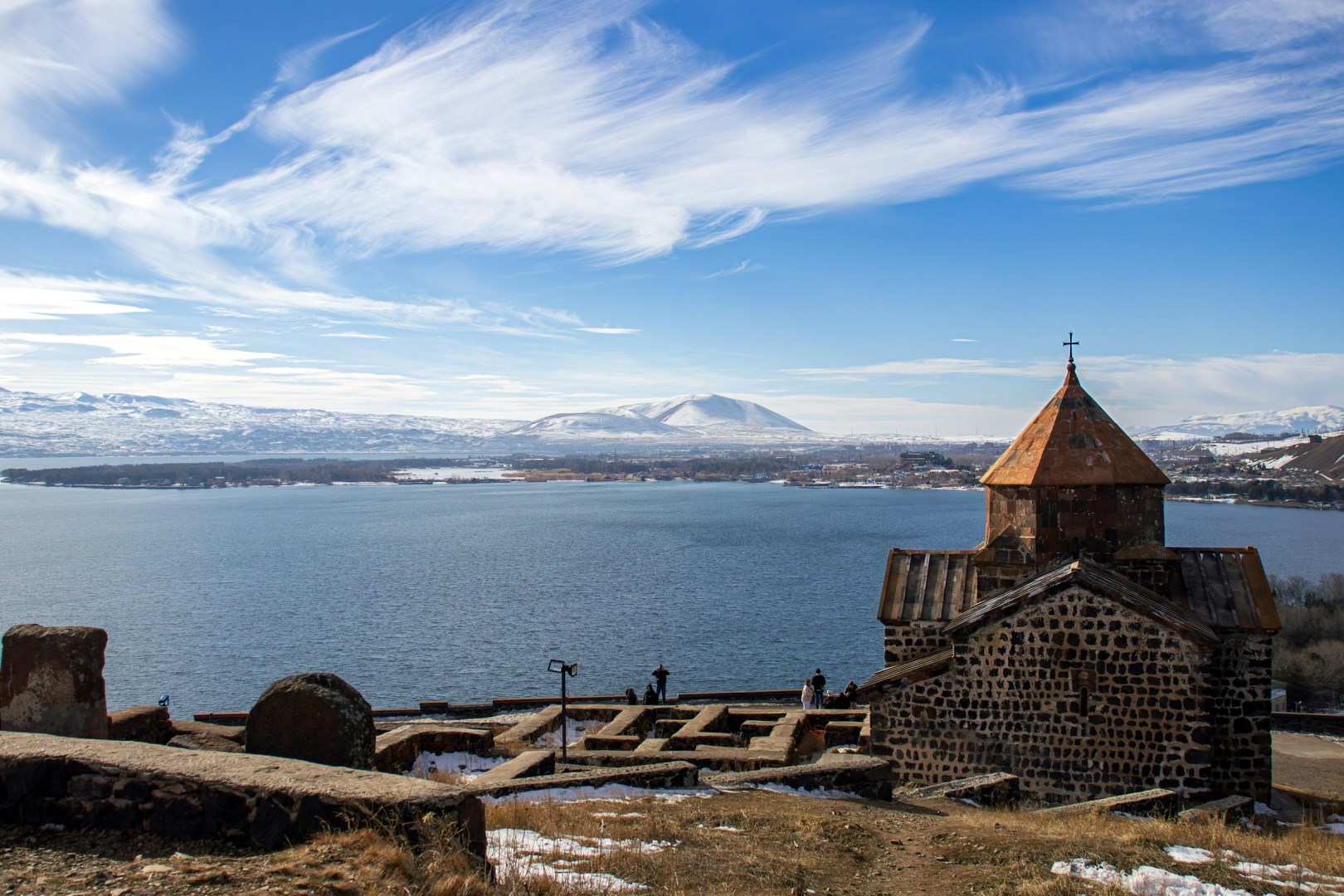
Sevan
Sevan is a town in Armenia's Gegharkunik Province, located beside Lake Sevan, one of the largest high-altitude freshwater lakes in the Caucasus. The town sits at more than 1,900 meters above sea level, with the lake extending across a broad basin surrounded by mountains. Sevan's landscape combines open water, grassy hills, rocky shores, and cultivated areas, while the cool climate distinguishes it from Armenia's lower valleys.
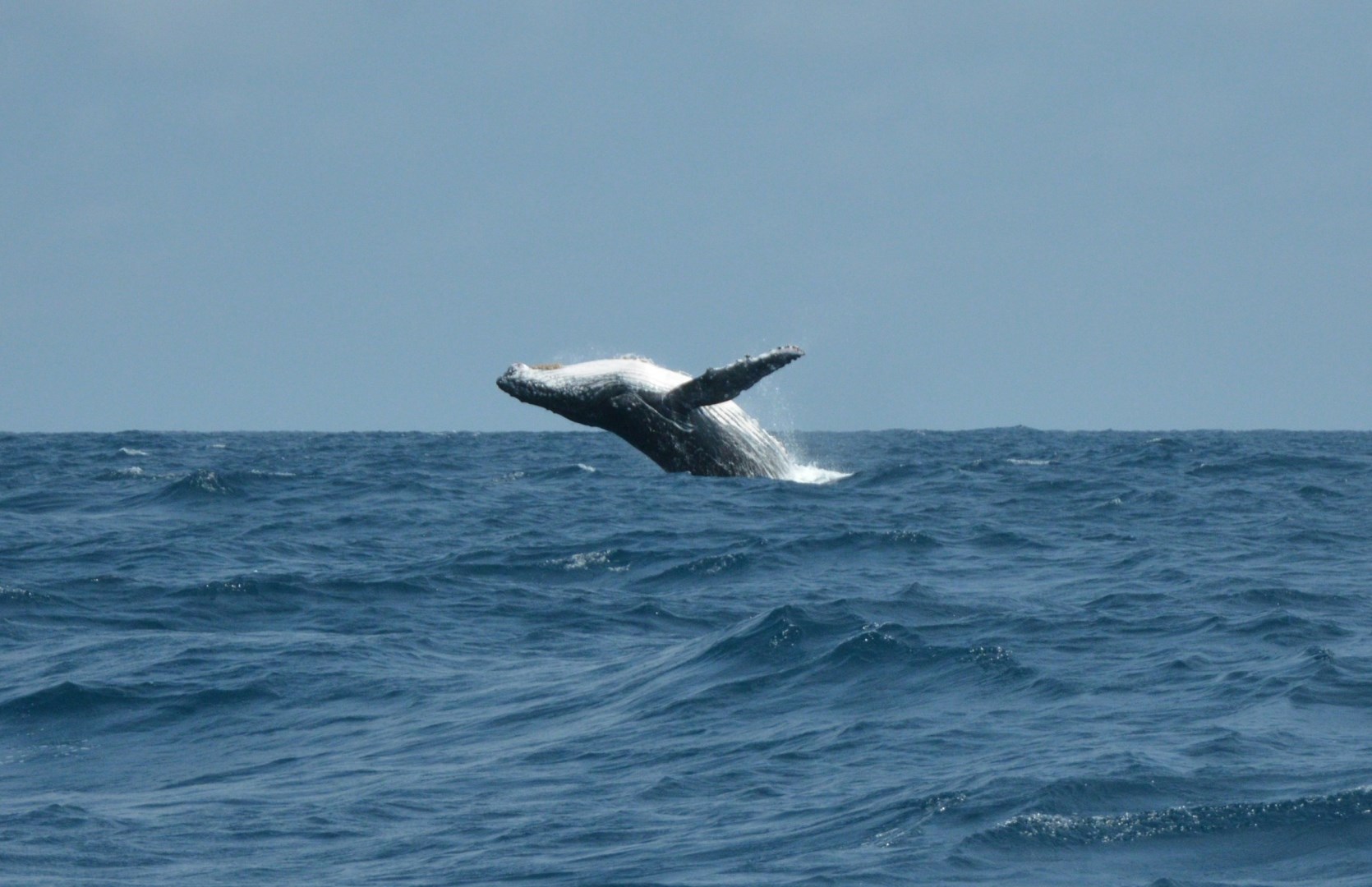
Pointe Denis
Pointe Denis is a small coastal settlement and beach area on the Pointe Denis peninsula in Gabon, across the Komo Estuary from Libreville.
