
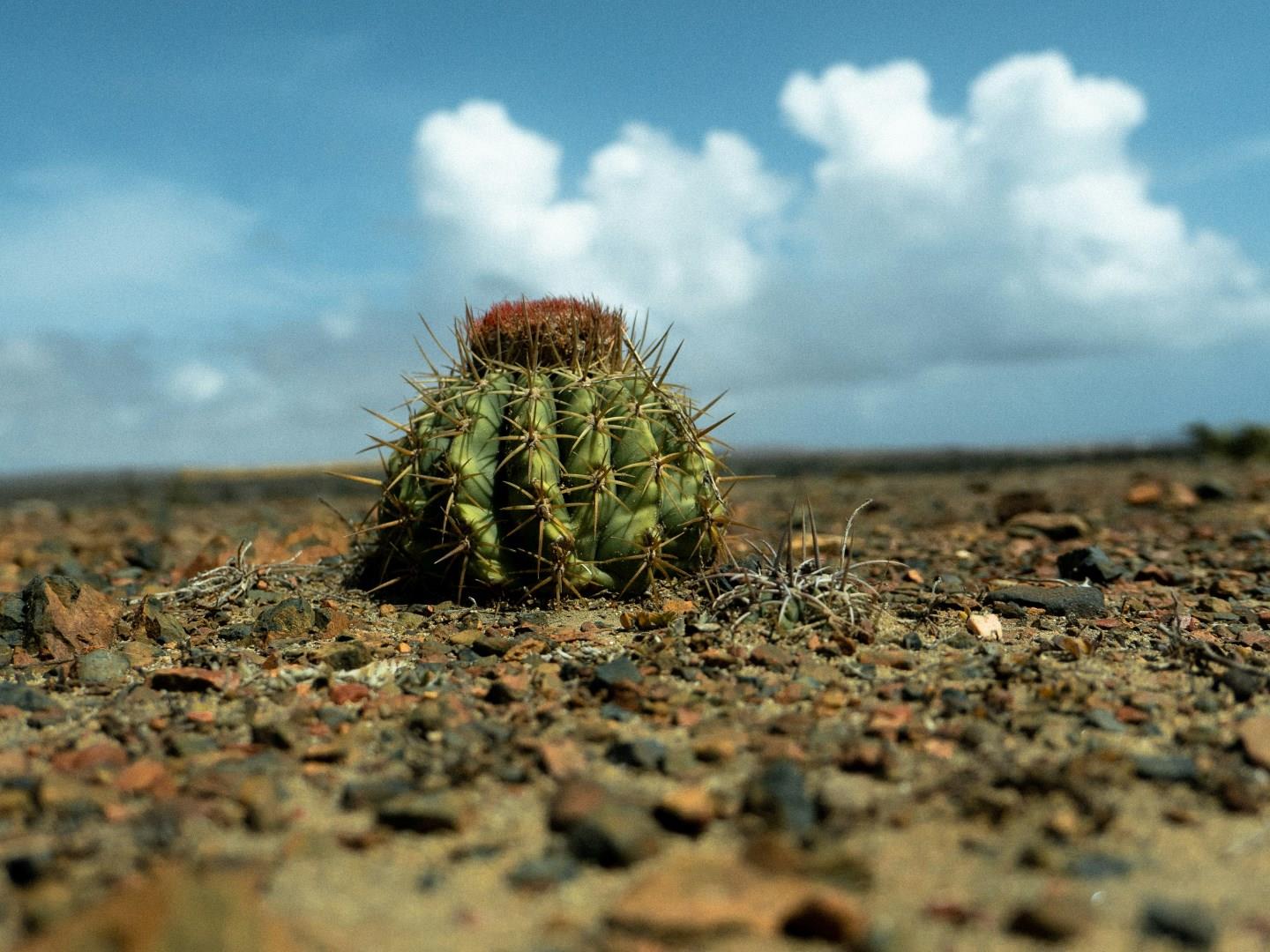
Arikok National Park
Arikok National Park, covering nearly 20% of Aruba, is a striking showcase of the island’s rugged landscapes, cultural history, and biodiversity. Unlike the postcard image of Aruba’s white-sand beaches, Arikok reveals a wilder side, with windswept hills, desert-like terrain, and dramatic limestone cliffs meeting the sea.
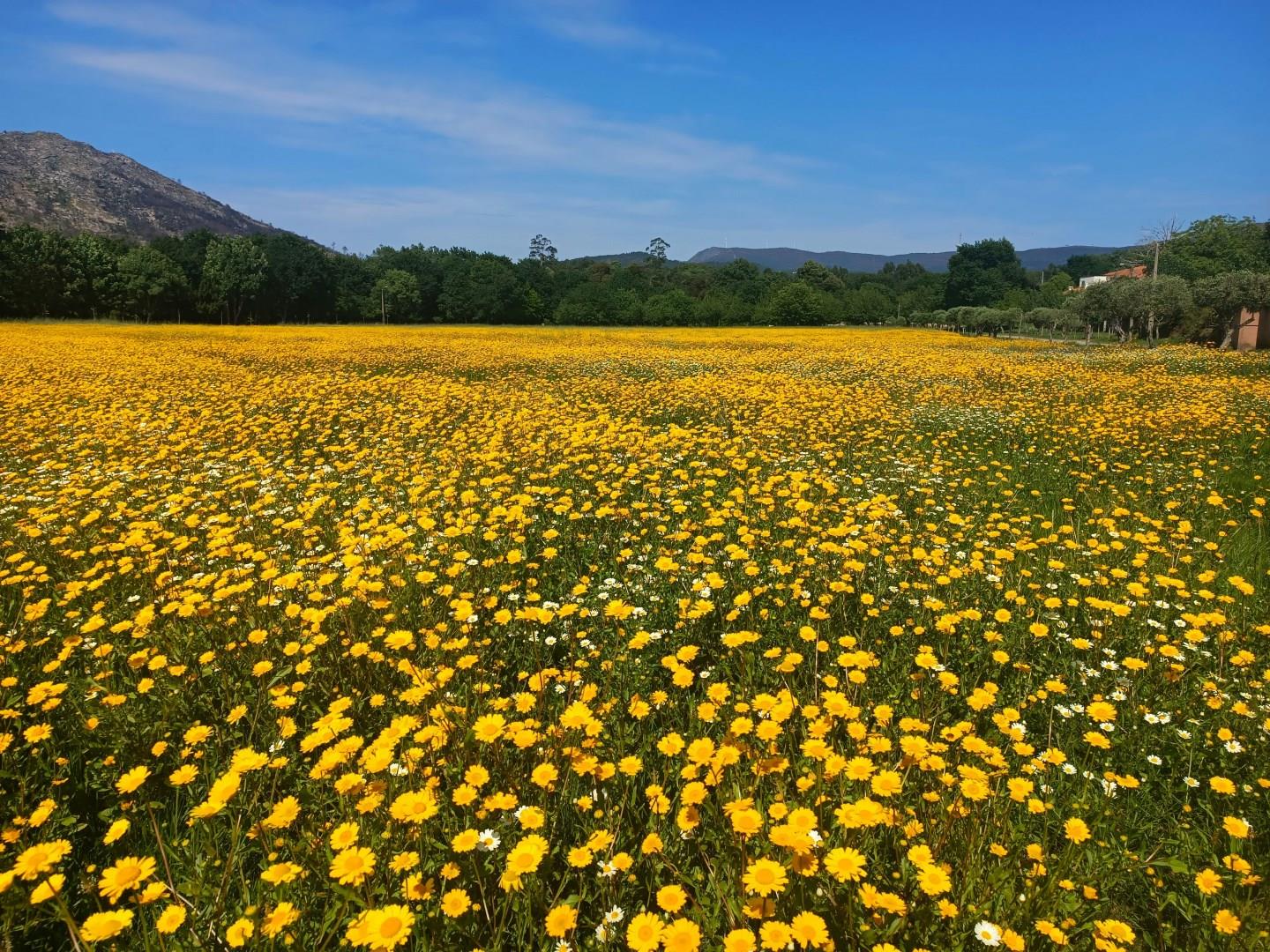
Caminha
Caminha sits at Portugal’s northern edge, where the Minho River meets the Atlantic and marks the border with Spain. Its history is closely tied to defense and trade, visible in remnants of medieval walls and a compact historic center that once guarded the river mouth.
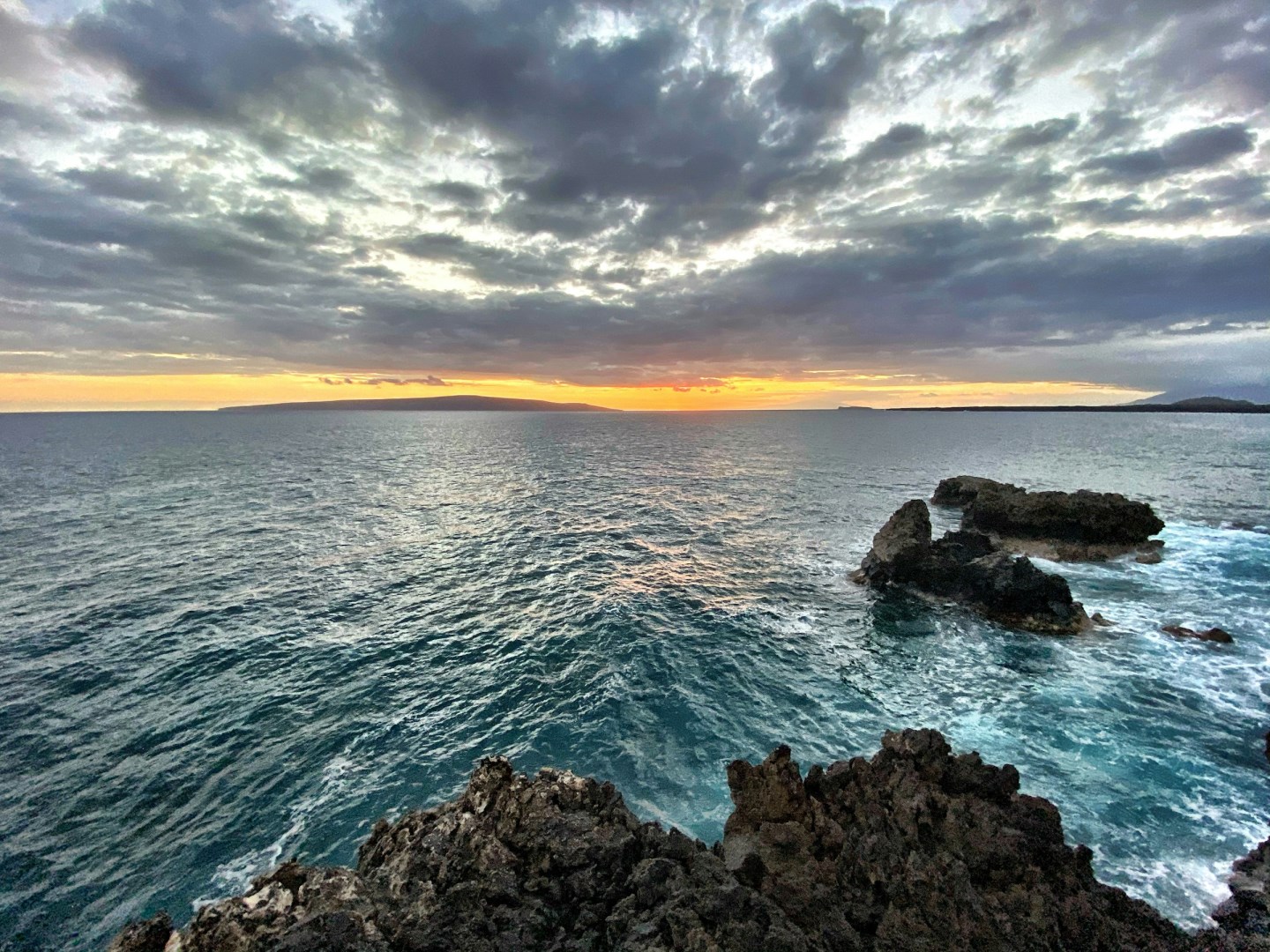
Makena, Maui
The Makena area has one of the most beautiful shorelines in South Maui, it is also home to a world class golf course and some of the major resorts on Maui. Makena is also adjacent to one of the more remote areas of Maui, the La Perouse Bay are, the end of the road for the South side.
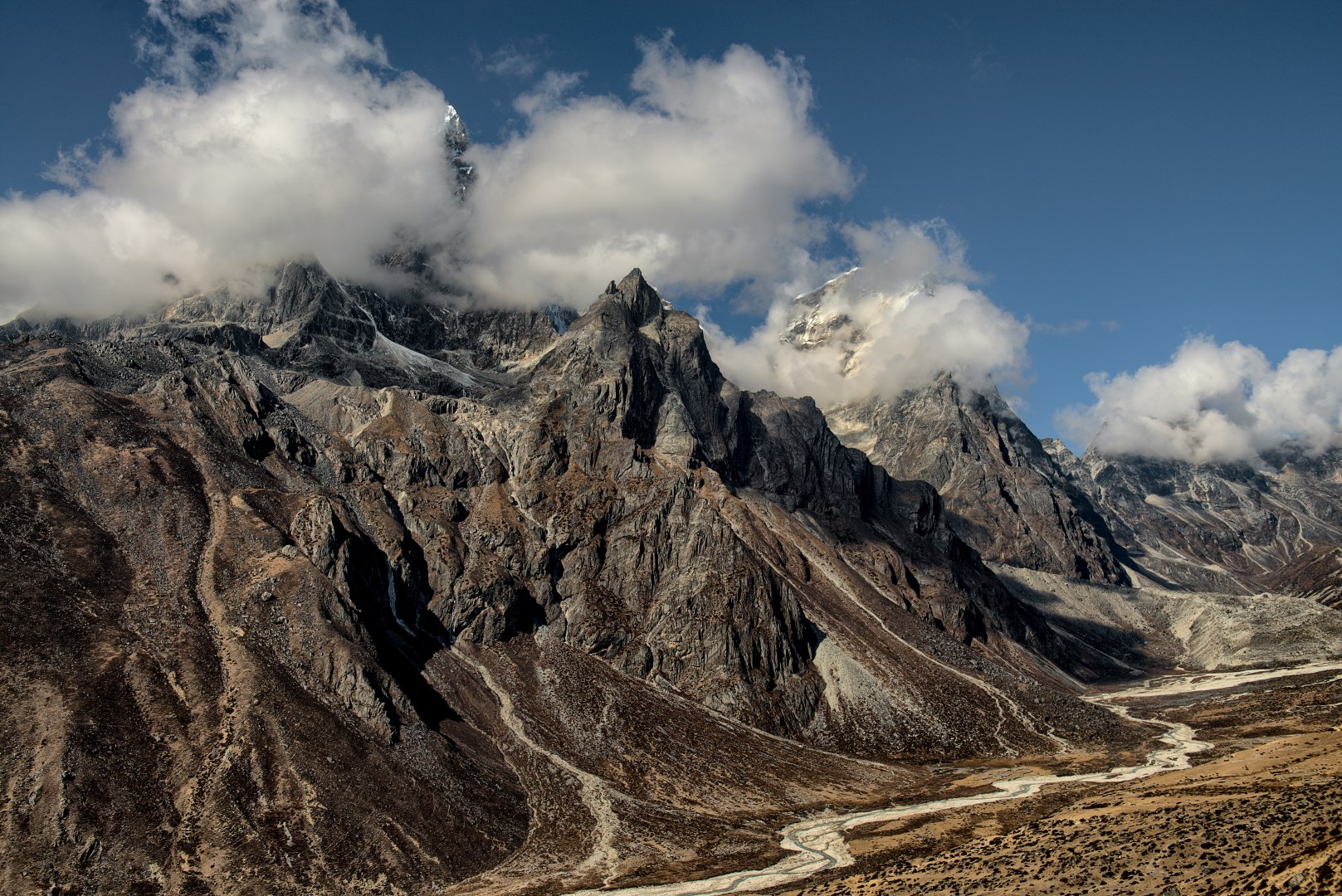
Lobuje
High in the Khumbu region, Lobuche sits in a stark alpine setting along the trail toward Mount Everest. Surrounded by rocky terrain and glacial formations, the village stands close to the Khumbu Glacier, where the landscape shifts into shades of gray, white, and deep blue. The air here is thin and crisp, and the silence is often broken only by the wind moving across the valley.
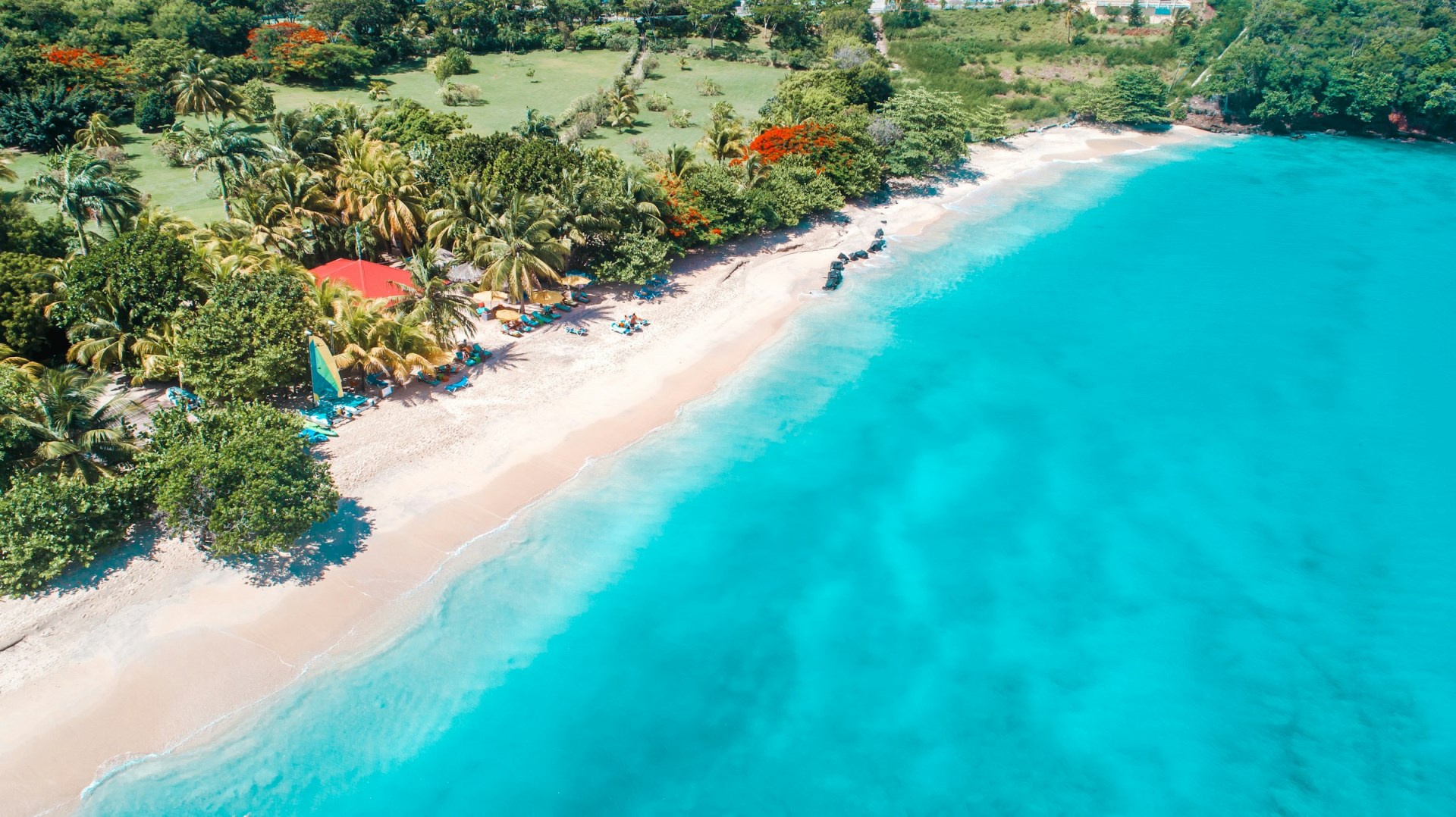
Morne Rouge Bay
Morne Rouge Bay is a sheltered beach on Grenada’s southwestern coast, just south of Grand Anse and near the community of Morne Rouge. The bay curves around a small, protected stretch of pale sand, with calm Caribbean water and green hills surrounding the shoreline. Its sheltered position generally produces gentler conditions than Grenada’s more exposed Atlantic coast, making the bay suitable for swimming and paddling.
