
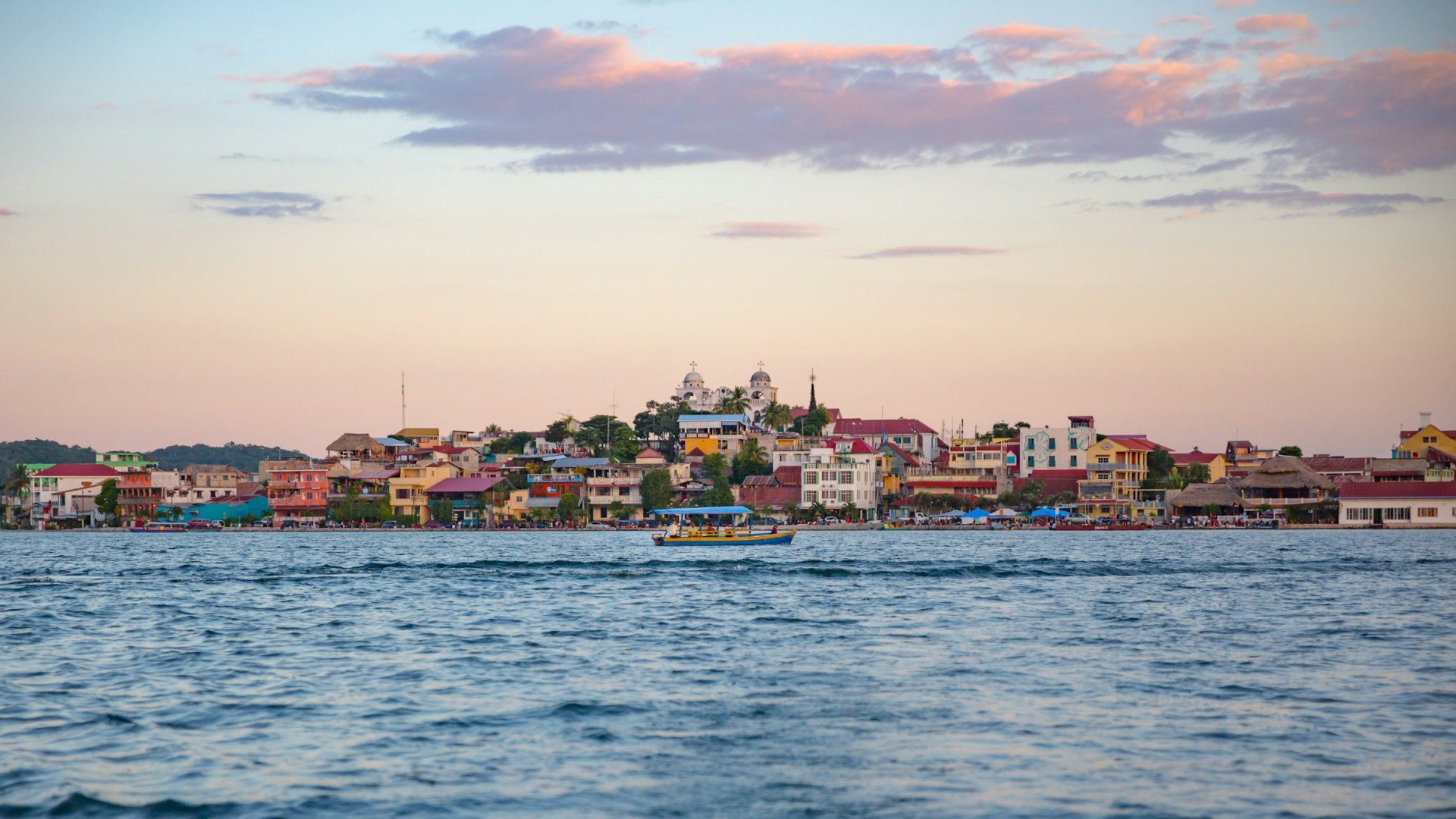
Island of Flores
This charming island town acts as a gateway to the ancient Mayan ruins of Tikal National Park. Known for its brilliantly colored buildings, visitors can spend numerous hours relaxing in restaurants, cafes, and pubs, savoring the flavors of Mayan and Spanish-influenced dishes. Surrounded by Lake Peten Itza and vibrant rainforest, water sports and nature ventures are a must!
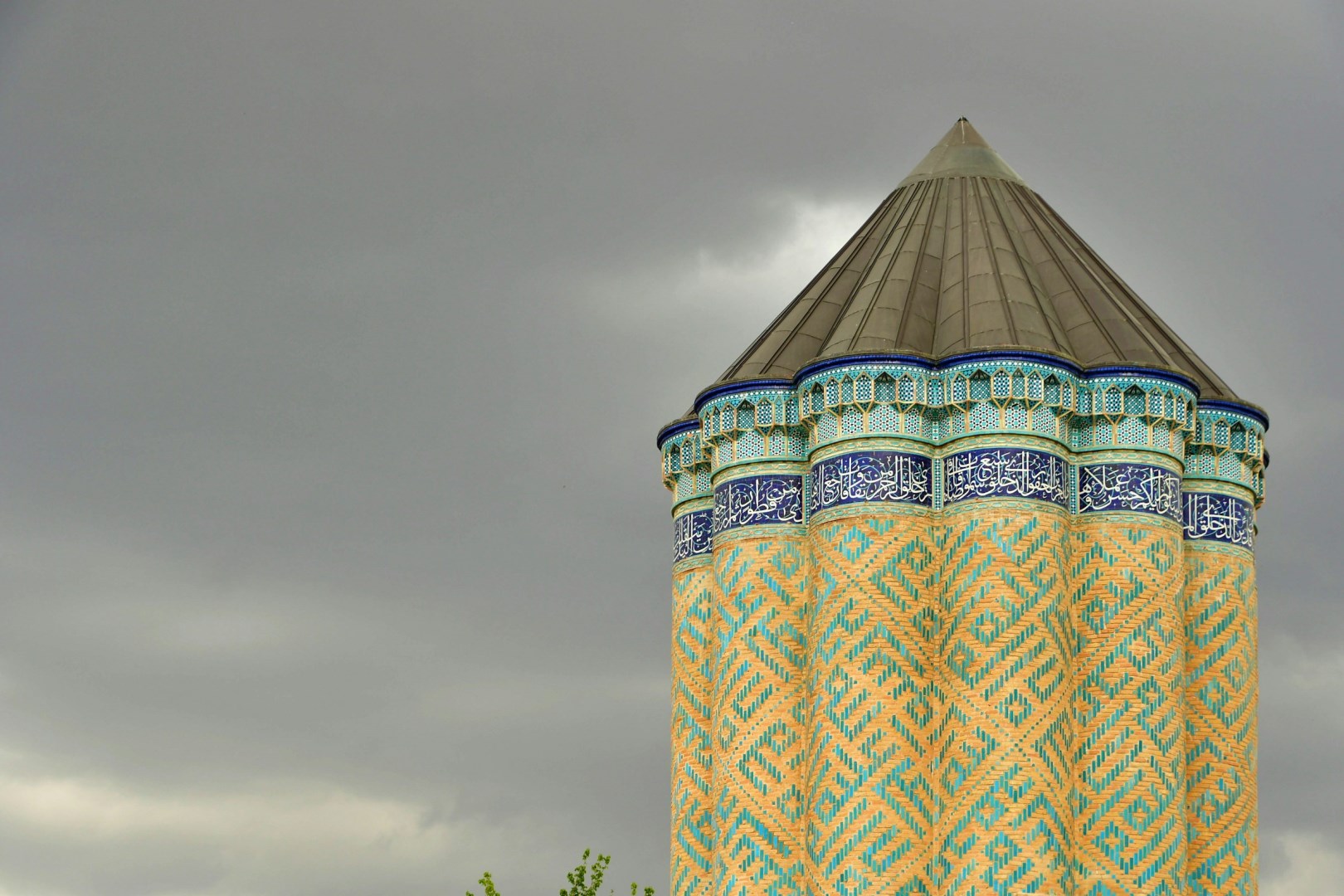
Nakhitchevan
Nakhchivan is the capital of the Nakhchivan Autonomous Republic, an exclave of Azerbaijan located between Armenia, Iran, and Türkiye. The city lies in a broad valley surrounded by dry mountains, with the Nakhchivanchay River and irrigated farmland supporting orchards, vineyards, and gardens. Nakhchivan has a long history as a regional center of settlement, trade, and craftsmanship, and its landscape contains a notable concentration of historic monuments.
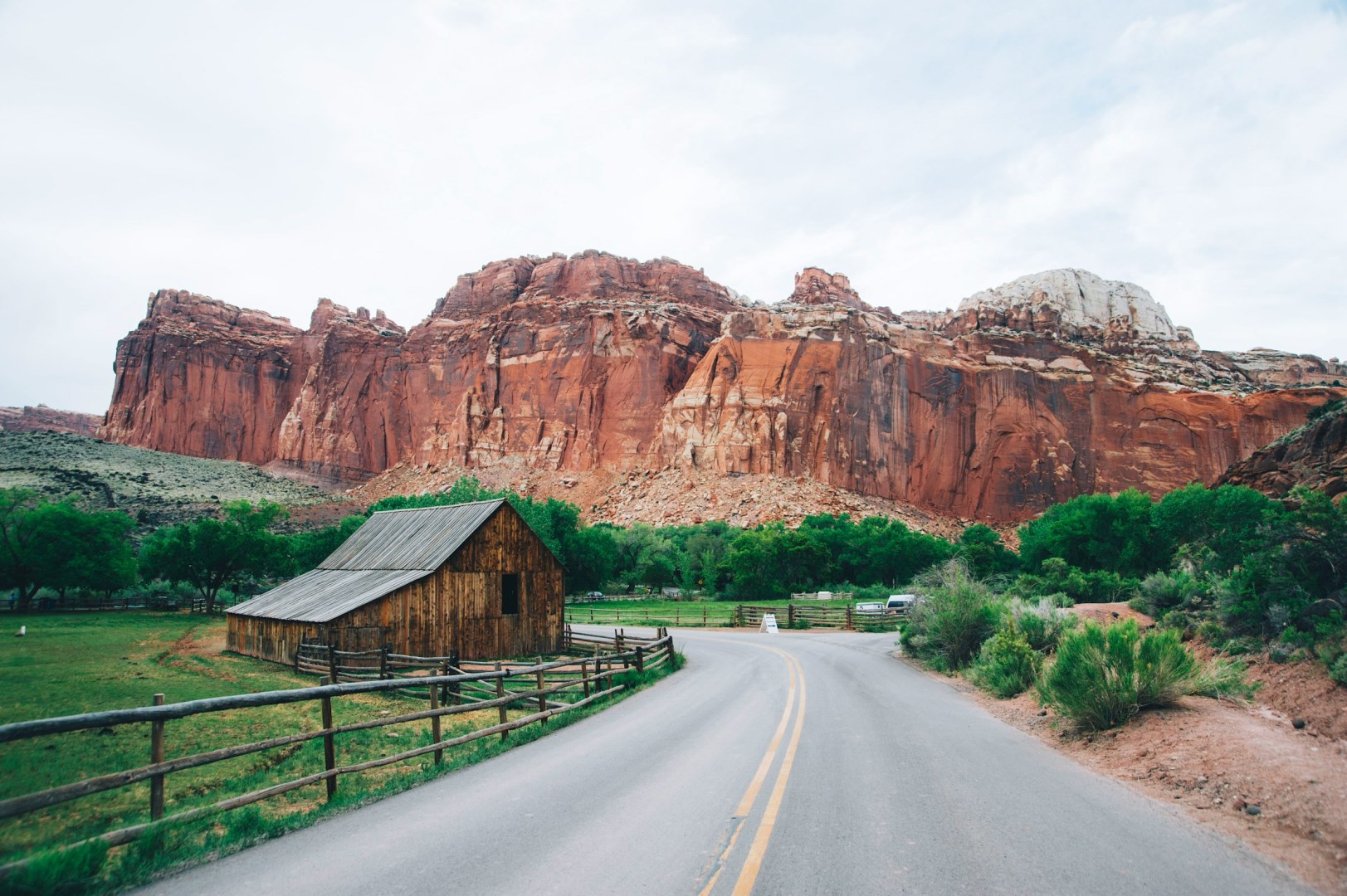
Capitol Reef National Park
Capitol Reef National Park occupies a long, rugged section of southern Utah where sandstone cliffs, domes, canyons, and high desert plateaus form a landscape centered on the Waterpocket Fold. This immense wrinkle in the earth’s crust creates a dramatic change in elevation and exposes layers of rock in shades of red, orange, white, and gray.
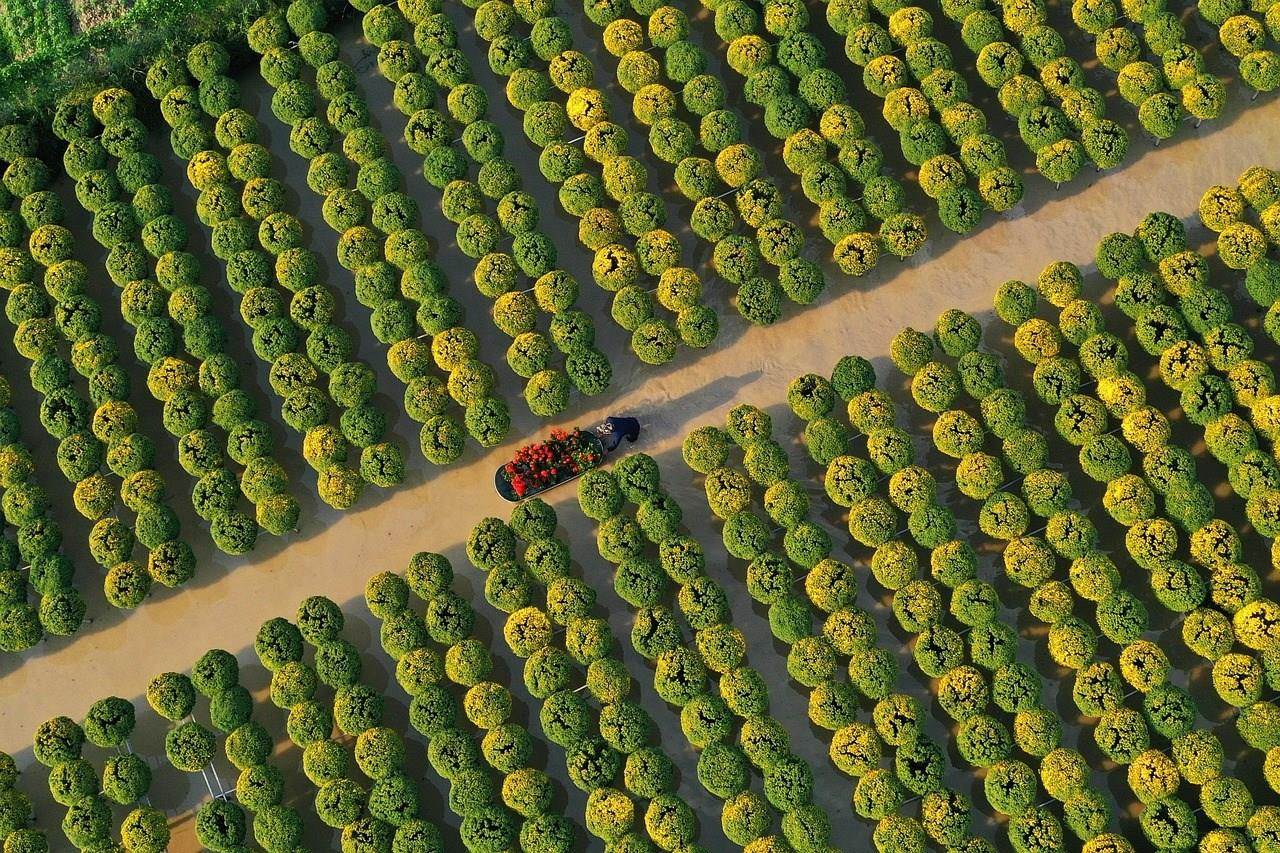
Sa Dec
A lesser-known river port in the Mekong Delta, Sa Dec was once the capital of Dong Thap province of southern Vietnam. Today, it is best known for its flower gardens and authentic bustling market. The city is also famous as the setting for French writer Marguerite Duras' 1984 novel, The Lover, and its 1991 film adaptation of the same name.
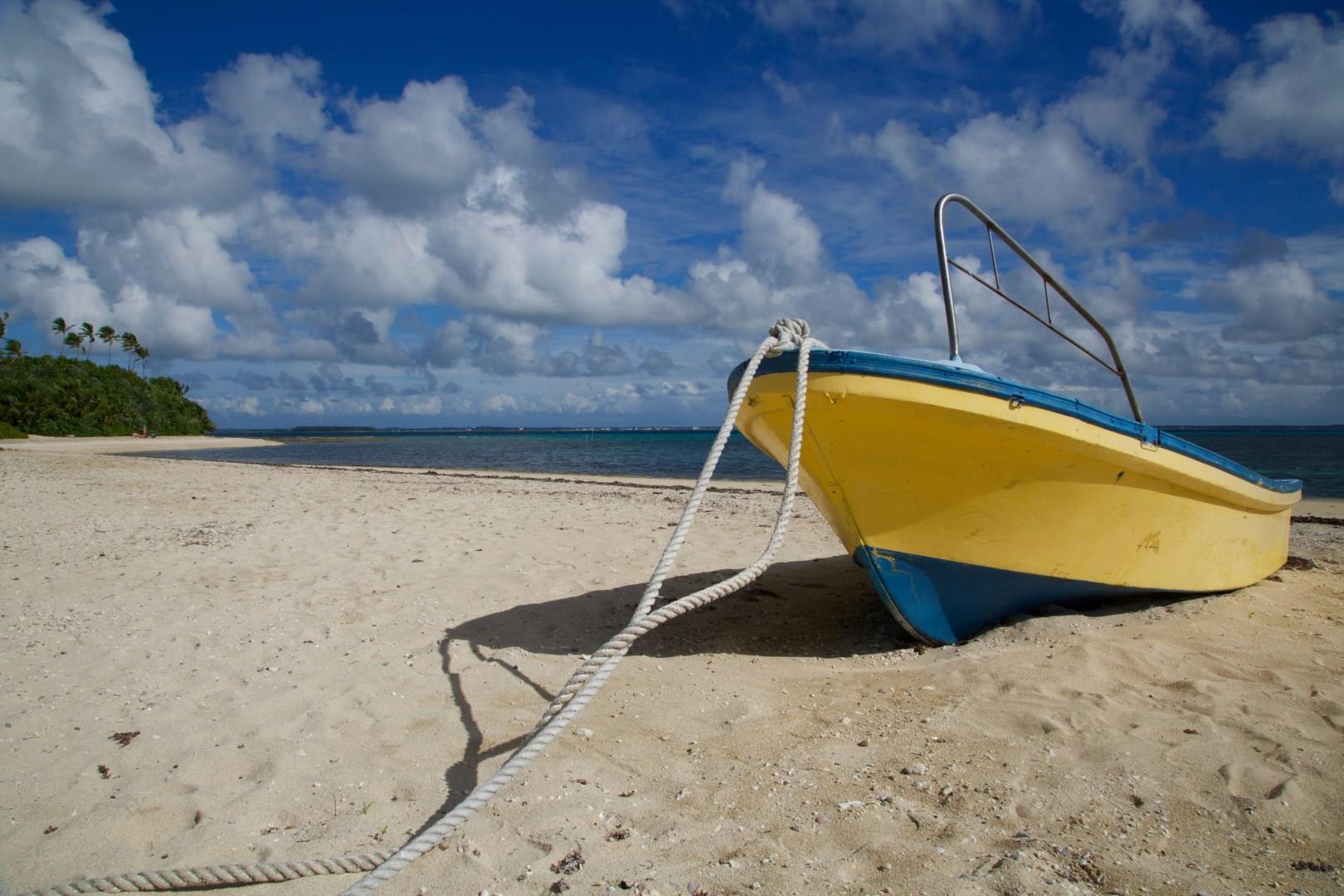
Tonga
Tonga is distinctly different to its neighboring island nations. This Polynesian kingdom, made up of 170 islands, carries a proud history that dates back over 3,000 years. On the main island of Tongatapu, travelers can explore ancient stone structures like the Haʻamonga ʻa Maui Trilithon—sometimes called the Stonehenge of the Pacific. Royal tombs in Lapaha offer a glimpse into the lineage of Tonga’s kings, while village life remains guided by customs that have changed little over centuries.
