
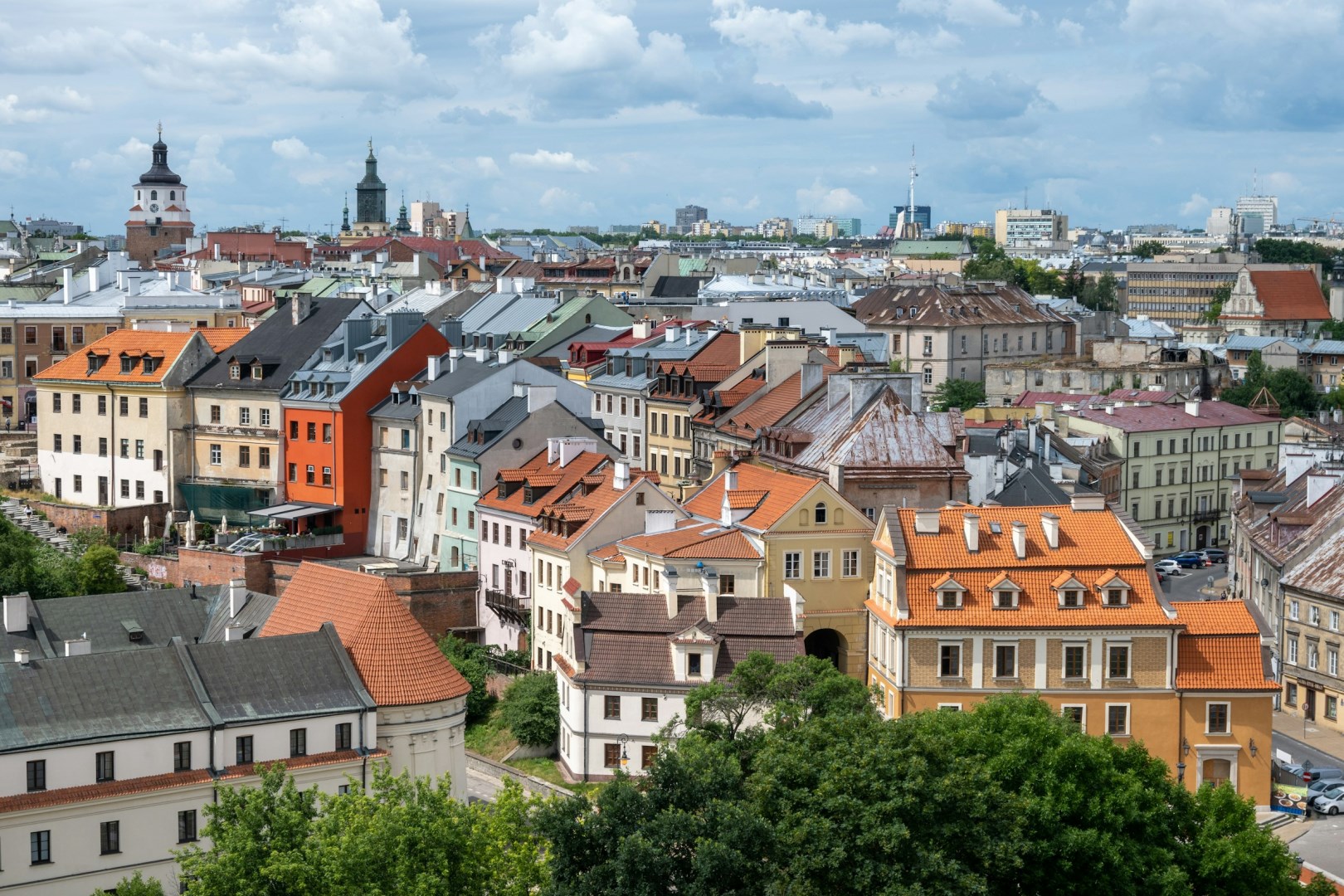
Lublin
Located on a trade route to Lithuania and Russia, Lublin was already an important center by the time it received its municipal charter in 1317. The city still remains relatively unknown to foreign tourists. From the original defense walls and the Krakow Gate, the remnant of Lublin's medieval wall system to the town hall and the Renaissance burgher houses in the Market Square, Lublin offers numerous visual delights.
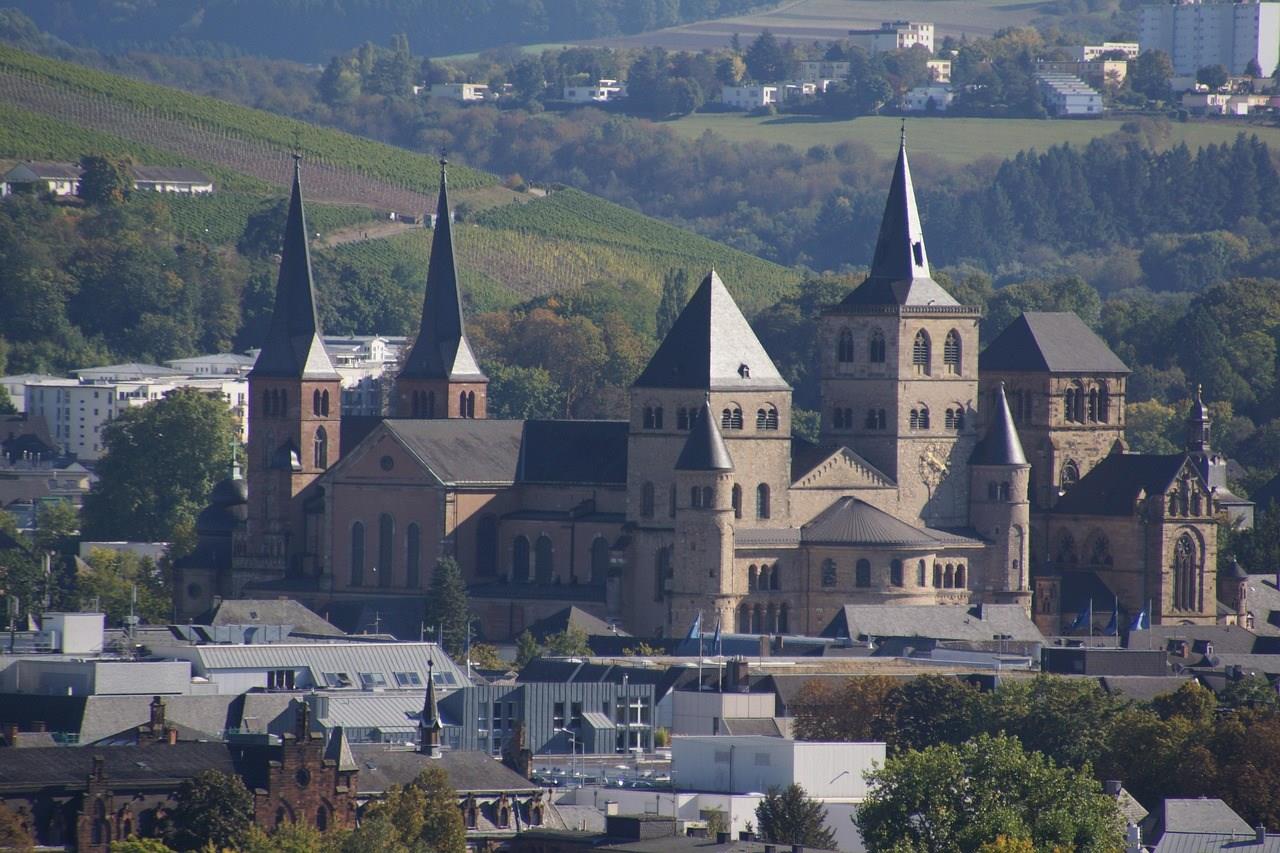
Trier
Trier, Germany’s oldest city, is a living museum nestled in the Moselle Valley, where Roman ruins rise beside medieval churches and bustling market squares. Founded by the Romans in 16 BCE, Trier was once known as “Roma Secunda,” the second Rome, and still boasts the largest collection of Roman architecture north of the Alps. The Trier Cathedral (Dom St. Peter), which is a UNESCO World Heritage Site, is the oldest church in Germany and houses a relic said to be the Holy Robe of Christ.
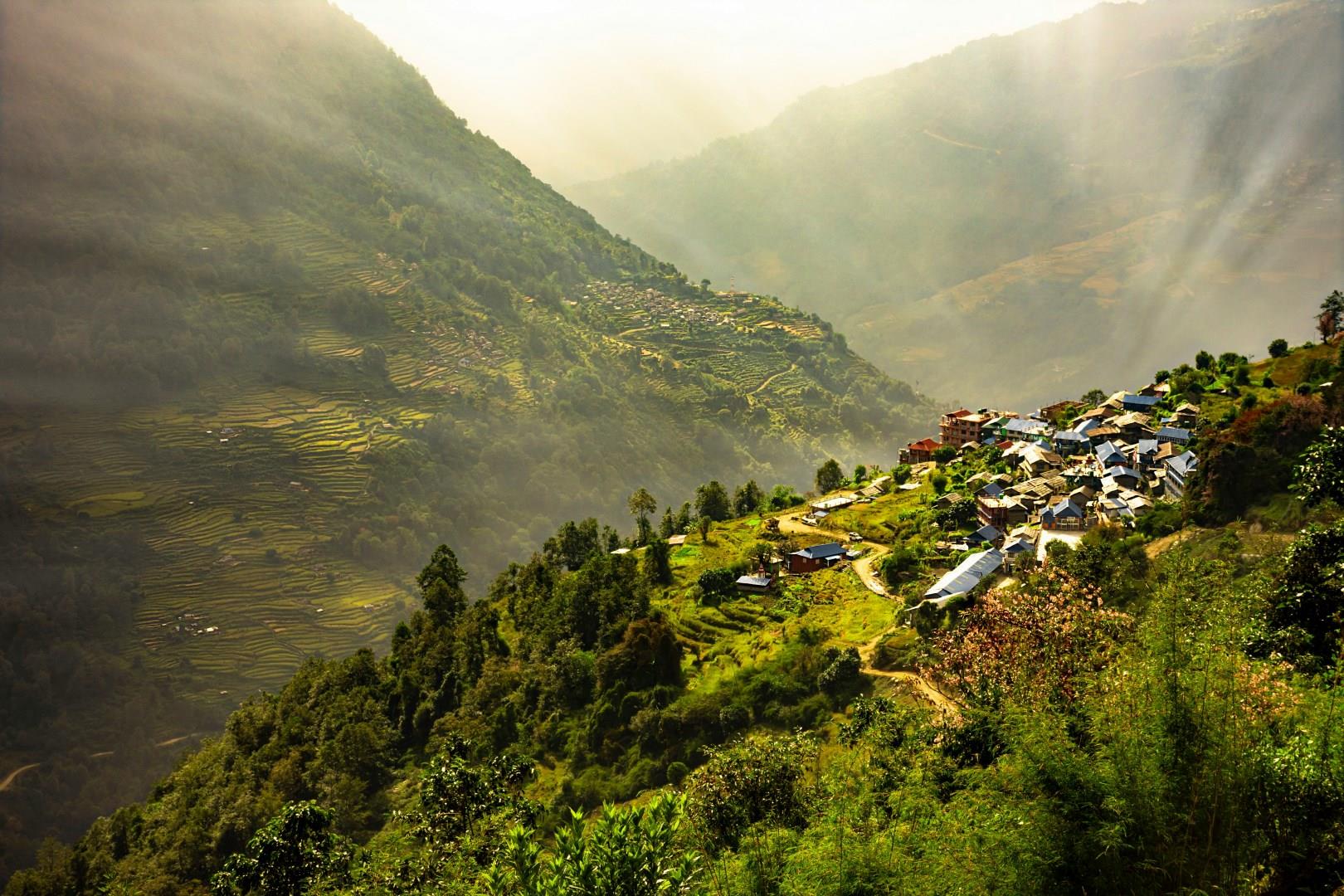
Ulleri
Ulleri is a small village in Nepal, located in the Annapurna region along the popular trekking route to Ghorepani and Poon Hill. It has traditionally served as a resting point for trekkers and local traders, with stone-paved streets and terraced fields reflecting centuries of Himalayan agricultural life.
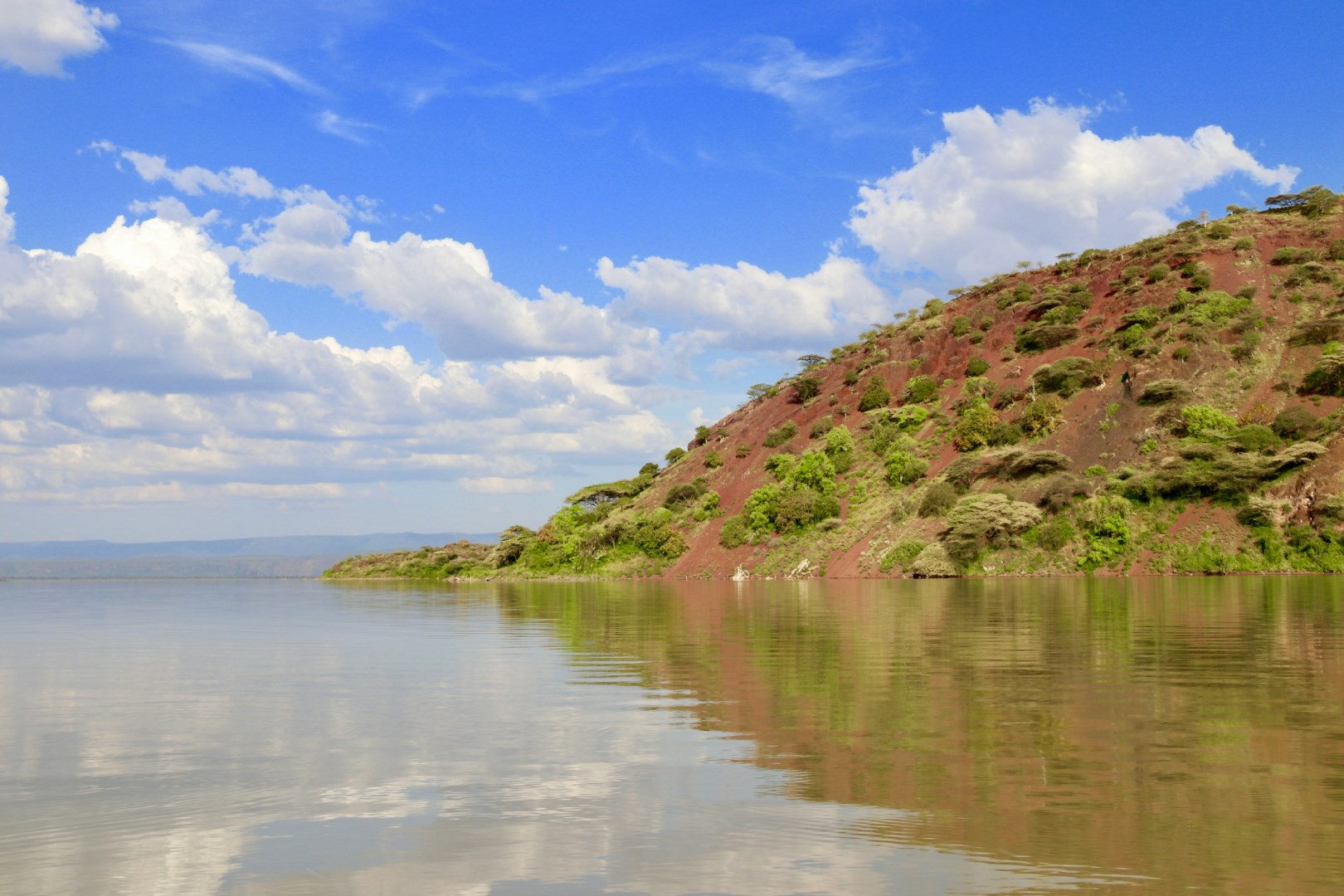
Lake Baringo
A shallow lake at over 3200 feet above sea level in central west Kenya, it is the home of the Kamasya and Njamus who raise cattle and crops and fish for tilapia. The lake covers about 50 square miles.
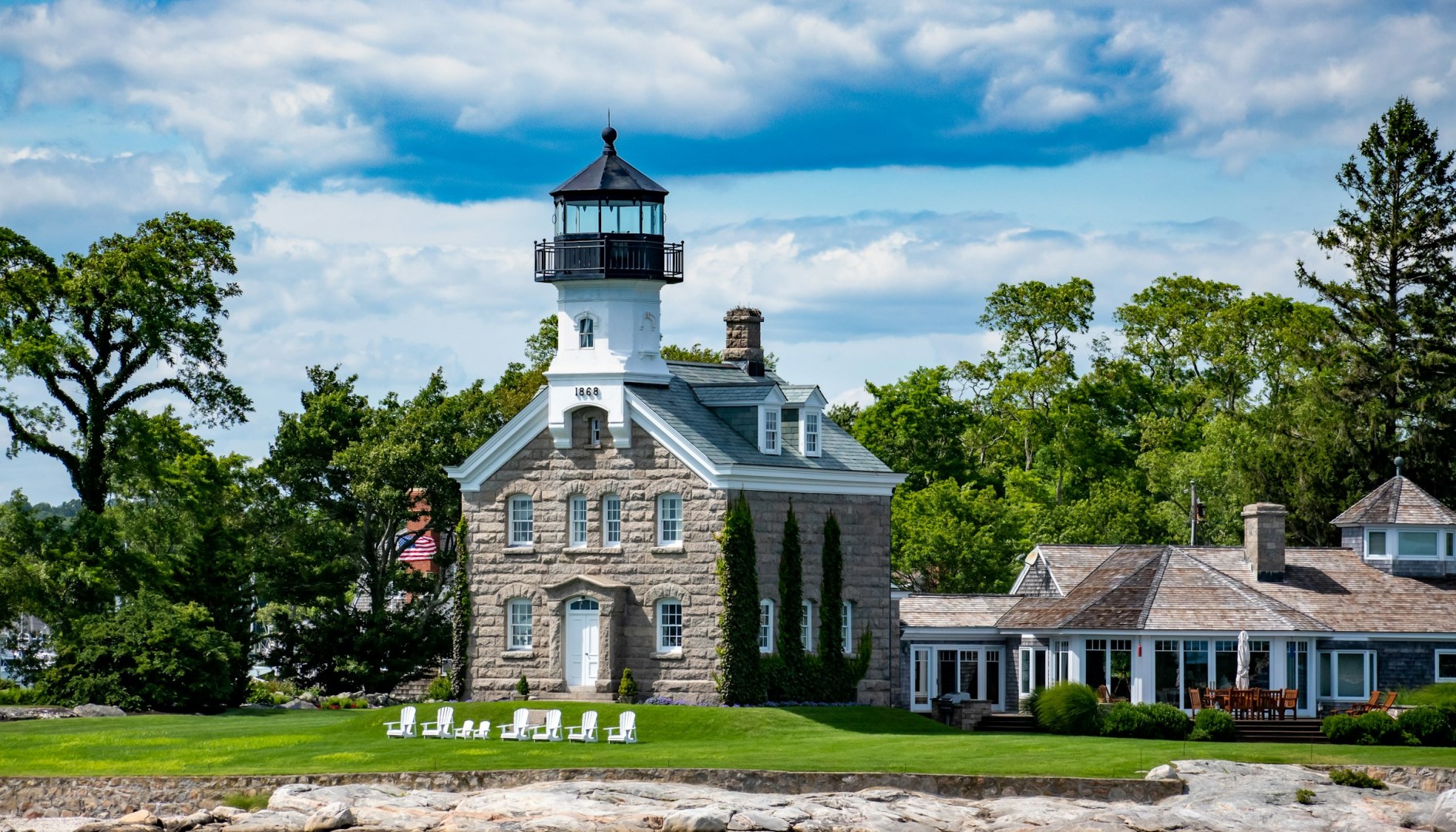
Groton
Groton is a coastal town in southeastern Connecticut, positioned between the Thames River and Long Island Sound. Its identity has been shaped by maritime trade, shipbuilding, military activity, and submarine technology, earning it the longstanding nickname “Submarine Capital of the World.” The town includes several distinct areas, from the historic waterfront of Groton Bank to beaches, wooded neighborhoods, and working industrial facilities.
