

Punakha
Punakha sits in one of Bhutan’s most fertile valleys, cradled where the Mo Chhu and Pho Chhu rivers meet. For centuries it served as the kingdom’s capital and remains a place rich with stories woven through its fields, temples, and riverbanks. The city’s low elevation brings warmer weather than much of Bhutan’s highland regions, and rice paddies fill the landscape with vivid green during planting and golden hues at harvest.
Elvas
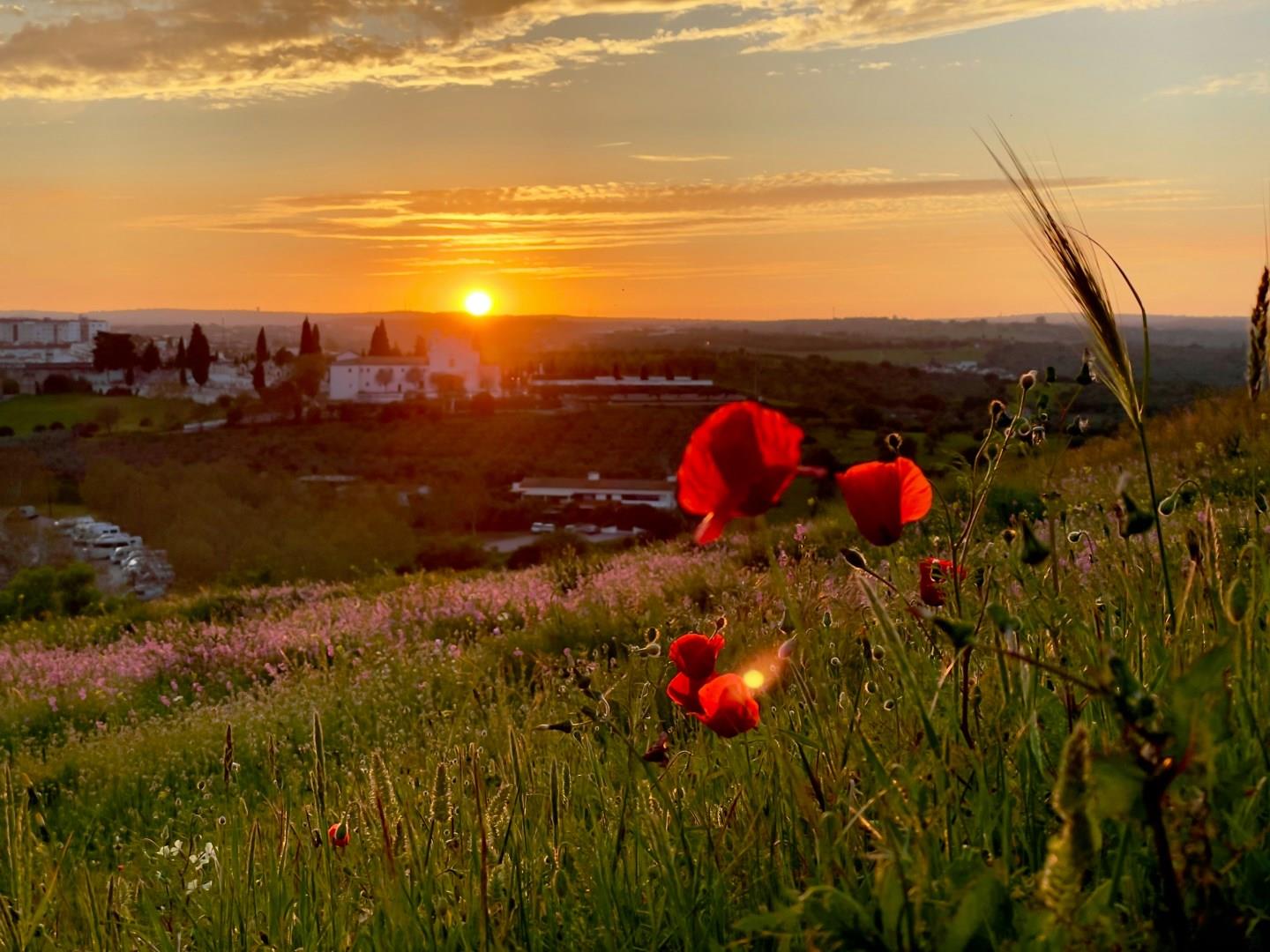
Elvas rises from the Alentejo plains near the Spanish border as one of Portugal’s most striking fortified towns, shaped by centuries of defense, resilience, and daily life along the frontier. Encircled by an immense network of walls, bastions, and hilltop forts, the town tells a clear story of strategy and survival, from the sweeping views at Forte da Graça to the quiet streets within the historic center.
Hatton
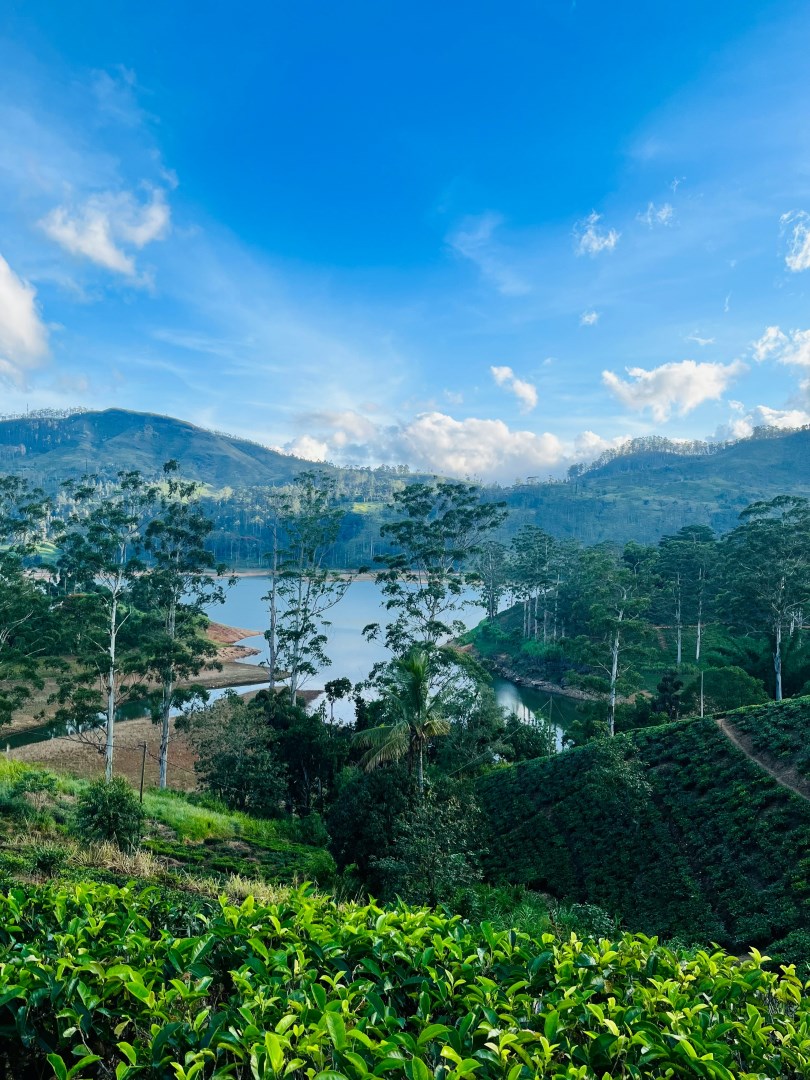
Hatton is a hill-country town in central Sri Lanka, located within the tea-growing highlands of Nuwara Eliya District. Surrounded by steep green slopes, waterfalls, and mist-covered plantations, the town serves as an important center for Sri Lanka’s tea industry.

Zion National Park
Zion National Park, located in southwestern Utah, is known for its massive sandstone cliffs, narrow slot canyons, and unique desert ecosystems. Established in 1919, it was Utah’s first national park and continues to attract visitors with its dramatic elevation shifts and striking rock formations. The park’s most iconic feature, Zion Canyon, stretches for 15 miles and reaches depths of up to 2,640 feet, carved over time by the Virgin River.
Kaberneeme
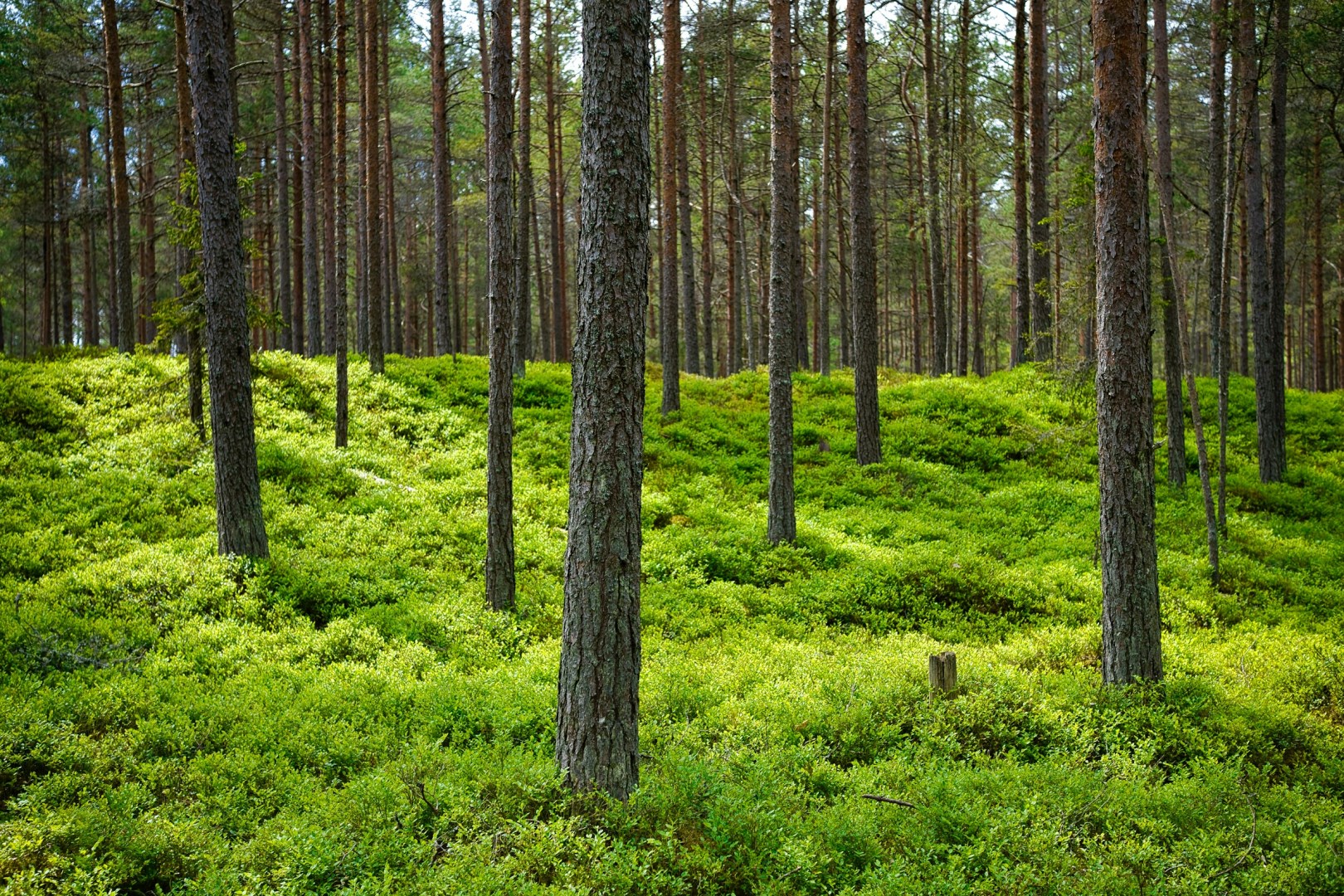
Kaberneeme is a small coastal village on a wooded peninsula in Harju County, northeastern Estonia, overlooking Kaberneeme Bay and the Gulf of Finland. The village is surrounded largely by sandy ground and pine forest, with the shoreline, marina, and beach forming its main points of interest. Its location gives Kaberneeme a distinctly maritime character while keeping it within easy reach of Tallinn.
