
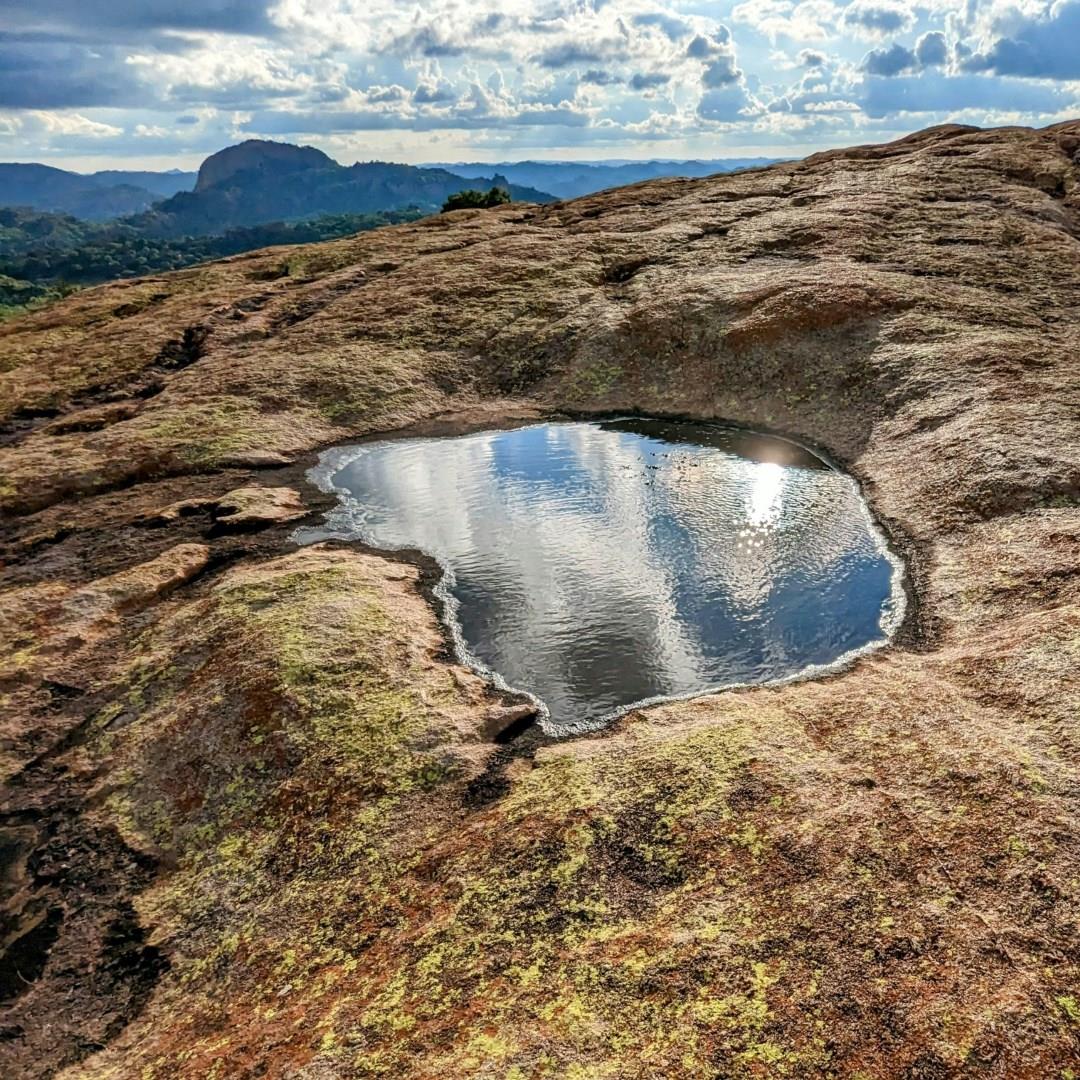
Matobo National Park
Matobo National Park sits in the rolling hills of southern Zimbabwe stands as one of the country’s most remarkable landscapes. Its granite domes, balancing rocks and wooded valleys have formed over more than two billion years, creating a setting that feels both ancient and alive. As a UNESCO World Heritage cultural site, the park preserves a landscape that has shaped human life here for millennia, drawing travelers to explore its unusual terrain and storied past.

Ypres
Ypres is a city where soaring medieval-style landmarks meet one of Europe’s most powerful landscapes of remembrance. From the nightly Last Post beneath the Menin Gate to the wonderfully eccentric Cat Parade, it has a character that is solemn, surprising, and unmistakably Flemish.

Nova Scotia
Nova Scotia covers an area of 21,425 sq. miles, and Halifax is the capital. This is an area rich in history — Gaelic is still spoken here in some areas by descendants of the early settlers. The coast is peppered with fishing villages, and inland the climate boasts sprawling valleys and rocky headlands.

Kanazawa
Kanazawa, Japan, is a captivating city that offers a unique blend of historical charm and cultural richness. Known for its well-preserved Edo-period districts, Kanazawa is a treasure trove of traditional Japanese experiences.

Melk
Nestled along the south bank of the Danube, this historical Austrian city bursts with charm. A favorite stop on European river cruises, the city's most famous attraction is Melk Abbey, which dates back to the 11th century. The original Benedictine structure was lost to fires and foreign invasion, then rebuilt during the 18th century in lavish Baroque style, including a library and inner church covered in magnificent frescoes and gilded fixtures.
