

Belém
Belém do Pará sits at the edge of the Amazon, where river and bay meet in a landscape with activity and color. The Ver-o-Peso Market spreads along Guajará Bay, welcoming early morning boats laden with fresh fish, herbs, fruits, and Amazonian goods. Recognized by UNESCO as a Creative City of Gastronomy, the local cuisine marries Indigenous, Portuguese, and African traditions to create dishes found nowhere else.

Inca Trail
The Inca Trail is a historic mountain route in Peru’s Cusco Region that leads through the Andes to Machu Picchu. The best-known route begins near Piscacucho, follows a network of stone paths through high valleys and mountain passes, and ends at Intipunku, or the Sun Gate, overlooking the archaeological site.

Tan Chau
Tan Chau, located in the Mekong Delta region of Vietnam, is most well-known for its exclusive silk production, using local materials such as dyes made from the mac nua (Diospyros mollis) fruit.
Copacabana
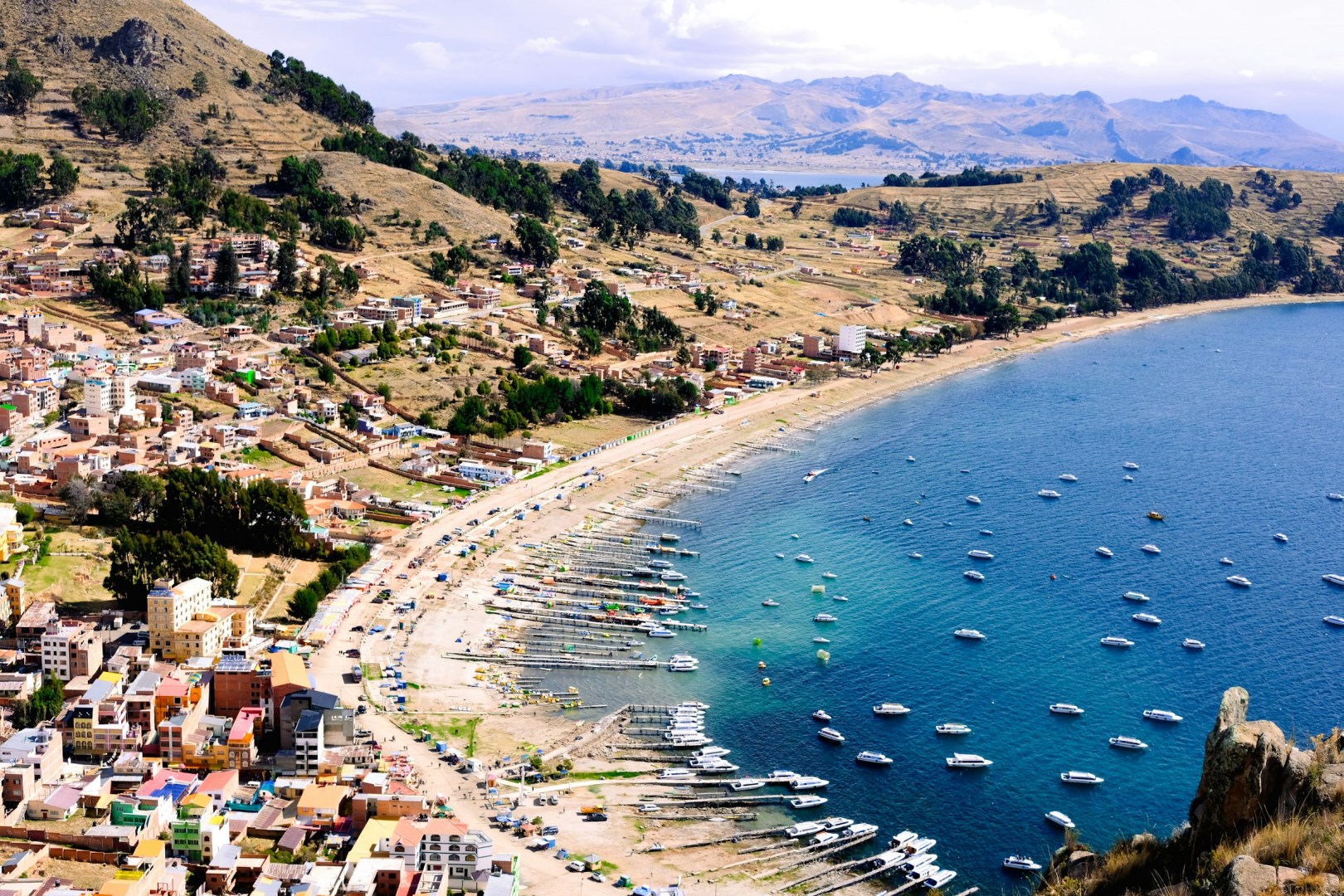
Copacabana is a lakeside town in western Bolivia, situated on the shores of Lake Titicaca near the Peruvian border. Its setting between the lake and the surrounding hills gives it a distinctive highland landscape, with views extending across the deep blue waters toward the distant mountains. Copacabana is one of Bolivia’s main gateways to Lake Titicaca and serves as a starting point for boat trips to Isla del Sol and nearby islands.
Vaavu Atoll
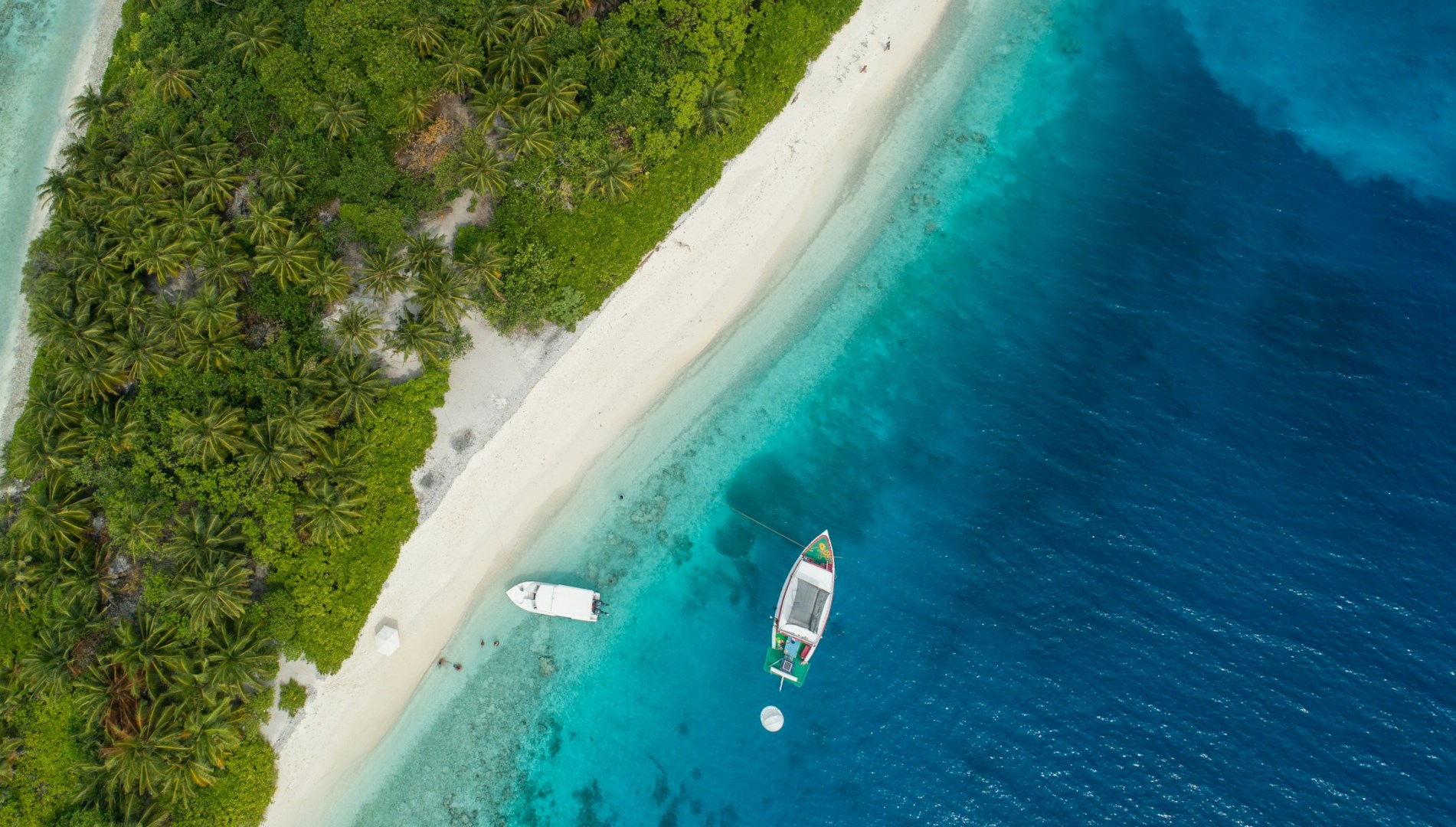
Vaavu Atoll lies south of Malé and is known for its relatively small population, numerous uninhabited islands, clear lagoons, and extensive coral reefs. Felidhoo is the administrative capital, while Thinadhoo, Keyodhoo, and Fulidhoo are among the better-known inhabited islands. The atoll has a quieter character than the more developed areas closer to the capital, with guesthouses, fishing communities, and resorts spread across separate islands.
