

Dominica
Dominica, known as the “Nature Island of the Caribbean,” is a haven for eco-tourists and adventure seekers. Nestled between the French islands of Guadeloupe and Martinique, this lush island boasts a remarkable landscape of volcanic mountains, dense rainforests, and stunning waterfalls. Dominica’s most iconic natural wonder is the Boiling Lake, the second-largest hot spring in the world.
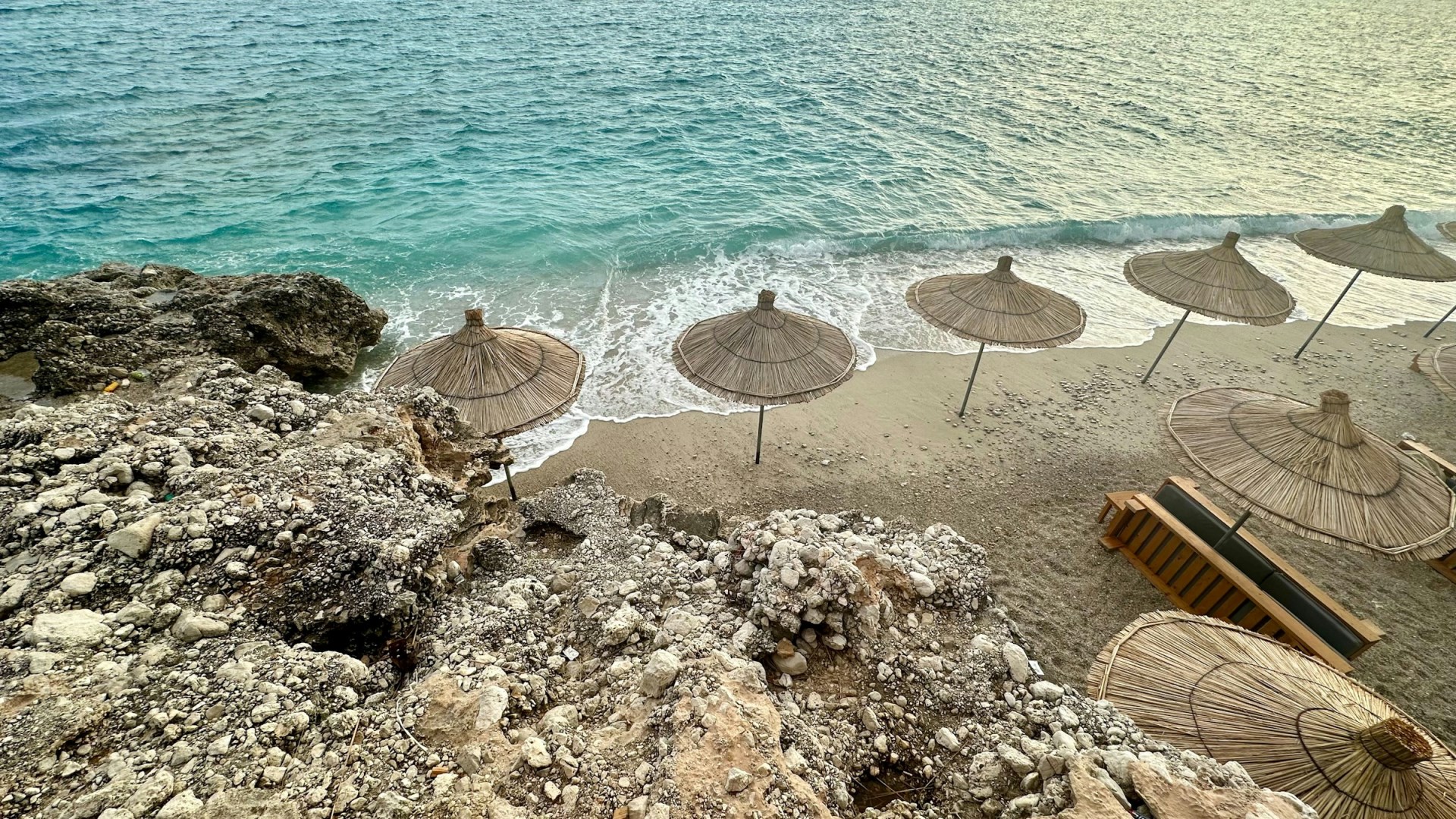
Himarë
Himare is a coastal town in southern Albania, set along the Ionian Sea between steep mountains and a series of beaches, coves, and rocky headlands. The town is part of the Albanian Riviera and combines a modern waterfront with the older settlement of Himara on a hill above the coast. Olive and citrus trees grow across the surrounding slopes, while the sea shapes much of daily life and local recreation.

Freycinet National Park
Freycinet National Park, located on the east coast of Tasmania, Australia, is a natural paradise that entices travelers with its dramatic pink granite peaks, secluded bays, and pristine beaches. The park is home to the iconic Wineglass Bay, often touted as one of the world's most beautiful beaches, with its crescent-shaped shore of soft white sand and crystal-clear turquoise waters.
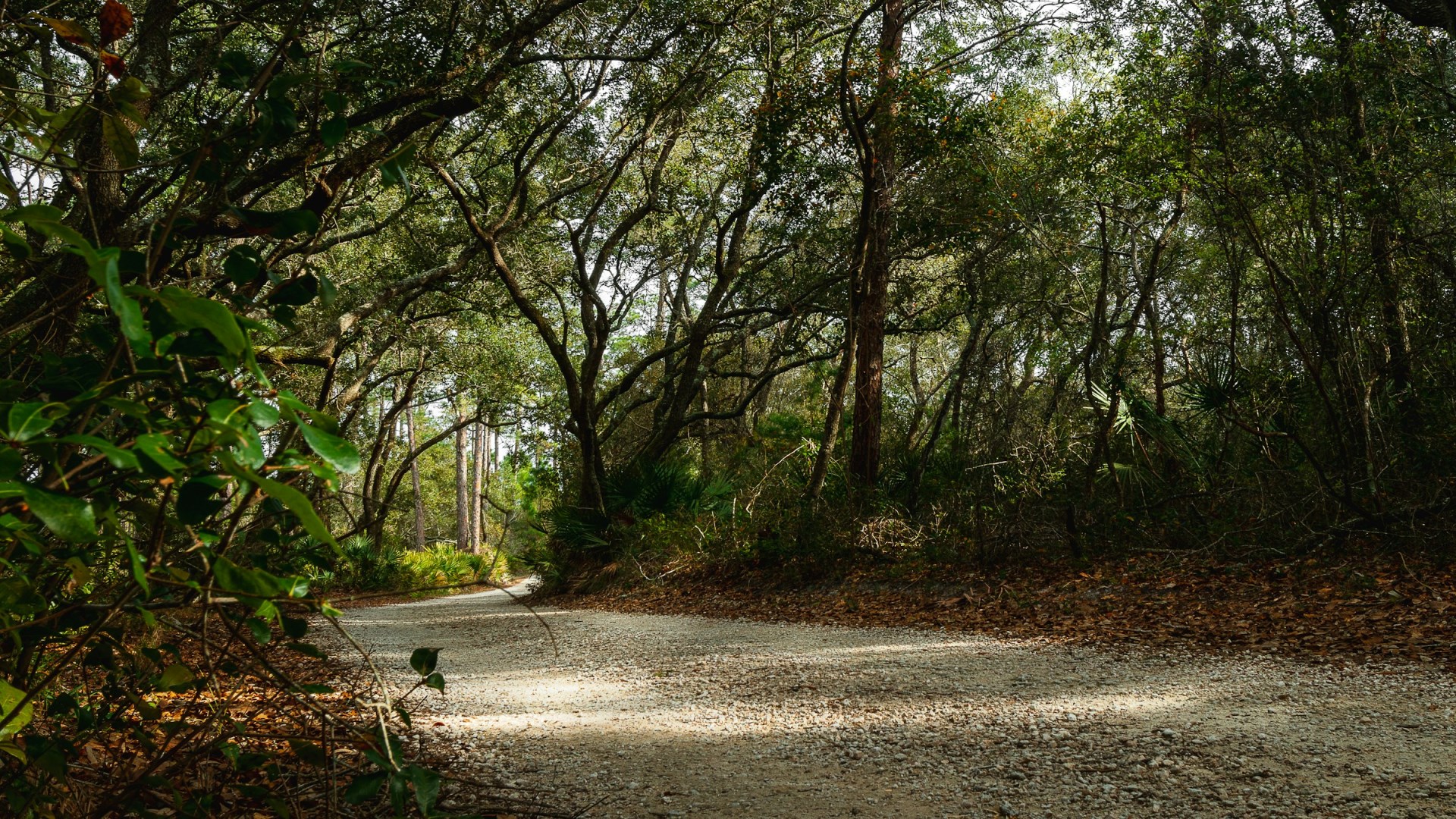
Alabama
Alabama surprises many first-time visitors with its rich cultural depth and variety of landscapes. From the white-sand beaches of Gulf Shores to the Appalachian foothills in the north, the state offers a wide range of experiences. Music runs deep in Alabama’s veins. Muscle Shoals, a small town along the Tennessee River, is legendary among musicians. Its Fame Recording Studios and Muscle Shoals Sound Studio hosted Aretha Franklin, The Rolling Stones, and Lynyrd Skynyrd.
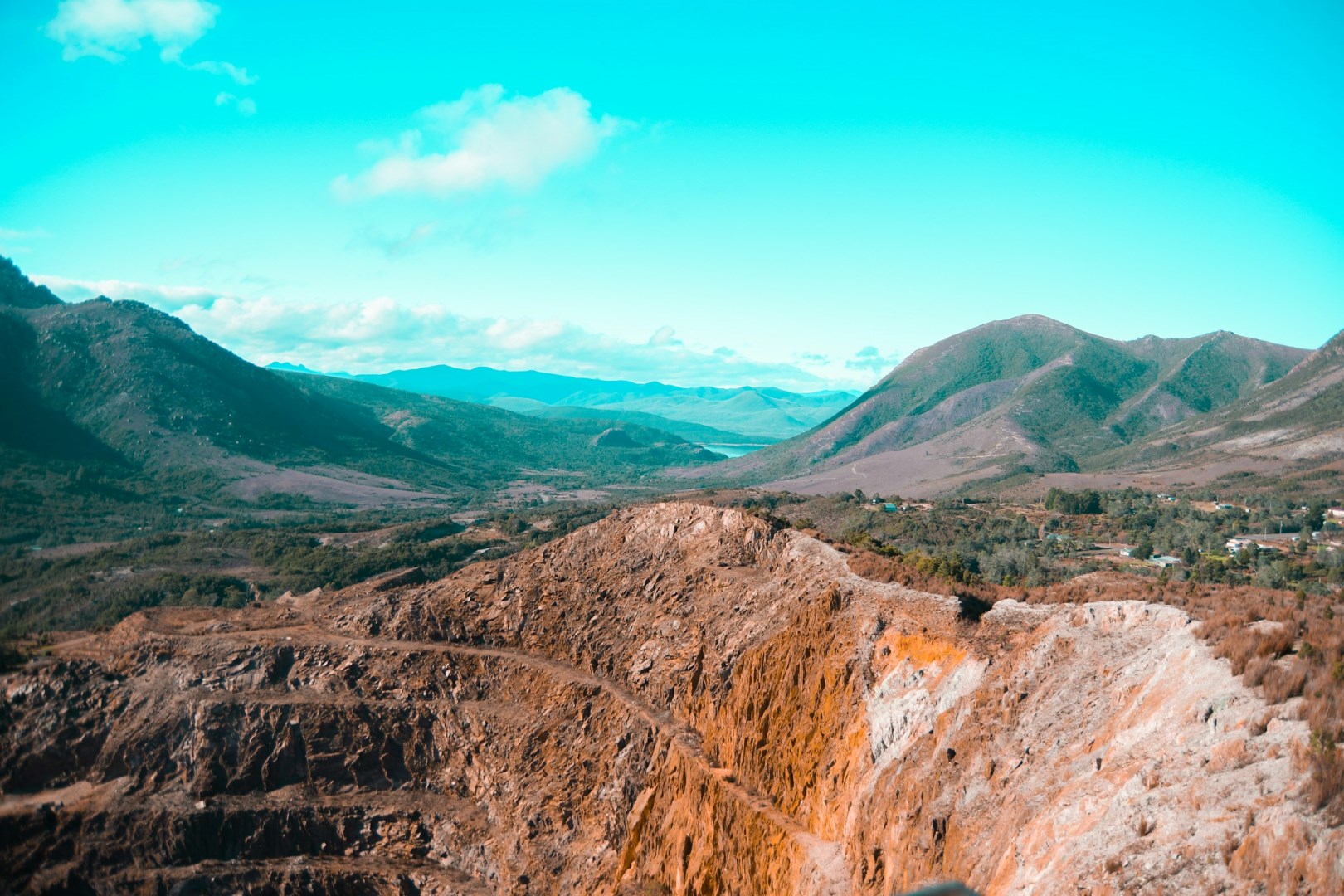
Queenstown Tasmania
Queenstown started off as a major gold mining area, based around the Queen River Valley. This then developed into a profitable copper mining area, which was still running until 1969. There are a variety of things to do in Queenstown, and it is a good base from which to explore western Tasmania.
