
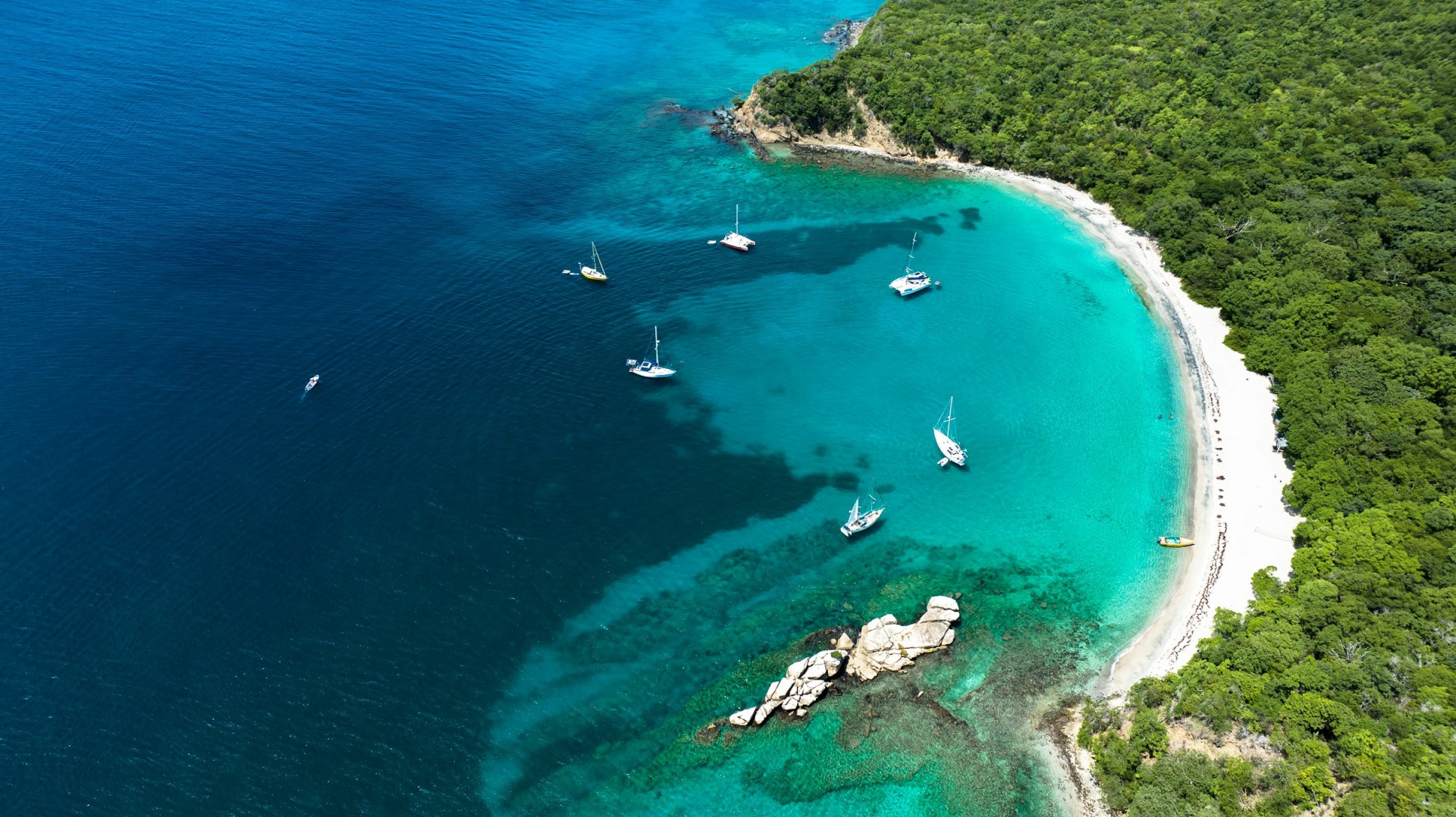
Carriacou
Carriacou is the largest of Grenada’s sister islands and part of the Grenadines, lying north of mainland Grenada between the Caribbean Sea and Atlantic Ocean. The island has a relatively dry climate and a landscape of low hills, rocky headlands, coral reefs, beaches, and small valleys used for farming. Hillsborough is the main settlement, while Windward, L’Esterre, and Tyrell Bay are among the island’s other communities.
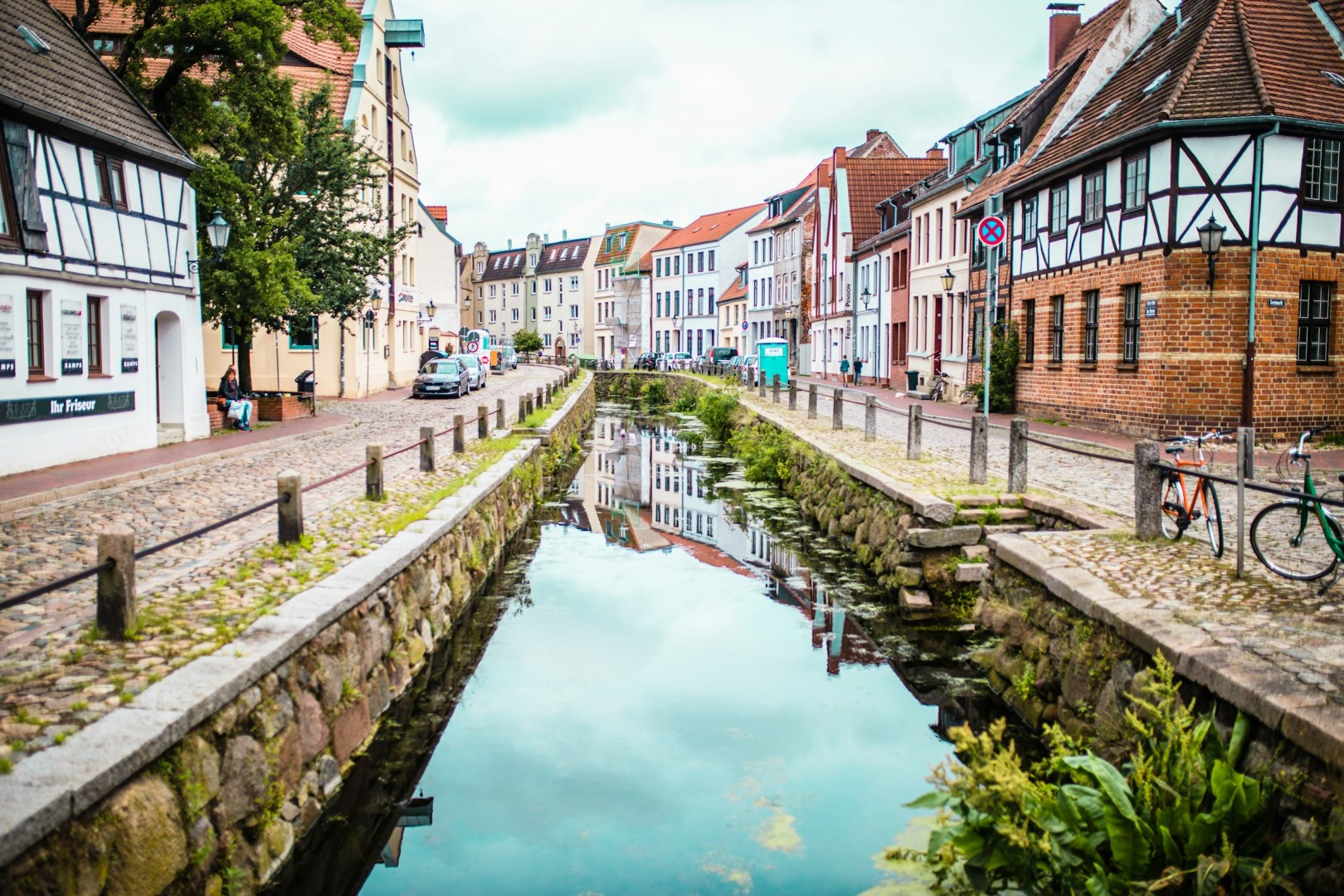
Wismar
Wismar is a historic port city on Germany’s Baltic coast in the state of Mecklenburg-Western Pomerania. Its old town is known for a remarkably well-preserved medieval street plan, large brick churches, merchant houses, and a harbor connected to the Baltic Sea. The city’s architecture reflects its former importance within the Hanseatic trading network, while the waterfront continues to support maritime activity.

Portland
Portland, England, offers a charming blend of coastal beauty, historical intrigue, and unique geological features. Nestled on the Jurassic Coast in Dorset, this picturesque island town is renowned for its stunning cliffs and quarries.
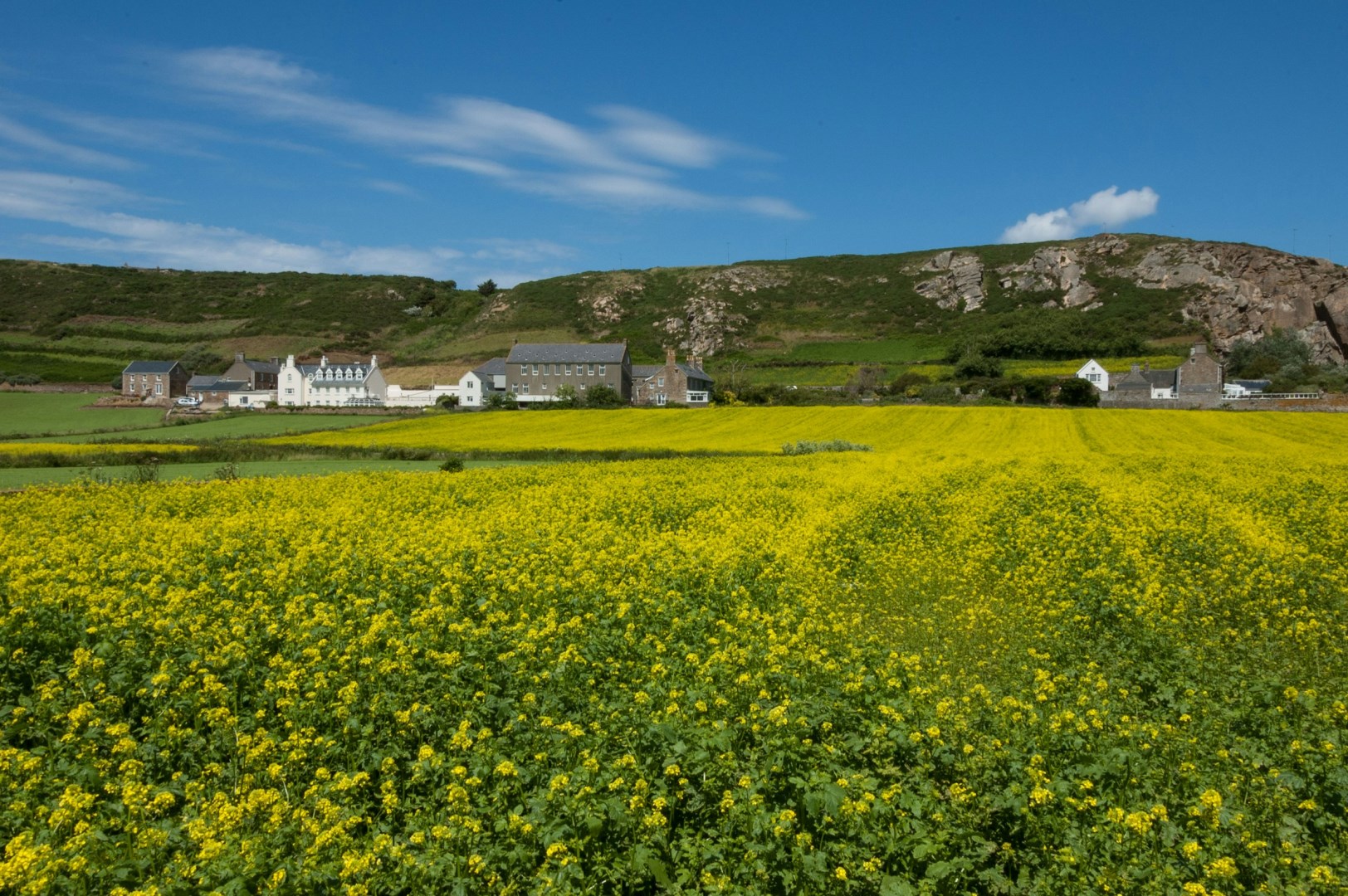
St Ouen
St Ouen is a rural parish on the northwestern side of Jersey, occupying much of the island’s largest bay and a broad area of open countryside. Its landscape is defined by long beaches, dunes, heathland, fields, and a rugged Atlantic coastline. St Ouen’s Bay stretches for about eight kilometres and is closely associated with Jersey’s surfing tradition, while the parish’s inland lanes lead through farmland and small settlements.
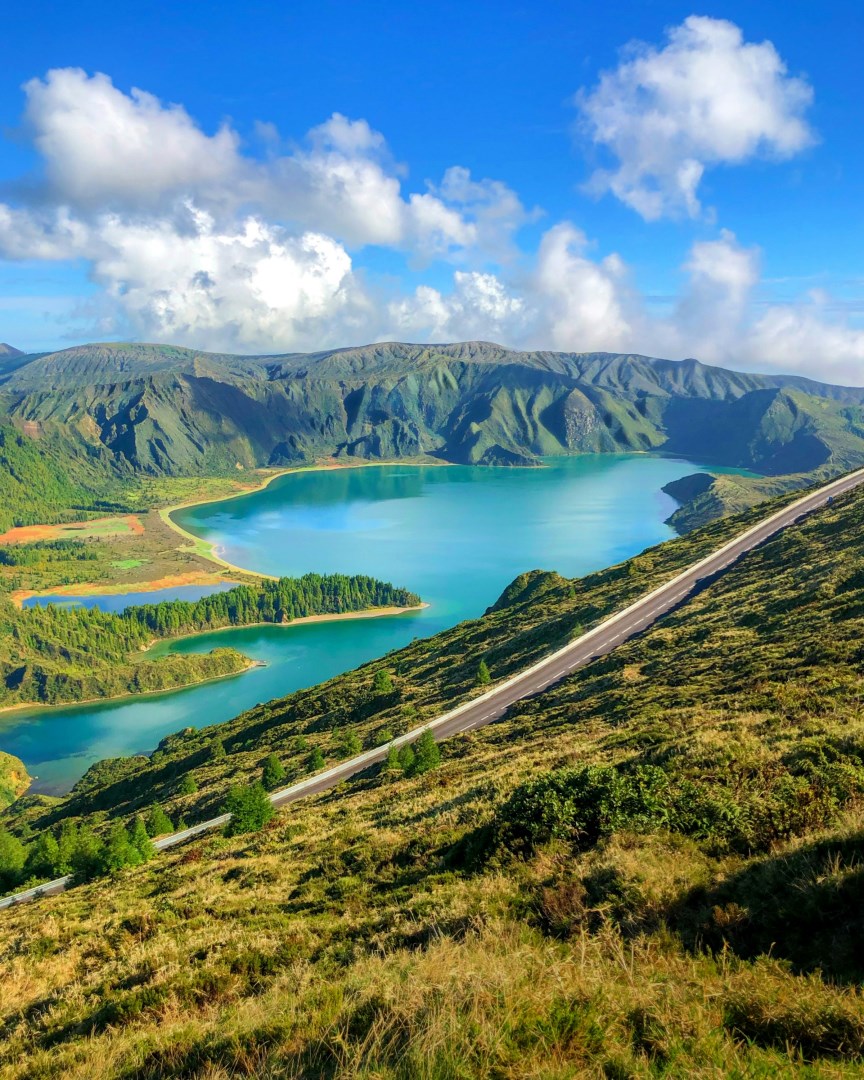
Lagoa do Fogo
Lagoa do Fogo is a volcanic crater lake on São Miguel Island in Portugal’s Azores archipelago. Set within a protected landscape in the island’s central highlands, the lake occupies a large caldera surrounded by steep slopes covered with native vegetation. Its remote setting and undeveloped shoreline distinguish it from the more settled areas of São Miguel.
