

Maasai Mara National Reserve
Masai Mara is a renowned wildlife region in southwestern Kenya, known for its broad grasslands, seasonal rivers, and high concentration of large mammals. The reserve forms part of the greater Mara-Serengeti ecosystem, allowing wildlife to move across a much larger landscape beyond the protected area itself. Lions, cheetahs, leopards, elephants, buffaloes, giraffes, and numerous antelope species are commonly associated with the region.
Worcester
Worcester, Massachusetts is located on the Blackstone River, near Lake Quinsigamond. Points of interest include: the American Antiquarian Society; the Worcester Art Museum; the Worcester Historical Museum; the John Woodman Higgins Armory; and the Worcester Science Center, with collections on the biological and physical sciences; and the Worcester
Music Festival.
Music Festival.
Lambert's Bay
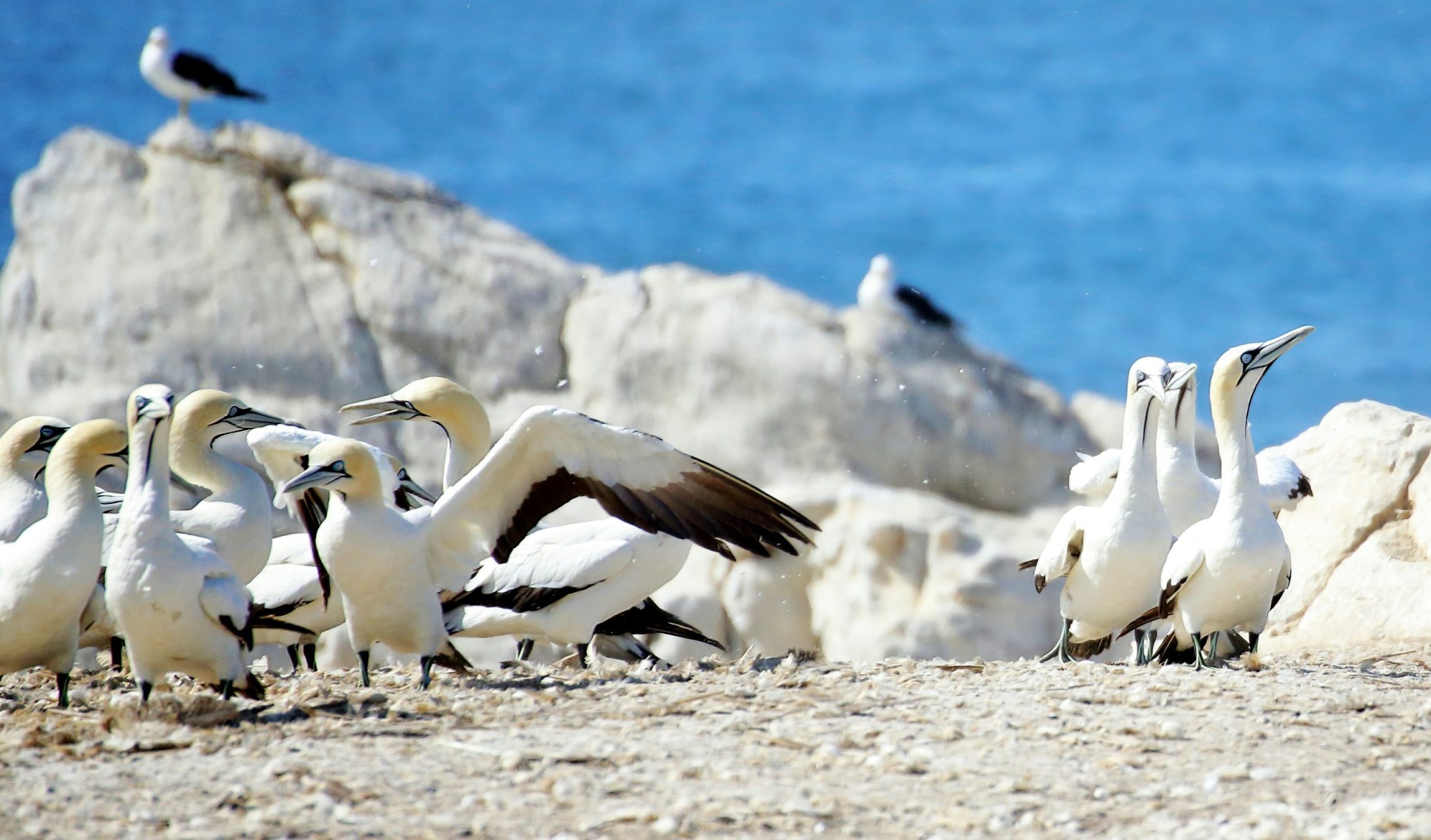
Lambert’s Bay is a small fishing town on South Africa’s West Coast in the Western Cape, positioned beside the Atlantic Ocean. Its setting is defined by a working harbour, sandy beaches, rocky shoreline, and the low, dry vegetation of the West Coast. The town is part of the Cape West Coast Biosphere region and is particularly known for its seabird colonies and fishing industry.

Machu Picchu
Machu Picchu is a story carved into stone, perched nearly 2,500 meters above sea level in the cloud forests of southern Peru. Built in the 15th century and later abandoned, this Inca citadel was unknown to the outside world until 1911, when explorer Hiram Bingham brought it to international attention. Today, it remains remarkably well-preserved, with more than 150 stone structures, terraced fields, ceremonial fountains, and temples aligned with astronomical events.
Brindisi
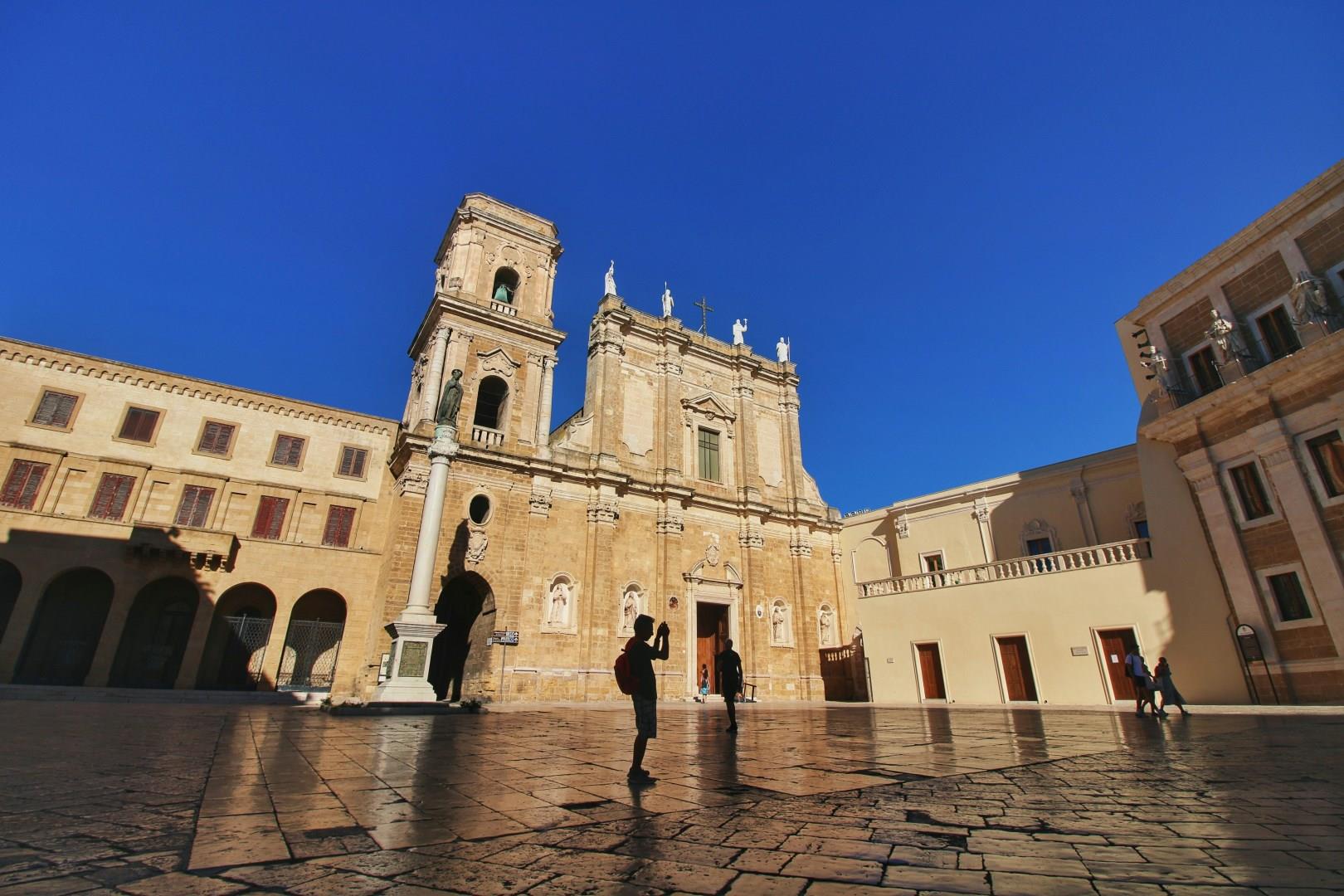
Italy’s port city of Brindisi, tucked along the Adriatic coast in the Puglia region, has been a gateway to the East for over two thousand years. Once the Roman Empire’s main departure point for the Via Appia, the road to Greece and beyond, Brindisi still bears traces of its ancient past, from Roman columns to remnants of old harbors that once welcomed traders, pilgrims, and soldiers.
