

San Juan
San Juan, Puerto Rico’s capital, is a city where cobblestone streets lead to centuries-old forts and pastel-colored buildings overlook the Atlantic. The district of Old San Juan is a UNESCO World Heritage Site, known for its Spanish colonial architecture and thick stone walls that once defended the city from pirates and naval attacks. The city hosts regular events such as La Campechada, which celebrates Puerto Rican art and literature with live performances and open-air exhibits.
Elephanta Caves
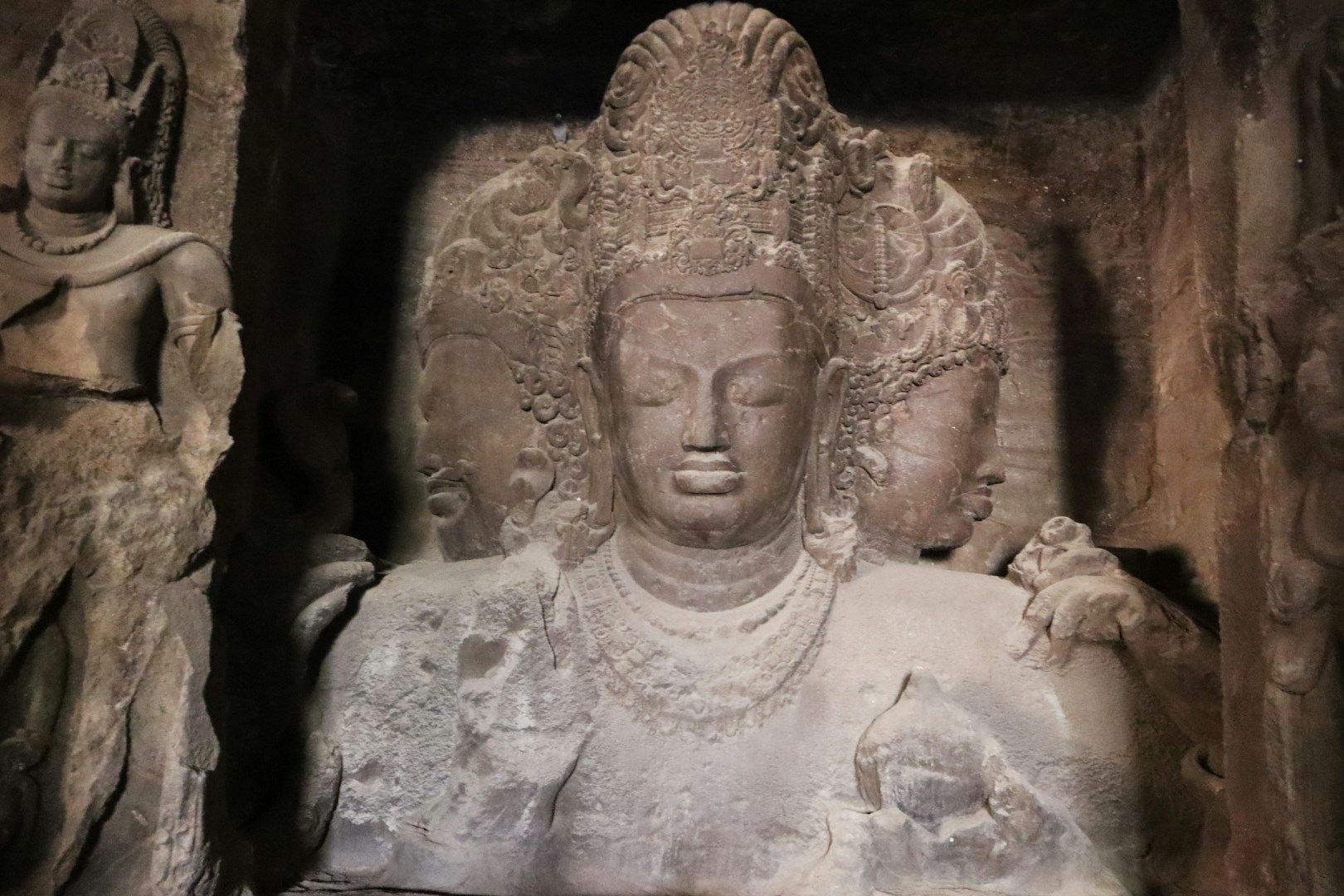
Elephanta Caves are a group of rock-cut temples on Elephanta Island in Mumbai Harbour, Maharashtra, reached by ferry from Mumbai. Carved into basalt cliffs, the caves contain sculptures and architectural features dedicated mainly to Shiva, along with smaller Buddhist remains. The island is covered by forest and rises above the surrounding waters, creating a marked contrast with the dense urban landscape of Mumbai. The cave complex is recognized as an important example of Indian rock-cut architec
Abu Simbel
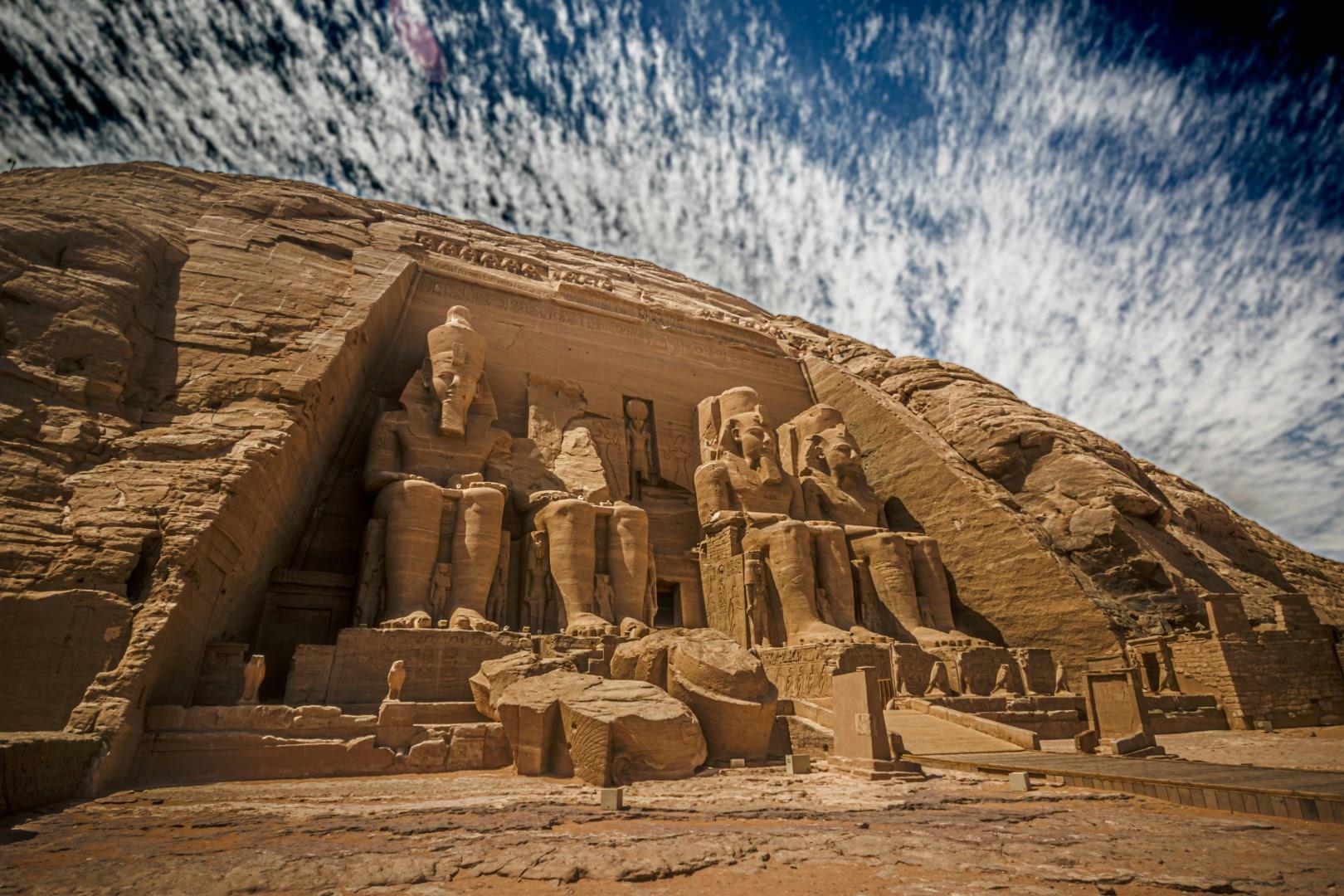
Abu Simbel, in southern Egypt near the border with Sudan, is one of the most awe-inspiring archaeological sites of the ancient world. Built during the reign of Pharaoh Ramses II in the 13th century BCE, the twin temples were carved directly into the sandstone cliffs overlooking the Nile. The Great Temple, with its four colossal statues of Ramses II seated at the entrance, was designed not only to honor the pharaoh but also to project his power to neighboring Nubia.
Tianjin
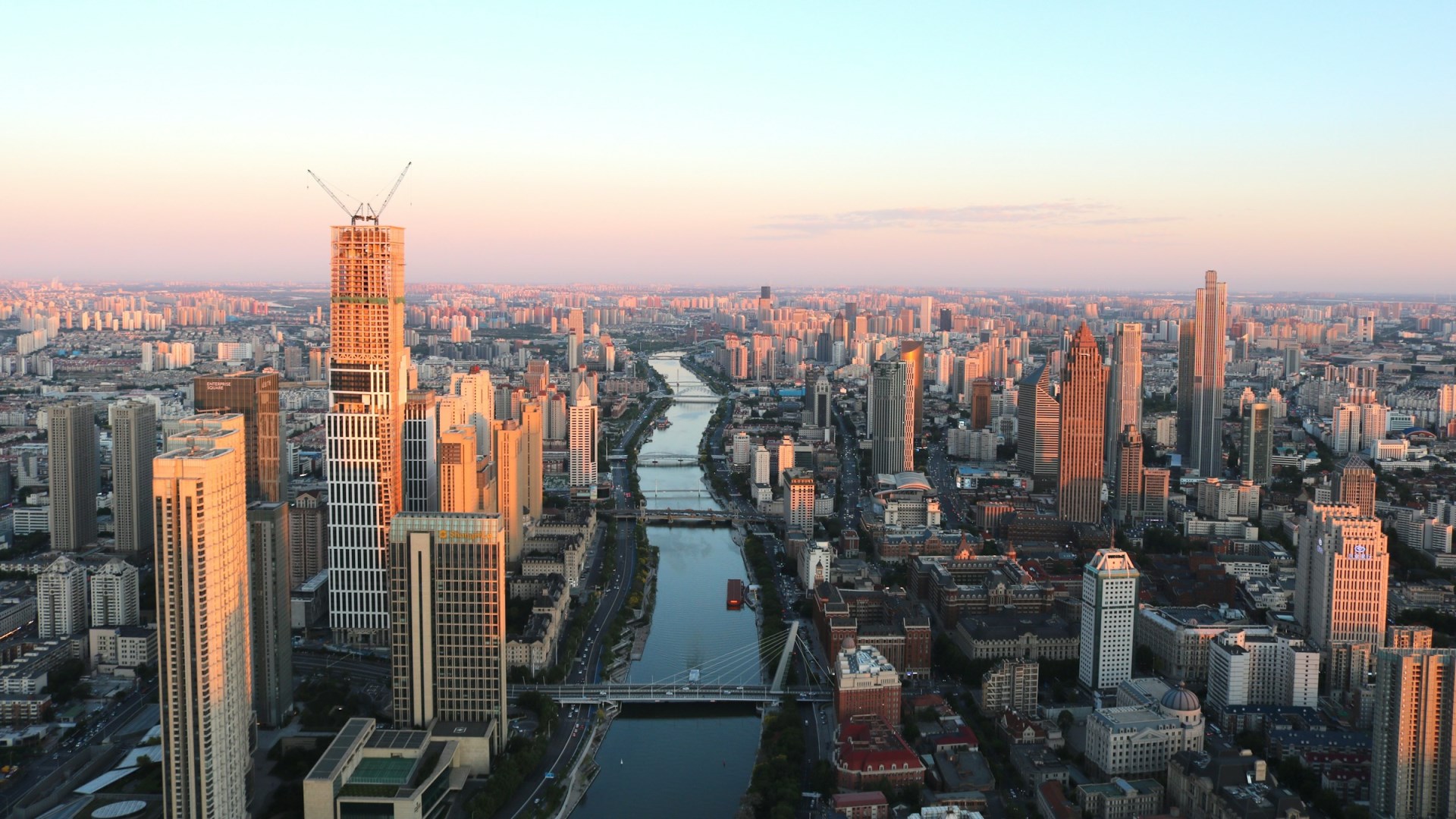
Tianjin is a major city in northern China, positioned near the Bohai Sea where the Haihe River runs through the urban center. Its character has been shaped by maritime trade, river transport, industry, and its proximity to Beijing. The city combines a historic Chinese core with broad avenues, former foreign concession districts, modern commercial areas, and a large port.
Isola Bella
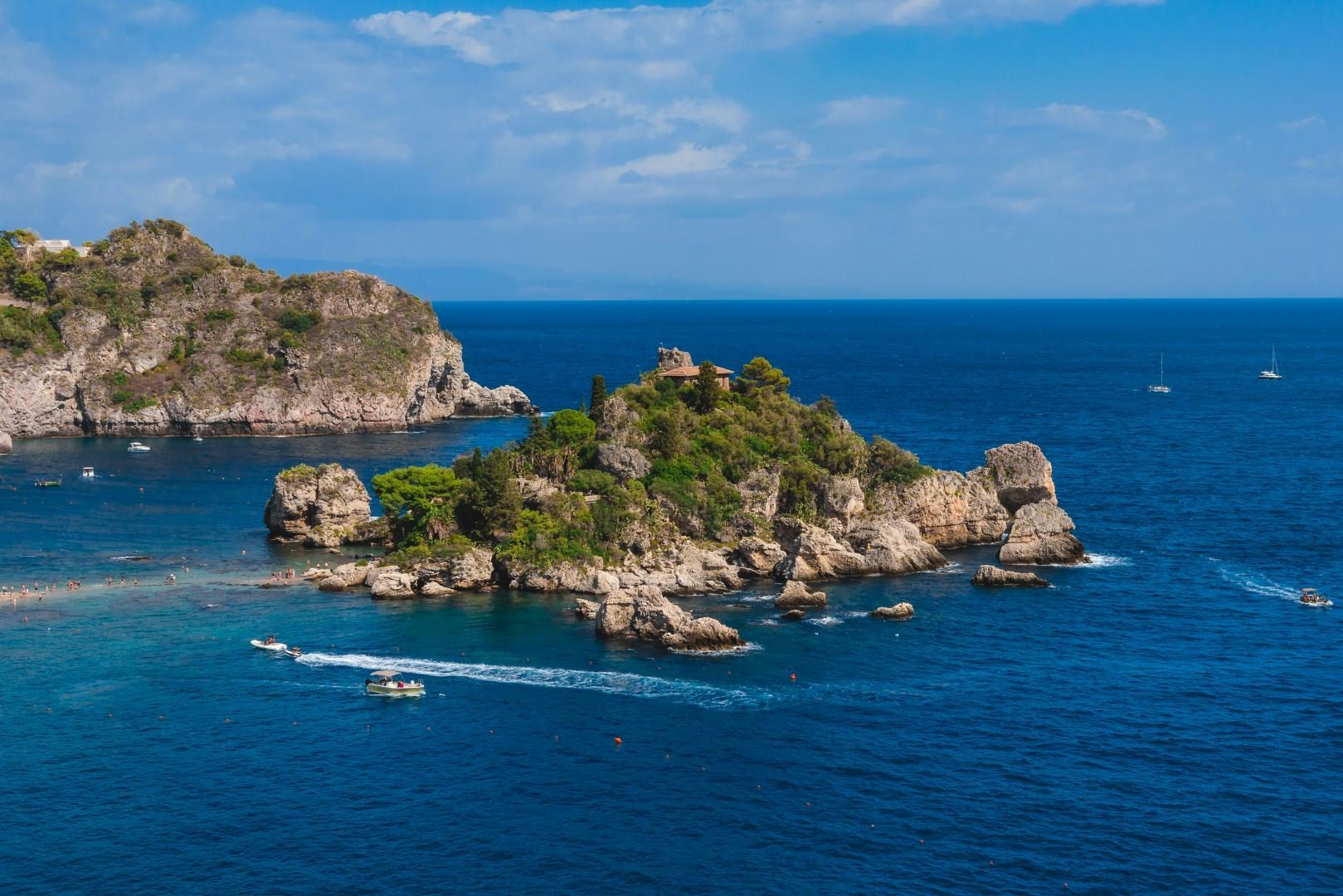
Isola Bella sits on Lake Maggiore as part of the Borromean Islands, closely tied to the ambitions of the Borromeo family who reshaped the rocky outcrop in the 17th century.
