
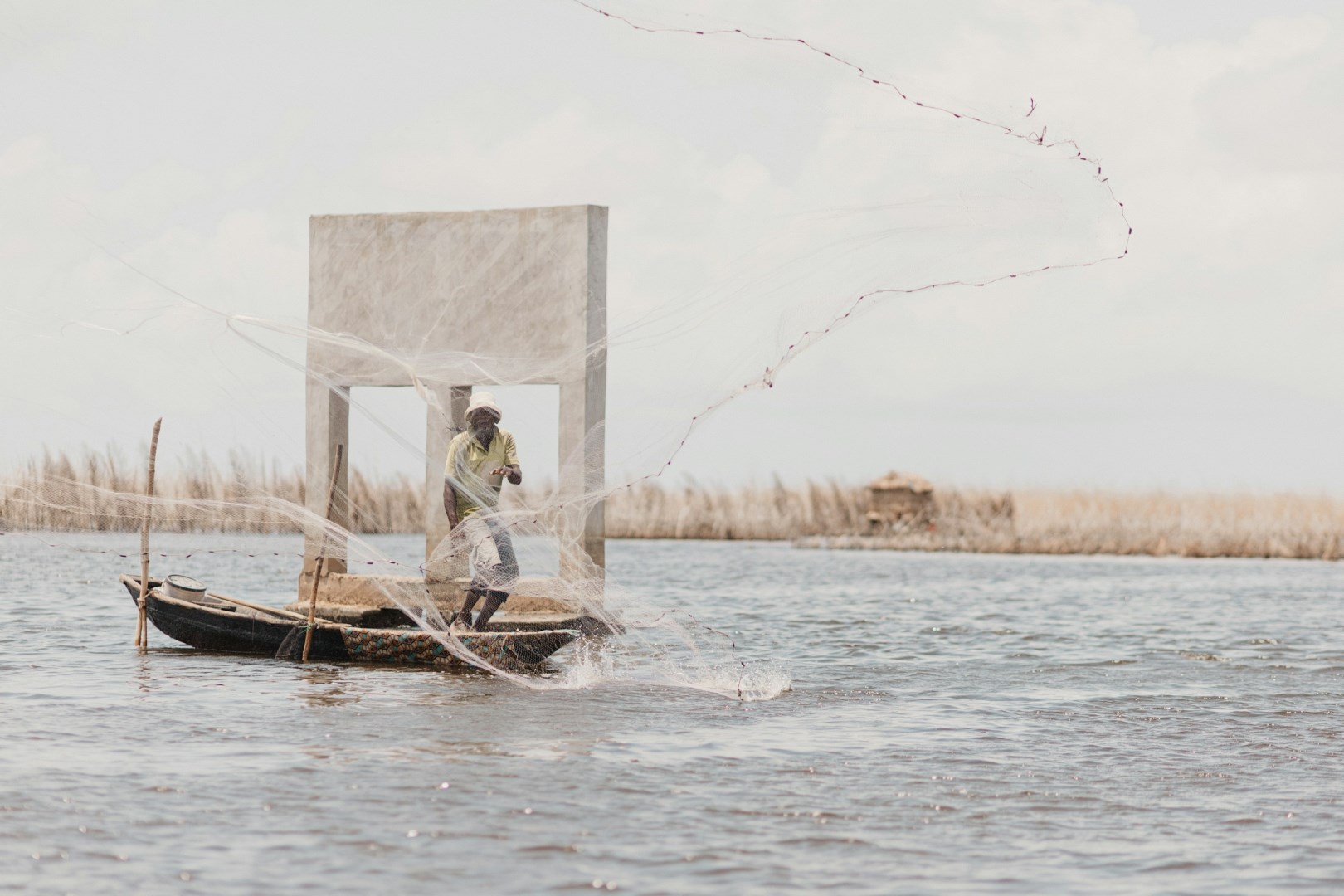
Cotonou
Cotonou, the Center de Promotion de l'Artisant is a lively spot where you can bargain for everything thats produced in Cotonou.
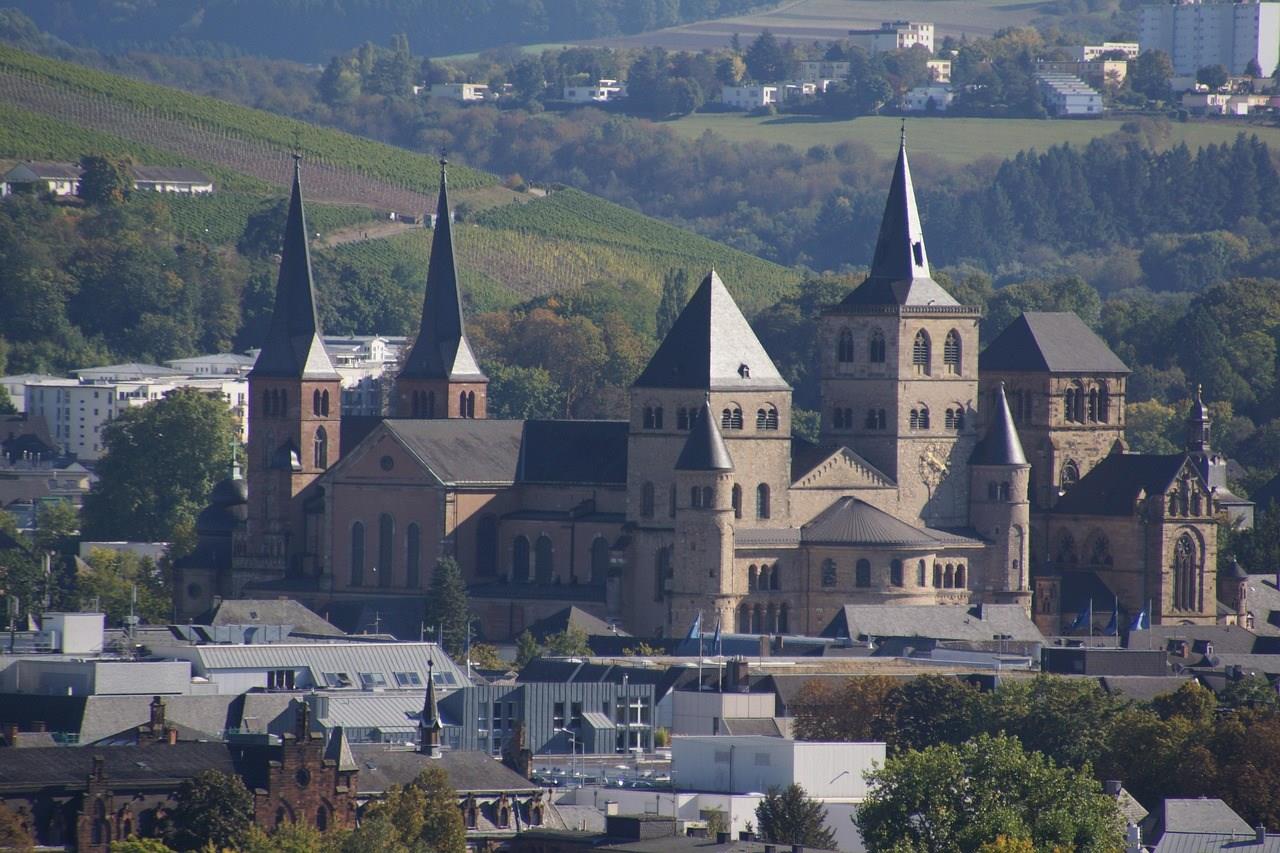
Trier
Trier, Germany’s oldest city, is a living museum nestled in the Moselle Valley, where Roman ruins rise beside medieval churches and bustling market squares. Founded by the Romans in 16 BCE, Trier was once known as “Roma Secunda,” the second Rome, and still boasts the largest collection of Roman architecture north of the Alps. The Trier Cathedral (Dom St. Peter), which is a UNESCO World Heritage Site, is the oldest church in Germany and houses a relic said to be the Holy Robe of Christ.
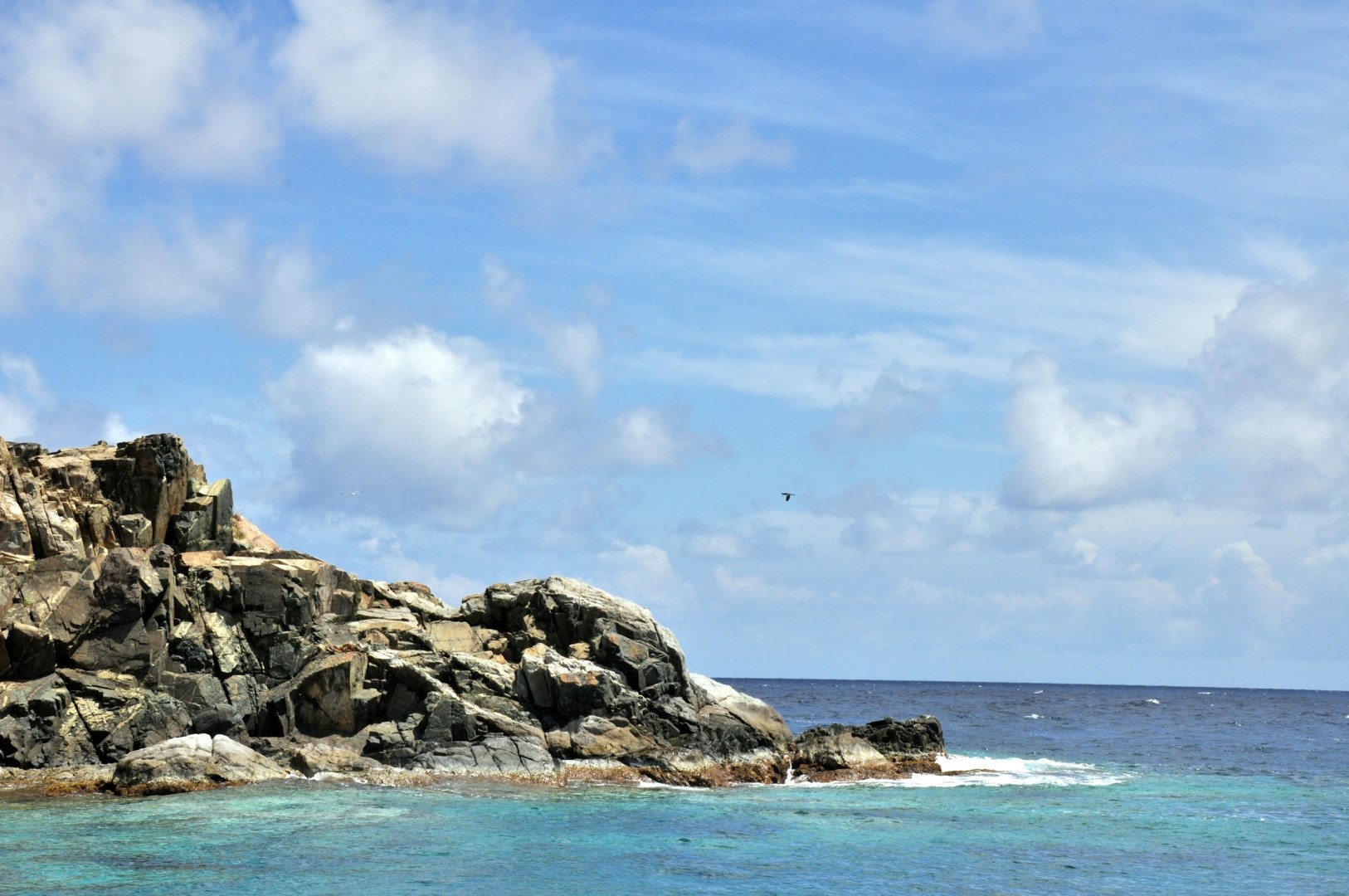
Buck Island
Buck Island is a small uninhabited island off the northeastern coast of St. Croix in the U.S. Virgin Islands. Most of the island and surrounding waters form Buck Island Reef National Monument, a protected area known for coral reefs, sandy beaches, dry forest, and marine habitats. The island lies a short boat journey from Christiansted and is surrounded by clear Caribbean waters.
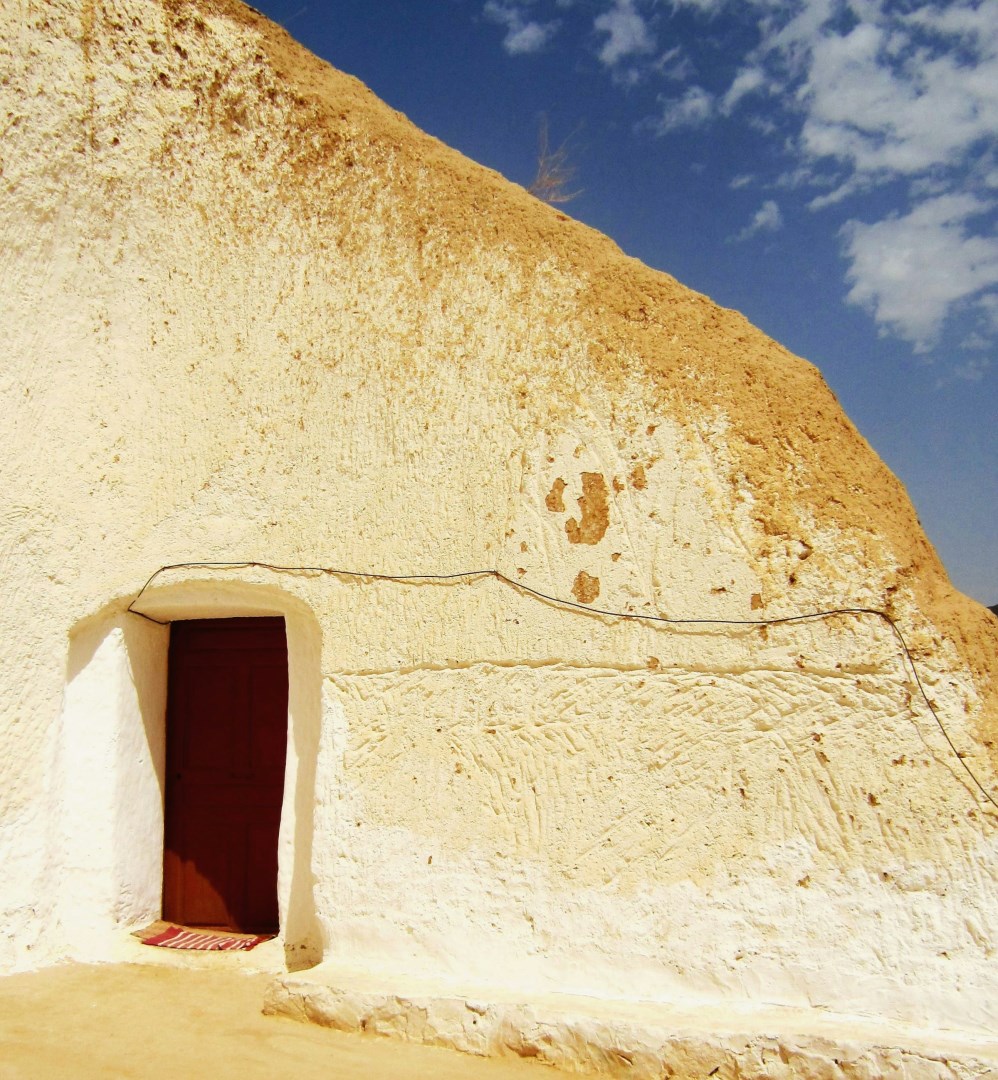
Douz
Douz is a town in southern Tunisia on the edge of the Sahara, where date-palm oases meet the dunes of the Grand Erg Oriental. The town is often regarded as a gateway to the sandy desert, with dunes beginning close to the built-up area and extending toward the wider Sahara. Palm groves provide a strong contrast to the surrounding dry landscape, while nearby Chott el-Jerid forms a vast salt depression with bright mineral surfaces and mirages.

Saudi Arabia
Saudi Arabia is revealing chapters long unseen by tourists. Al-Ula is home to Hegra, the first UNESCO World Heritage Site in the kingdom and hosts to ancient Nabatean tombs carved in sandstone cliffs. Nearby, the mirrored Maraya Concert Hall reflects the desert sky, its design both unexpected and elegant amid the sands. Visitors can wander through narrow canyons, step inside rock-hewn facades, and feel the weight of ancient civilizations still echoing across the dunes.
