

Apulia
Apulia, or Puglia, is a sun-kissed region in southeastern Italy, renowned for its diverse landscapes and rich cultural heritage. The city of Bari, Apulia’s capital, offers a captivating blend of historic charm and vibrant modern life. Explore the narrow streets of the Old Town, home to the stunning Basilica di San Nicola, which houses the relics of Saint Nicholas.
Ayia Napa
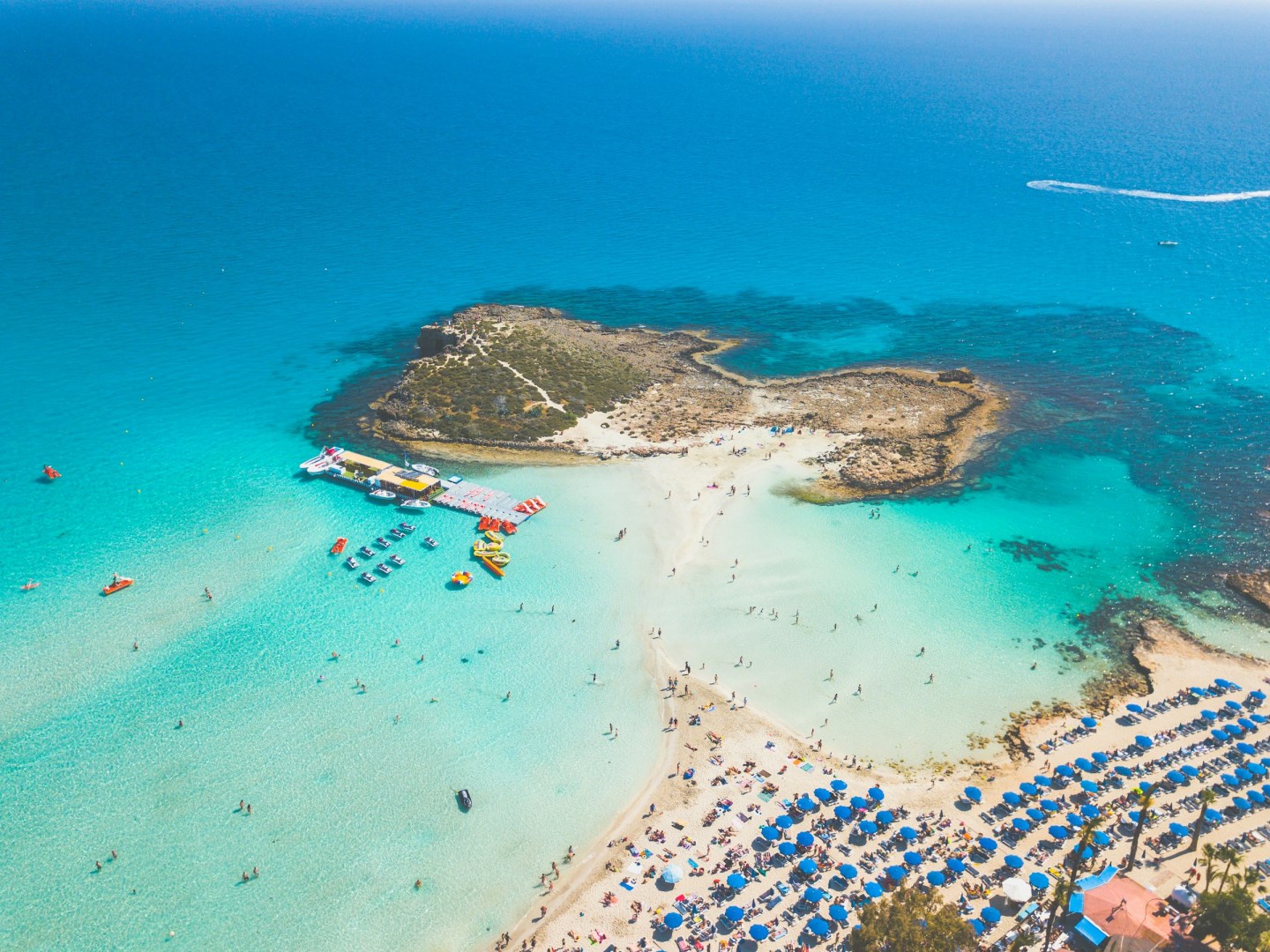
Ayia Napa is a coastal town in southeastern Cyprus, known for its sandy beaches, clear coastal waters, fishing harbor, and extensive tourism infrastructure. Once a small fishing village, it has developed into one of Cyprus's best-known seaside resorts while retaining several historic and cultural landmarks.
Isle Of Lundy
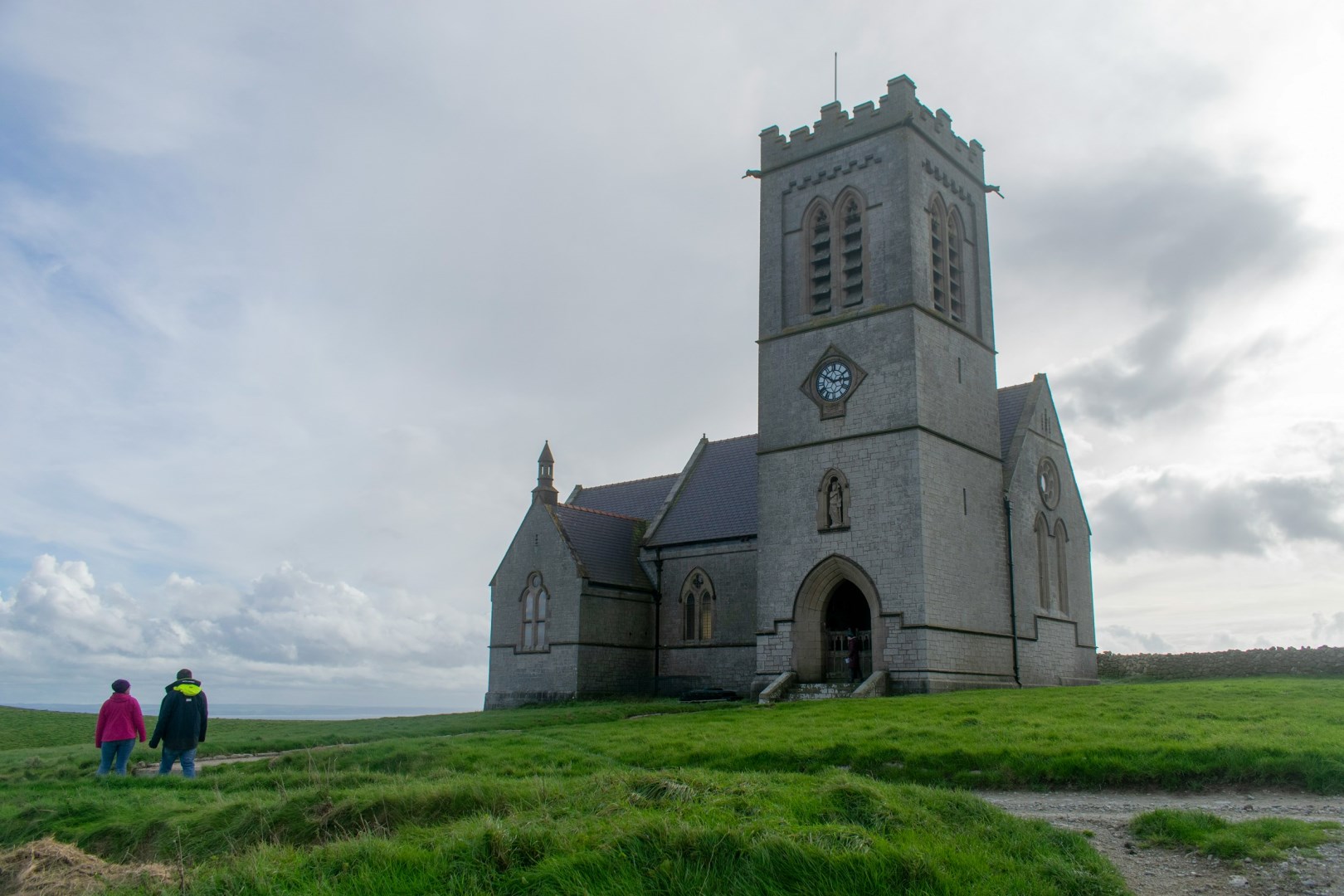
Lundy is a small granite island in the Bristol Channel, about 12 miles off the coast of North Devon. Roughly three miles long and half a mile wide, it has a rugged western coastline of cliffs and a more sheltered eastern side with grassy slopes and Landing Bay. The island is owned by the National Trust and managed by the Landmark Trust, with a small resident community and no cars.
Sífnos
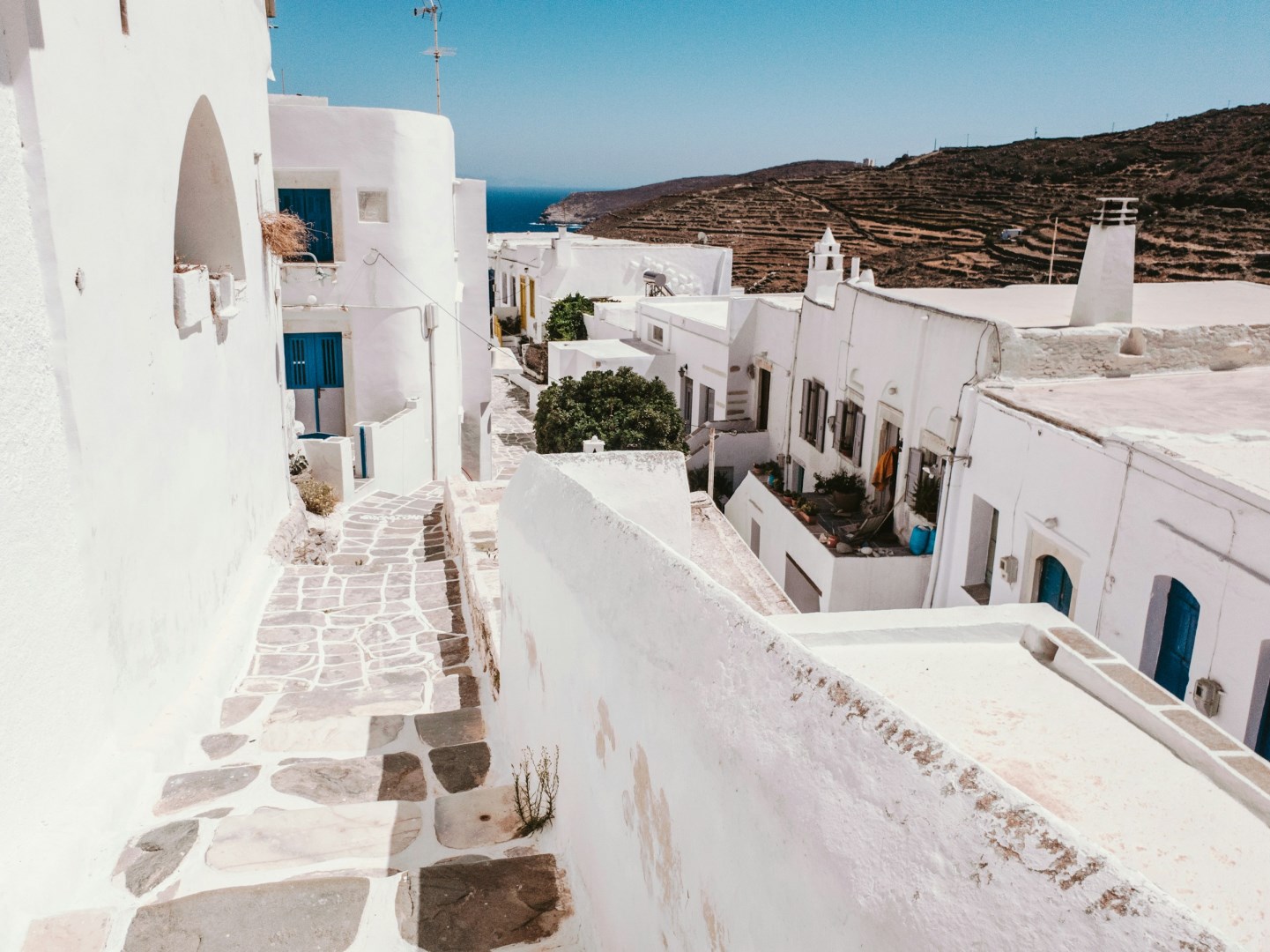
Sífnos is a Cycladic island in the southwestern Aegean, known for its whitewashed villages, stone-paved lanes, terraced hillsides, pottery workshops, and well-marked walking trails. Apollonia, the island’s main settlement, spreads across several hills at the center and serves as its cultural and social hub. Smaller villages such as Artemonas, Kastro, and Exambela retain traditional houses, churches, courtyards, and narrow alleys.

Doha
Doha presents a journey where heritage and modern design intersect gracefully. The Museum of Islamic Art, designed by I. M. Pei, rises from the Corniche and houses ceramics, textiles, manuscripts, and metalwork spanning fourteen centuries. Nearby, the National Museum of Qatar, shaped like a desert rose, narrates the country's story through immersive exhibits and architecture by Jean Nouvel. These institutions offer perspectives on both art and national identity.
