
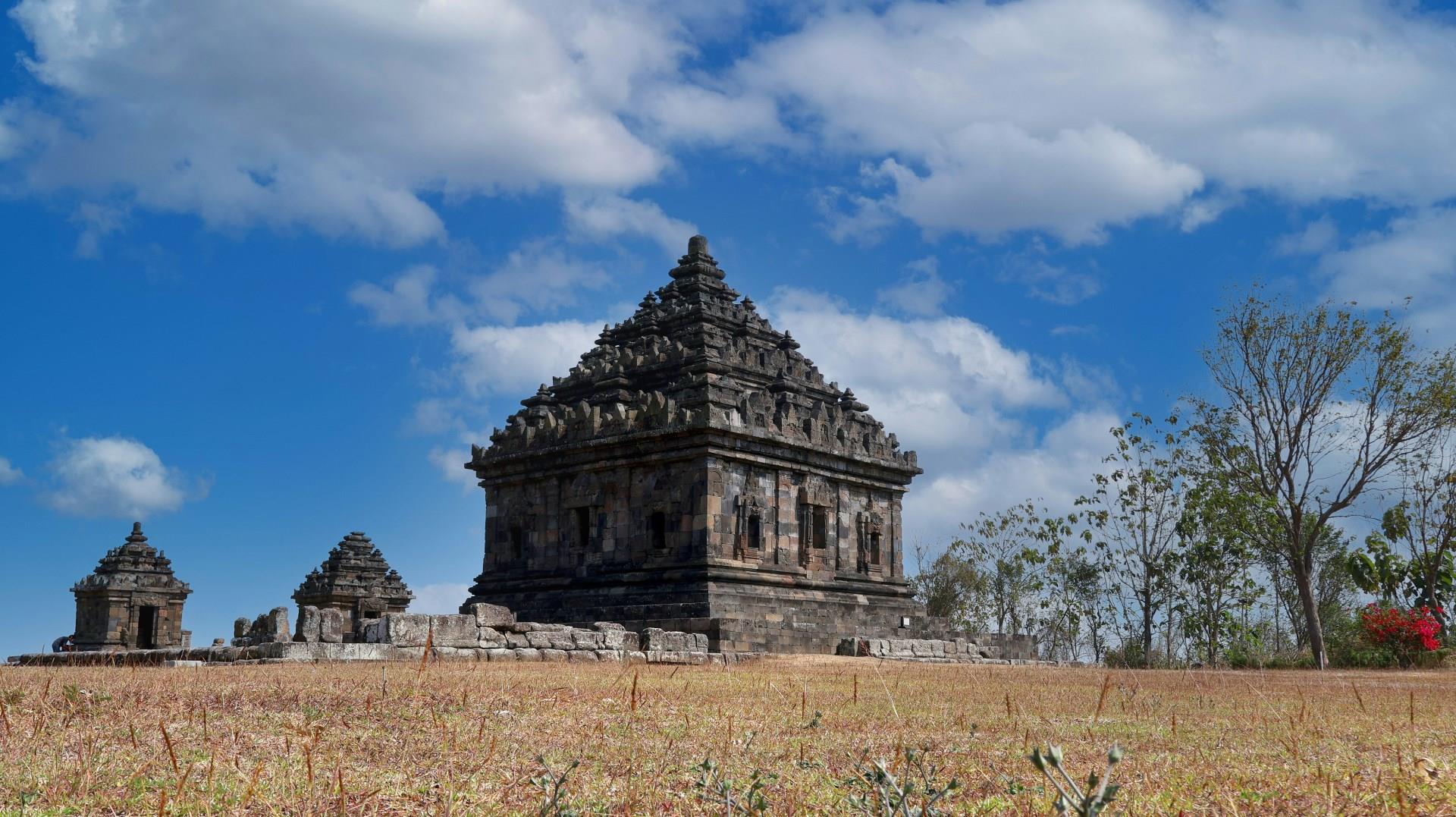
Yogyakarta Java
Yogyakarta, on the island of Java, is often described as Indonesia’s cultural capital, a reputation grounded in living tradition rather than nostalgia. It remains the seat of a functioning sultanate, and the royal palace, or kraton, anchors the city’s identity through ceremonies, crafts, and court arts that continue to shape everyday life. The city also played a key role in Indonesia’s struggle for independence, giving it a strong sense of civic pride and historical awareness.
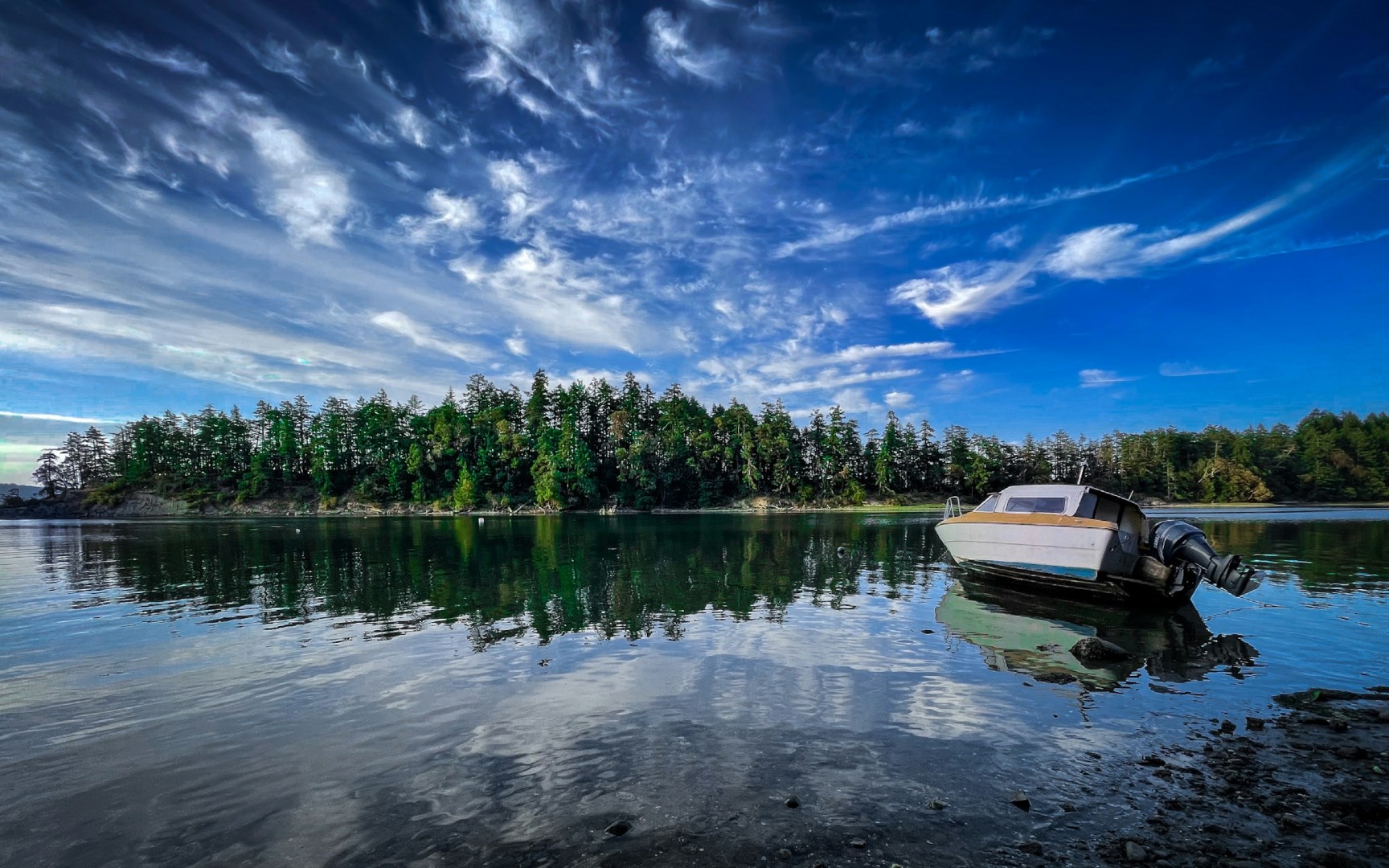
Salt Spring Island
Salt Spring Island is the largest of British Columbia’s Southern Gulf Islands, situated between Vancouver Island and the mainland in the Salish Sea. The island is known for its forested hills, sheltered bays, small farms, and network of rural roads. Ganges serves as the main community and a centre for shops, galleries, cafés, and waterfront activity, while Fulford Harbour and Vesuvius provide additional ferry connections.
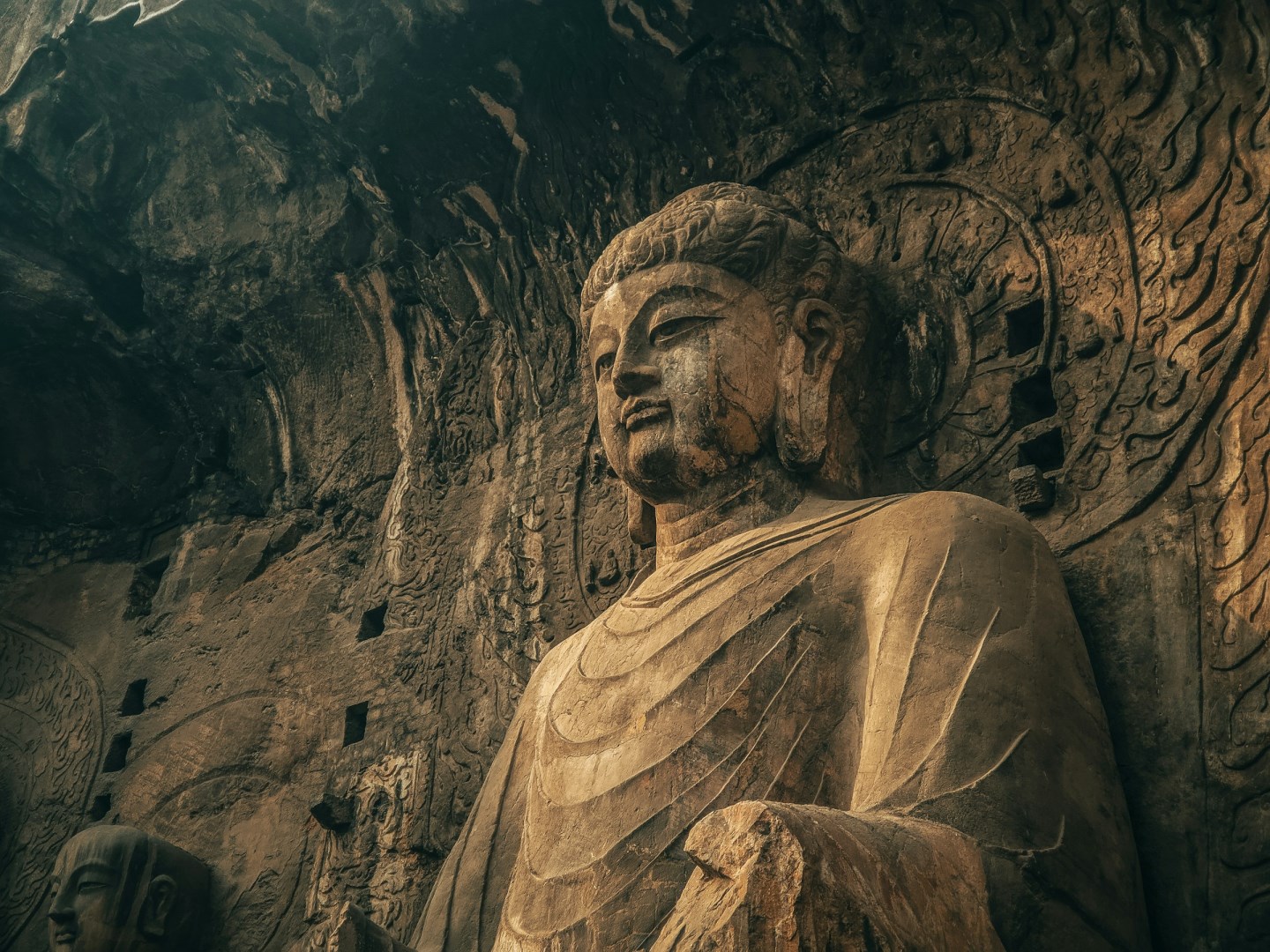
Luoyang
Repository of splendid Buddhist sculptures. Also visit the Longmen Grottoes, dating back more than 400 yeaers and renowned as one of the three great treasure houses of the legendary Chinese art of stone sculpture.
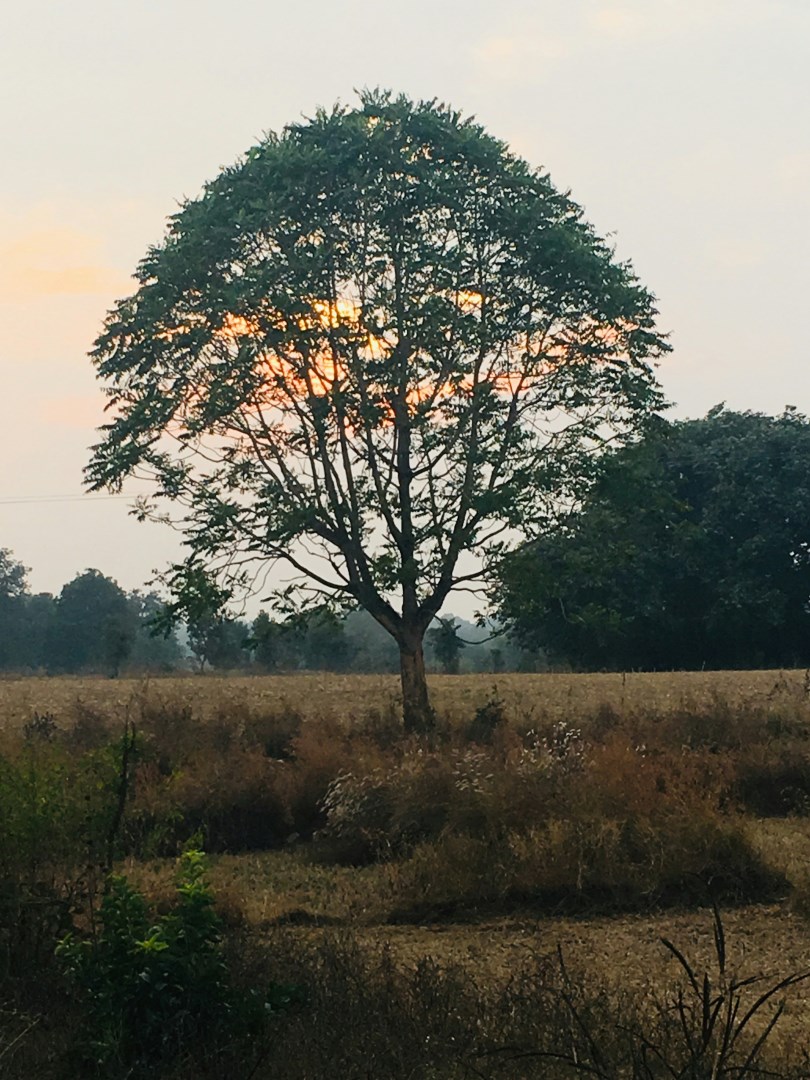
Pench National Park
Pench National Park lies in the southern part of Madhya Pradesh, across Seoni and Chhindwara districts, with the reserve extending toward Maharashtra. The Pench River runs through the landscape and gives the park its name. Its forests include teak, salai, mahua, bamboo, and mixed dry deciduous vegetation, interspersed with open grasslands and streams. The park is especially known for Bengal tigers, but it also supports leopards, Indian wild dogs, gaur, sambar, chital, nilgai, sloth bears, and ma
Tangalle
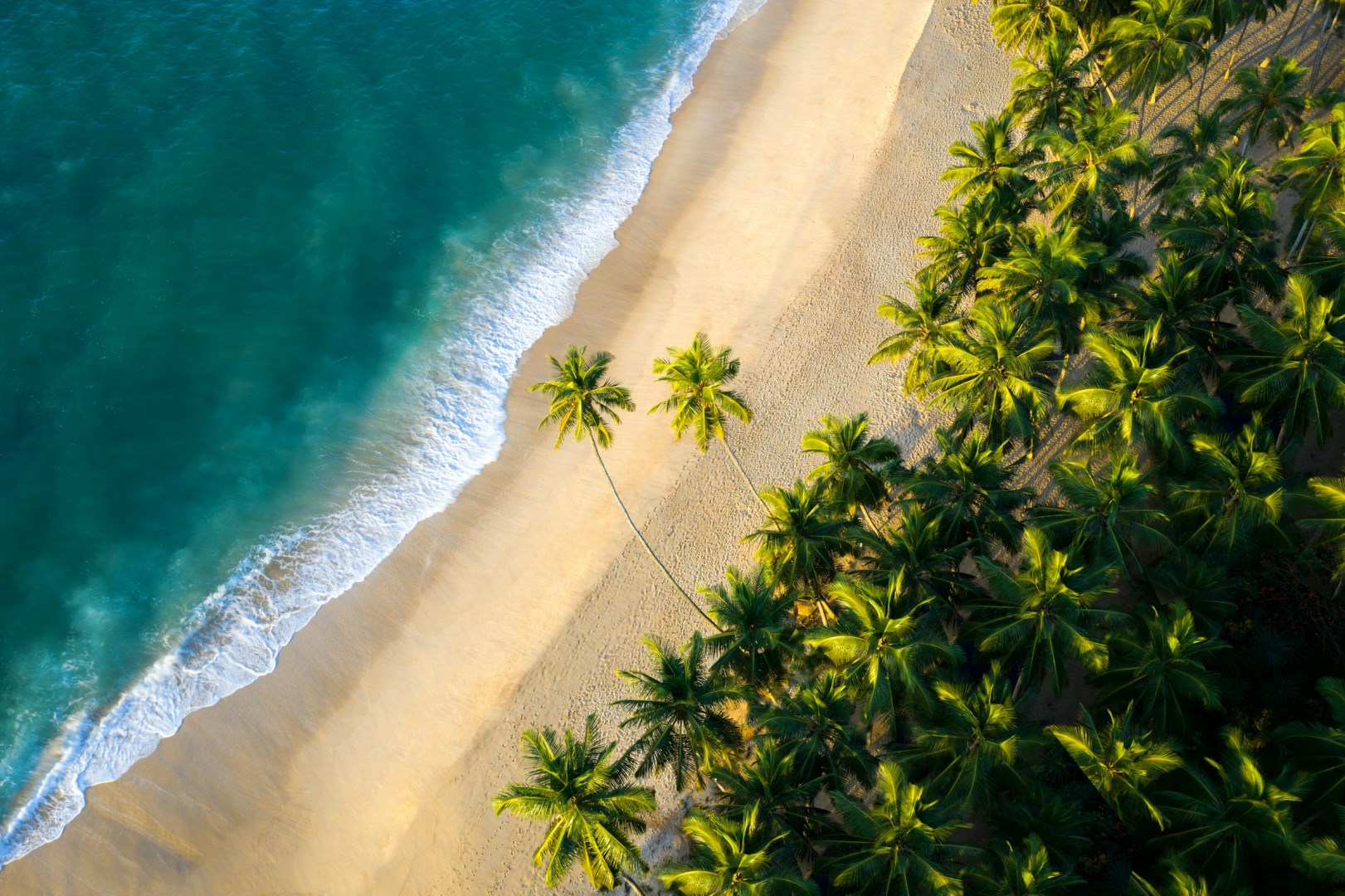
Tangalle is a coastal town in Sri Lanka’s Southern Province, set around one of the island’s larger natural bays. Its shoreline is divided into a series of sandy beaches and smaller coves, including Medaketiya, Goyambokka, Pallikkudawa, and Medilla. Tangalle remains an important fishing port, while tourism has developed around its beaches, seafood restaurants, and small hotels.
