
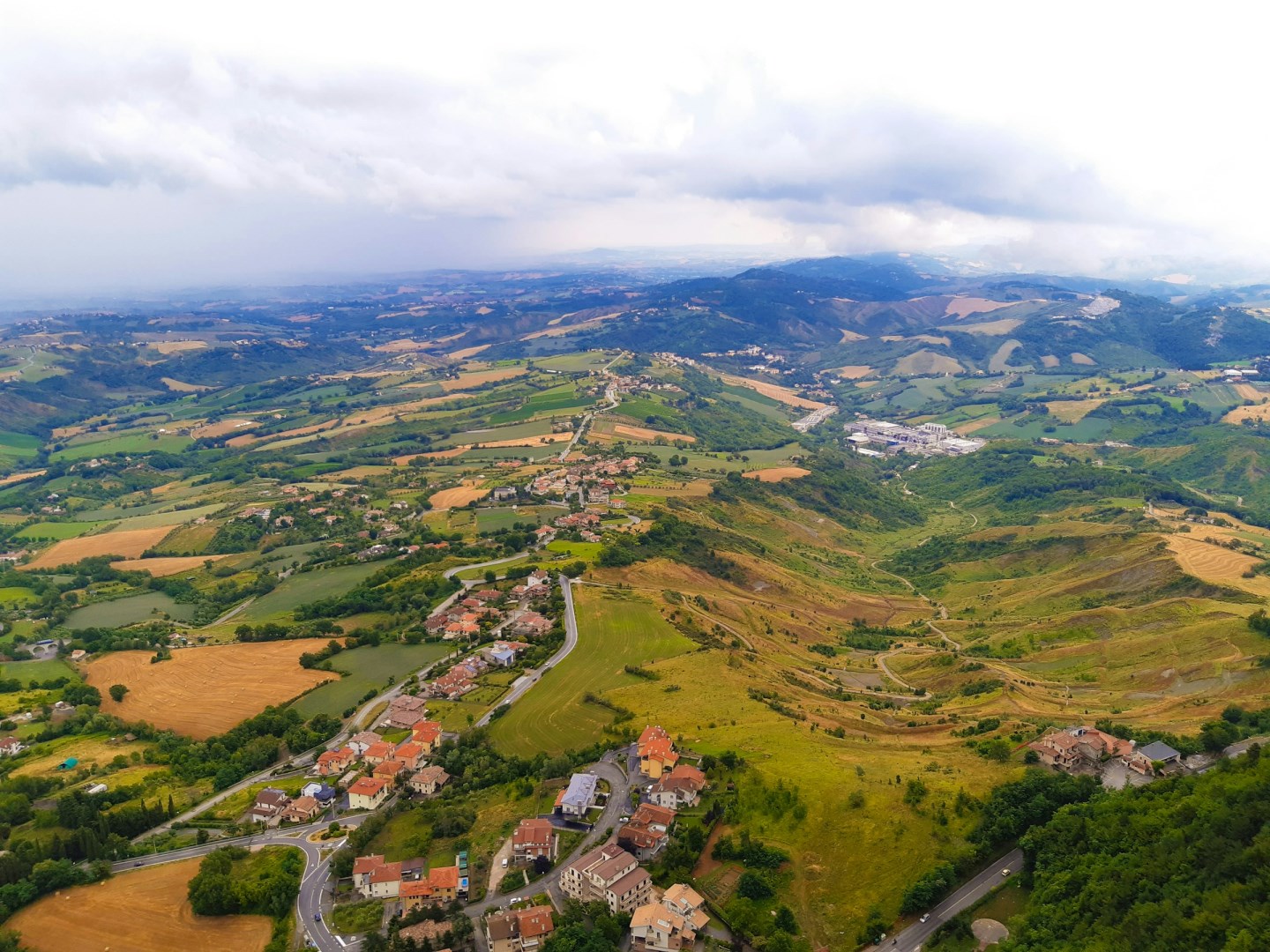
San Marino
You will never forget this incredible "Camelot," from the towers of which, on a clear day, you can see forever across the placid Adriatic. It's also a mecca for philatelists.
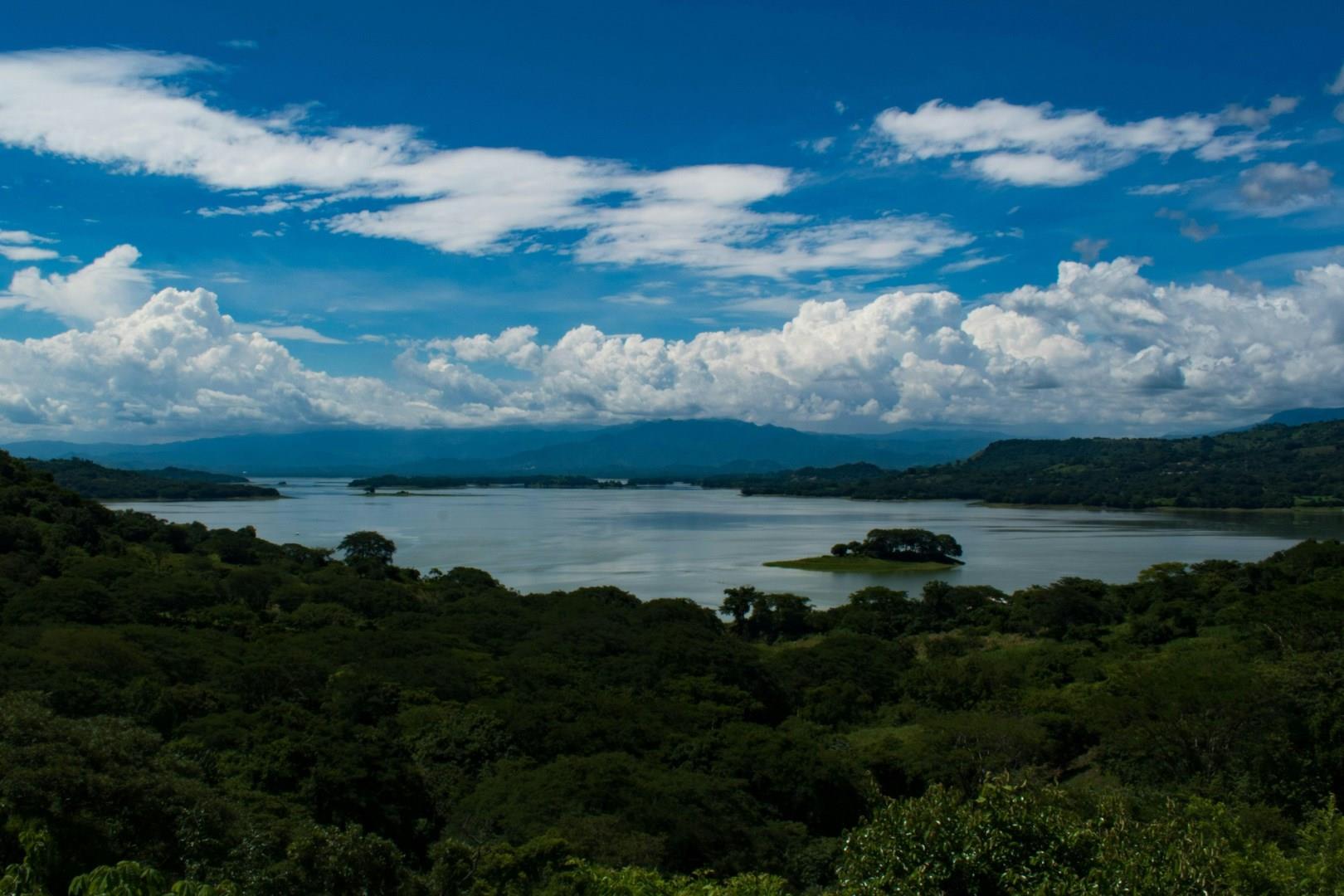
Suchitoto
Suchitoto, located in the Cuscatlán department of El Salvador, is a hilltop town known for its cobblestone streets and scenic views of Lake Suchitlán. Once an important center for indigo production, the town still celebrates its dye-making history through artisan workshops where visitors can learn to create textiles using natural indigo. The name “Suchitoto” comes from the Nahuatl language and means “place of flowers and birds,” a nod to the area’s diverse birdlife and surrounding vegetation.

Panama Canal
An essential passageway between the Atlantic and Pacific Oceans, the Panama Canal is an extraordinary technological landmark and a testament to human innovation. Built in the early twentieth century by American engineers, the canal weaves through the Panamanian isthmus and allows easy access for commercial freighters and cruise ships alike.
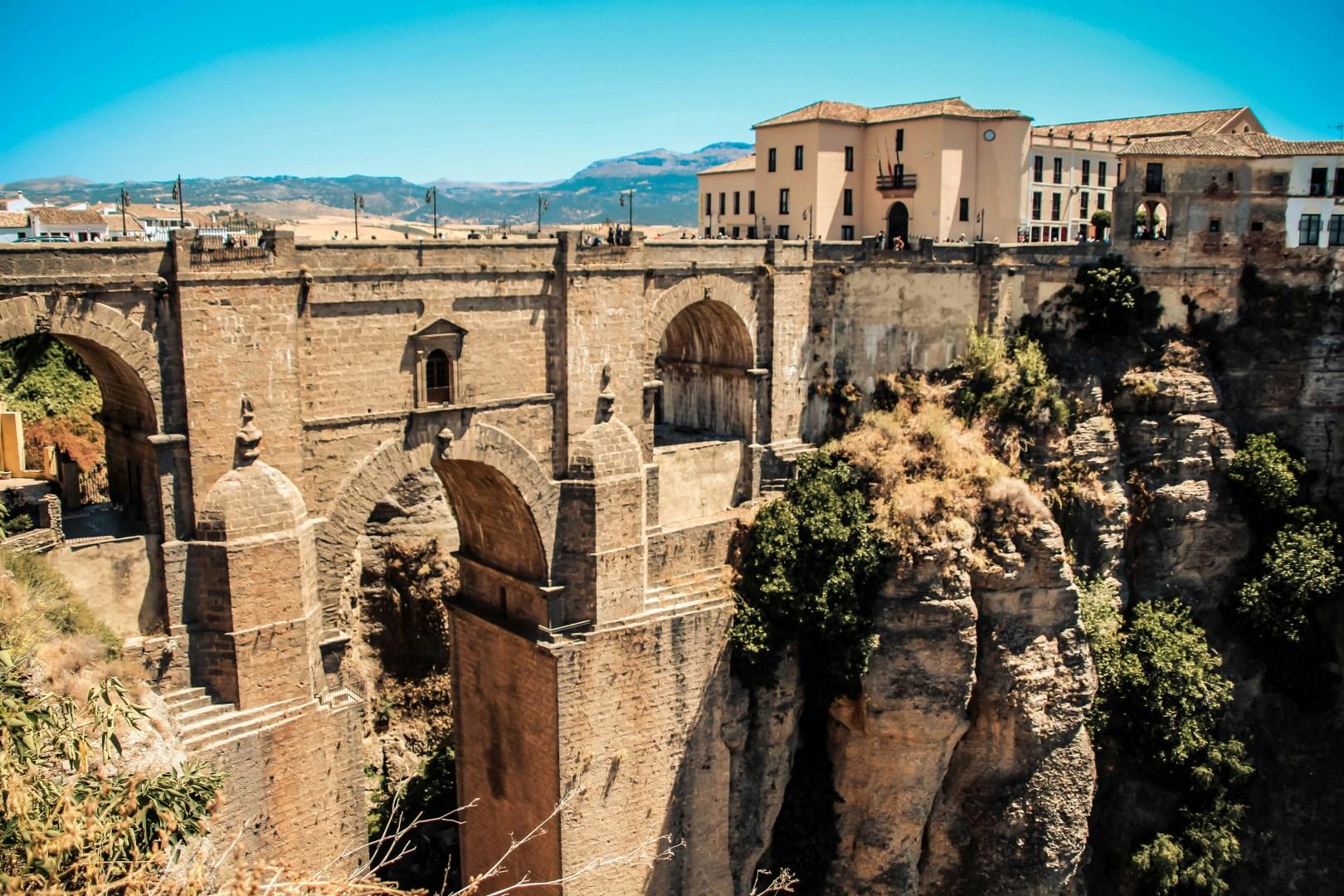
Ronda
Ronda, perched high above the El Tajo gorge in southern Spain’s Málaga province, offers one of the most dramatic landscapes in Andalusia. The city is split in two by a 120-meter-deep canyon carved by the Guadalevín River, and connected by the iconic Puente Nuevo, an 18th-century stone bridge that took over 40 years to complete. Visitors crossing the bridge can stop at the viewpoint built into the stone itself, once used as a prison.
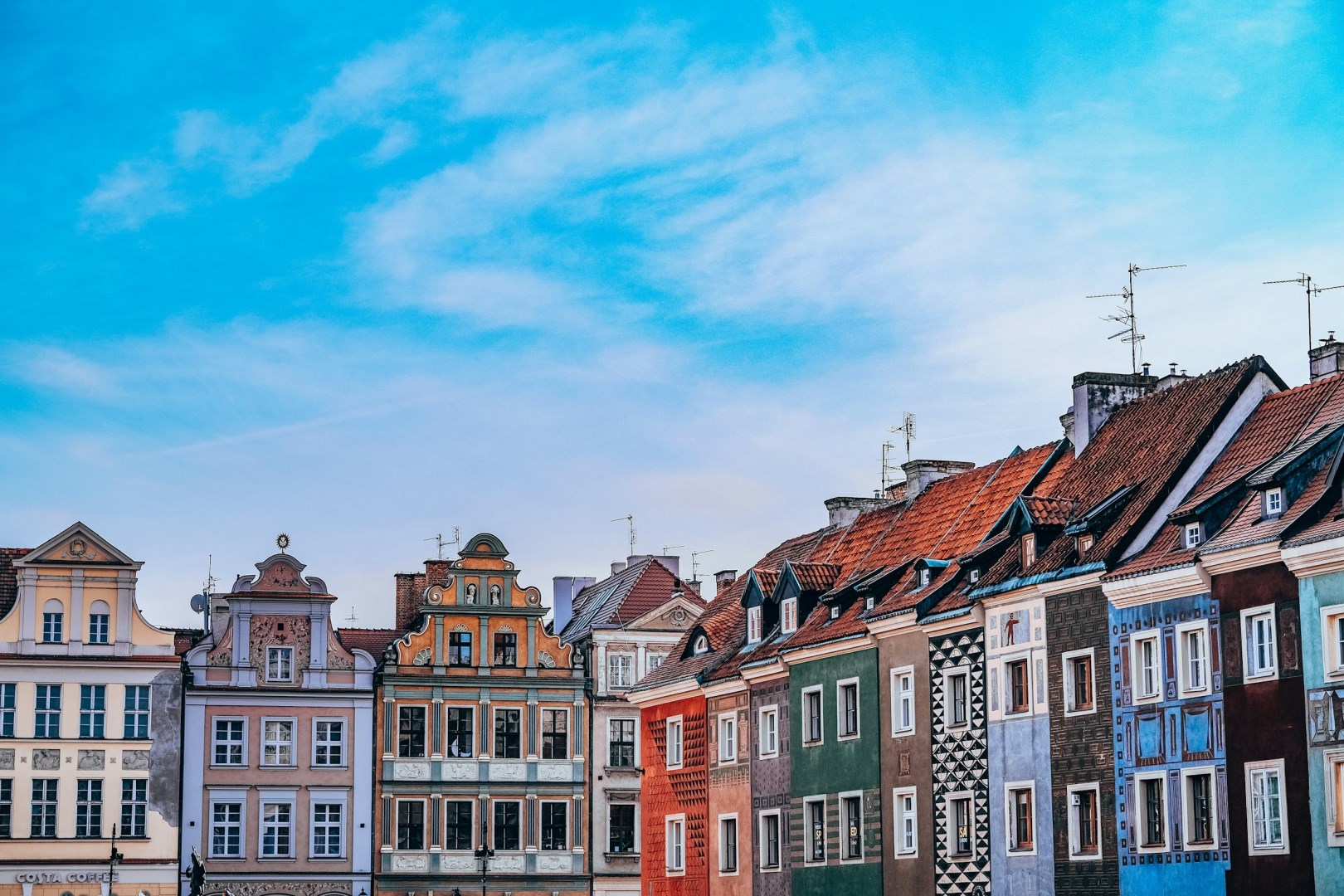
Poznań
Poznań is one of Poland’s major cities and the historic capital of the Greater Poland region, set on the Warta River. Its identity is closely linked to the beginnings of the Polish state, while its modern character reflects its importance as a center for business, education, culture, and trade fairs. The Old Market Square forms the heart of the historic center, with colorful townhouses surrounding the Renaissance Town Hall.
