
Aceh
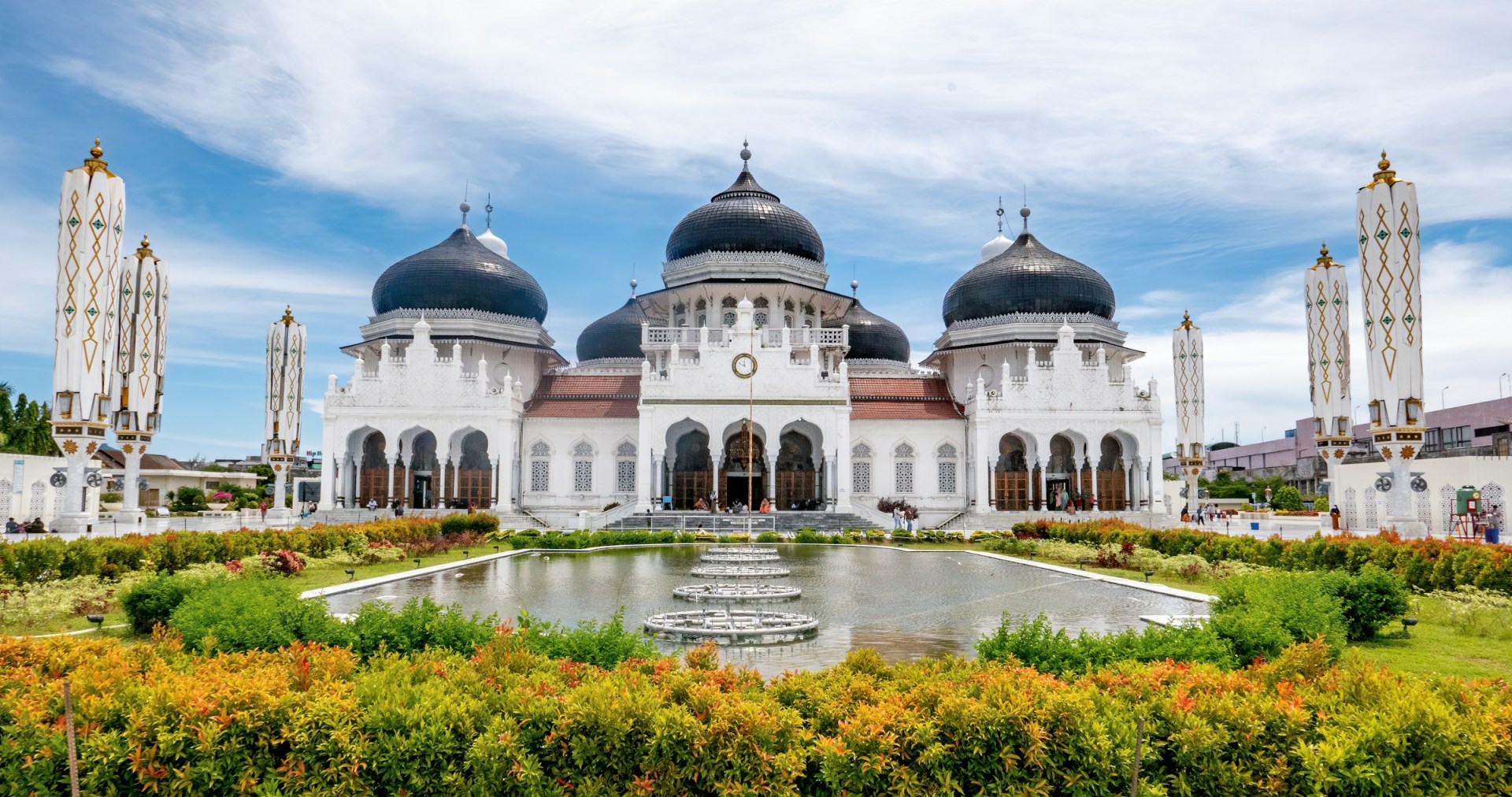
Aceh is a province at the northern tip of Sumatra, with Banda Aceh as its capital and a coastline facing the Andaman Sea, Malacca Strait, and Indian Ocean. Its identity is strongly shaped by Islam, local adat traditions, and a long history of sultanates and maritime trade. Banda Aceh’s Baiturrahman Grand Mosque is one of the province’s best-known landmarks, while the Aceh Tsunami Museum documents the devastating Indian Ocean tsunami and its lasting impact on local communities.

Cape Town
Cape Town, located at the southern tip of South Africa, is one of the world’s most striking coastal cities. Towering over it is Table Mountain, a flat-topped landmark that can be reached by cable car or on foot, offering sweeping views of the city, ocean, and beyond.
Lagoa do Fogo
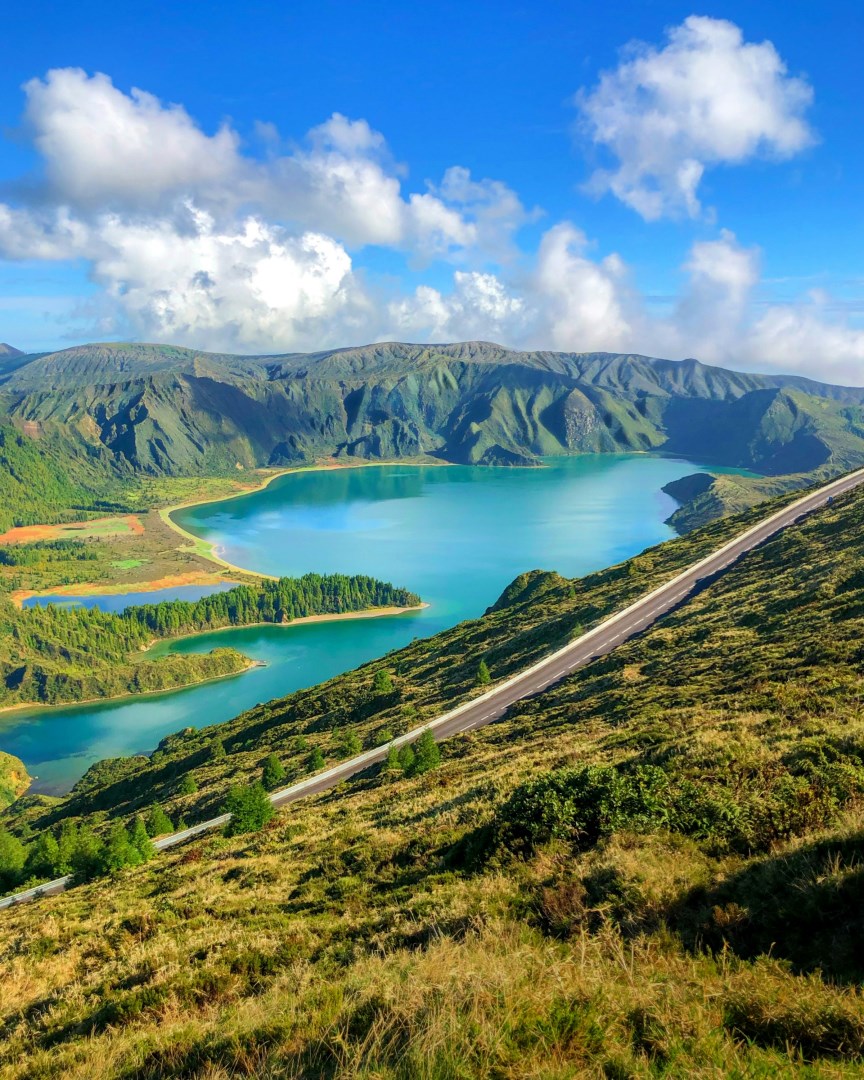
Lagoa do Fogo is a volcanic crater lake on São Miguel Island in Portugal’s Azores archipelago. Set within a protected landscape in the island’s central highlands, the lake occupies a large caldera surrounded by steep slopes covered with native vegetation. Its remote setting and undeveloped shoreline distinguish it from the more settled areas of São Miguel.

Monkey Mia
Monkey Mia, located within the Shark Bay World Heritage Area on the western coast of Australia, is a serene paradise known for its world-famous wild dolphin encounters. This remote coastal gem, surrounded by the turquoise waters of the Indian Ocean, invites visitors to experience up-close interactions with bottlenose dolphins in their natural habitat. For over 50 years, these dolphins have made daily visits to Monkey Mia’s shores, creating a unique tradition that brings awe to travelers.
Beirut
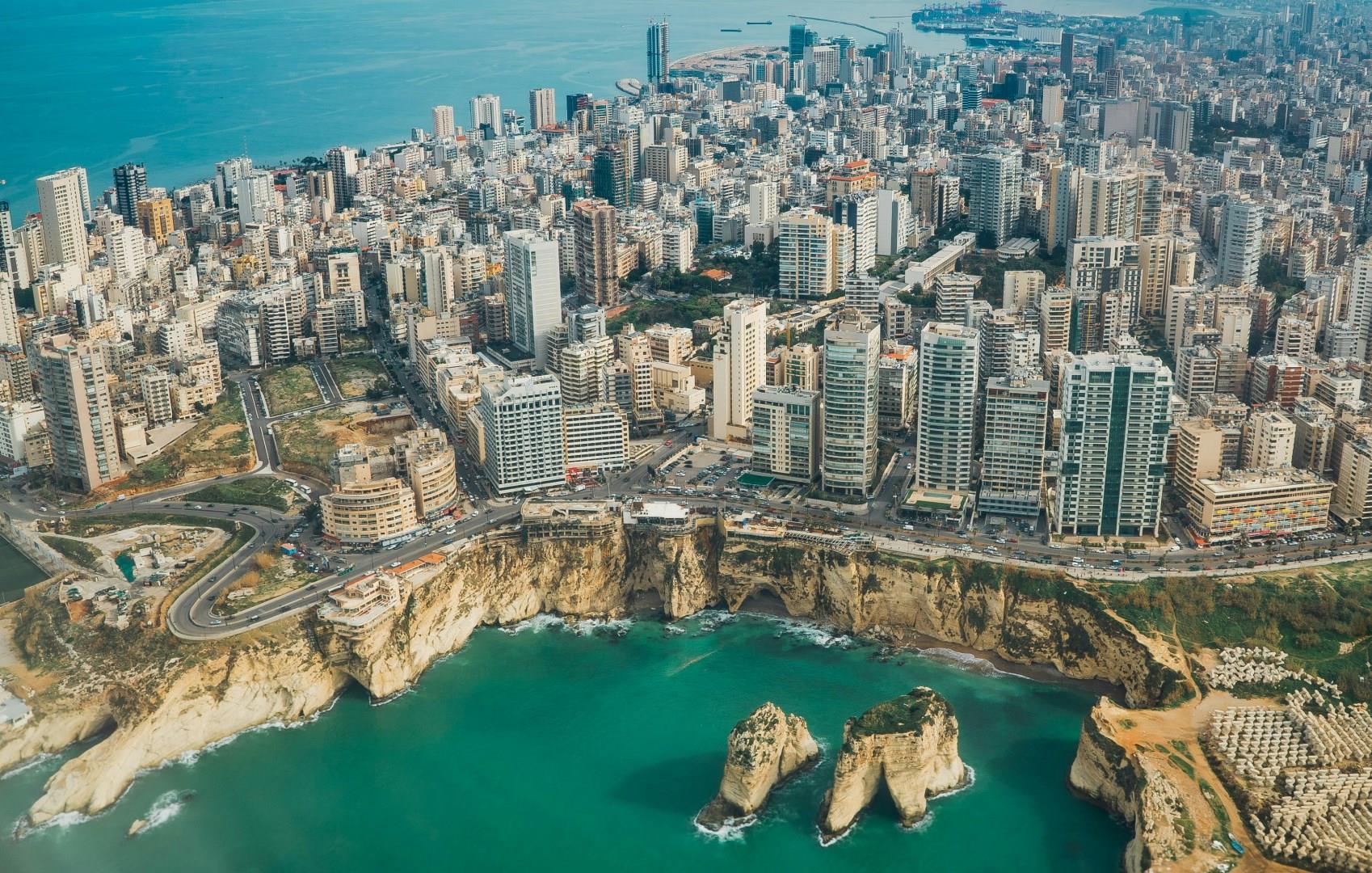
Beirut traces its roots back over 5,000 years. Once called Berytus during the Roman era, it grew into a key port of the Mediterranean. Today’s visitors can follow the Beirut Heritage Trail, a 2.5 km walking route marked with bronze medallions, that links archaeological sites, historic courtyards, and restored Ottoman buildings. The path unveils layers of the city's past one block at a time.
