
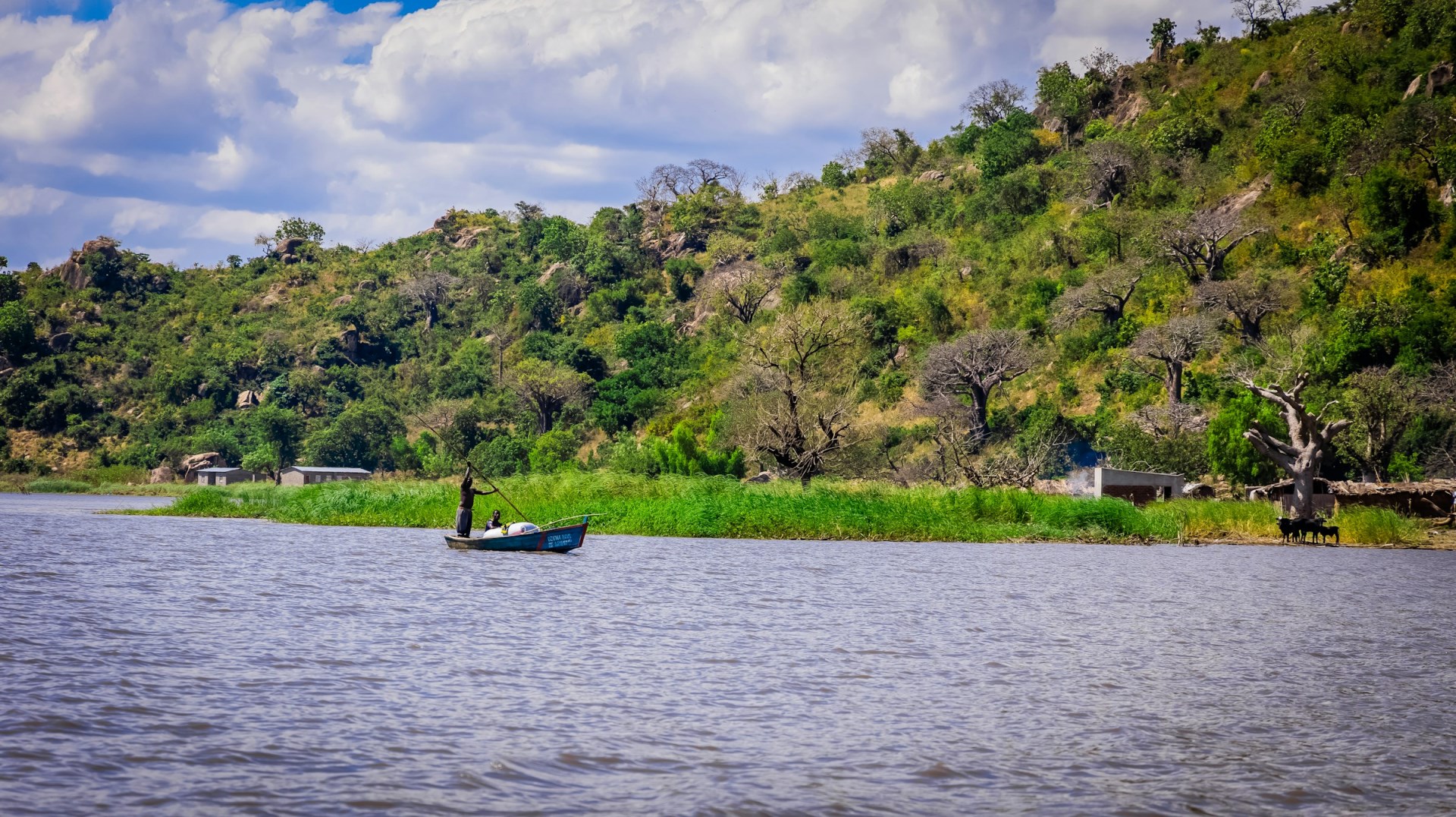
Njalo Island
Njalo Island is a small inhabited island in Lake Chilwa, in southern Malawi’s Phalombe District. Situated in the lake’s open waters, it is part of a wetland landscape shaped by changing water levels, shallow channels, marshes, and seasonal fishing activity. The island is home to a close-knit community whose daily life is closely connected to the lake. Fishing provides an important source of food and income, while boats are essential for transport between the island and mainland communities.
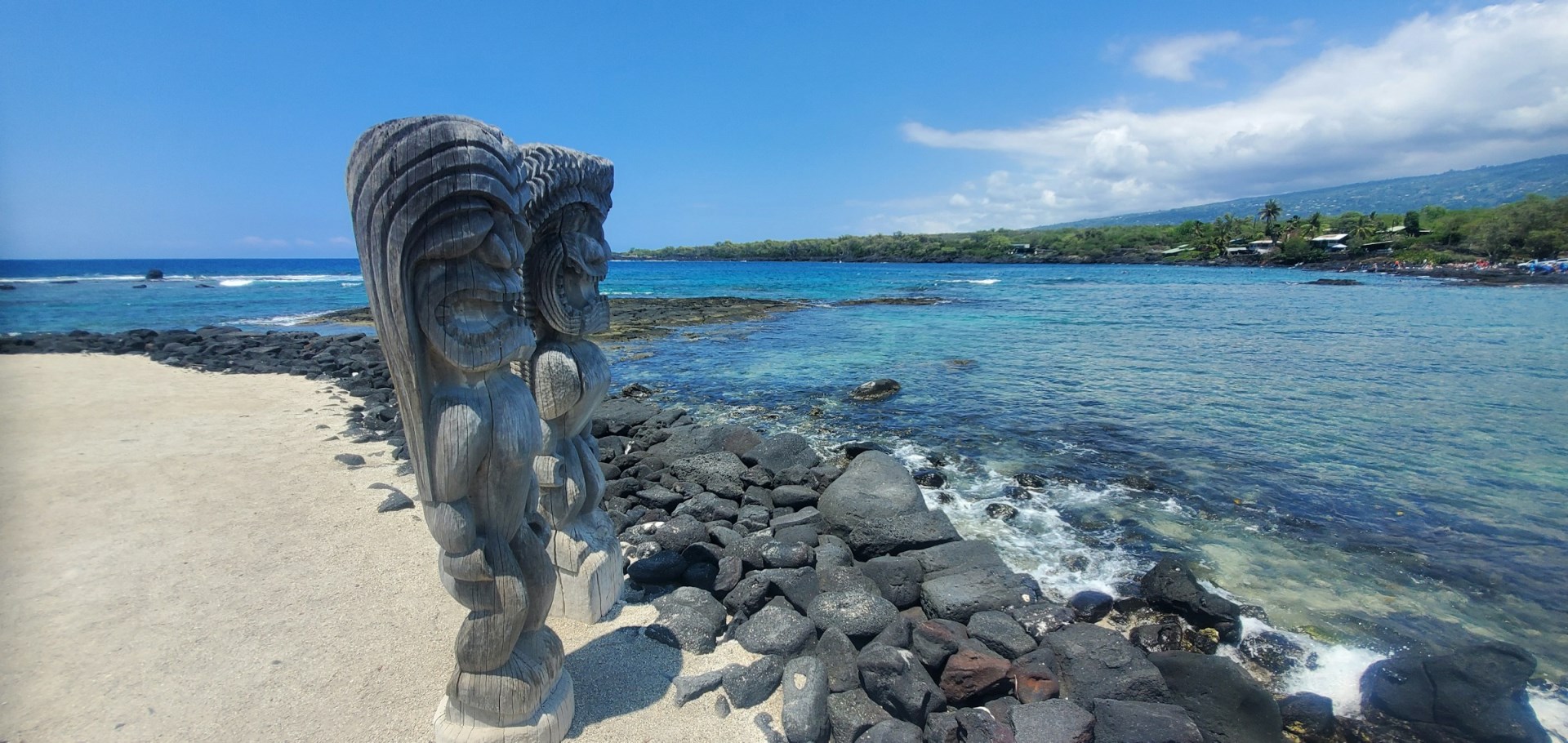
Island of Hawai'i
Hawaii Island, also known as the Big Island, is a place where natural wonder and cultural heritage converge in breathtaking ways. The island’s diverse landscapes span black sand beaches, verdant rainforests, and snow-capped mountains. Volcanoes National Park is a must-see destination where visitors can witness the power of Earth’s creation at the Kīlauea and Mauna Loa volcanoes, two of the most active in the world.
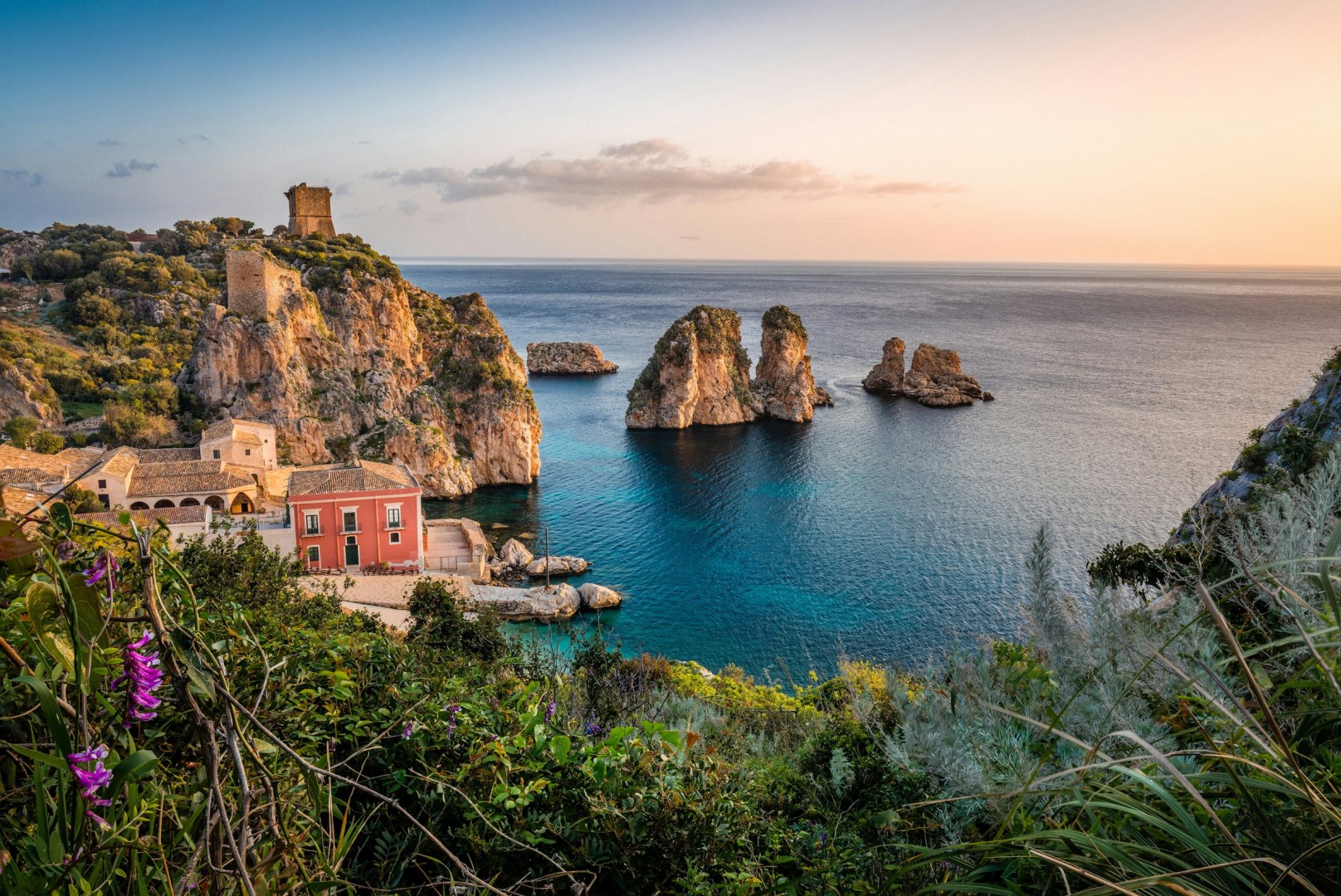
Castellammare del Golfo
Castellammare del Golfo is a coastal town in western Sicily, set around a broad bay in the province of Trapani. Its historic center rises above a working marina, while the Arab-Norman castle stands directly beside the sea and gives the town its distinctive profile. The waterfront is lined with fishing boats, small streets, and buildings that climb toward the slopes of Monte Inici.
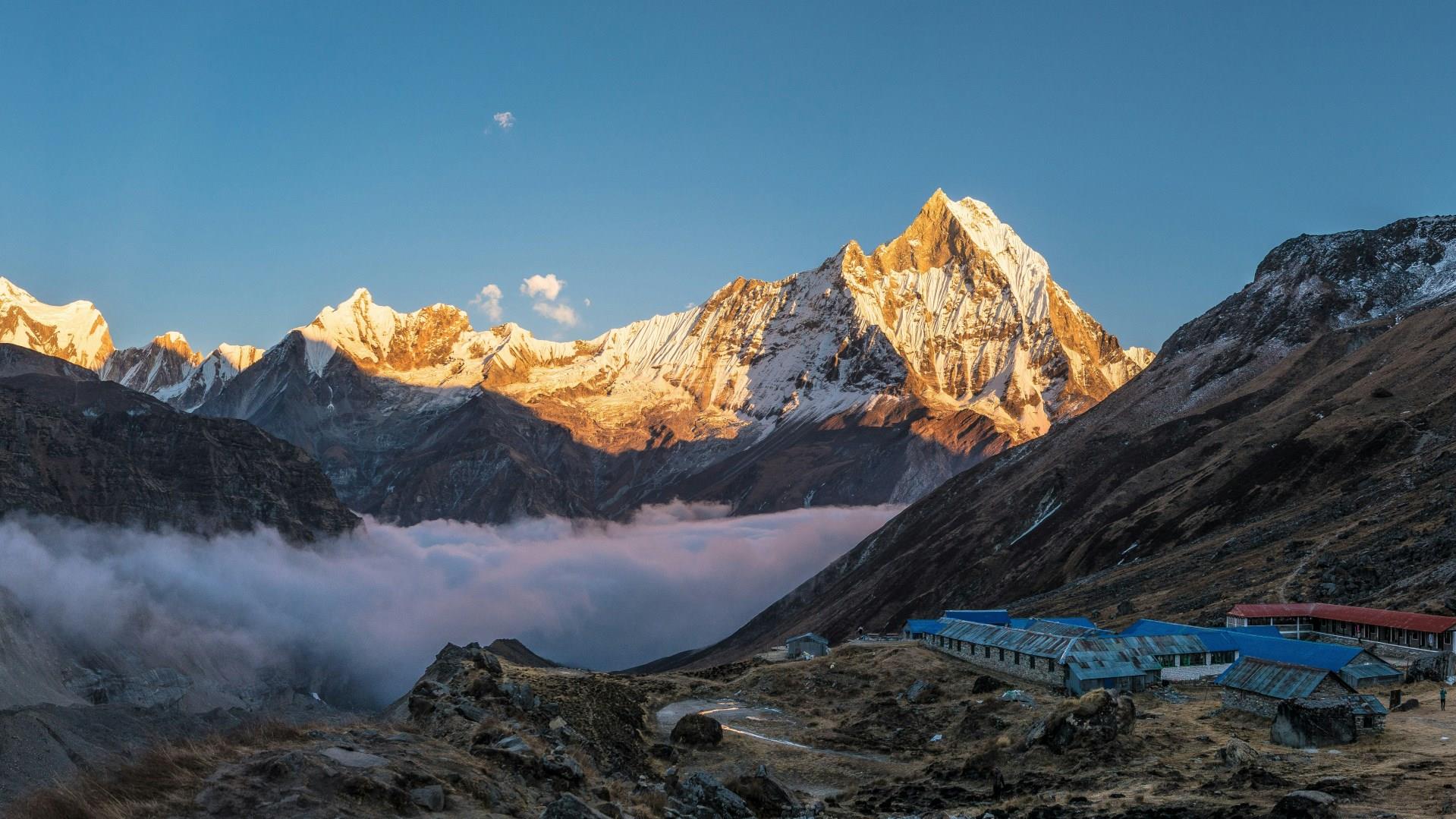
Annapurna
The Annapurna region of central Nepal is defined by both cultural depth and extreme topography. Home to a wide range of ethnic communities, including Gurung, Thakali, and Manangi peoples, the area has long been shaped by trans-Himalayan trade routes and mountain agriculture.
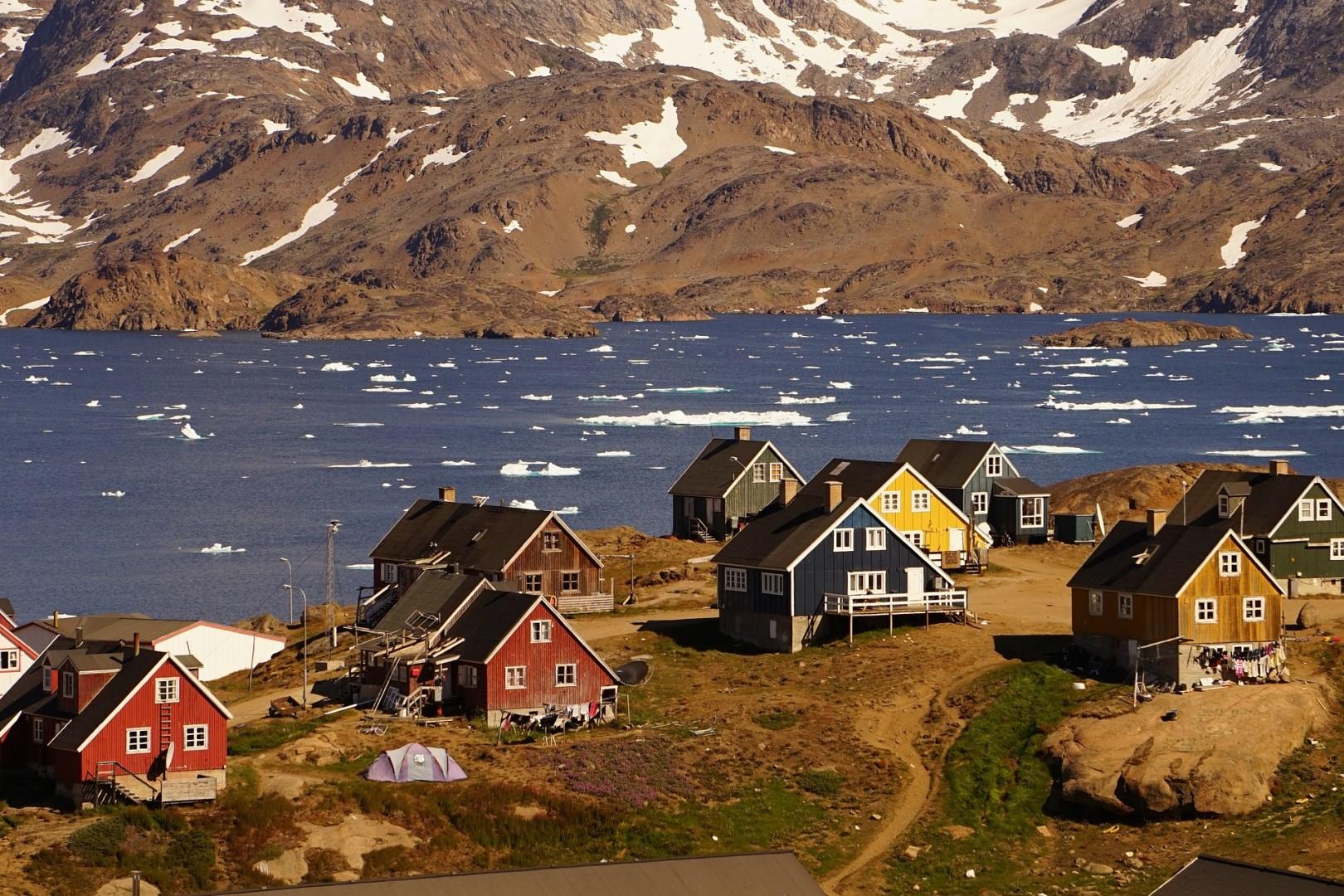
Tasiilaq
Tasiilaq is the largest town in East Greenland, situated on Ammassalik Island beside a sheltered fjord and surrounded by steep mountains. Its remote setting gives the town a distinct character, with colorful houses scattered across hilly terrain and waterways leading into a rugged Arctic landscape. Tasiilaq serves as a base for exploring the surrounding fjords, glaciers, valleys, and smaller settlements.
