
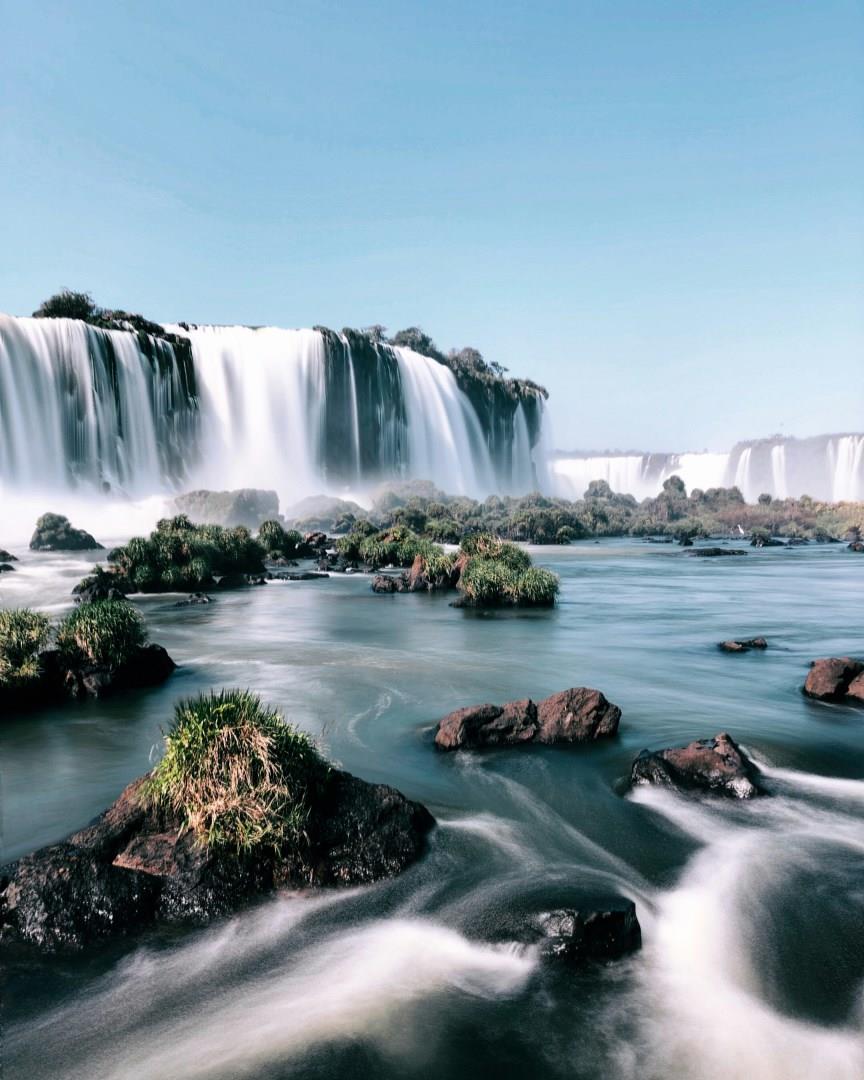
Foz do Iguaçu
Set at the meeting point of Brazil and Argentina, Foz do Iguaçu is defined by the sheer scale of the Iguaçu Falls. Nearly 275 individual waterfalls stretch across close to three kilometers, sending mist into the air and sound echoing through the surrounding forest. Visitors follow raised walkways that bring them face to face with this moving wall of water, culminating at the dramatic Devil’s Throat, a deep, curved drop where the river seems to vanish into the earth.
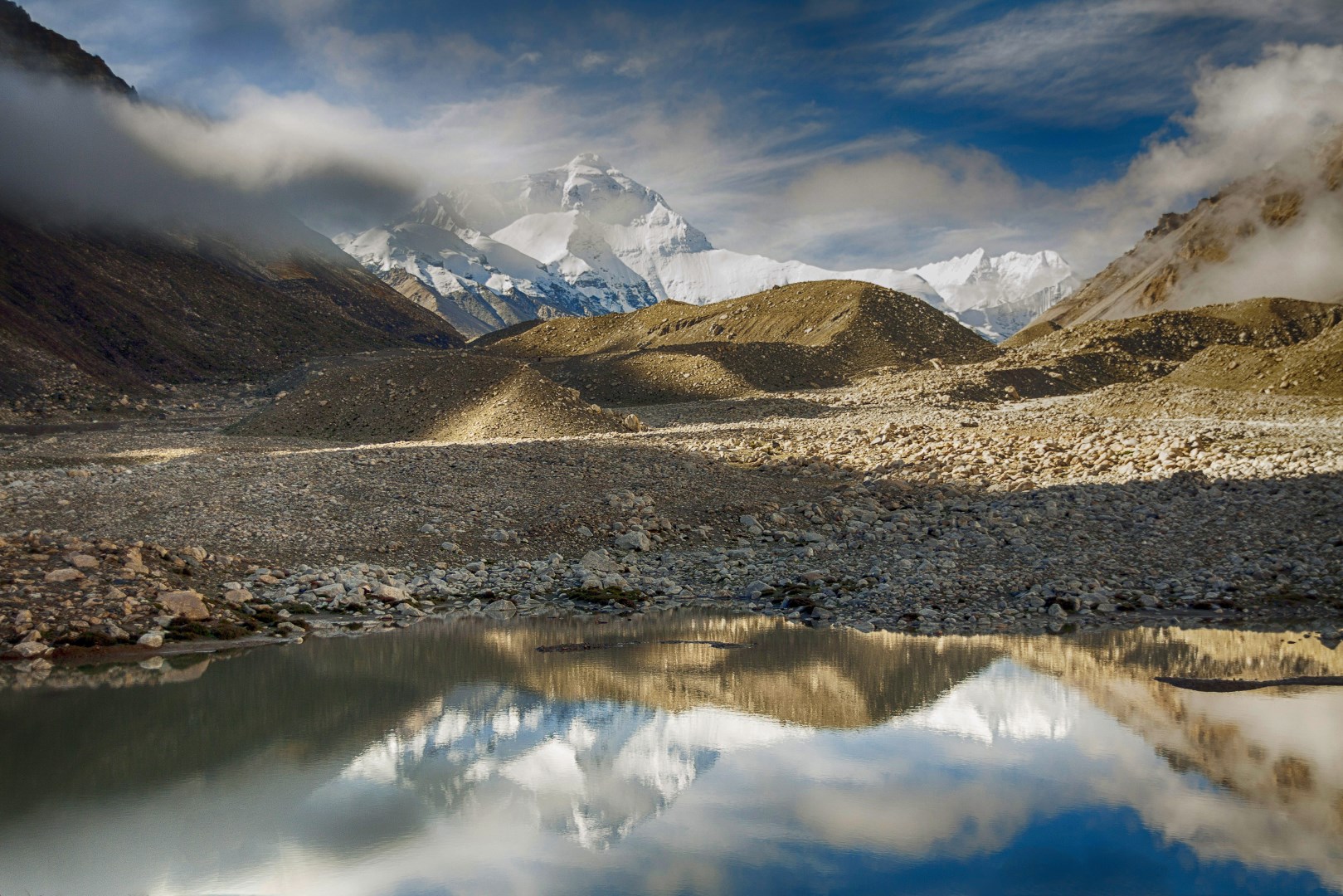
Mount Everest
Rising along the border of Nepal and Tibet, Mount Everest stands as the highest point on Earth, reaching over 29,000 feet into the sky. Known locally as Sagarmatha, meaning “Peak of Heaven,” and Chomolungma, meaning “Goddess Mother of the World,” the mountain carries deep spiritual meaning for the communities that live in its shadow. Its summit sits in air so thin that oxygen levels are only a fraction of what travelers experience at sea level.

Buenos Aires
Buenos Aires, the vibrant political and cultural capital of Argentina, has become an enticing destination for many travelers and a must-see destination in South America. Founded in the sixteenth century by Spanish explorers, Buenos Aires has since developed its own unique flair.
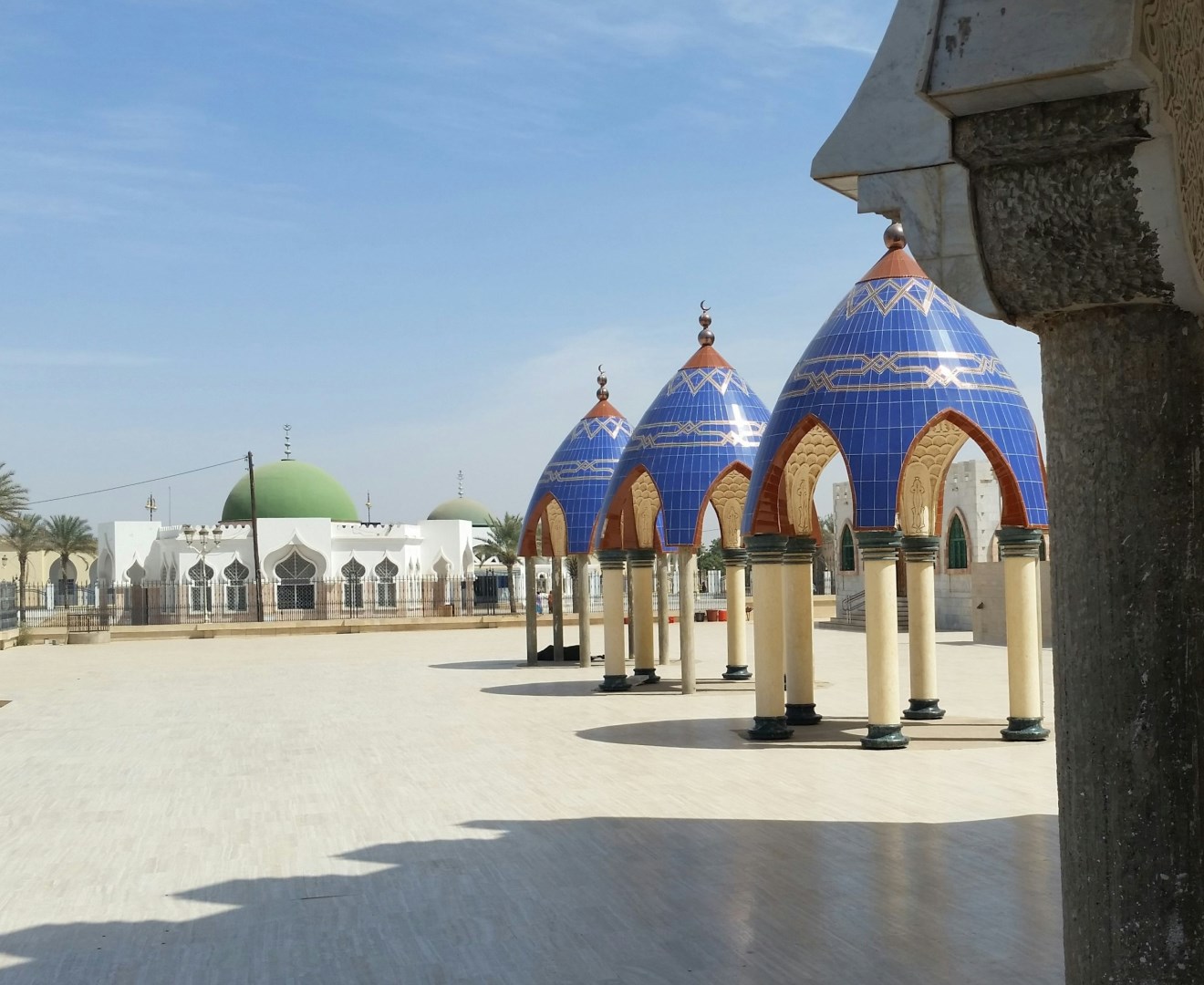
Touba
Touba is a major religious city in central Senegal and the spiritual center of the Mouride Muslim community. Located in the Diourbel Region, the city is dominated by the Great Mosque of Touba and the mausoleum of Sheikh Ahmadou Bamba, founder of the Mouride order.
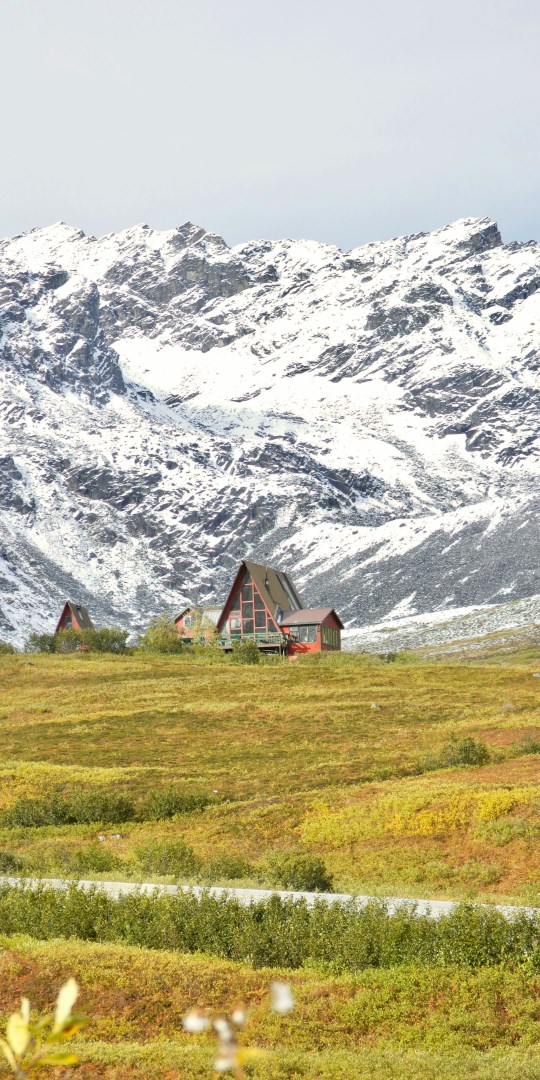
Willow
Willow is a small community in Alaska’s Matanuska-Susitna Valley, located along the George Parks Highway between Anchorage and Denali National Park. Forests, lakes, rivers, and views toward the Talkeetna Mountains shape the area’s setting. Willow is particularly associated with the Iditarod Trail Sled Dog Race, whose ceremonial and competitive events bring attention to the community each winter. Its rural surroundings also make it a base for fishing, boating, hiking, camping, and winter recreati
