
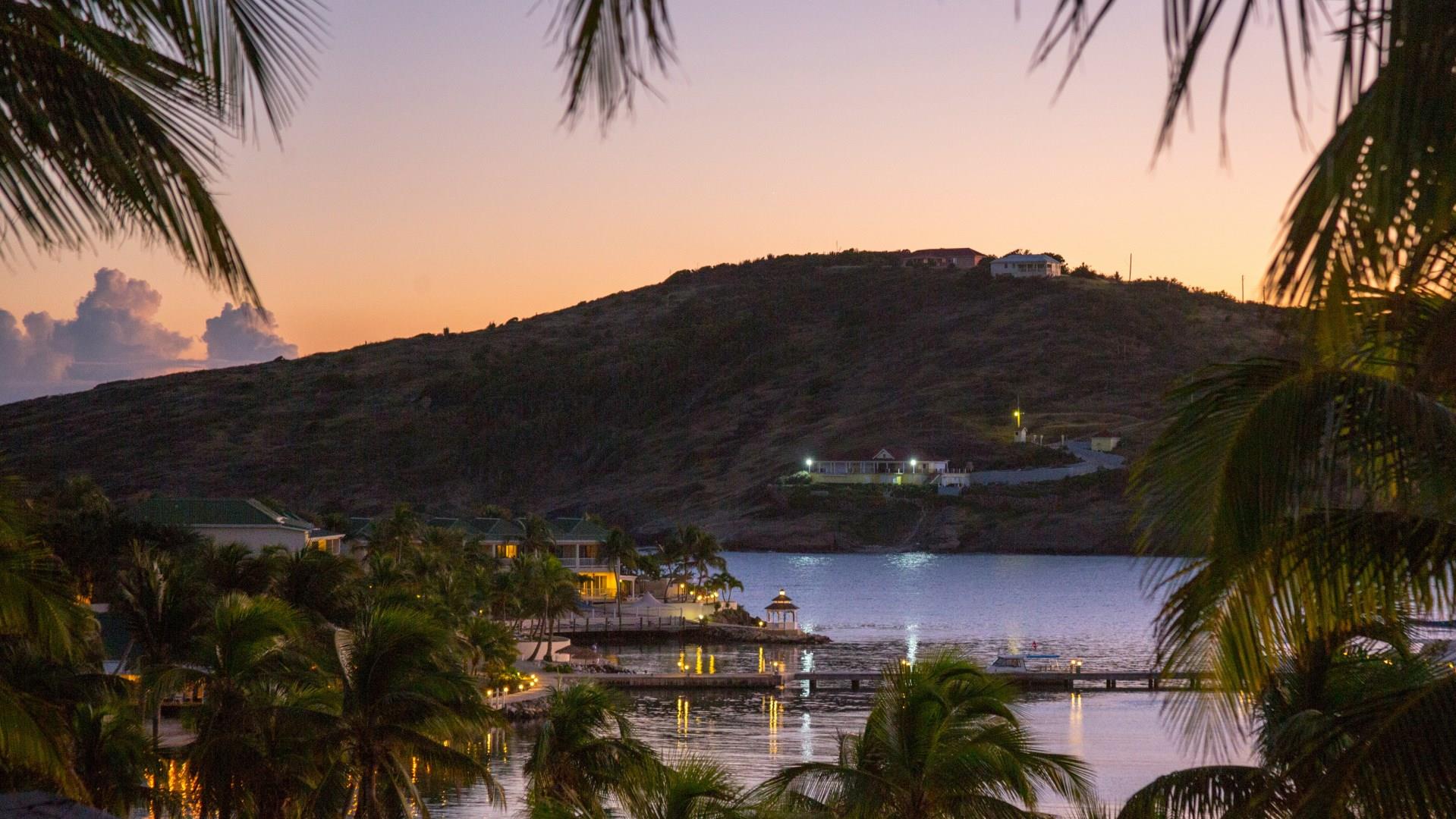
Mamora Bay
Mamora Bay, tucked into Antigua’s southern coastline, is a serene crescent-shaped bay framed by gentle hills and swaying palms. Known for its calm, sheltered waters, the bay offers a tranquil setting that contrasts with the island’s more rugged Atlantic side.
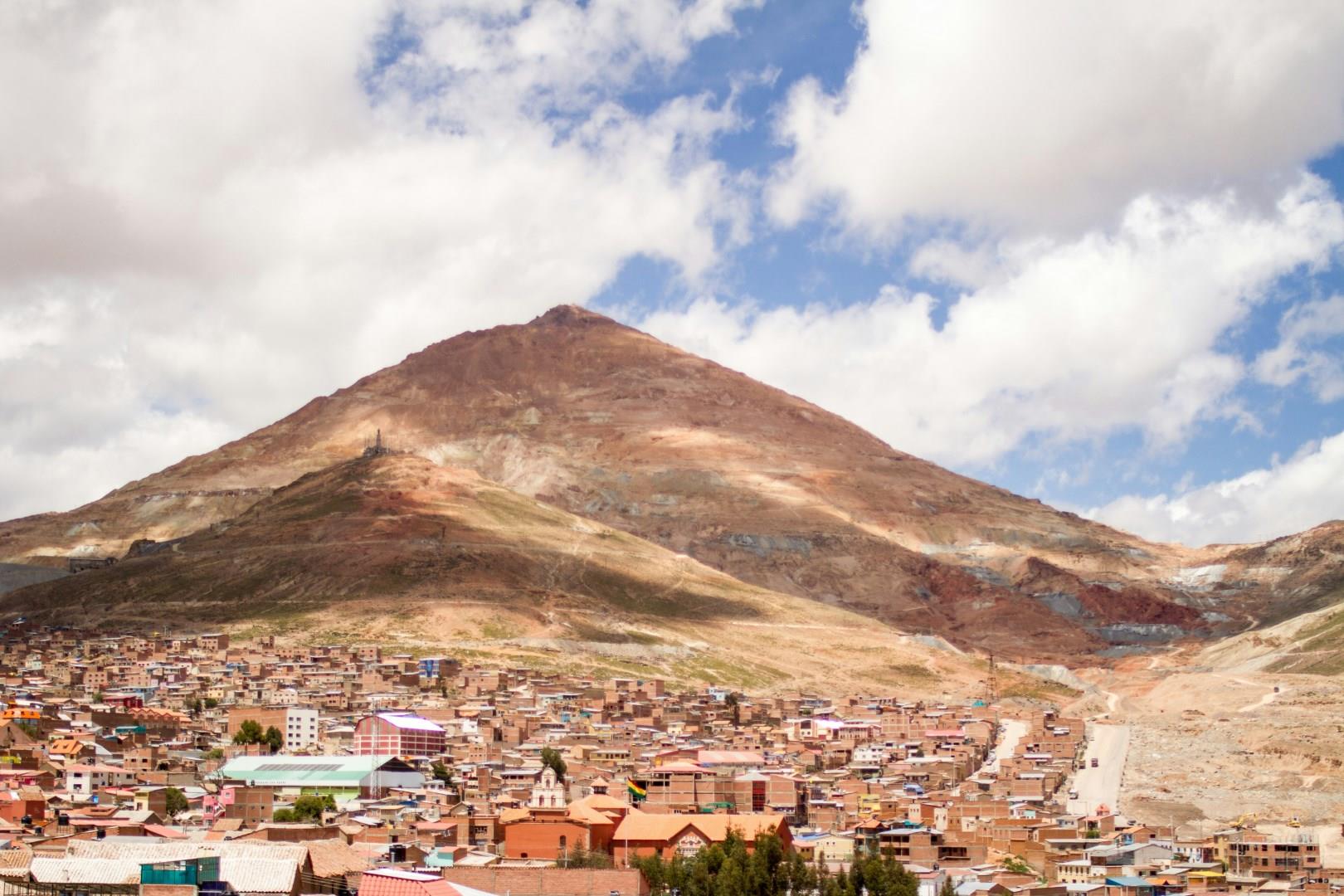
Potosi
Potosí rises on the Altiplano of southern Bolivia and for centuries it was one of the richest cities in the world because of what lies just beyond its streets. At the foot of Cerro Rico (“Rich Mountain”), silver was discovered in the mid-1500s, and within a few decades the city became a center of mining and wealth that shaped global trade and economies.
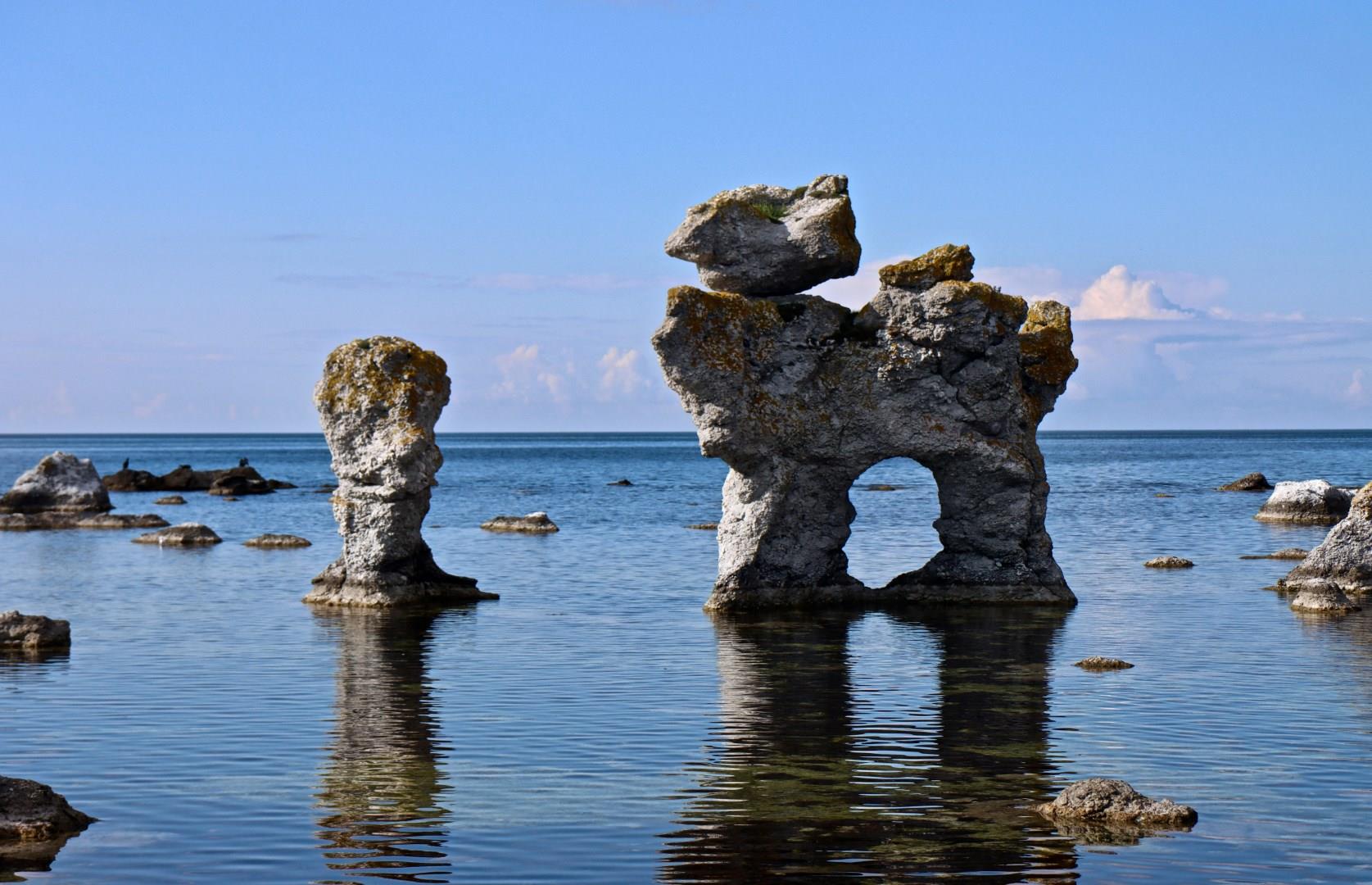
Gotland
Gotland, Sweden’s largest island, sits in the Baltic Sea and feels like a world of its own. Its main town, Visby, is a UNESCO World Heritage site and one of the best-preserved medieval towns in Northern Europe. Surrounded by a 3.5-kilometer stone wall with original towers still intact, Visby once served as a key Hanseatic trading hub. Visitors can walk along cobbled streets lined with rose-covered cottages, explore Gothic church ruins, and climb up the city wall for views over the harbor.
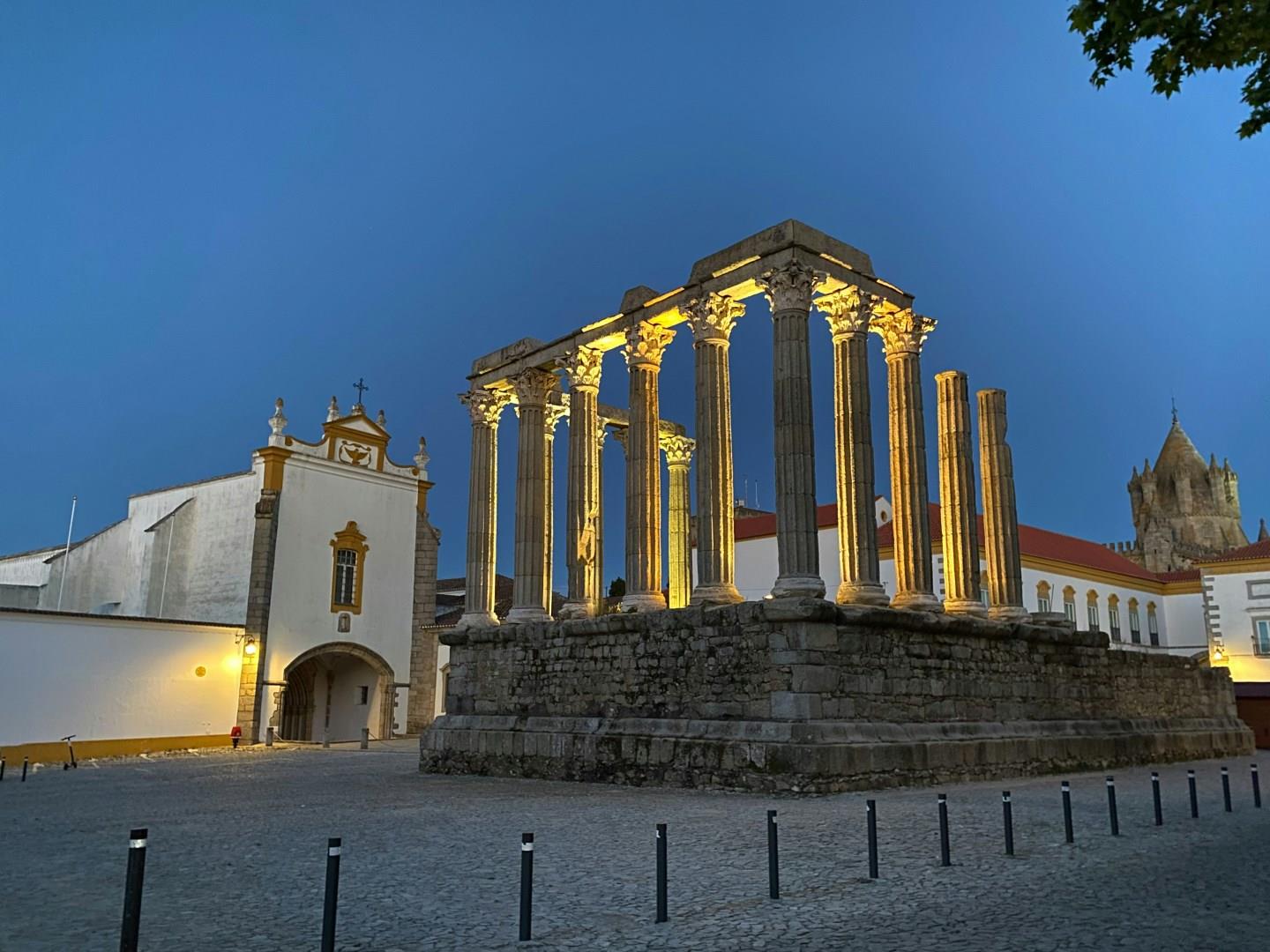
Evora
Évora, in Portugal’s Alentejo region, feels like stepping into a story that spans more than two thousand years. Its Historic Centre was named a UNESCO World Heritage Site for good reason with its ancient walls, homes with wrought-iron balconies, and narrow streets quietly preserve traces of Roman, Moorish, and medieval life. Beyond architecture and monuments, Évora reveals lesser-known treasures that reward exploration.
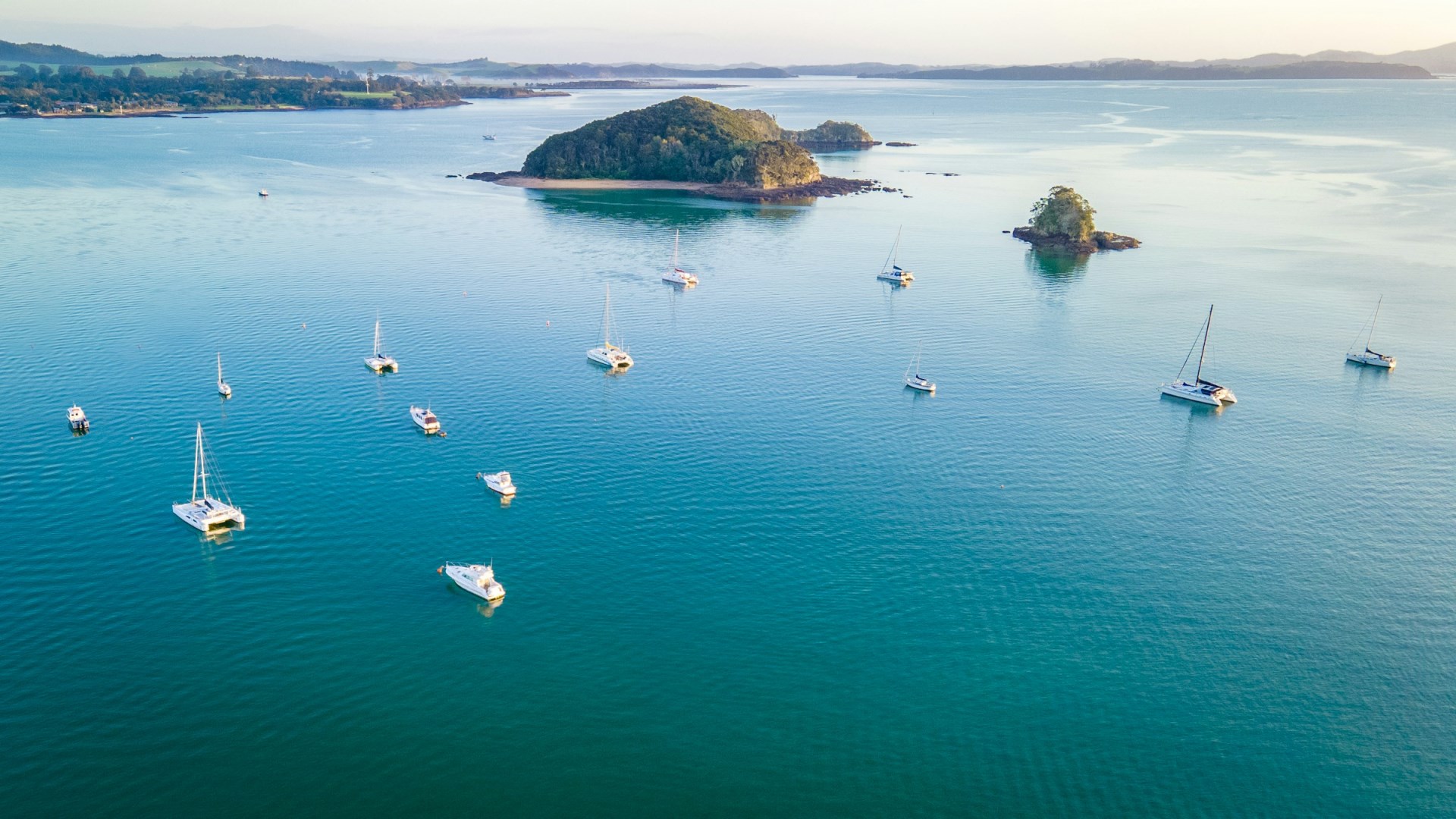
Paihia
This charming town is the gateway to exploring the dive sites and sandy beaches of the Bay of Islands. There are endless activities to do here, such as fishing, kayaking, swimming with dolphins and discovering authentic Maori culture.
