
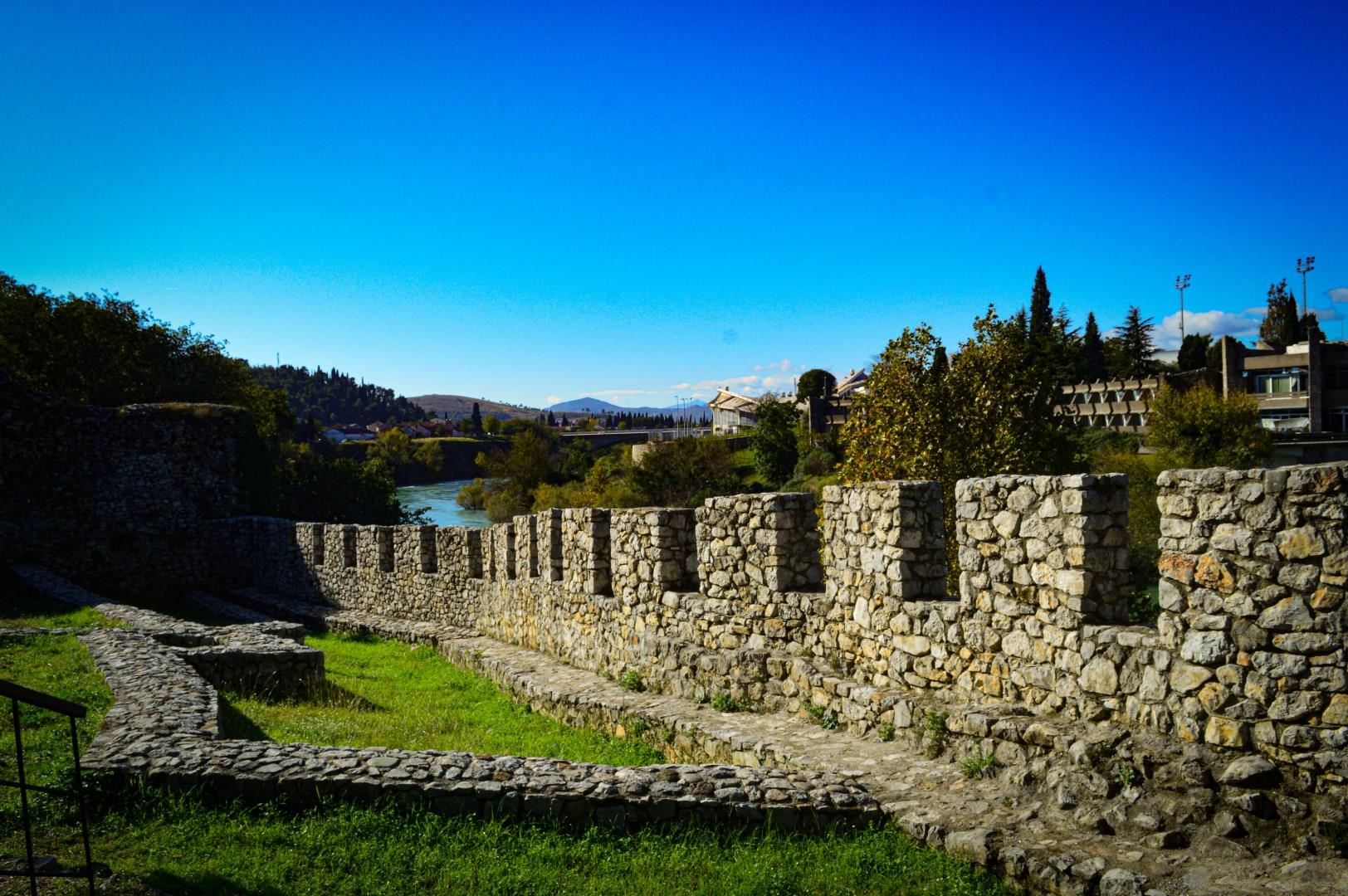
Podgorica
Podgorica, the capital of Montenegro, showcases the country’s contrasting landscapes and deep-rooted history. Although much of the city was rebuilt after World War II, traces of its Roman and Ottoman past still remain. Visitors can explore the ruins of Doclea, a Roman settlement just outside the city, where surviving columns and mosaics give a glimpse into life nearly two millennia ago.
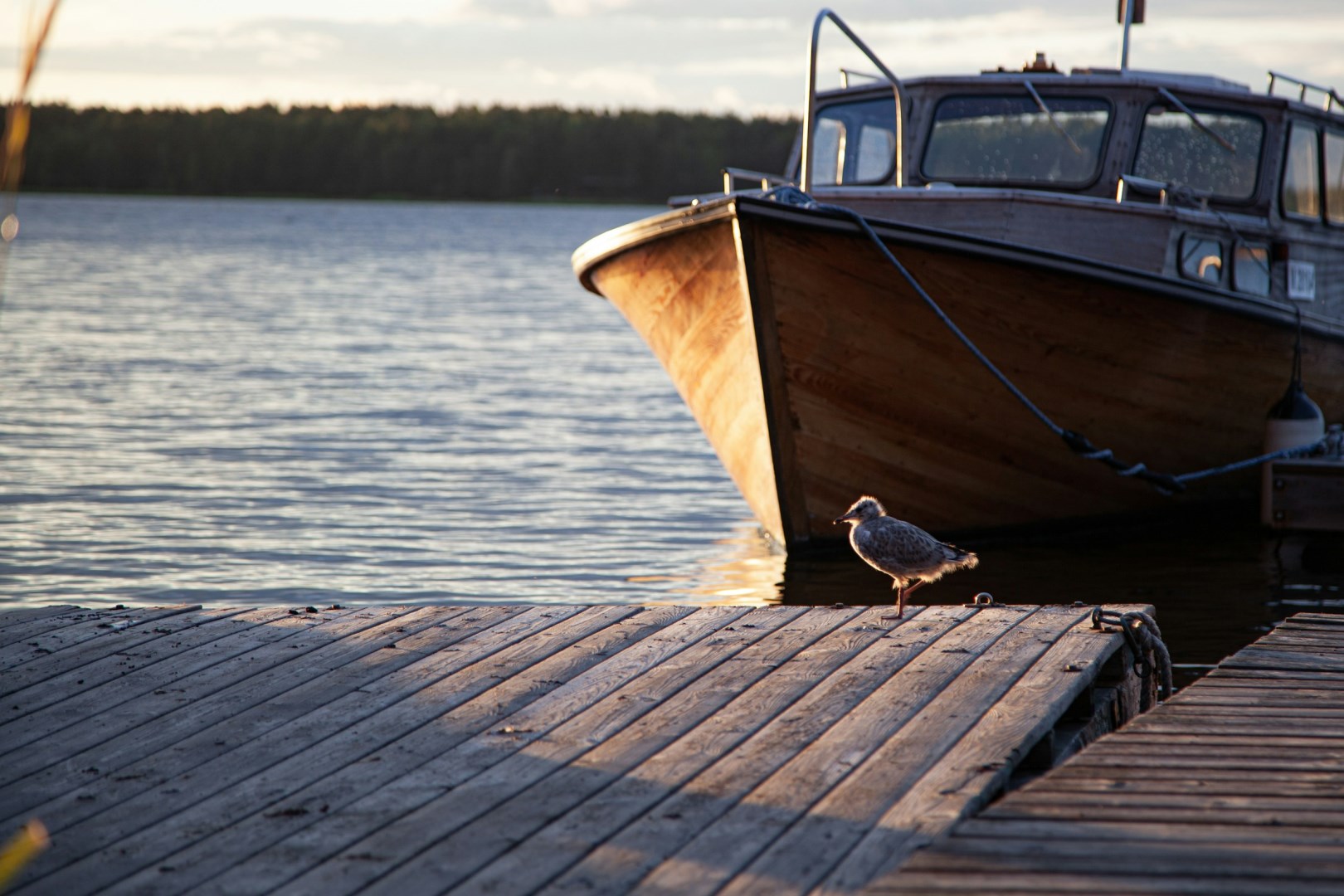
Kotka
Located on the southern coast of Finland at the delta of the Kymi river, the city of Kotka is a major Finnish sea port. Perhaps the best-known attraction of this multicultural and creative city is the country's largest urban maritime festival, an annual celebration that includes boating events, dance and music performances, and Finland's largest parade which marks the beginning of the city-wide event.
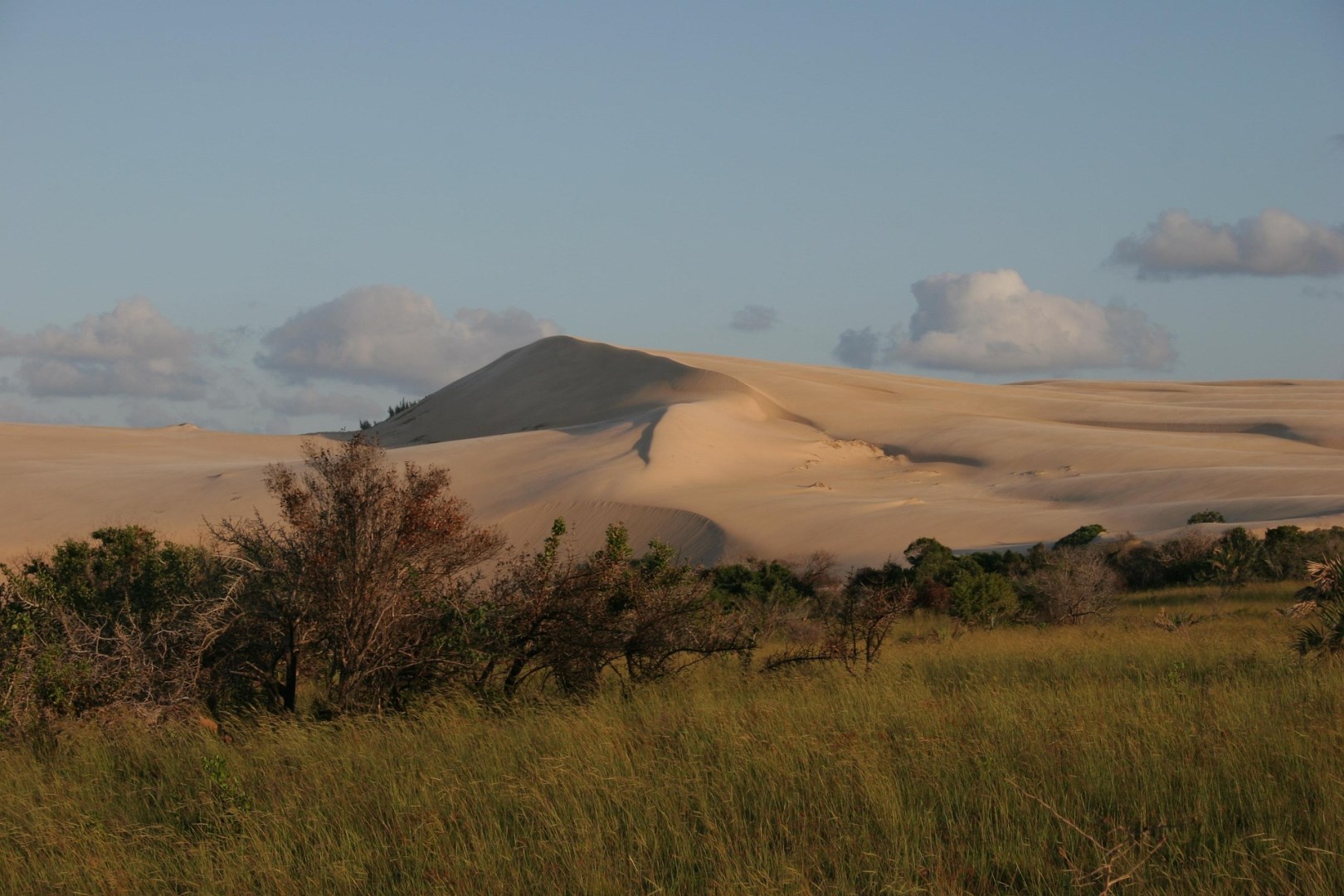
Bazaruto Archipelago
The islands have long been connected to coastal communities whose livelihoods include fishing and small-scale trade. Traditional dhow boats remain part of the maritime landscape, linking island and mainland communities across the archipelago. Local culture reflects the wider coastal heritage of Inhambane Province, where African, Swahili, and Indian Ocean influences have shaped food, language, music, and commerce.
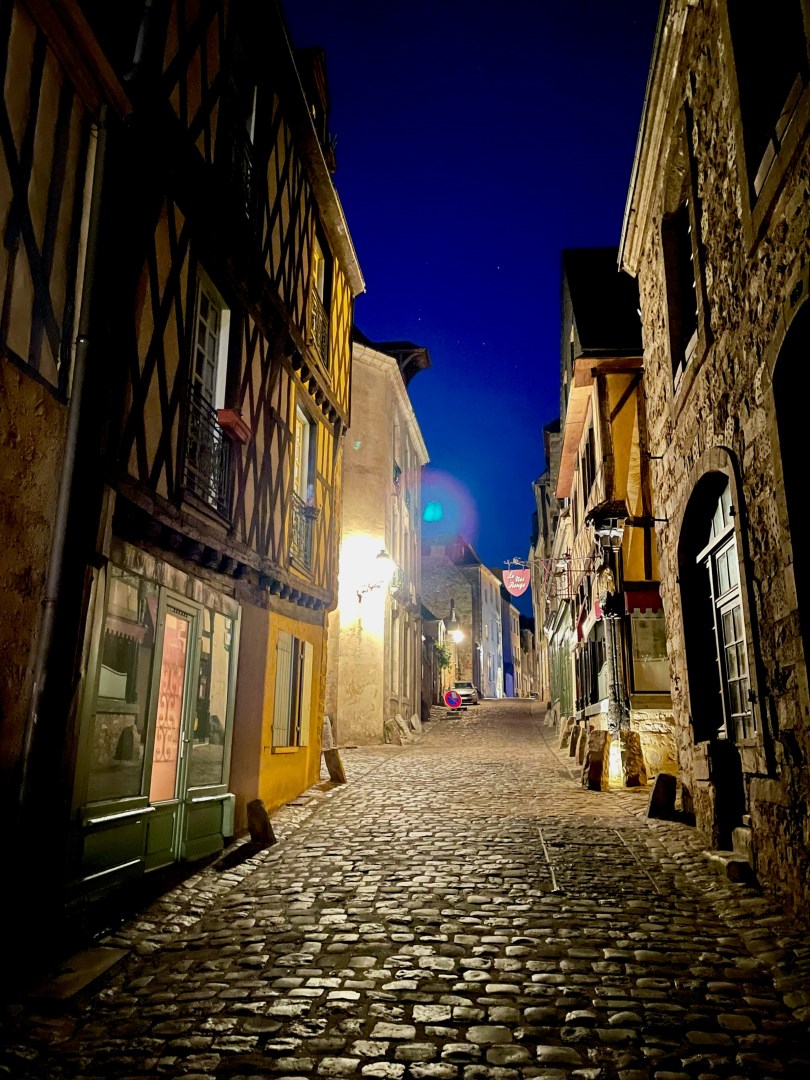
Le Mans
Located west of Paris, it is famous for its race track and the annual 24 hour Grand Pris auto race.
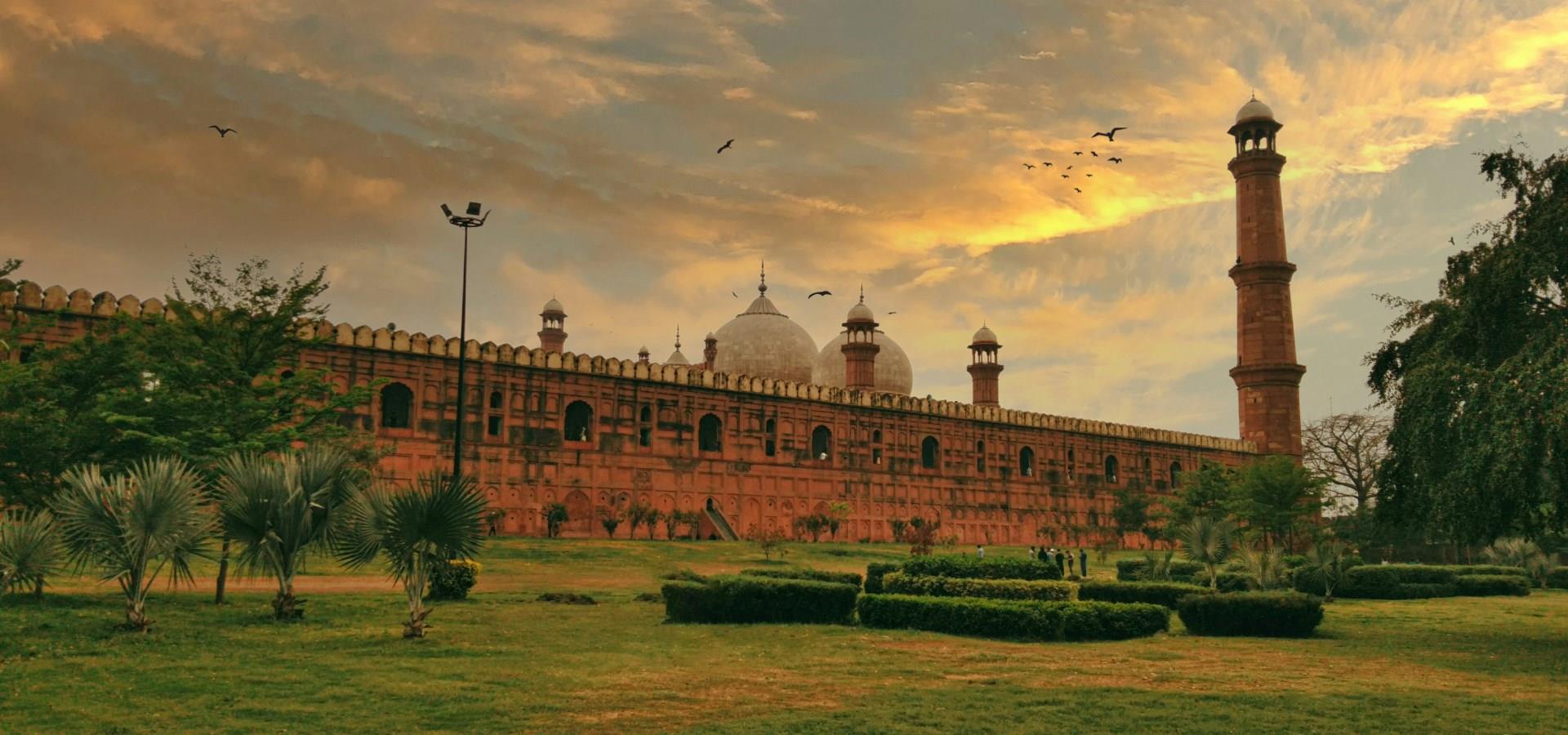
Lahore
Lahore, the cultural heart of Pakistan, is a city where history, art, and culinary traditions come alive. Known for its vibrant streets and historic architecture, Lahore showcases iconic landmarks such as the Badshahi Mosque, Lahore Fort, and Shalimar Gardens, which reflect the grandeur of the Mughal era.
