
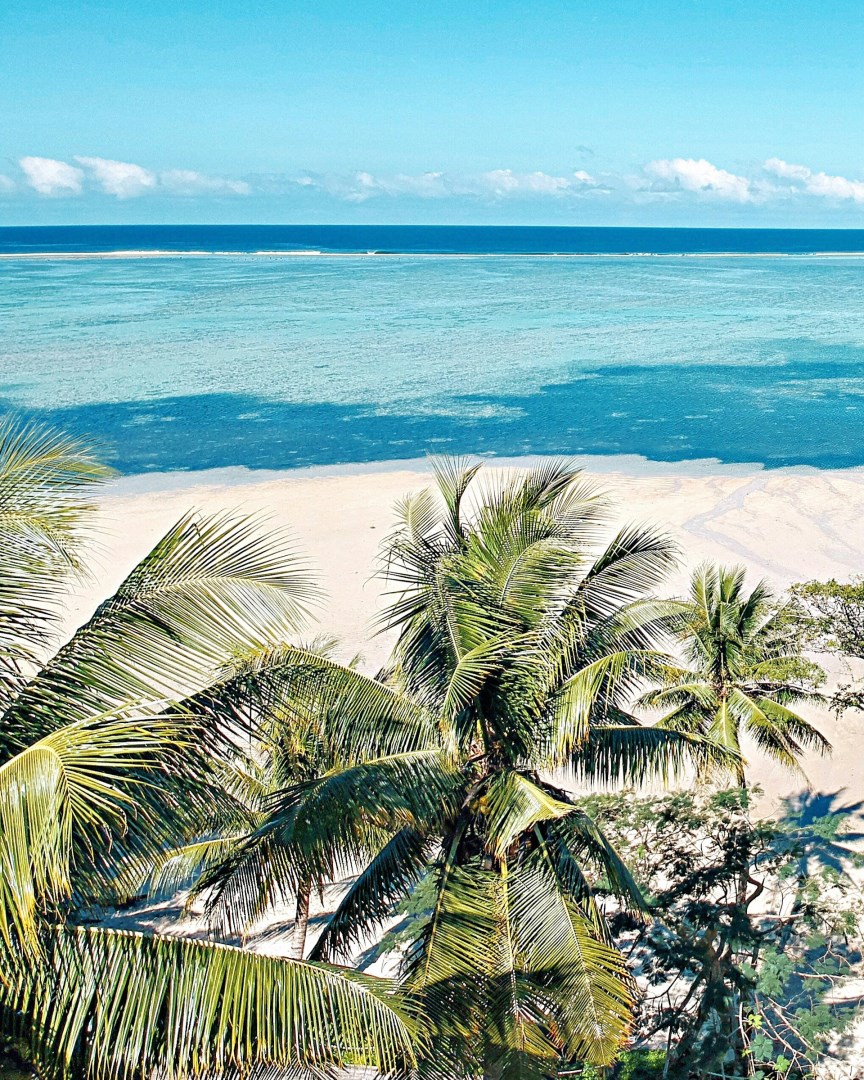
Viti Levu
Viti Levu is Fiji’s largest island and the country’s main centre of population, government and commerce. More than 70 percent of Fiji’s residents live on the island, which includes the capital, Suva, in the southeast and Nadi, the principal international gateway, in the west.
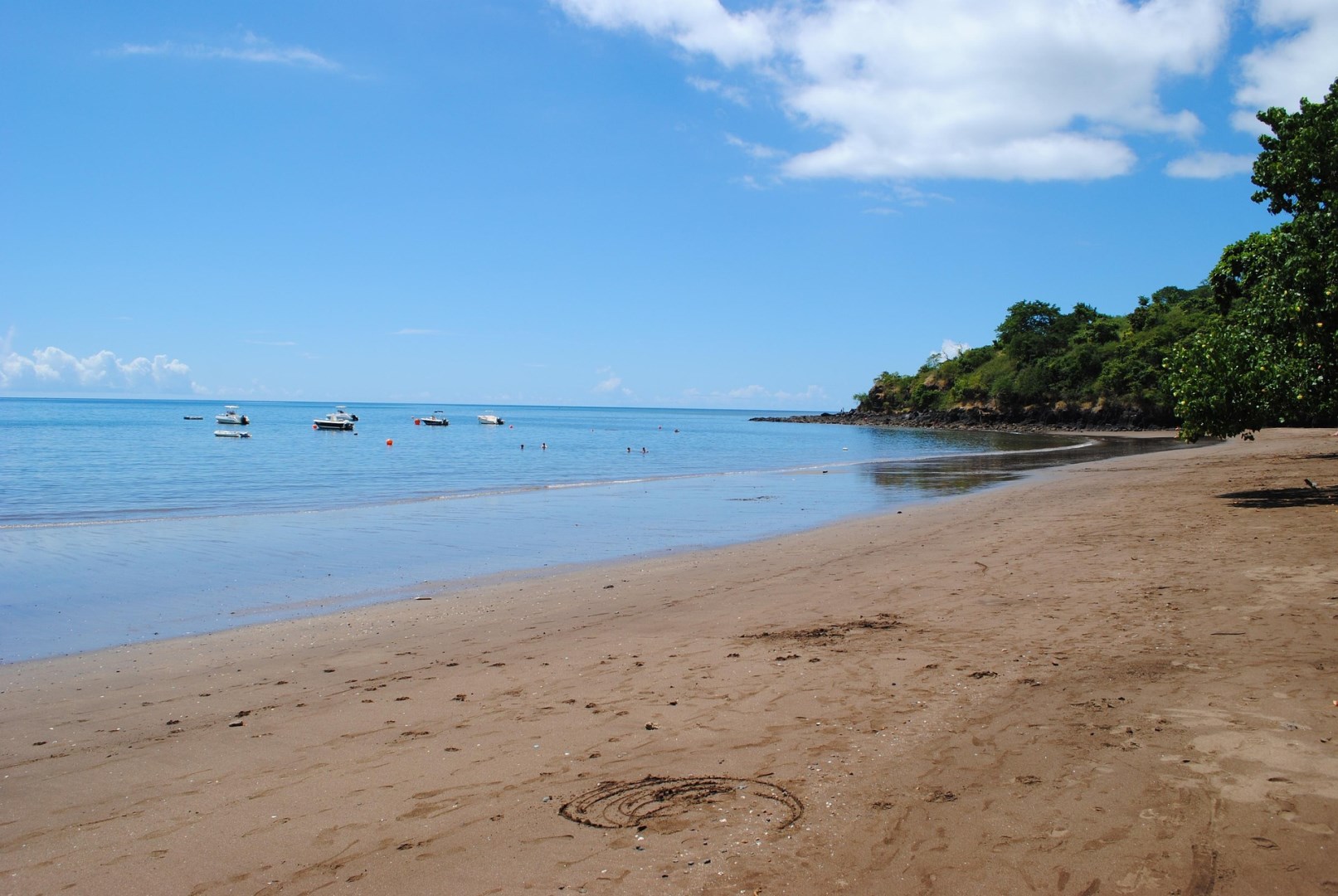
Trévani
Trévani is a coastal village on the northern side of Mayotte’s Grande-Terre, facing the island’s large lagoon. It is part of the commune of Koungou and is known for its waterfront setting, tropical vegetation, and access to the sea. The village sits near a sheltered bay where the coast curves around shallow lagoon waters, creating a landscape closely connected to fishing and marine activities.

Dominica
Dominica, known as the “Nature Island of the Caribbean,” is a haven for eco-tourists and adventure seekers. Nestled between the French islands of Guadeloupe and Martinique, this lush island boasts a remarkable landscape of volcanic mountains, dense rainforests, and stunning waterfalls. Dominica’s most iconic natural wonder is the Boiling Lake, the second-largest hot spring in the world.
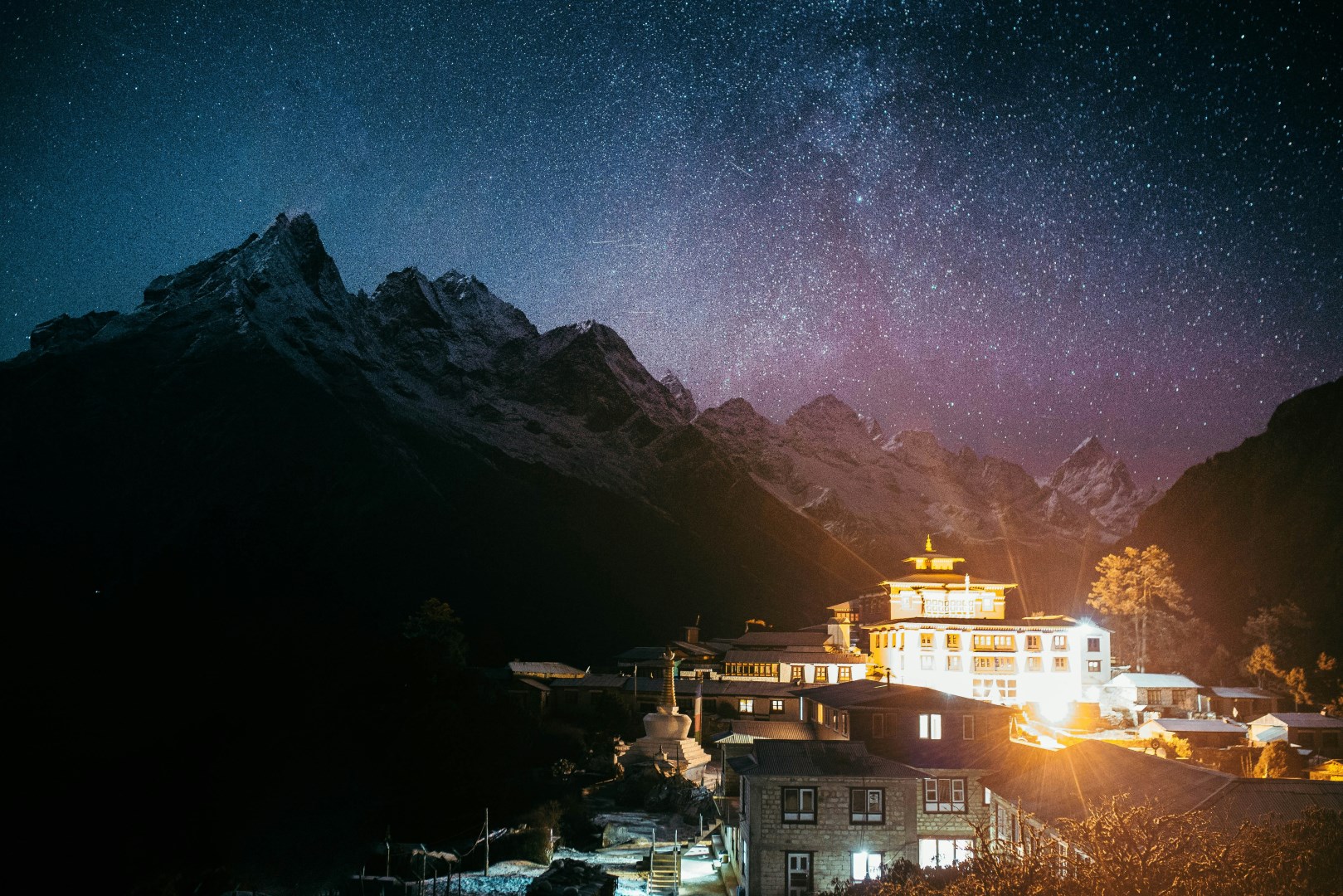
Tengboche
Perched on a ridge overlooking the Dudh Koshi River valley, Tengboche is home to one of the most iconic monasteries in the Himalayas. The Tengboche Monastery dominates the skyline, its whitewashed walls and golden roof visible from miles around. Surrounded by towering peaks such as Ama Dablam, Kangtega, and Thamserku, the village offers visitors sweeping panoramas and a sense of quiet reflection high in the mountains.
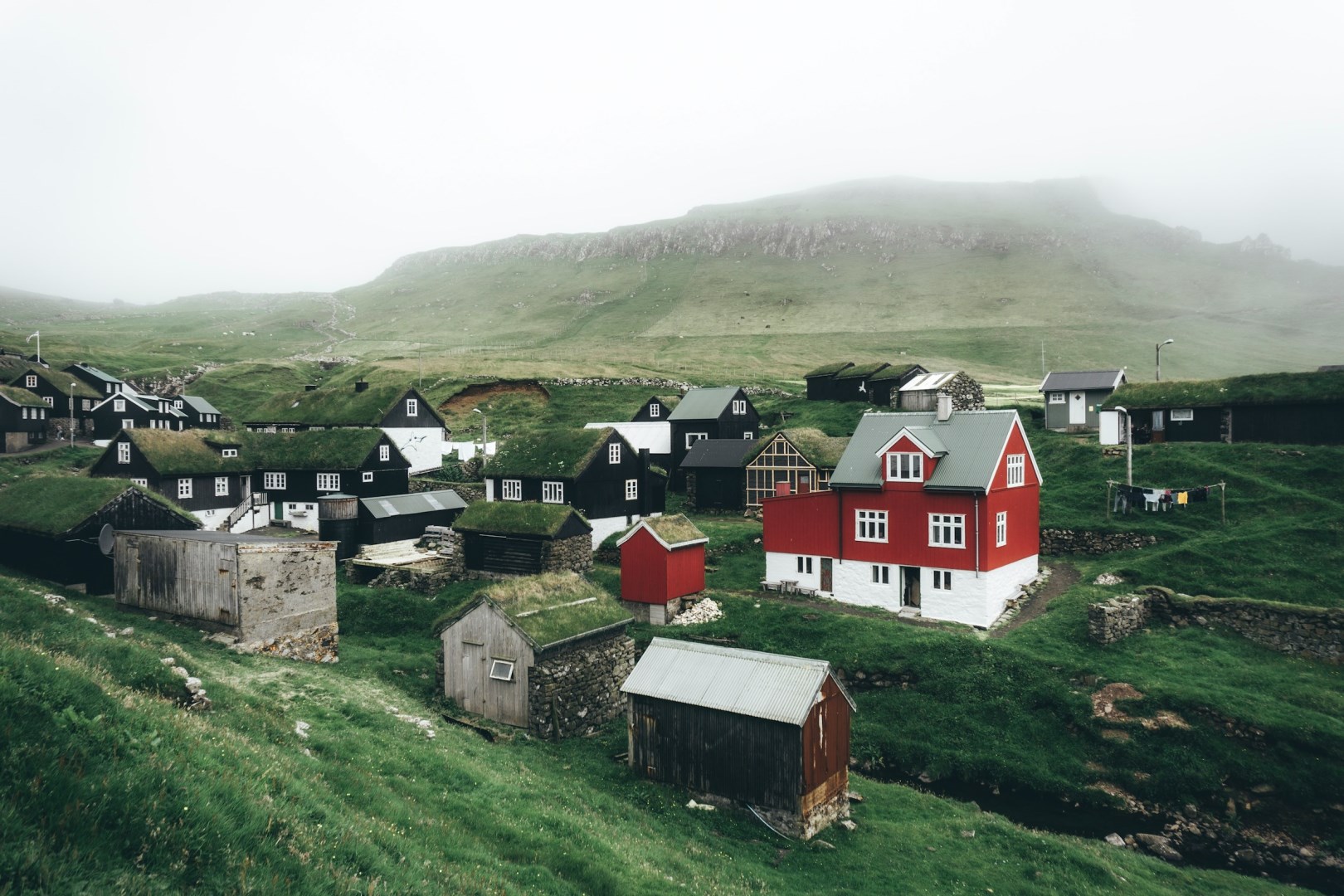
Mykines
Mykines is the westernmost of the main islands of the Faroe Islands, separated from Vágar by the narrow Mykinesfjørður strait. The island is known for steep mountains, grassy slopes, sea cliffs, and a small settlement of the same name on its southern side. Mykines village consists of traditional houses clustered around narrow lanes, with sheep grazing on the surrounding hillsides.
