
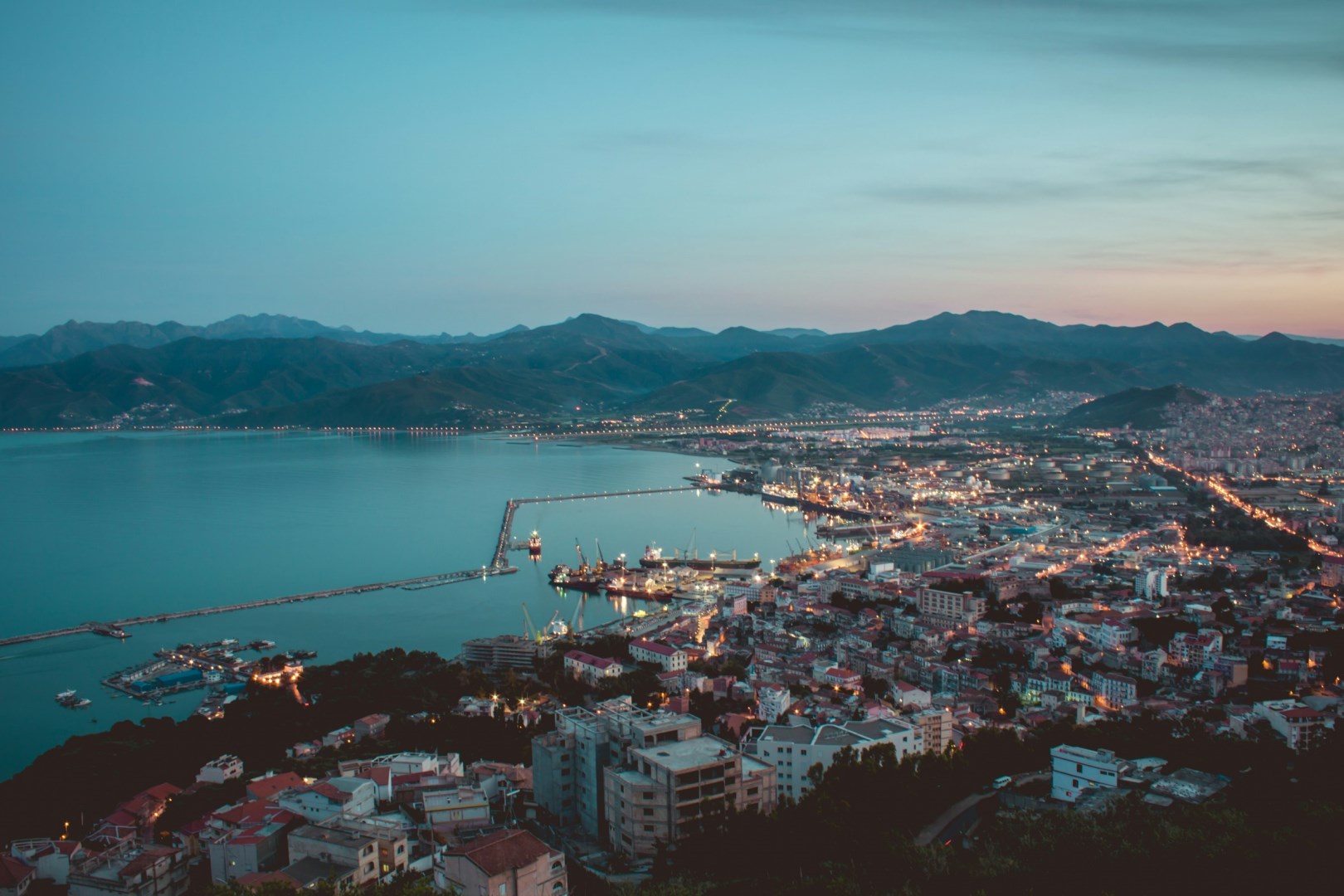
Béjaïa
Béjaïa is a Mediterranean port city on Algeria’s Kabylie coast, set between the sea and the wooded slopes of the Gouraya massif. Its setting brings together a working harbour, mountain terrain, coastal cliffs, and beaches within a compact area. The city is one of Algeria’s important historic centres and has long been connected to maritime trade and scholarship.
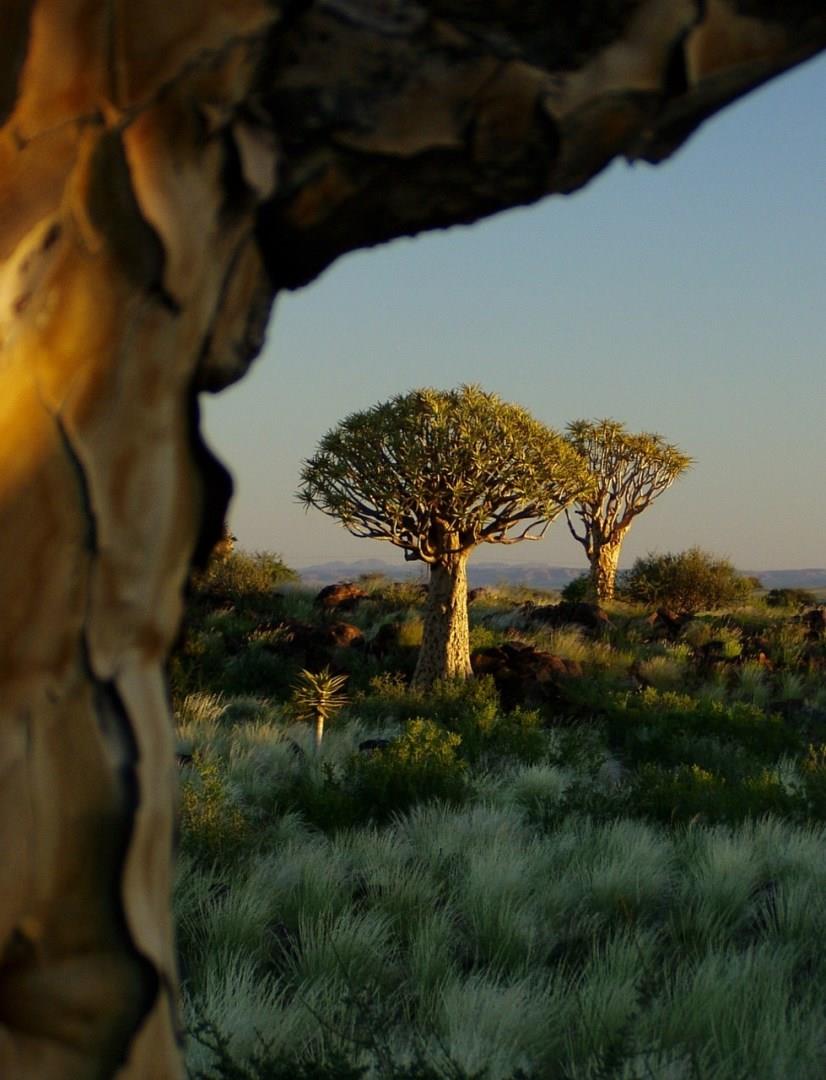
Kokerboomwoud
The Quiver Tree Forest, located just outside the town of Keetmanshoop in southern Namibia, is one of the country's most captivating natural wonders. This unique forest is home to hundreds of towering quiver trees (Aloe dichotoma), some of which are estimated to be over 200 years old. These trees, named after the San people who used their hollowed-out branches as quivers for arrows, are an iconic symbol of Namibia's arid landscape.
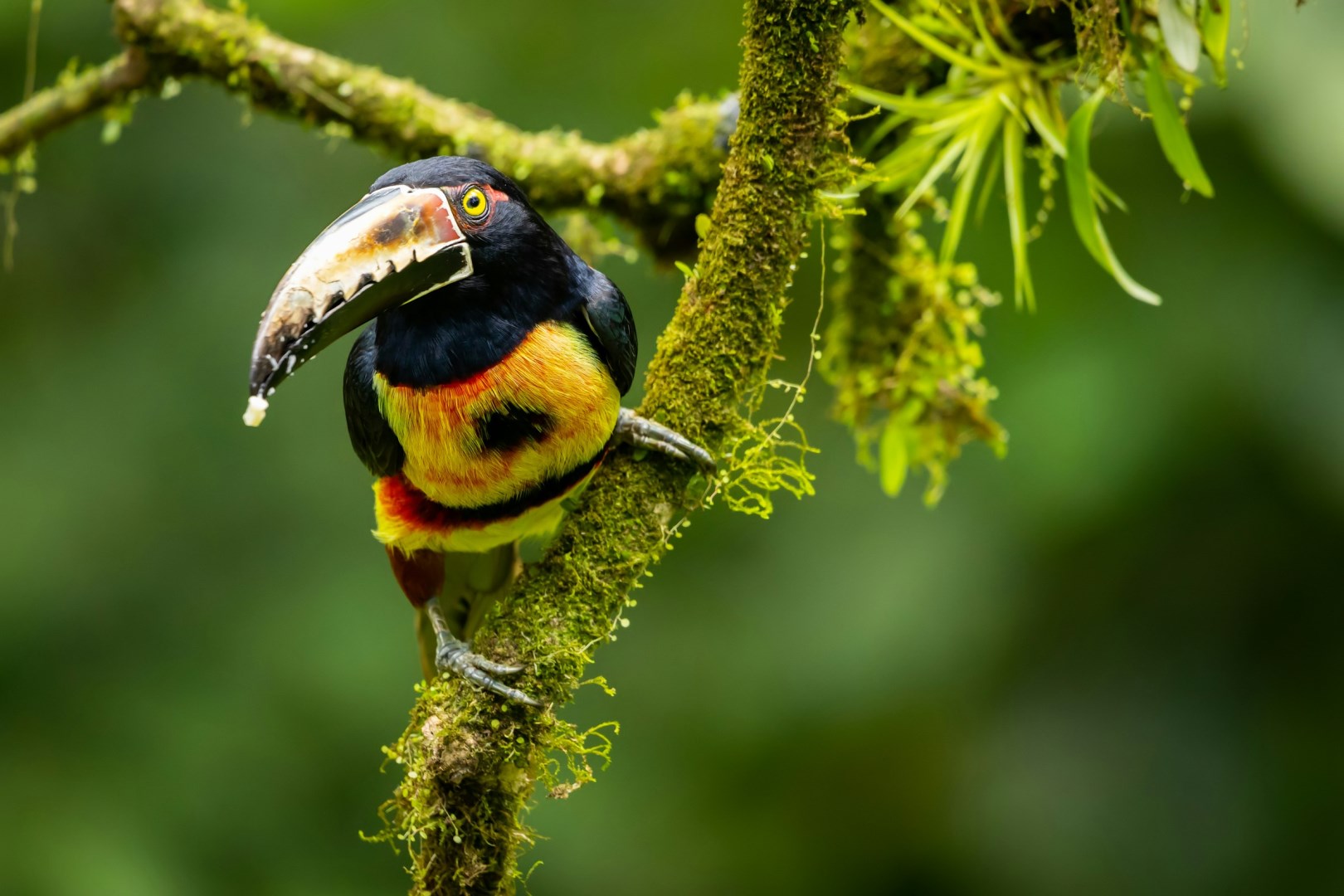
Guápiles
Guápiles is a regional city in Limón Province on Costa Rica's Caribbean slope, positioned between the Central Valley and the lowlands of the Caribbean coast. Its warm, humid climate supports lush vegetation, banana plantations, pastures, and tropical gardens, while the surrounding landscape includes rivers and forested foothills.
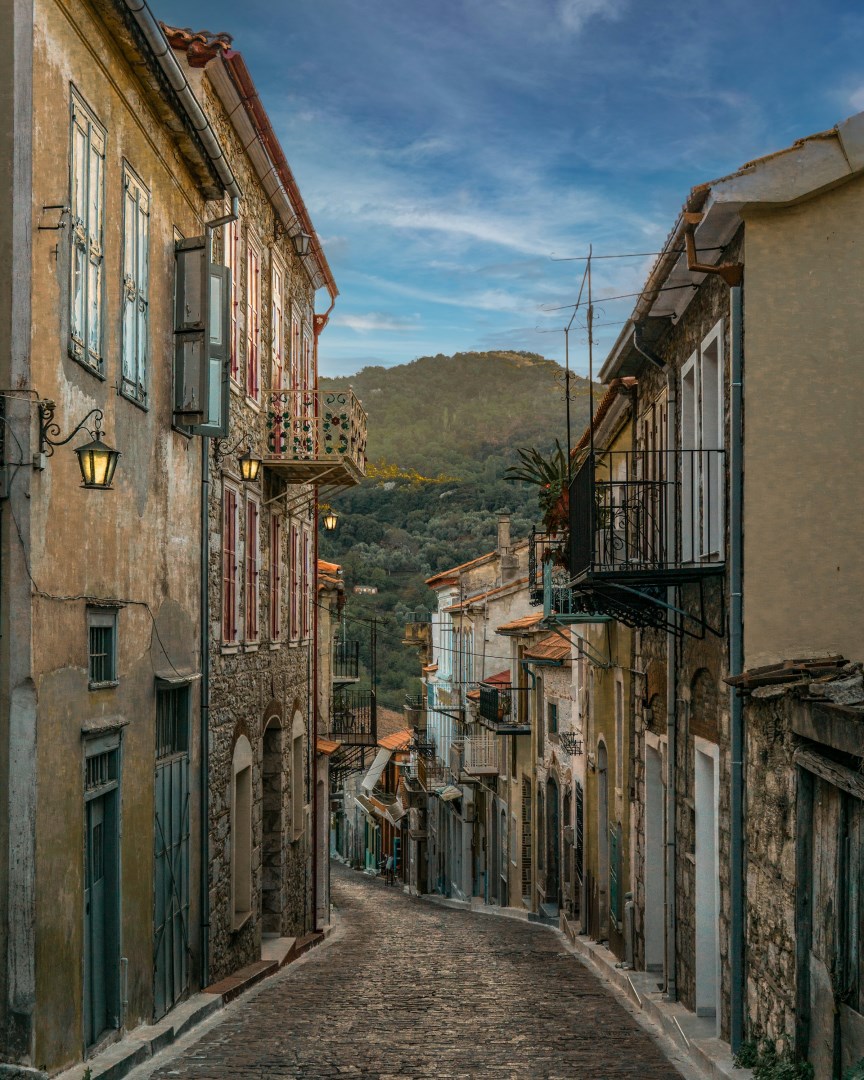
Mytilene
Mytilene, ancient Greek city, the capital of Lésvos (Lesbos), an island in the Aegean Sea. It was colonized in early times by the Aeolians and is known as the birthplace of the poet Sappho and the philosopher Theophrastus. The city became a great naval power and established colonies in Mysia and Thrace.
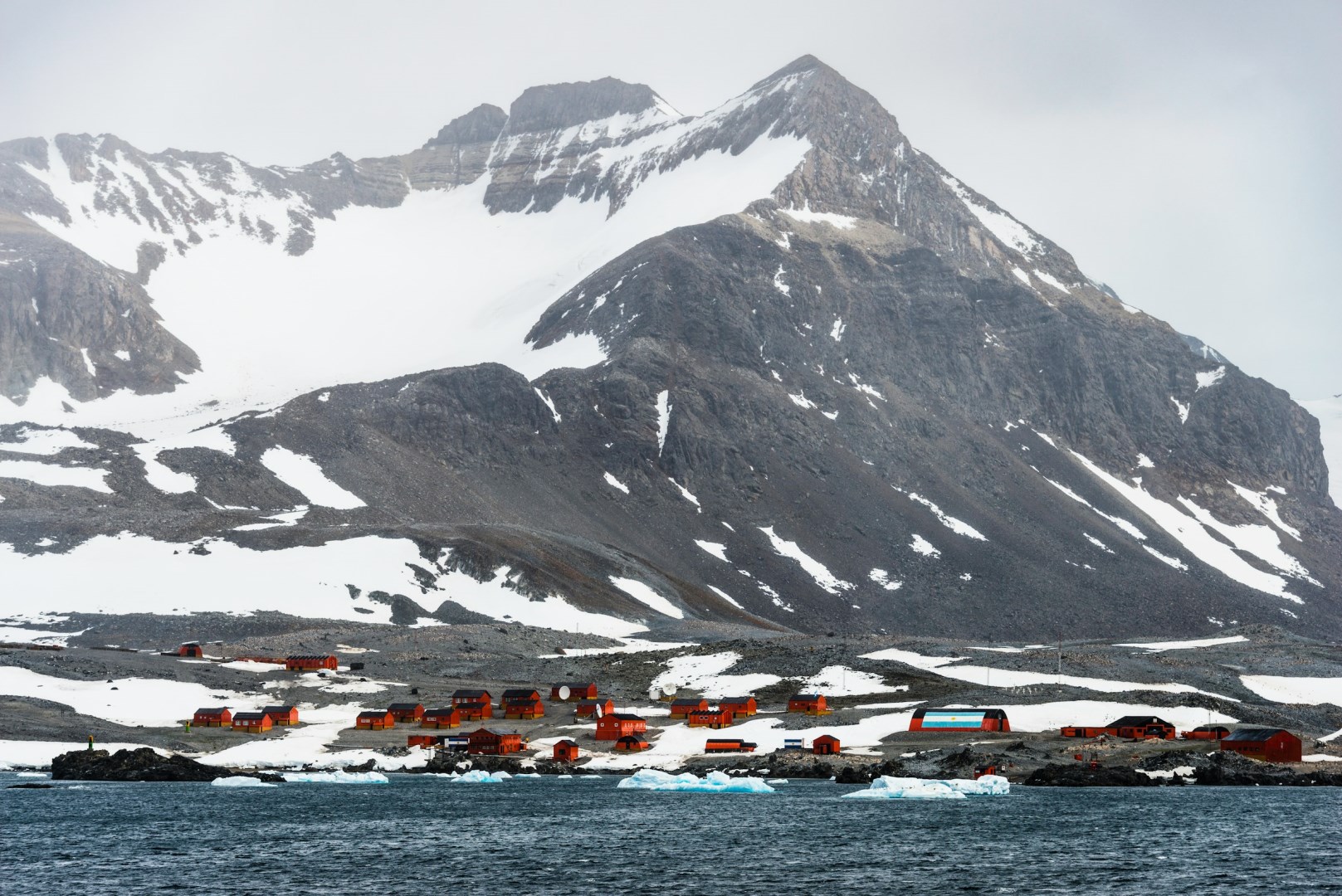
Hope Bay
The bay’s environment supports a variety of Antarctic wildlife. Gentoo penguins breed around the shoreline, while skuas and other seabirds can be seen near the colony. Weddell seals and Antarctic fur seals may also occur in the area, particularly around beaches and sea ice. Mount Flora and the surrounding slopes provide a striking backdrop, with exposed rock contrasting against snowfields and glaciers.
