
Homps
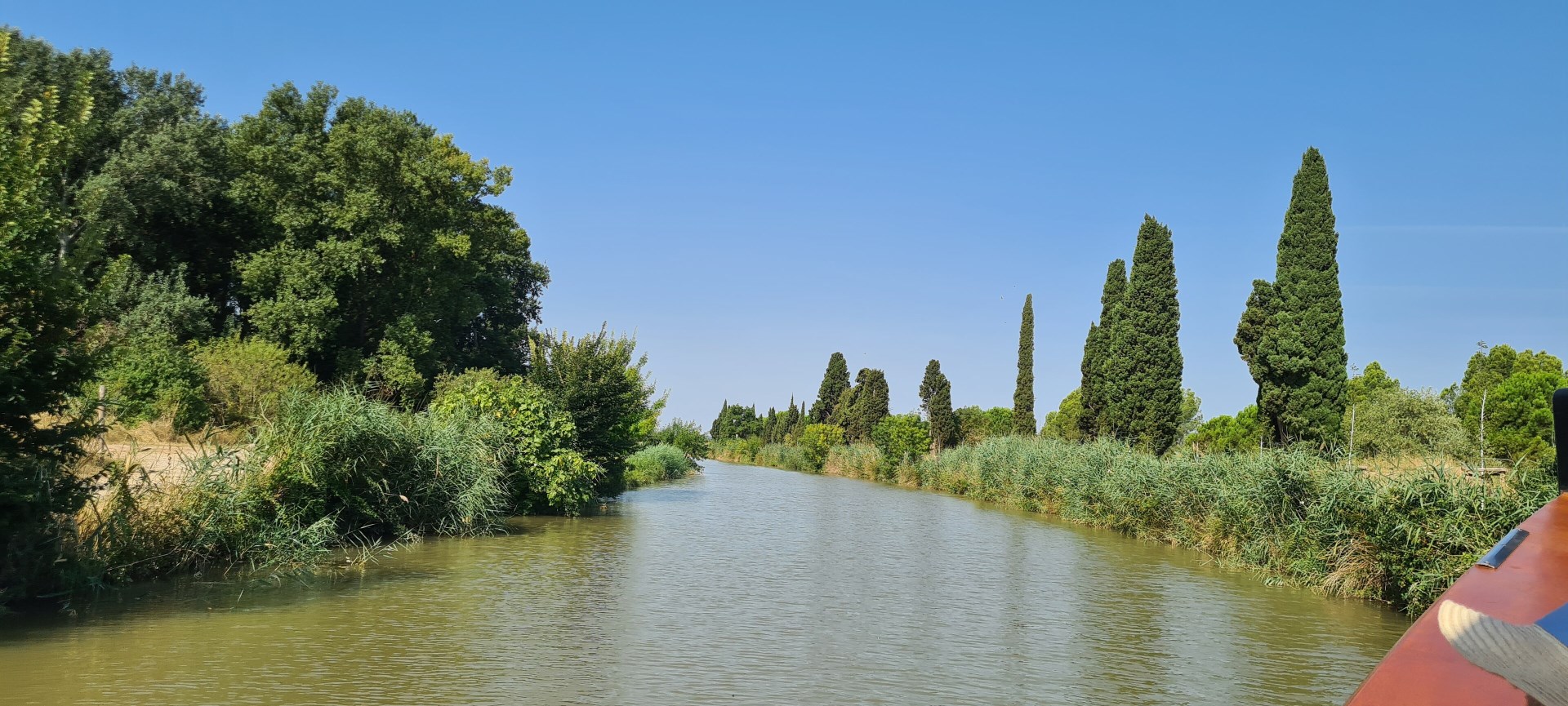
Homps is a small village in the Minervois of southern France, positioned between the Corbières and the Aude valley. Its identity is closely tied to the Canal du Midi, which passes through the village and remains central to local life. The port is used by pleasure boats and provides a setting for walks along the water, while vineyards surround the settlement on the gently rolling landscape.
Wewak
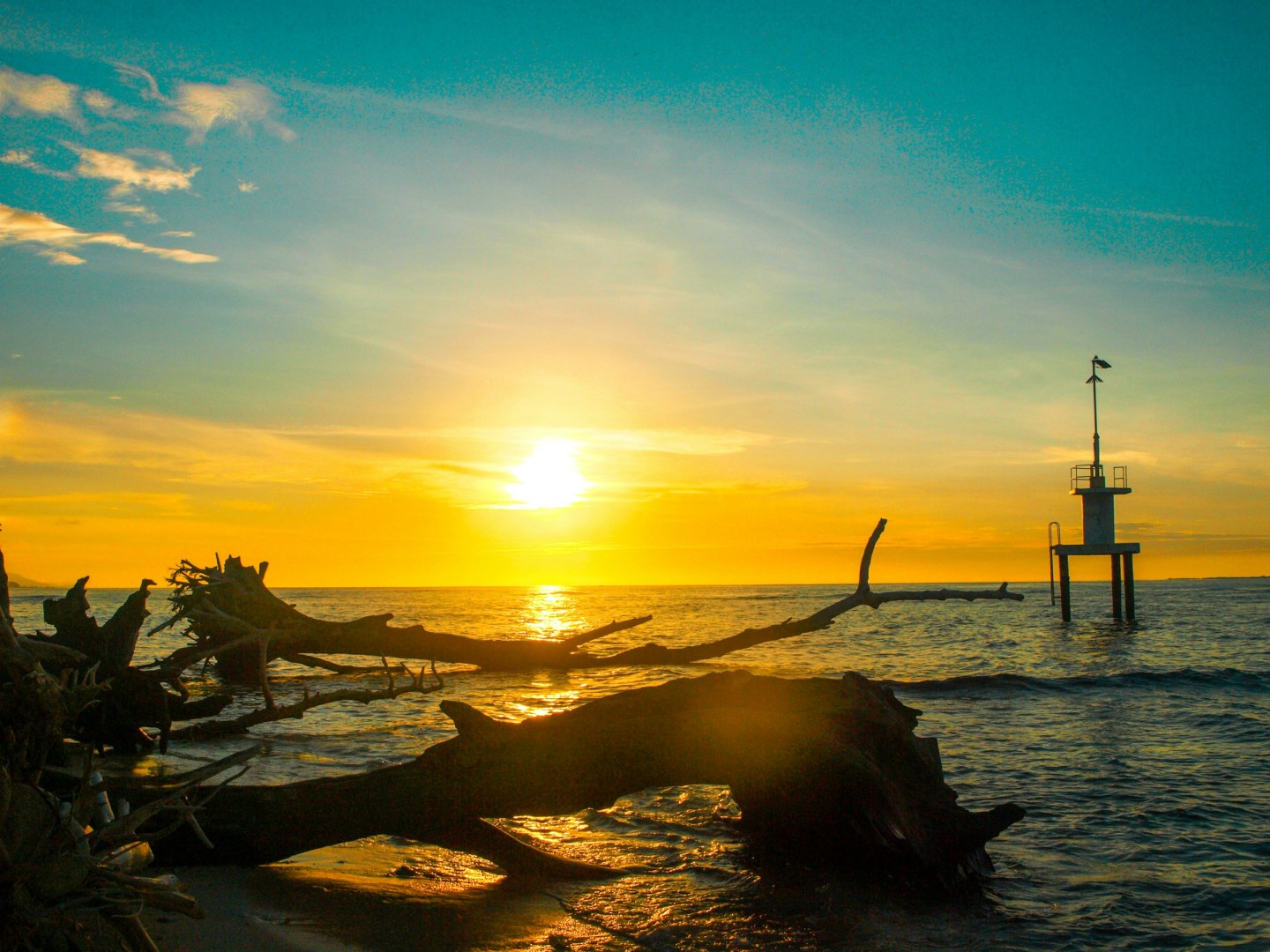
Wewak is the capital of East Sepik Province on the north coast of Papua New Guinea, facing the Bismarck Sea. The town stretches along a coastal plain backed by low forested hills, with beaches, bays, and offshore islands forming part of the surrounding landscape. Wewak serves as the province’s main administrative and commercial center and provides access to the Sepik River region farther inland.
Tangalle
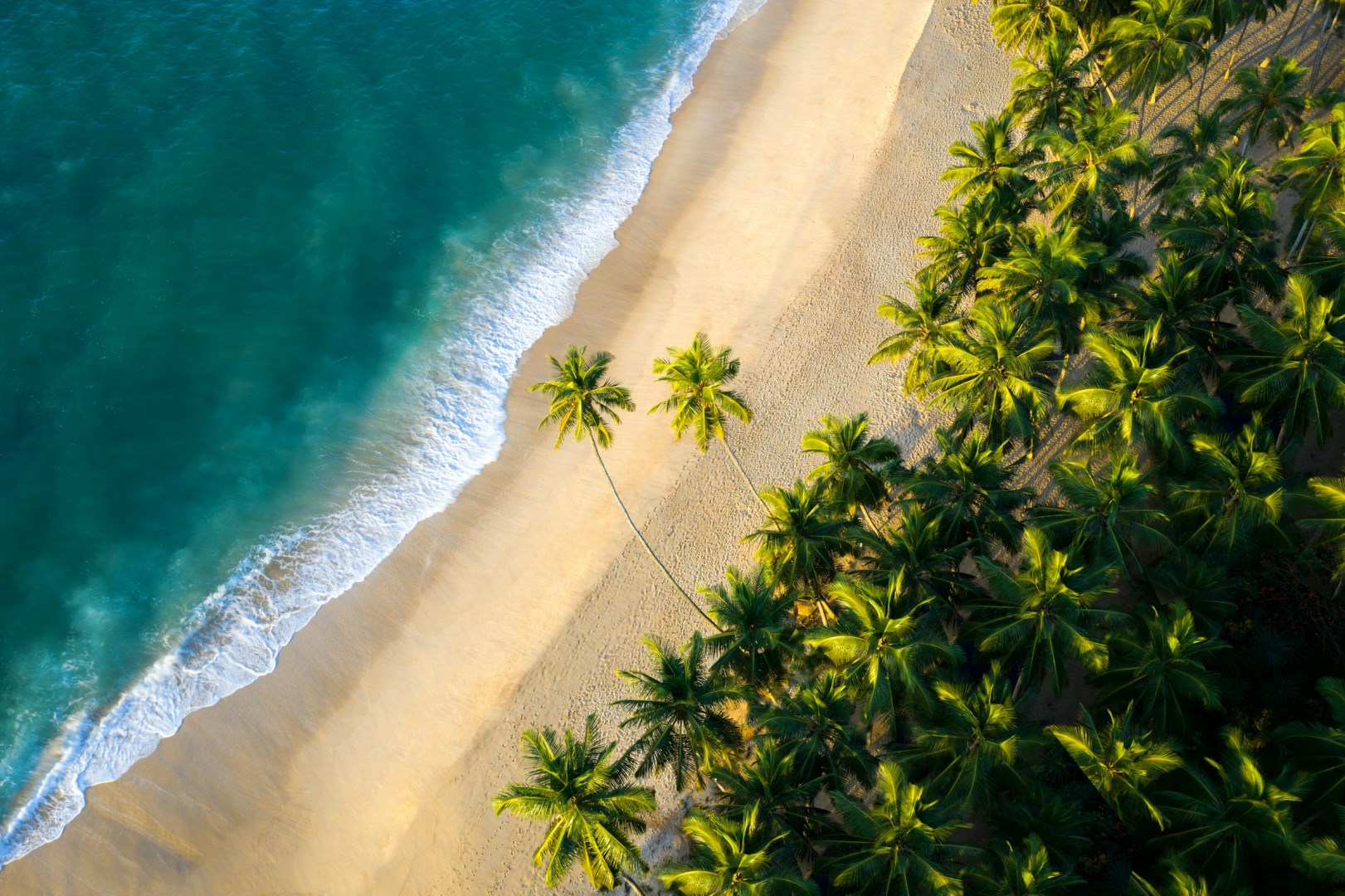
Tangalle is a coastal town in Sri Lanka’s Southern Province, set around one of the island’s larger natural bays. Its shoreline is divided into a series of sandy beaches and smaller coves, including Medaketiya, Goyambokka, Pallikkudawa, and Medilla. Tangalle remains an important fishing port, while tourism has developed around its beaches, seafood restaurants, and small hotels.

Faroe Islands
The Faroe Islands, a hidden gem in the North Atlantic, offers visitors a breathtaking blend of dramatic cliffs, quaint villages, and untouched landscapes. This autonomous territory of Denmark, located between Iceland and Norway, is a dream for nature lovers and adventurers alike. The islands boast rugged coastlines, with towering cliffs like those at Vestmanna, where you can take boat tours to witness seabirds nesting on the rock faces.
Nazca
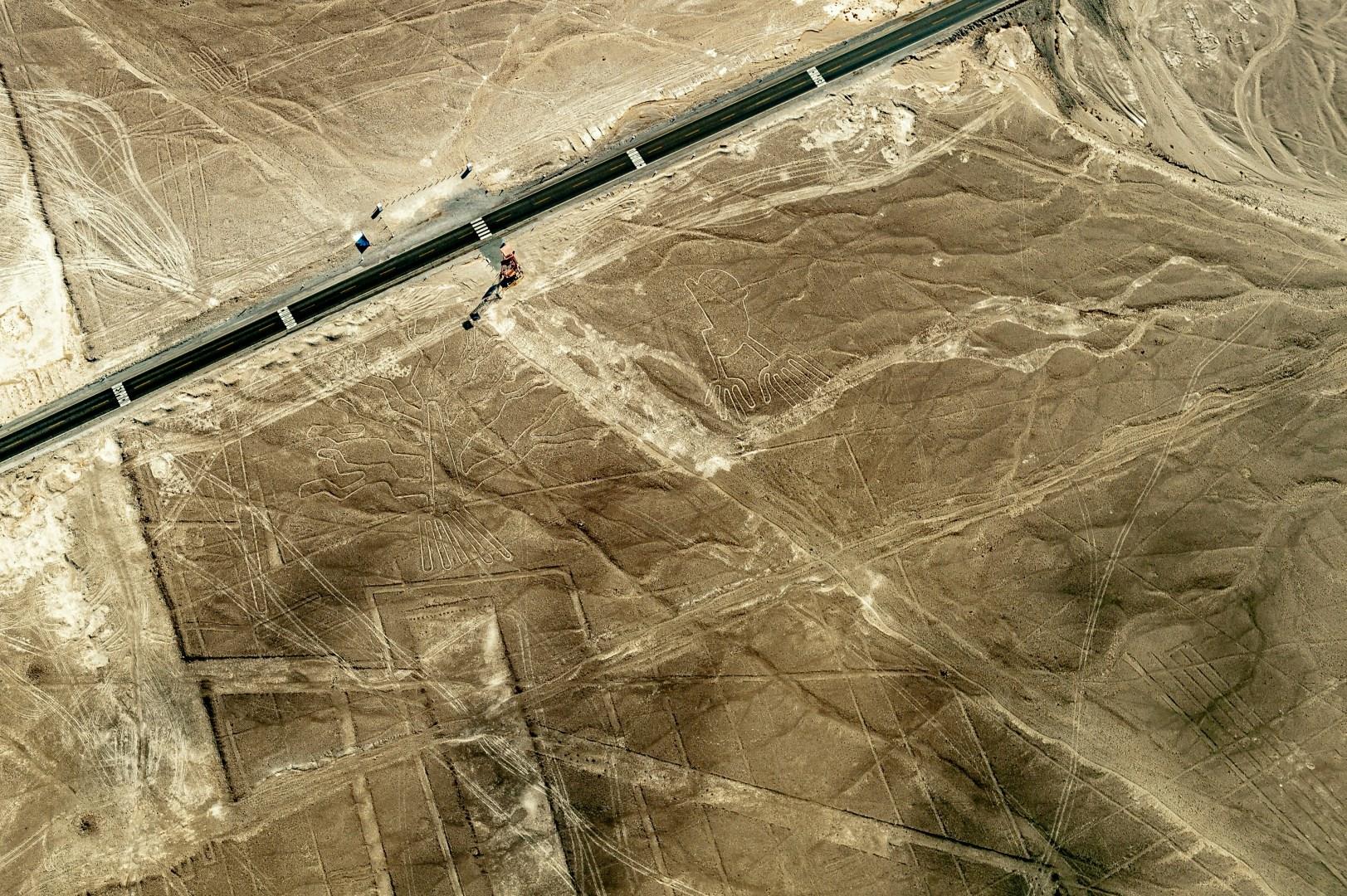
In the southern deserts of Peru, Nazca invites visitors to look beyond the horizon. This small city is world-famous for the mysterious Nazca Lines, enormous geoglyphs etched into the desert floor more than 1,500 years ago. From the air, shapes like hummingbirds, monkeys, and even a stylized astronaut come into view, some stretching over 300 meters. Their exact purpose remains a mystery, fueling decades of theories.
