

Cuba
Cuba is an island nation where history, culture, and natural beauty intertwine in captivating ways. Known for its Spanish colonial architecture, vibrant music, and revolutionary legacy, the country offers a fascinating window into both the Caribbean and Latin American worlds. Havana, with its colorful facades, classic American cars, and lively plazas, embodies Cuba’s charm and resilience, while towns like Trinidad and Cienfuegos showcase UNESCO-listed heritage and a slower pace of life.
Robe
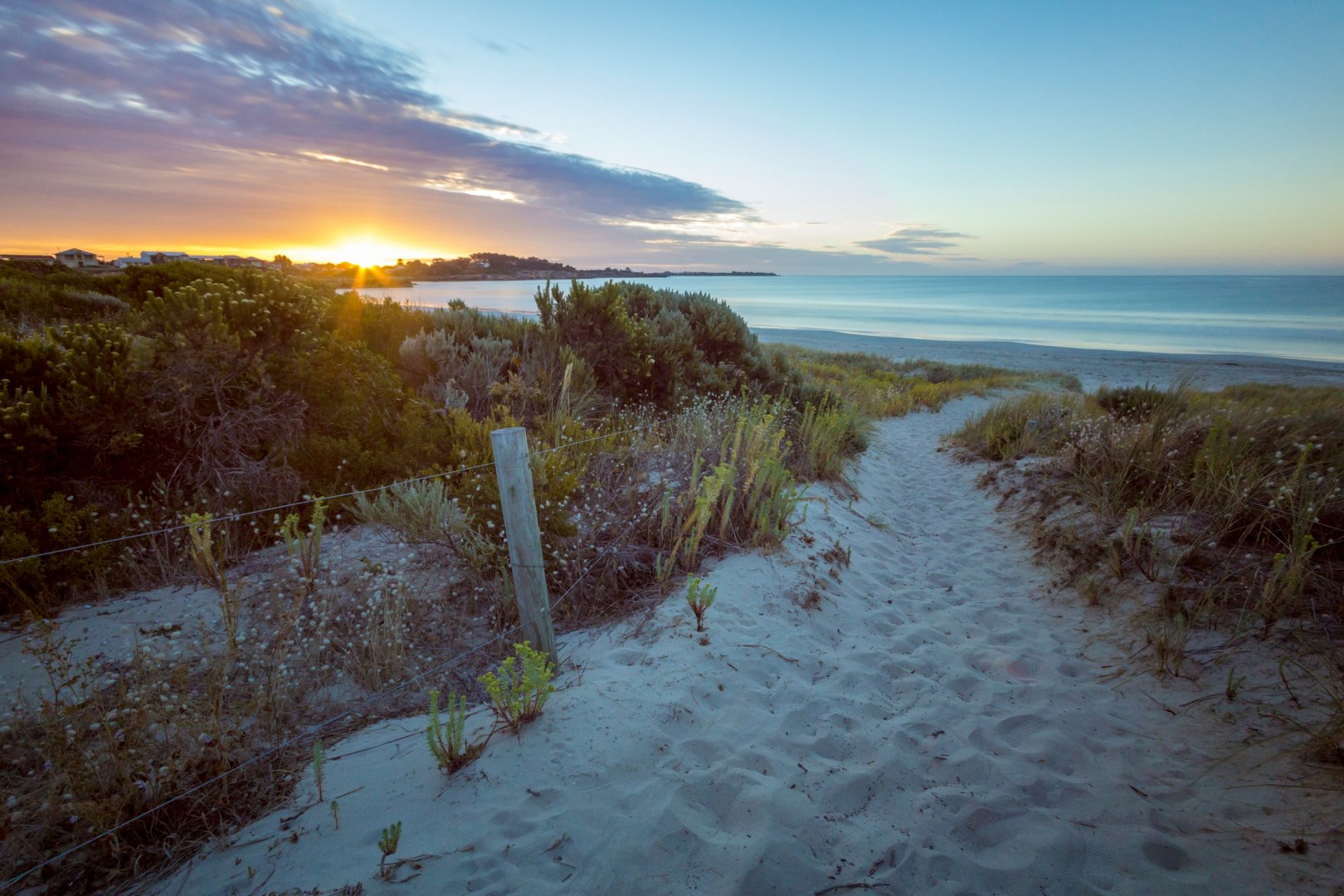
Robe is a small coastal town on South Australia’s Limestone Coast, overlooking Guichen Bay between long beaches, low dunes, lakes, and rocky headlands. Its setting combines a working fishing community with a historic town center containing numerous heritage-listed buildings. Robe developed as a port serving the pastoral districts of the southeast, and its maritime character remains visible around the harbor and waterfront.

Fuerteventura
The Old Canary Country is the island with the longest coast line, offering wide plains, gentle valleys, and huge beaches. Some of its beaches compare with the best in the world.
Philae
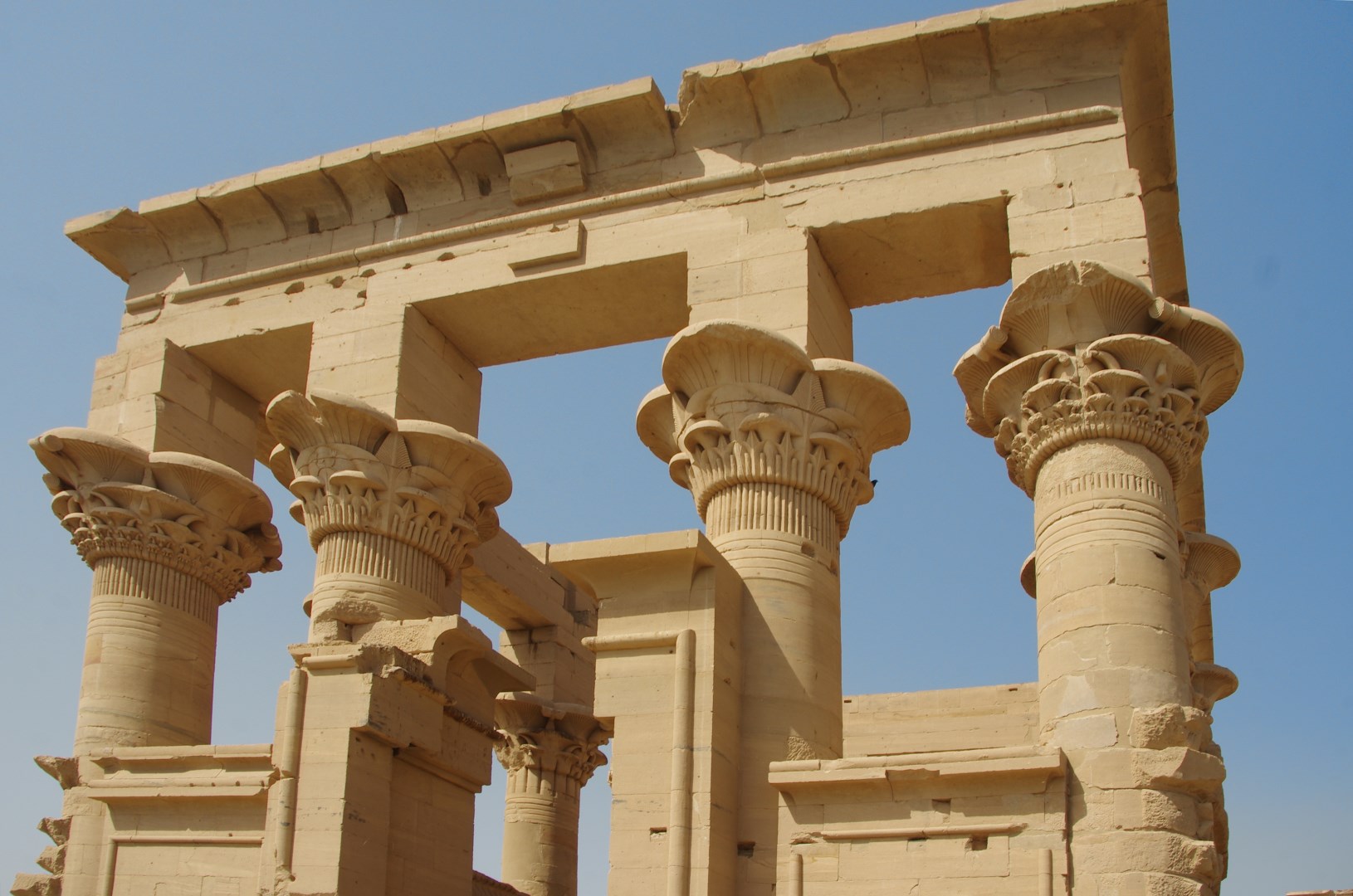
Philae Temple Complex sits on an island in the Nile near Aswan, where calm water and granite hills create a setting that feels carefully placed in the river. The temple buildings rise from the island like carved stone reflections of the cliffs around them, and reaching the site requires a short boat ride across still waters. This approach is part of the experience, as visitors leave the shore behind and glide toward an island that seems built for slow discovery.
Saint Louis
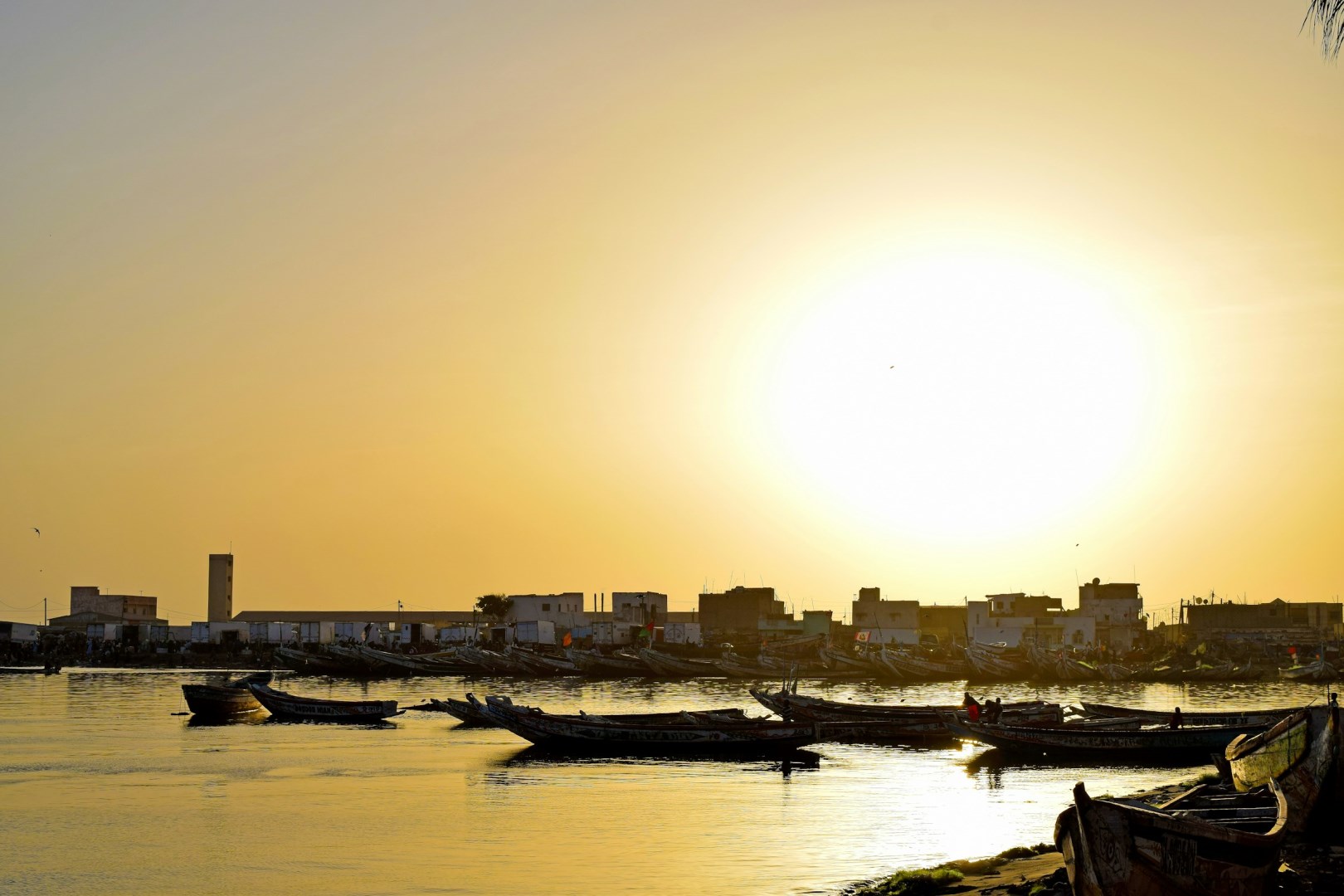
Saint-Louis is a historic city in northern Senegal, positioned on an island at the mouth of the Senegal River where the river meets the Atlantic Ocean. Its distinctive setting between waterways has shaped the city’s architecture, economy, and daily life. The historic island is recognized as a UNESCO World Heritage Site for its regular street plan, waterfront quays, colonial buildings, and distinctive balconies and galleries.
