
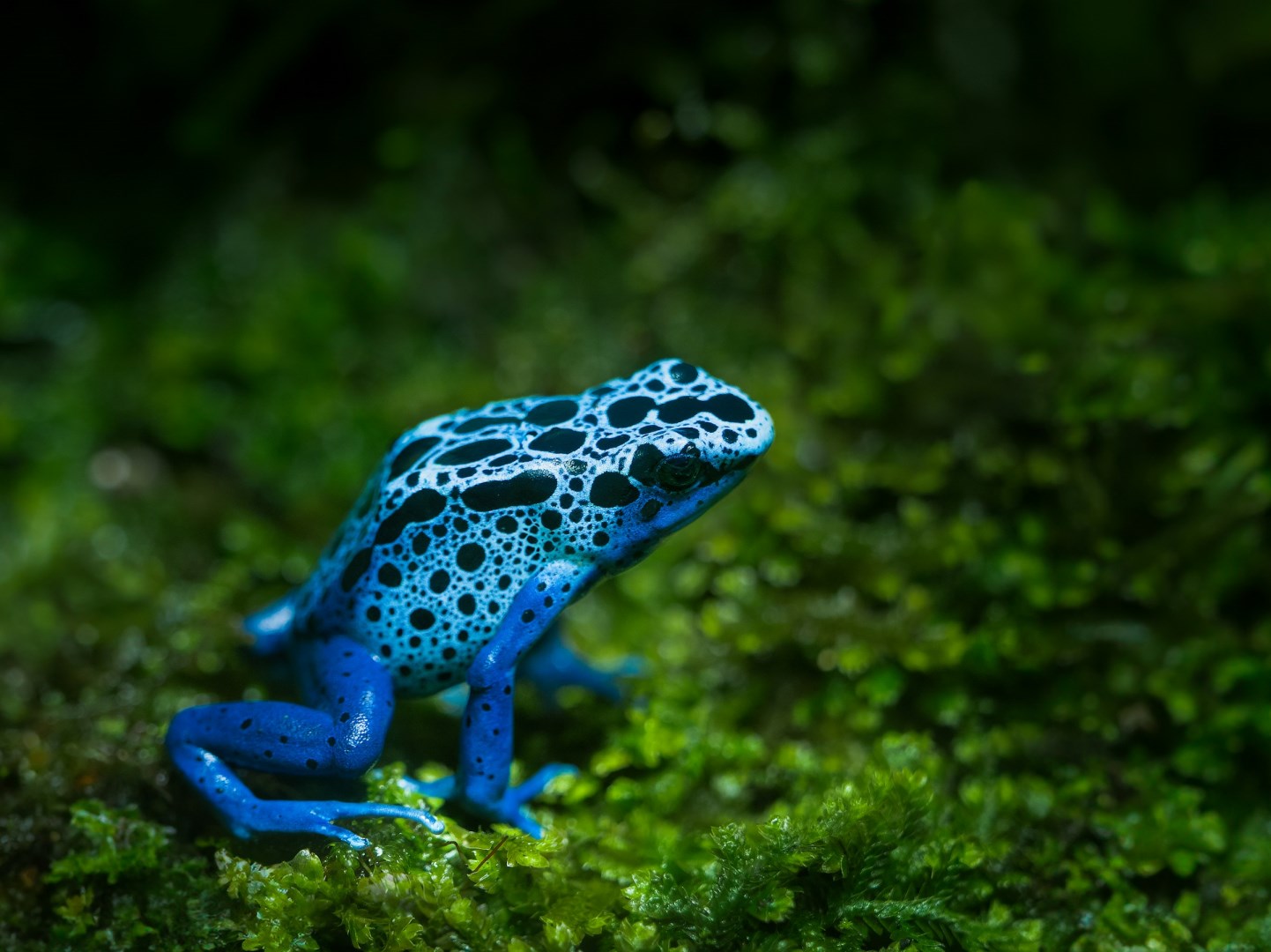
Suriname
Suriname’s forests cover more than nine‑tenths of the country and house an astounding array of wildlife. The Central Suriname Nature Reserve, one of the largest rainforest sanctuaries on Earth, shelters jaguars, giant river otters, and hundreds of bird species. Nearer the capital, Brownsberg Nature Park offers forest trails and waterfalls amid 1,450 plant and 350 bird species, just a short drive from Paramaribo.
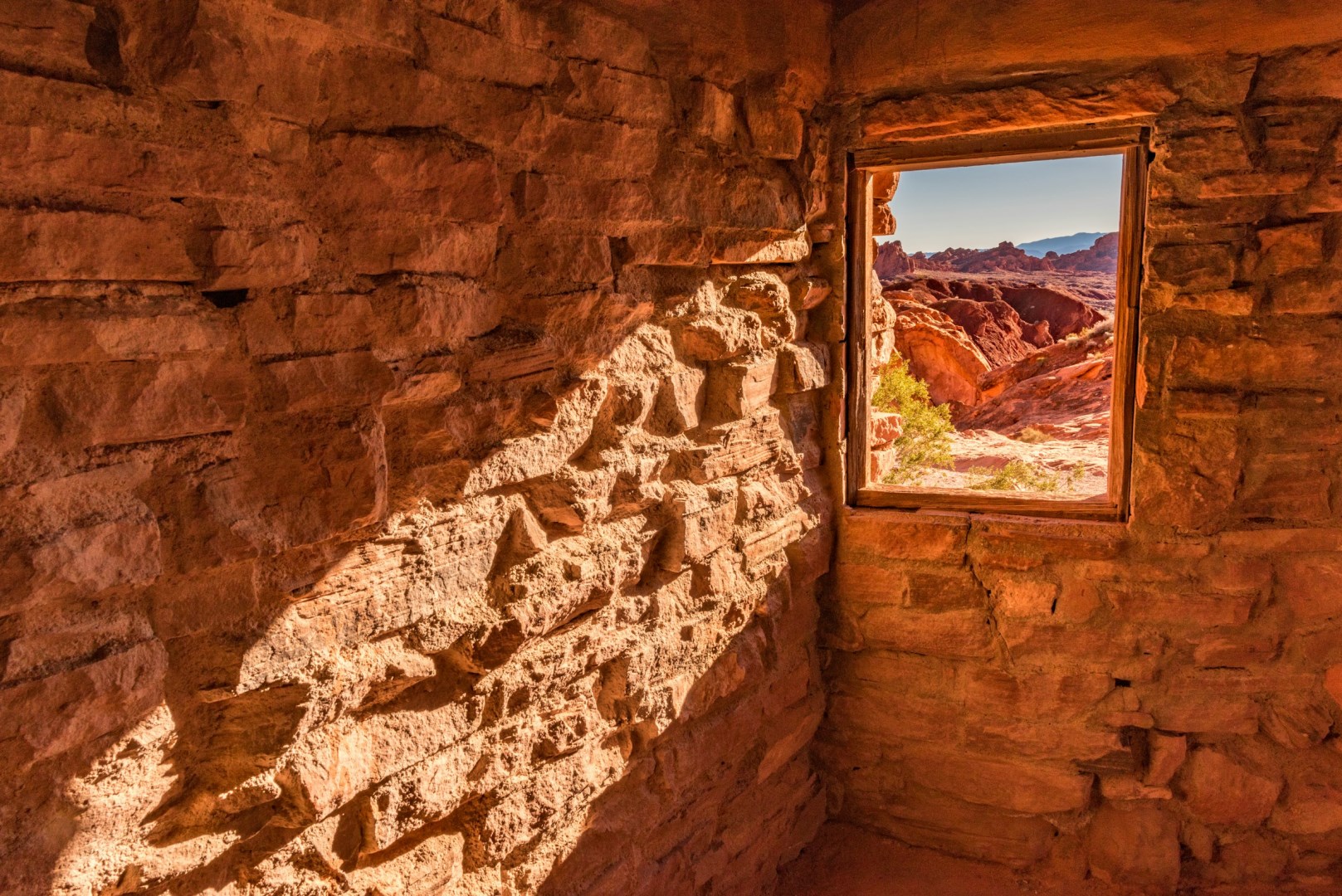
Valley of Fire State Park
Valley of Fire State Park lies in southern Nevada, northeast of Las Vegas, where more than 40,000 acres of red sandstone formations rise from a desert landscape of limestone hills and broad valleys. The park is Nevada’s largest state park and is named for the fiery appearance of its sandstone when sunlight strikes the rock. Wind and water have shaped the landscape into arches, narrow passages, domes, and ridges in shades of red, orange, tan, pink, and white.
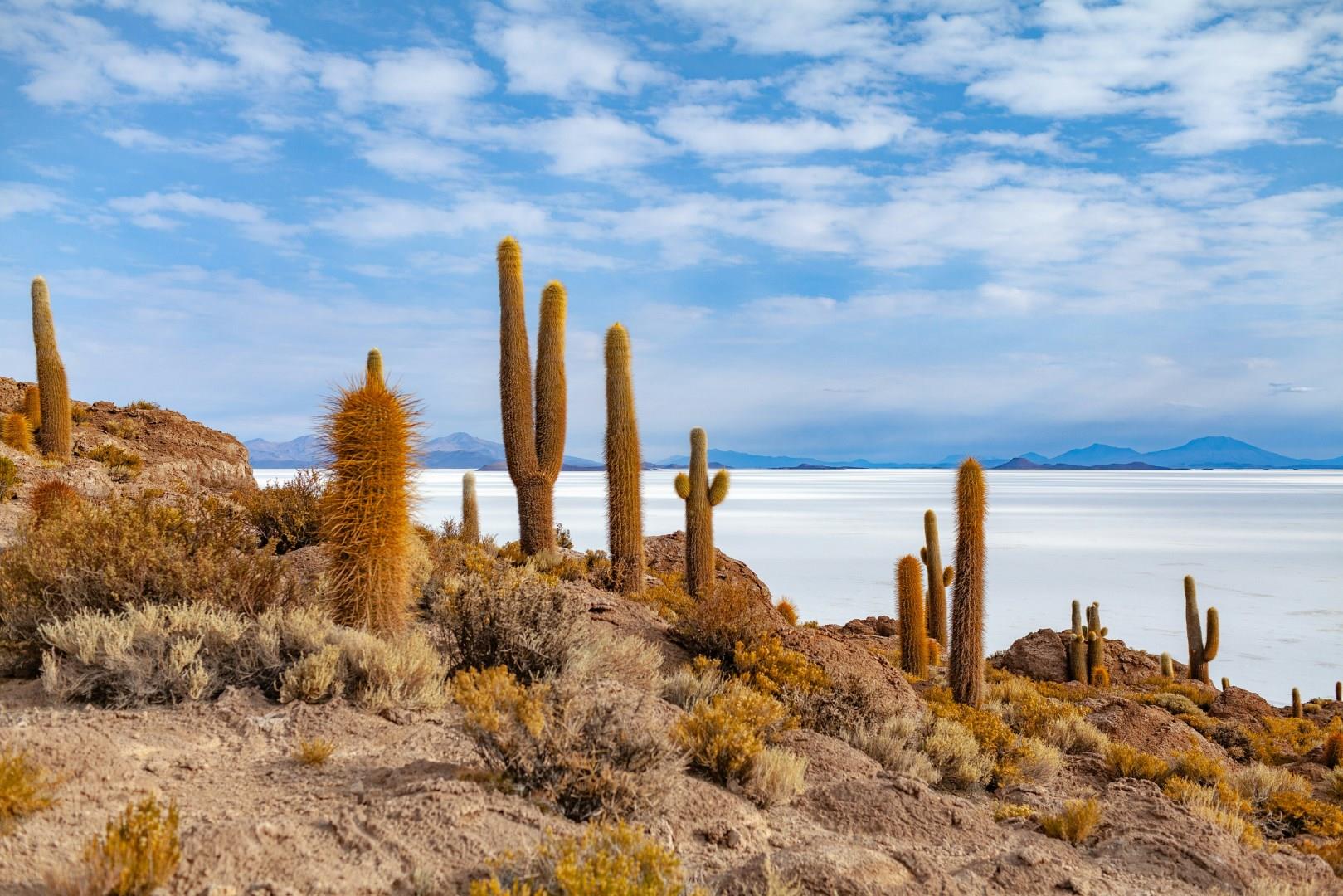
Uyuni
Uyuni, in southwestern Bolivia, is best known as the gateway to the world’s largest salt flat, Salar de Uyuni. Once a humble railway town, Uyuni has grown into a base for travelers drawn to this surreal landscape, where an ancient dried-up lake has left behind a vast expanse of glistening salt crust.
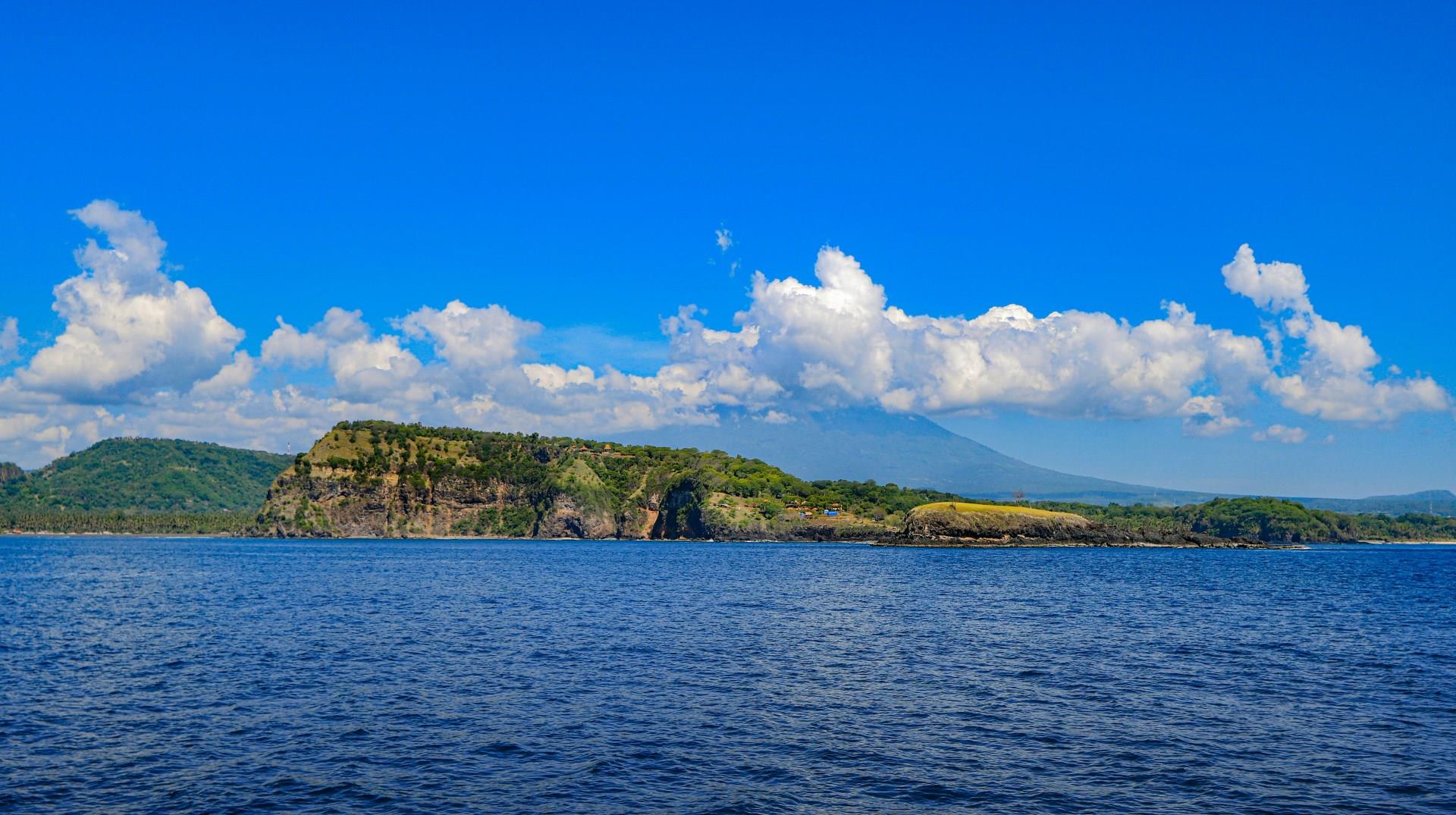
Candi Dasa
Candi Dasa lies along Bali’s quieter east coast, where the village grew around a coastal lagoon once used for ritual and fishing life. Its development has remained low-key compared to southern Bali, and local temples and daily offerings reflect a rhythm shaped more by tradition than tourism.

Clarksville
Clarksville, located along the Cumberland River in northwestern Tennessee, is a historic city that blends military heritage, cultural attractions, and scenic natural surroundings. Established in the late 18th century, Clarksville grew as a river trading hub and later became closely linked to Fort Campbell, a major U.S. Army base, which has shaped much of the city’s identity and economy.
