

Netherlands
The Netherlands offers travelers a landscape where innovation and tradition intersect. In cities like Amsterdam, visitors can explore centuries-old canal networks and Golden Age architecture while also encountering contemporary art installations and sustainable urban design. The Rijksmuseum houses masterpieces by Rembrandt and Vermeer, while a short walk away, the Van Gogh Museum brings visitors closer to one of history’s most studied painters.
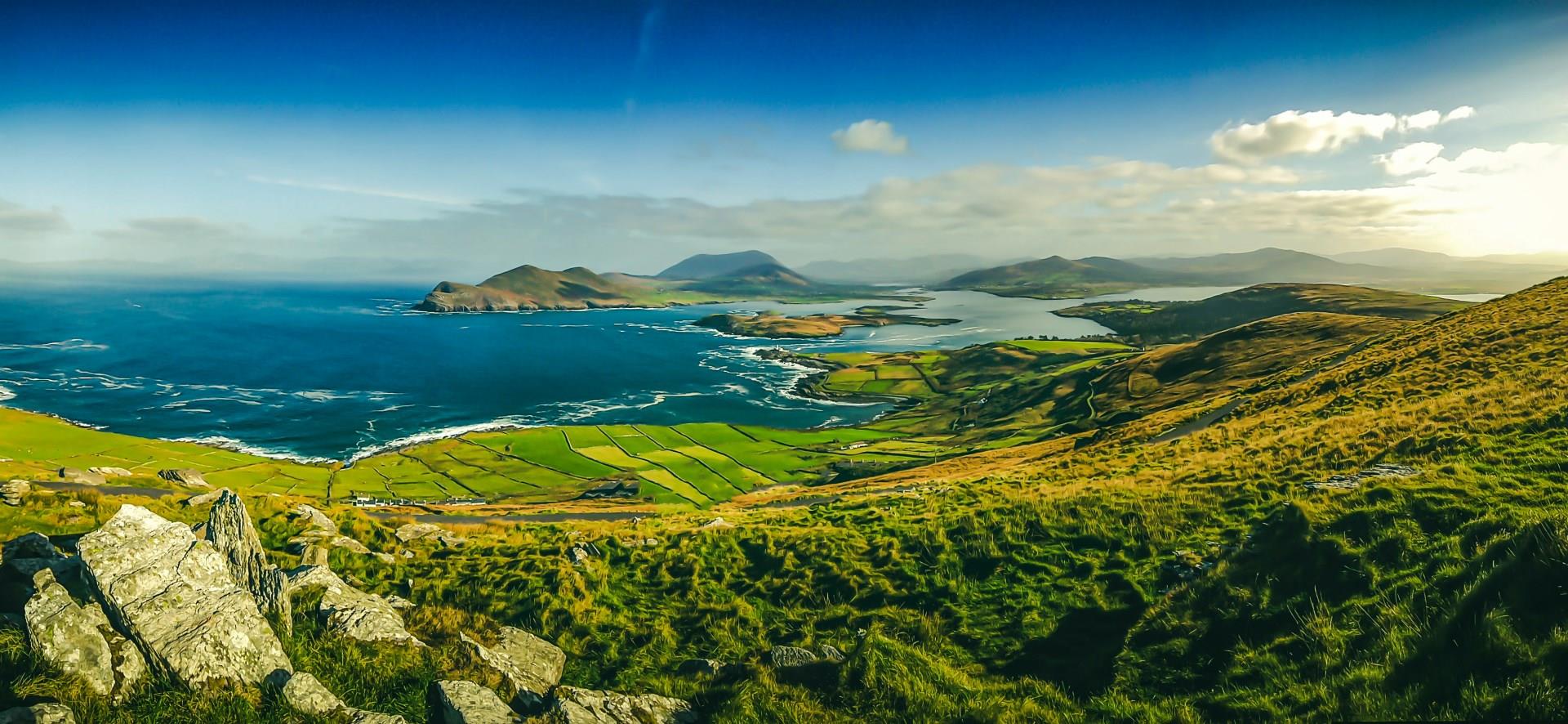
County Kerry
County Kerry, located in Ireland’s southwest corner, is a landscape of dramatic contrasts, where rugged mountains meet serene lakes and Atlantic waves crash against wild peninsulas. Known as “The Kingdom,” Kerry holds deep cultural and historical significance, with ancient ring forts, medieval monasteries, and Gaelic traditions that endure in everyday life.
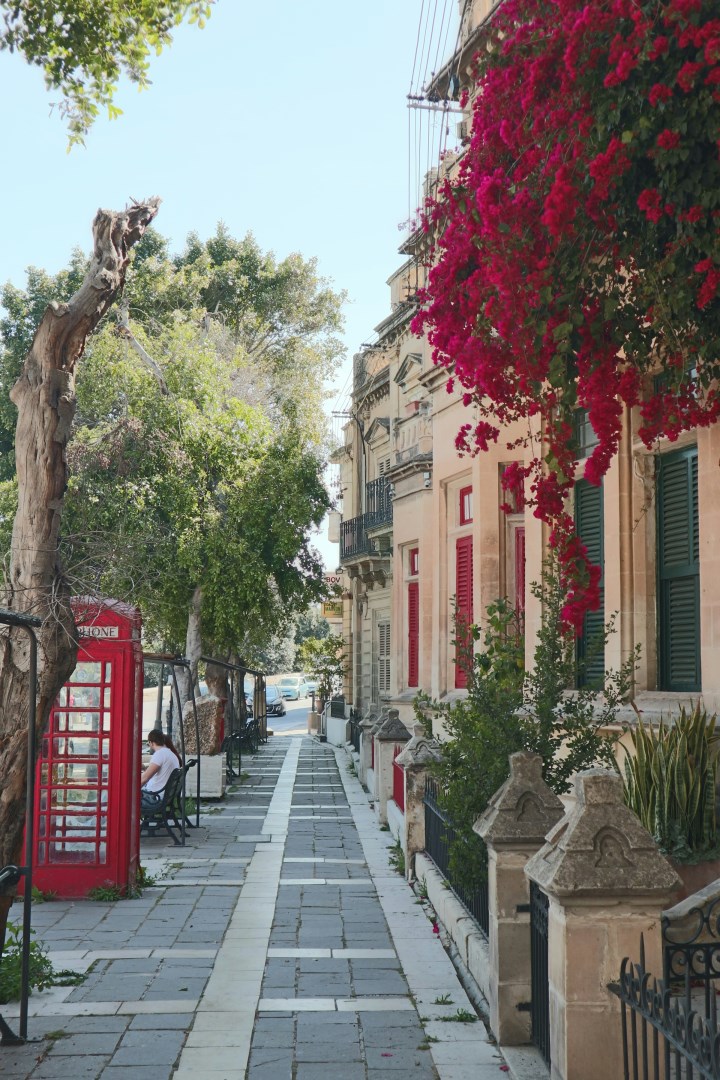
Rabat
Rabat is a historic town in central Malta, adjoining the fortified city of Mdina and extending across a landscape shaped by limestone, fields, and ancient settlements. Its name means “suburb,” reflecting its position outside the walls of the former capital. The town has a distinctly local character, with narrow streets, traditional limestone buildings, small squares, and churches interspersed with archaeological sites.

Santiago
Flanked by the Chilean Coast Range and the snowy Andes, Chile's largest metropolis offers a dazzling array of sights and attractions for visitors to pursue. Mirrored skyscrapers, 16th-century churches, hip cafes, dance clubs... and did we mention the delicious Chilean cuisine?

Natchez
Natchez is a river city in southwestern Mississippi overlooking the Mississippi River bluffs near the Louisiana border. It is recognized for its large collection of preserved antebellum homes, brick streets, and long connection to river trade.
